It's one of the first questions travellers ask, and a fair one. Millions of visitors travel around Sri Lanka without problems each year, and violent crime against tourists is rare. Like anywhere, though, a few precautions make a big difference. Here's honest advice from a local team.
Quick answer
Yes — Sri Lanka is generally safe for tourists, and violent crime against visitors is rare. The everyday risks to plan around are roads, sea currents and monsoon weather rather than crime. Check your government's travel advice before you go, keep valuables out of sight, and travel with people who know the island.
The short answer
Yes, Sri Lanka is generally safe for visitors who take normal precautions. The bigger everyday risks are not crime but roads, the sea and the weather. Always check your government's latest travel advice before you go, because conditions can change.
Crime and scams
Petty theft and bag snatching happen, especially in crowded places. Keep valuables in your hotel safe, carry only what you need, and hold bags away from the road. Use ATMs inside banks or hotels and keep your card in sight when paying.
The most common scams involve friendly strangers offering to take you to a 'special' gem shop, festival or export deal. Politely say no. Buy gems only from a trustworthy seller with a certificate.
Roads and transport
Driving can be fast and unpredictable, and accidents are more common at night. This is one reason most visitors travel with an experienced local driver rather than self-driving or riding motorbikes. On trains, stay inside the carriage while it's moving.
Swimming and the sea
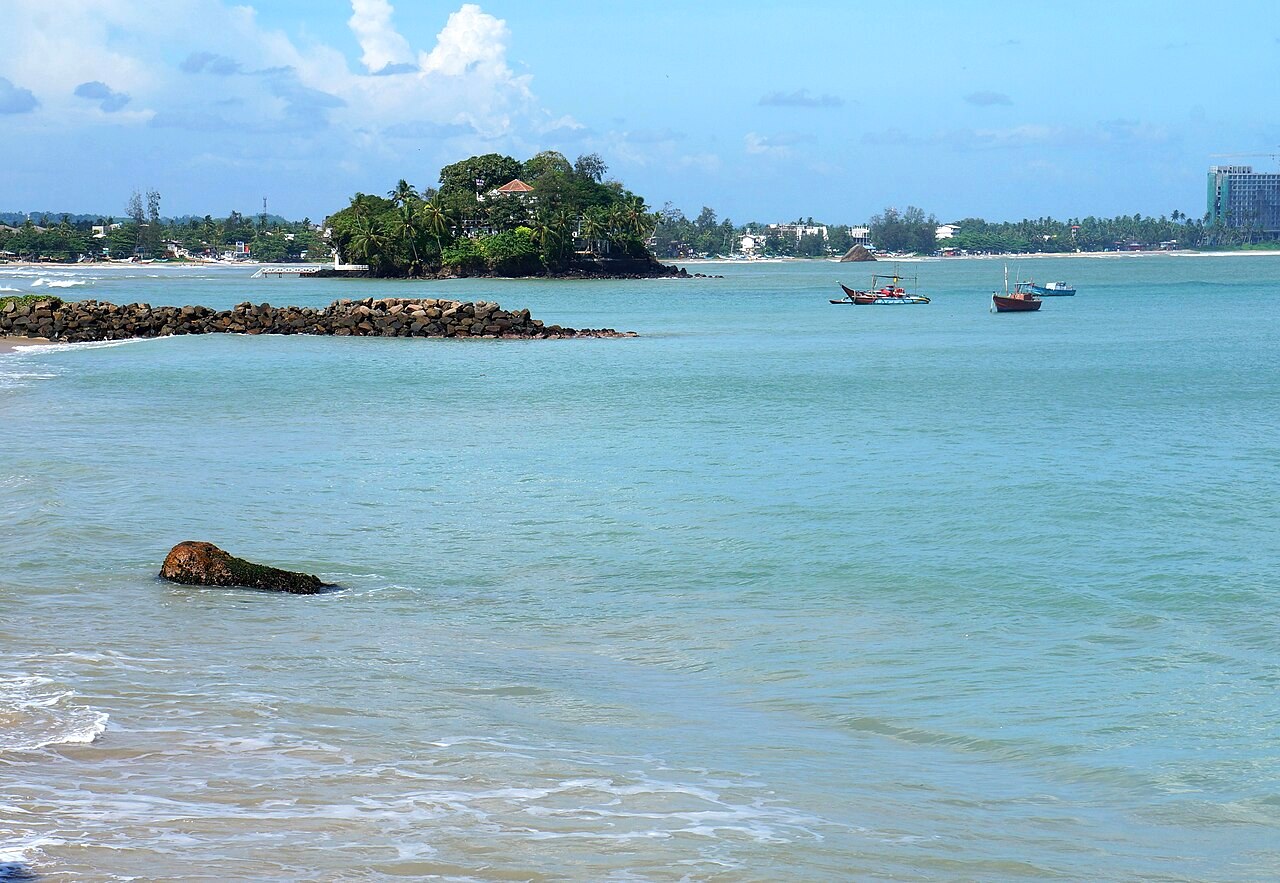
Many beaches have strong currents and rip tides outside the calm season. Swim where locals swim, check with your hotel, and follow flags and warnings. Choose the right coast for your travel month.
Weather and natural hazards
Monsoon and inter-monsoon rains can cause flooding and landslides, and roads or railways may close. Cyclone Ditwah damaged parts of the hill-country railway in November 2025. A flexible itinerary and a local team who can adjust routes are your best protection.
Wildlife
Wild elephants are dangerous on foot and near roads at night, and crocodiles live in many lakes and lagoons. Stay in the jeep on safari, keep your distance and follow your guide. Avoid stray dogs and monkeys, and don't feed them.
Women and solo travellers
Many women travel in Sri Lanka alone or in pairs and enjoy it. Some report unwanted attention in crowded places such as buses and markets. Dress modestly away from the beach, use trusted transport at night, and trust your instincts.
Staying safe the easy way
Travelling with a reputable local agency means you have someone who knows the roads, watches the weather and can change plans quickly, and a WhatsApp number to reach at any time during your trip.
Health and medical care
Colombo and the larger towns have good private hospitals, and pharmacies are easy to find in every town. Comprehensive travel insurance with medical cover is essential — check that it covers activities you plan, such as hiking or surfing.
Mosquitoes are present year-round and dengue fever exists in Sri Lanka, so use repellent, cover up at dawn and dusk, and sleep under nets or in air-conditioned rooms where provided. Bring any prescription medication with you, in the original packaging, with a copy of the prescription.
Food and water
Drink bottled or filtered water rather than tap water, and use it for brushing your teeth if you have a sensitive stomach. Busy local restaurants where food is cooked fresh and turnover is high are usually a safe bet, and hotel ice is generally fine. Peel fruit yourself and be a little more careful with salads and uncooked food in very basic eateries.
Most visitors enjoy Sri Lankan food without any problems — a little caution in the first few days while your stomach adjusts is usually enough.
What official travel advisories say
Most governments currently advise normal or increased caution for Sri Lanka rather than advising against travel. Advisories change with conditions, so read the latest guidance from your own government before you book and again before you fly.
Frequently asked questions
Is Sri Lanka safe for tourists right now?
Generally yes, with normal precautions. Check your government's latest travel advice before you go, as conditions such as weather can change.
Is Sri Lanka safe for solo female travellers?
Many women travel solo in Sri Lanka. Dress modestly, use trusted transport at night and avoid very crowded buses where harassment is more likely.
Is it safe to drive in Sri Lanka?
Roads can be chaotic, and most visitors prefer an experienced local driver to self-driving.
Is it safe to travel to Sri Lanka right now?
Generally yes. Tourism is operating normally and millions of visitors travel safely each year. Because weather and local conditions can change, check your government's current travel advice in the weeks before you fly.
Can you drink tap water in Sri Lanka?
It is best not to. Drink bottled or filtered water, which is cheap and available everywhere, and many hotels provide refill stations.
Is Sri Lanka safe for families with children?
Yes — Sri Lankans are very welcoming to children, and family travel is common. The main precautions are sun protection, careful swimming, car seats arranged in advance and taking roads at a sensible pace.
What are the emergency numbers in Sri Lanka?
The police emergency number is 119 and the Suwa Seriya ambulance service is 1990. Save your hotel's number and your driver's number as well — a local contact solves most problems fastest.