Bundala National Park
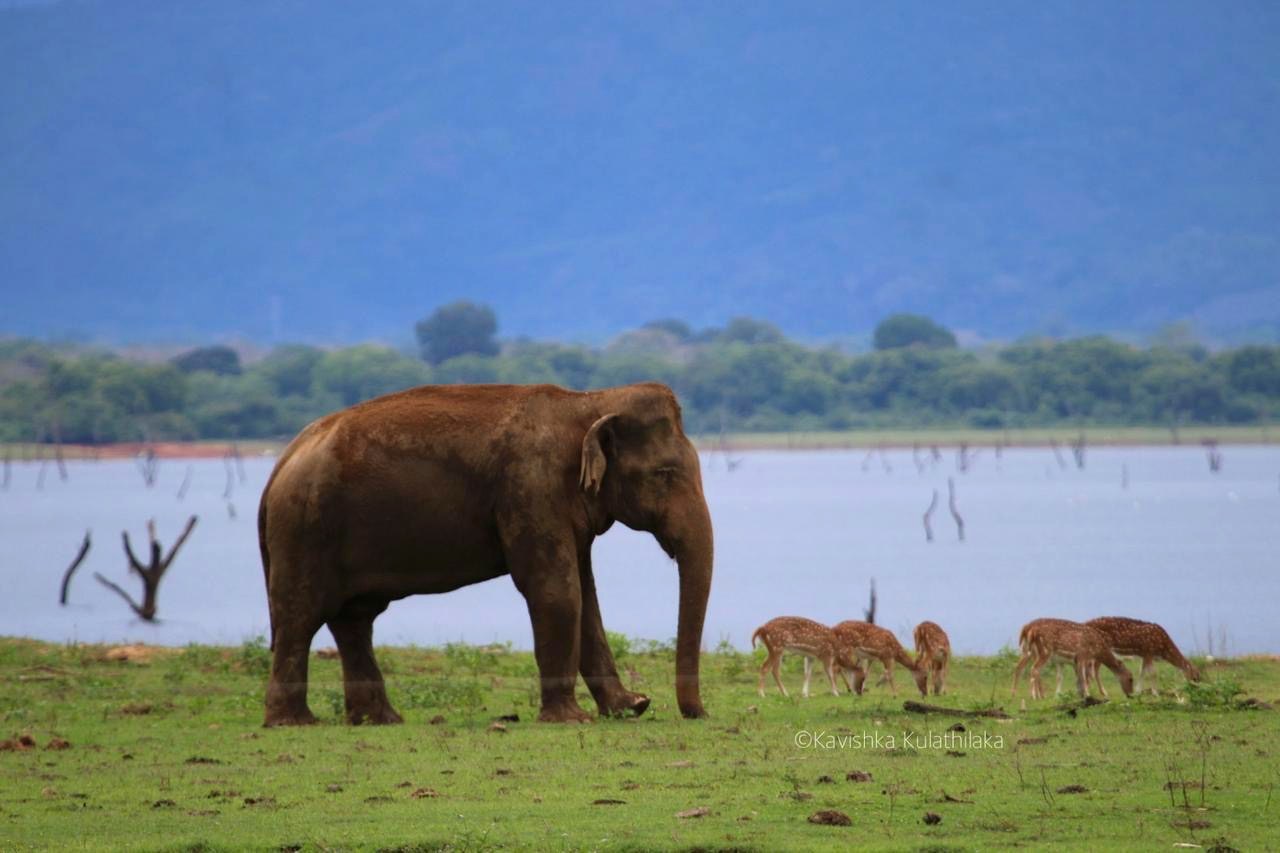
Visit Bundala National Park near Tissamaharama: wetland birdwatching, migratory flamingos in season, crocodiles and elephants, and how to combine it with Yala.

Nature
The best bird watching sites in Sri Lanka are Sinharaja rainforest for endemic species, Bundala and Kumana national parks for waterbirds, and Horton Plains for highland endemics. Around 35 bird species are found only in Sri Lanka. The best season is roughly November to April, when migrant birds arrive from the north.
Sri Lanka has recorded more than 400 bird species, including around 35 endemics, which is a remarkable number for an island of its size. Its mix of habitats makes this possible: lowland rainforest, cloud forest, dry-zone scrub, wetlands, lagoons and coast are all within a day's drive of each other.
The island is also at the southern end of the Central Asian Flyway. Every year, from about November to April, migrant birds such as waders, ducks, flycatchers and warblers arrive to spend the northern winter here. A well-planned week can produce well over a hundred species, including most of the endemics.
Sinharaja Forest Reserve – best for endemics This UNESCO-listed lowland rainforest is the single most important birding site in the country. Most of Sri Lanka's endemic birds live here, including the Sri Lanka blue magpie, red-faced malkoha, Sri Lanka spurfowl and green-billed coucal. Sinharaja is famous for its mixed-species feeding flocks, where dozens of birds of many species move through the forest together. A local guide is required, and the best birding is in the early morning. See Sinharaja Forest Reserve.
Bundala National Park – best for waterbirds Bundala was Sri Lanka's first Ramsar wetland of international importance. Its shallow lagoons and salt pans attract large numbers of herons, egrets, storks, ibises, terns and migrant waders. Greater flamingos are seen in some seasons. Bundala is close to Yala and Tissamaharama, so it fits easily into a south-coast trip. See Bundala National Park.
Kumana National Park – best for nesting birds On the south-east coast beyond Yala, Kumana is known for its mangrove swamp, where large numbers of waterbirds nest, usually from around April to July. It is much quieter than Yala and also has leopards, elephants and crocodiles. See Kumana National Park.
Horton Plains – best for highland endemics This high plateau of grassland and cloud forest is home to highland endemics such as the Sri Lanka whistling thrush, Sri Lanka bush warbler, yellow-eared bulbul and Sri Lanka white-eye. Birding is best at dawn, before the mist and walkers arrive. See Horton Plains.
Other good birding areas
Around 35 species are generally recognised as endemic, although the exact number changes as scientists review classifications. Highlights for most birders include the Sri Lanka junglefowl (the national bird), Sri Lanka blue magpie, Serendib scops owl (only formally described in 2004), red-faced malkoha and Sri Lanka grey hornbill.
A guide makes a big difference. Endemics like the Serendib scops owl and Sri Lanka spurfowl are hard to find without local knowledge, and a good guide knows the calls, nesting sites and feeding spots. In Sinharaja a local guide is compulsory. For a dedicated trip, choose a specialist bird guide rather than a general naturalist.
A classic birding route runs from Sinharaja to the hill country (Horton Plains), then down to Bundala, Yala and the south-east. Our Sri Lanka wildlife tour can be tailored for birding, and our team can arrange a specialist guide. Plan this with a local expert. For more nature experiences, go back to Nature in Sri Lanka.
Bird watching in Sri Lanka is easiest to plan when you think in habitats. The wet lowland rainforest, the highland plateau, the dry-zone scrub and the coastal wetlands each hold a different set of species, and moving between them in a logical order lets you see a wide variety without long backtracking. The rainforest produces the most endemics but demands patience, while wetlands give easier, more visible birds and plenty of photographic chances.
A sensible plan assigns a main purpose to each stop. In the south-west rainforest, you hunt for shy endemics and mixed flocks. In the hills, you look for species that live only in cool, high habitats. In the dry zone, you enjoy raptors, bee-eaters, hornbills and open-country birds, and at the coast, you add waders, herons and terns. Avoid trying to see everything at every site, since birding rewards depth more than speed.
Think also about your own style. Some birders like lists and rarities, while others like watching behaviour and enjoying songs. Both approaches work here, but they lead to different schedules. List-focused visitors may need specialist guides and repeat visits, while relaxed observers can enjoy a general naturalist and spend more time watching. Decide beforehand, tell your guide, and adjust expectations accordingly, because few places allow every goal in one short trip.
Rainforest birding is a different skill from watching open plains. Visibility is limited by dense vegetation, and many birds are heard more often than seen. The rhythm is stop, listen and wait. Quiet stretches can be followed suddenly by a wave of activity as a mixed-species flock moves through, and the secret is to stay put and scan different layers, from the ground to the canopy.
Guides in the forest usually read calls, movements and alarm signals, and they will point you to species you would otherwise miss. Walk slowly, avoid wearing noisy fabrics, and keep conversations to a whisper. Binoculars with good close focus help for birds in thick undergrowth, and a wide field of view makes locating a moving bird easier.
Light is a challenge. Under heavy canopy, photography can be difficult, and many birders choose to watch more than shoot. If you do photograph, a fast lens and patience help, but do not let the camera replace observation. Weather matters too, because rain can silence the forest, while a bright morning after rain can be productive. Prepare for wet, slippery paths, leeches and humidity, and treat discomfort as part of the experience. The reward is often a moment of genuine wonder.
Wetlands offer a very different birding experience. Species are easier to see, and large numbers of birds can gather in open water, mudflats and salt pans. The challenge is timing. Water levels, heat and season all influence where birds feed, and a lagoon can look empty one week and full the next. Local guides who watch conditions closely will know which edge of a wetland is most productive.
Heat haze can make distant birds hard to identify in the middle of the day, so early morning and late afternoon are usually best. A spotting scope is useful for waders and distant flocks, and a tripod keeps views steady. Even with binoculars alone, a patient scan along the shoreline often reveals unexpected species.
Migrant season is a highlight, because many waders and waterbirds arrive from far north, and the variety increases. However, identification of similar waders can be tricky, so a good field guide and an expert eye help. Be aware of mud, sun and insects, and wear a hat and sunscreen. Some wetlands are shared with crocodiles and elephants, so follow your guide's instructions strictly and never wander near water edges without permission or supervision.
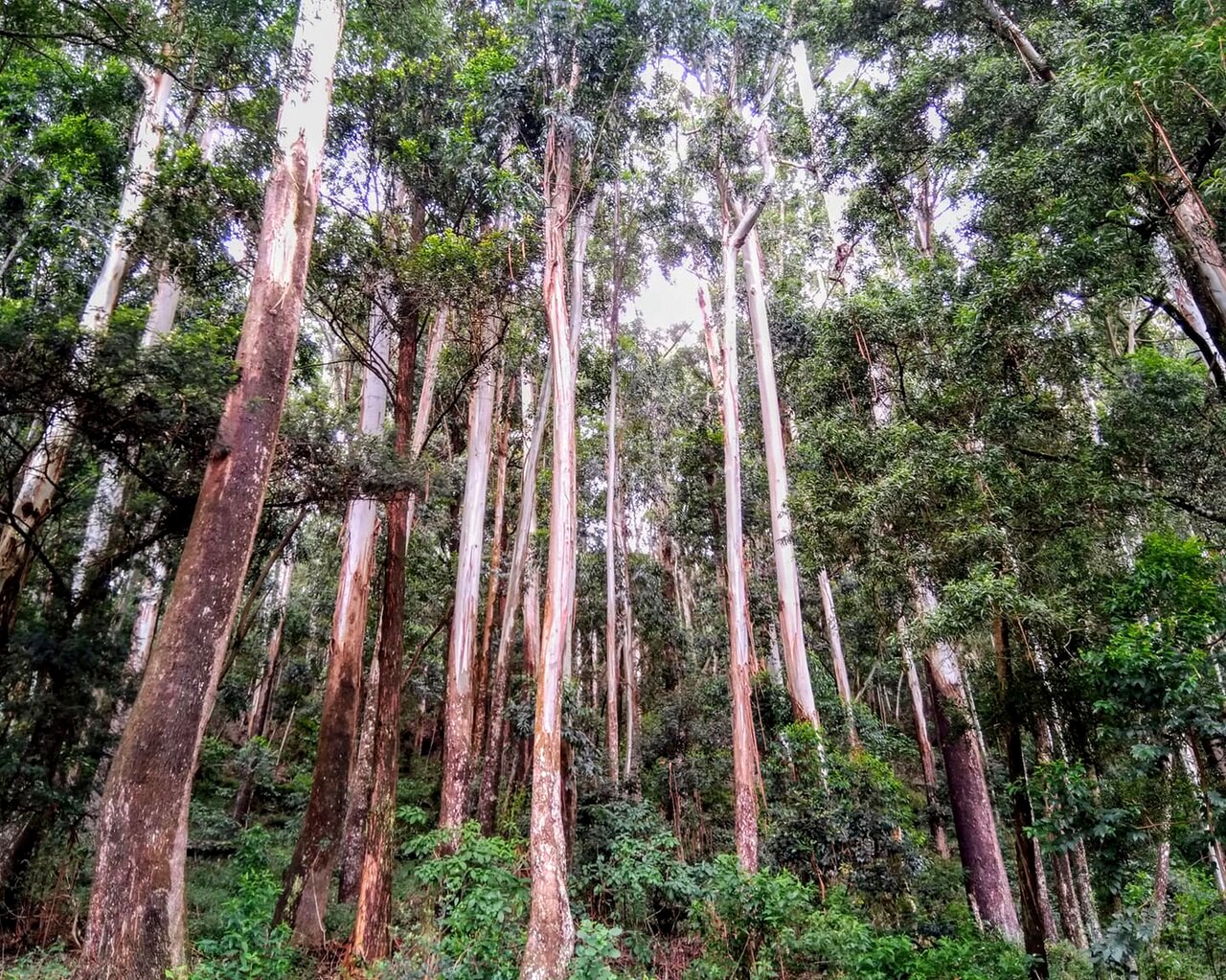
The highland plateau and forest patches offer a distinct group of birds that are rarely seen in the lowlands. Cool temperatures, mist and open grassland make the experience feel quite different, and many travellers enjoy it as a break from tropical heat. Birds here may be shy and quick, and they often appear briefly in forest edges or low scrub.
Mist can both help and hinder. On a clear morning, you may enjoy excellent views and bright light. On a misty morning, visibility falls and birds can be harder to see, though calls carry well and atmosphere is wonderful. Dress in warm layers, since mornings can be cold and damp, and carry a waterproof jacket.
Because many visitors come for scenic walks, paths can become busy by mid-morning, and noise reduces bird activity. If birding is your main purpose, arrive early, walk slowly and stop frequently. Move off the main track only where allowed, and never trample vegetation. Highland birding rewards persistence, and a short walk with a patient guide can produce several species that make the whole trip feel worthwhile. Allow extra time for photography in changing light, and enjoy the quiet.
Birding inside national parks usually happens from a jeep, and this changes how you watch. Vehicles move quickly and noisily, and the driver's priorities are often mammals. Tell your driver at the start that you want to stop for birds and be ready to ask politely whenever you notice movement. Many drivers enjoy the challenge once they see your interest.
Binoculars are easier to use when you rest elbows on the frame and breathe slowly. Choose a seat with a good view, and avoid sudden movements. Do not stand up in a way that blocks others, and keep conversations quiet while stopped. Vehicles that arrive and leave in a rush can scare birds away, so allow time for them to settle.
Raptors are often seen perched on dead trees or circling overhead, and open scrub can produce bee-eaters, rollers and drongos on wires. Waterholes attract waders and storks. Dust and heat can be tiring, so bring water and a scarf. Remember that park rules require you to stay in the vehicle, so choose a sturdy lens support such as a beanbag. The best sessions combine mammals and birds, and a flexible driver makes the day richer.
A good guide changes birding more than any piece of equipment. Specialist bird guides know calls, habitats, nesting sites and seasonal patterns, and they can help you find species that would take days to locate alone. A general naturalist is excellent for a broad experience, but a dedicated birder will deliver better results if you have a list of targets.
Discuss your goals before booking. Tell the guide whether you want endemics, waterbirds, photography or a relaxed overview, and ask how many people will be in the group. Smaller groups are quieter and more effective. Ask whether the guide uses call playback, and consider your own views, since heavy use can stress birds and is discouraged in sensitive places.
Equipment should be simple and reliable. Binoculars are essential, and a spotting scope helps at wetlands. A field guide or app aids identification, but avoid using screens and sound in a way that disturbs wildlife. Bring a notebook, a rain cover and a lens cloth. Clothing should be quiet and neutral, with long sleeves for sun and insects. Carry water and snacks, and keep your gear organised, because the best moments arrive suddenly and you will want to be ready.
Sri Lanka has resident birds that can be found year-round, and migrants that arrive in the cooler northern winter. This gives the island two overlapping layers of interest. Residents and endemics are the main draw for forest and highland trips, while migrants add variety at wetlands, lagoons and coasts. Understanding the difference helps you choose when to travel.
Migrant season brings many waders, ducks, flycatchers and warblers, and the number of species increases noticeably. However, this period overlaps with generally busier tourist months, so accommodation and guides may need earlier booking. In contrast, the quieter months offer fewer visitors, and nesting activity at certain wetlands can be rewarding, though some forests may be wetter.
Weather shifts matter too. Rain can silence forests but bring insects and feeding activity afterwards, and dry spells can concentrate birds at remaining water. Because patterns vary year to year, treat dates as guidance, not a promise. Check recent reports from local guides and lodges, and avoid assuming that a species will be present simply because it is listed in a book. A flexible mindset and good local advice will often lead to better results than a rigid plan.
Birding ethics matter because many of the most sought-after species are shy, rare or breeding. Keep a respectful distance from nests, avoid approaching roosting owls and never disturb birds to improve a photograph. If a bird shows stress, such as alarm calls or repeated flying away, step back and give it space. The welfare of the bird comes before any list or image.
Be cautious with call playback. Occasional use can help identification, but repeated playing can distract birds from feeding or defending territory, and in protected areas it may be discouraged or restricted. Ask your guide about their approach and follow the rules of each location. Avoid flash photography, especially for nocturnal species.
Share locations responsibly. Posting exact nest or roost locations online can attract crowds that harm sensitive birds. Respect guides and local communities, pay fair rates and follow instructions on park behaviour. Take every piece of rubbish away and stay on paths. When you treat birds with patience and humility, you often receive better views, because calm observers are tolerated longer. Ethical birding is not a limitation; it is part of what makes the experience feel meaningful and sustainable for years to come.
Visit Bundala National Park near Tissamaharama: wetland birdwatching, migratory flamingos in season, crocodiles and elephants, and how to combine it with Yala.
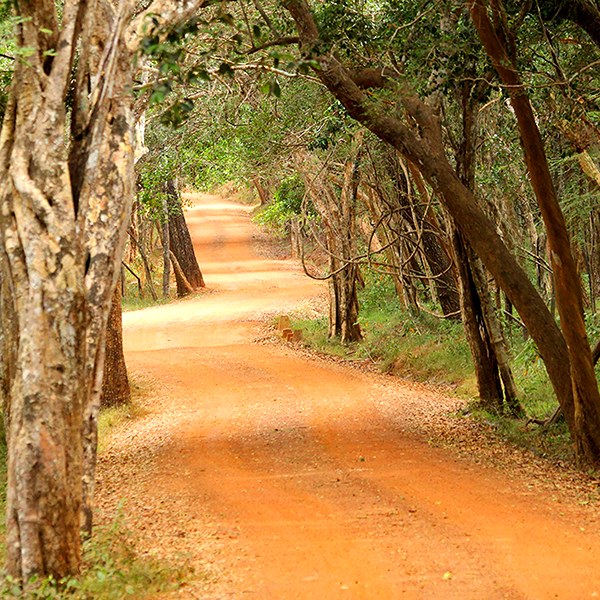
Visit Kumana National Park near Arugam Bay: a quieter safari with wetland birds, elephants, crocodiles and the chance of leopards, plus the best time to go.
Visit Sinharaja Forest Reserve, Sri Lanka's UNESCO-listed rainforest: guided walks, endemic birds, the best time to go, leeches and private tours.
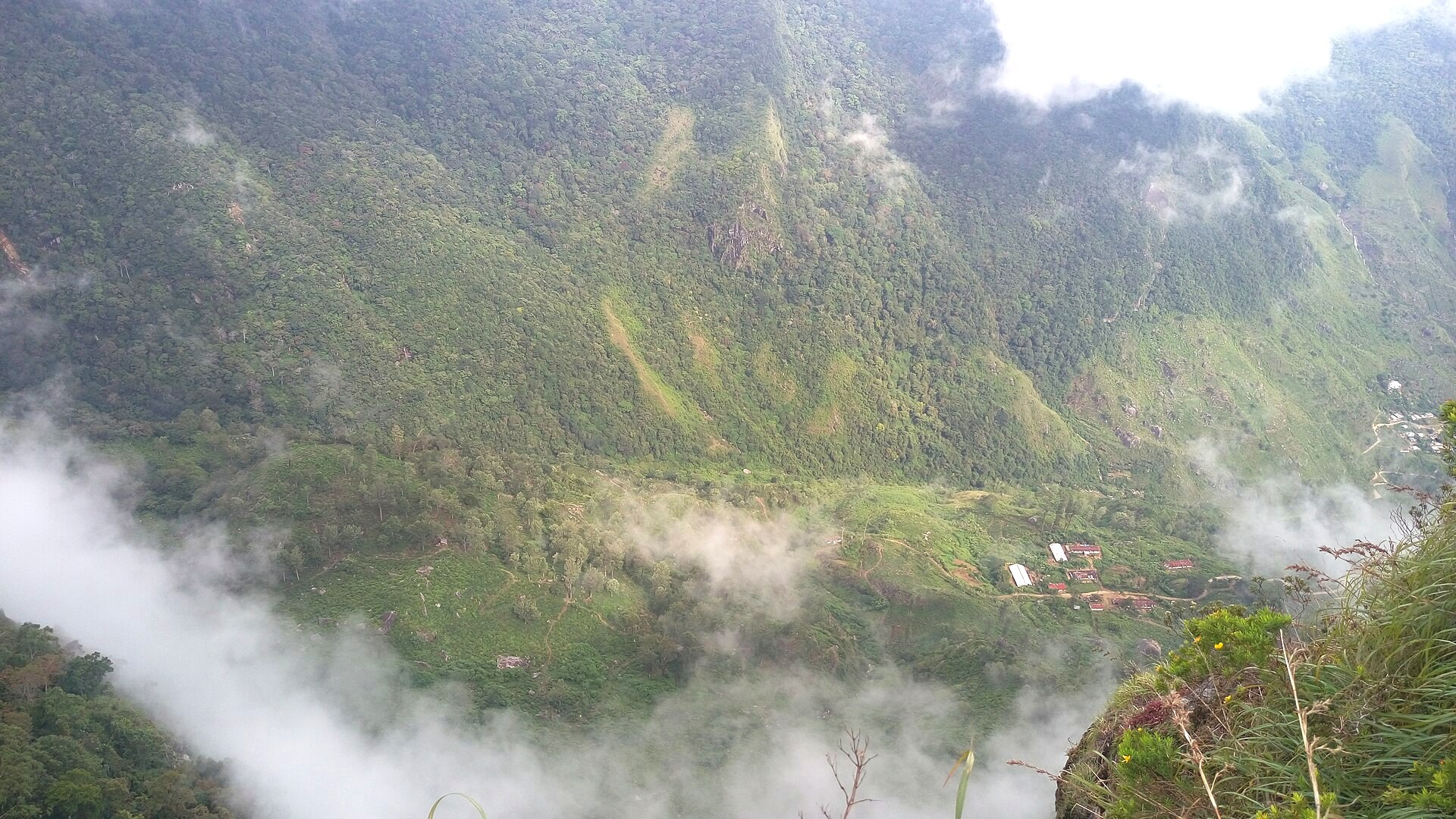
Hike Horton Plains National Park to World's End and Baker's Falls: the loop trail, the best time for clear views, what to bring and private tours.
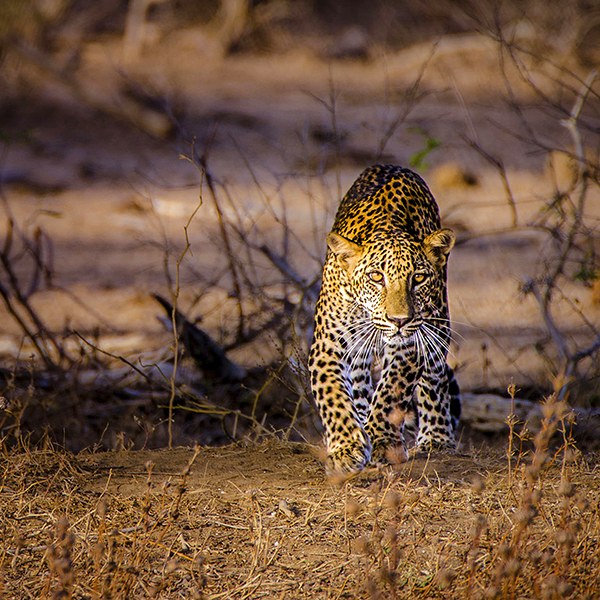
Visit Yala National Park in Sri Lanka: leopards and elephants, park blocks and closures, the best time to go, where to stay and private Yala safari tours.
A sample Sri Lanka wildlife tour: elephant and leopard safaris, rainforest birding and seasonal whale-watching, with responsible viewing throughout.
A focused trip of about a week can cover rainforest, highlands, dry-zone and wetland habitats and produce a satisfying list. Shorter visits work if you choose two habitats. More time allows repeat visits to difficult sites, which improves your chances of seeing shy endemics and reduces rushed transfers.
Binoculars are enough for most forest and jeep birding. A spotting scope is helpful at wetlands, where birds are distant and identification of waders depends on detail. Some guides carry one, so ask beforehand. If you are travelling light, invest in good binoculars first and consider a scope later.
Early morning is usually the most productive, when birds are active and temperatures are cooler. Late afternoon can also be good, especially at wetlands. Midday is often quiet and hot, so use it to rest. Plan your itinerary around dawn starts and protect your sleep the night before.
Yes. Many colourful and conspicuous birds are easy to see, and guides can explain behaviour and calls as you go. A field guide or app helps you learn. Beginners often enjoy it most when they go slowly, ask questions and focus on a few species instead of trying to identify everything.
Heavy rain can silence the forest and make trails slippery, but activity often increases afterwards as birds feed. Plan flexible days so you can wait out showers, and carry a rain cover for equipment. Wet conditions also bring leeches, so wear protective socks and closed shoes.
A general naturalist is fine for a broad wildlife experience and relaxed birding. A specialist is better if you have target species, want help with calls or are photographing shy birds. Tell the guide your goals in advance, and ask about their experience at the specific sites you plan to visit.
Yes, though it requires patience. Rest your lens on a beanbag or the vehicle frame, ask the driver to turn off the engine and keep movements slow. Dust and heat can be challenging. Do not pressure drivers to approach nests or disturb birds, and accept that some days produce better light than others.
Mist, cold and changing light are the main challenges, along with crowds on popular paths. Birds may be quick and shy in forest edges. Dress in warm layers, carry rain protection and start early. Patience and quiet movement often produce rewarding sightings, even on short walks.
Keep a respectful distance from nests and roosts, avoid flash, limit call playback and never alter vegetation for a photograph. Follow your guide's advice and park rules. Avoid sharing sensitive locations publicly. If birds show alarm or leave their nest, step back immediately and give them space.
It can be, if the format is flexible. Short sessions at easy sites such as lagoons or gardens often work better than long forest walks. Give children binoculars, simple checklists and a purpose, and allow breaks. Keep expectations modest, and celebrate each sighting rather than counting species.
From inspiration to your itinerary
Explore our matching private journeys. Tell us your dates and group size for a personalised route, availability and written quote.