Sri Lanka Safaris
Where to go on safari in Sri Lanka: Yala, Udawalawe, Wilpattu and Minneriya compared, with seasonal advice and responsible wildlife-viewing tips.
Explore this experience
Nature
Wildlife, forest trails and wide-open landscapes. Find the experiences that belong in your Sri Lanka journey.
Explore nature experiencesExplore nature
Where to go on safari in Sri Lanka: Yala, Udawalawe, Wilpattu and Minneriya compared, with seasonal advice and responsible wildlife-viewing tips.
Explore this experience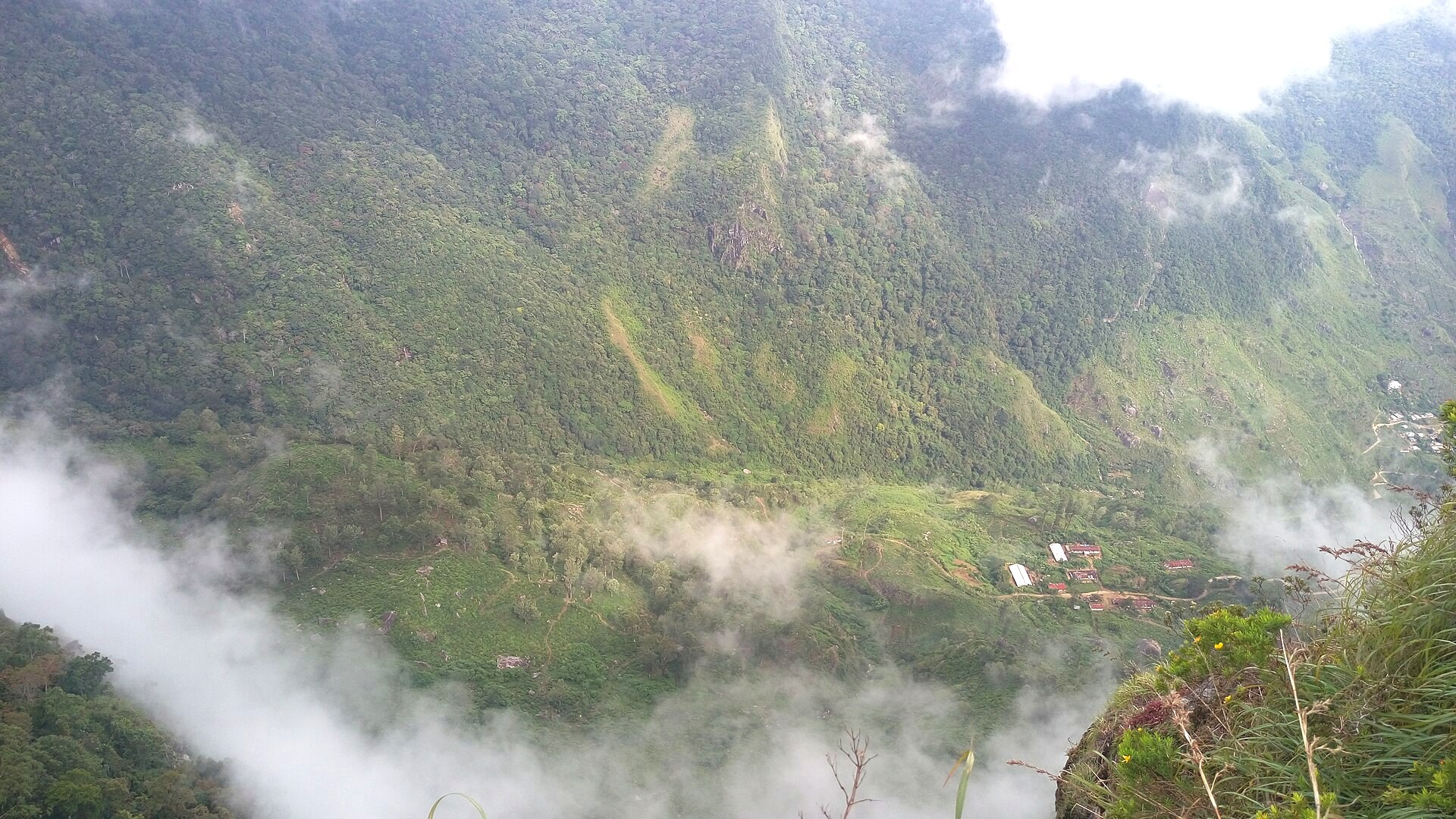
Sri Lanka's best walks and hikes, from Little Adam's Peak and Ella Rock to Horton Plains, Adam's Peak and Sinharaja, with safety and planning tips.
Explore this experienceThe best bird watching sites in Sri Lanka are Sinharaja rainforest for endemic species, Bundala and Kumana national parks for waterbirds, and Horton Plains for highland endemics. Around 35 bird species are found only in Sri Lanka. The best season is roughly November to April, when migrant birds arrive from the north.
Explore this experience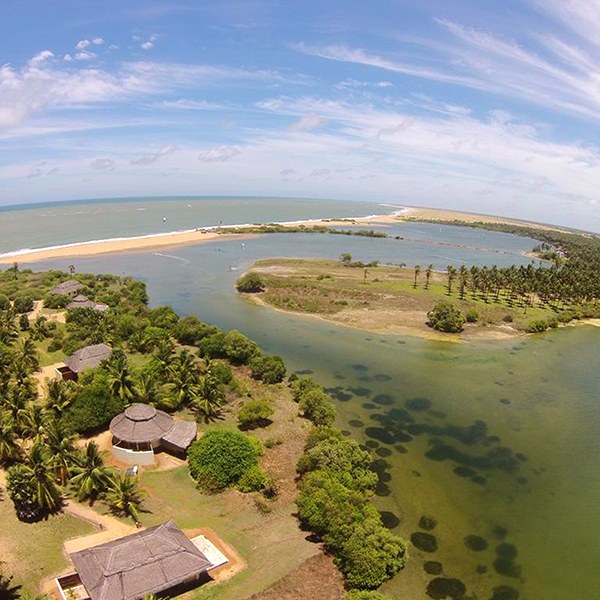
The best lagoons to visit in Sri Lanka are Negombo near the airport, the Bentota river estuary, Koggala lake near Galle, Pottuvil lagoon near Arugam Bay and the Kalpitiya lagoon on the north-west coast. A lagoon boat safari takes you through mangrove channels to see birds, monitor lizards, crocodiles and traditional fishing. Most trips take one to three hours and suit all ages.
Explore this experience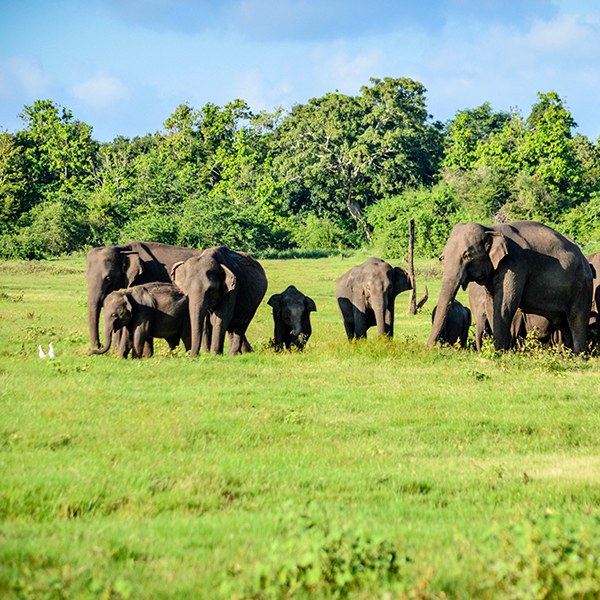
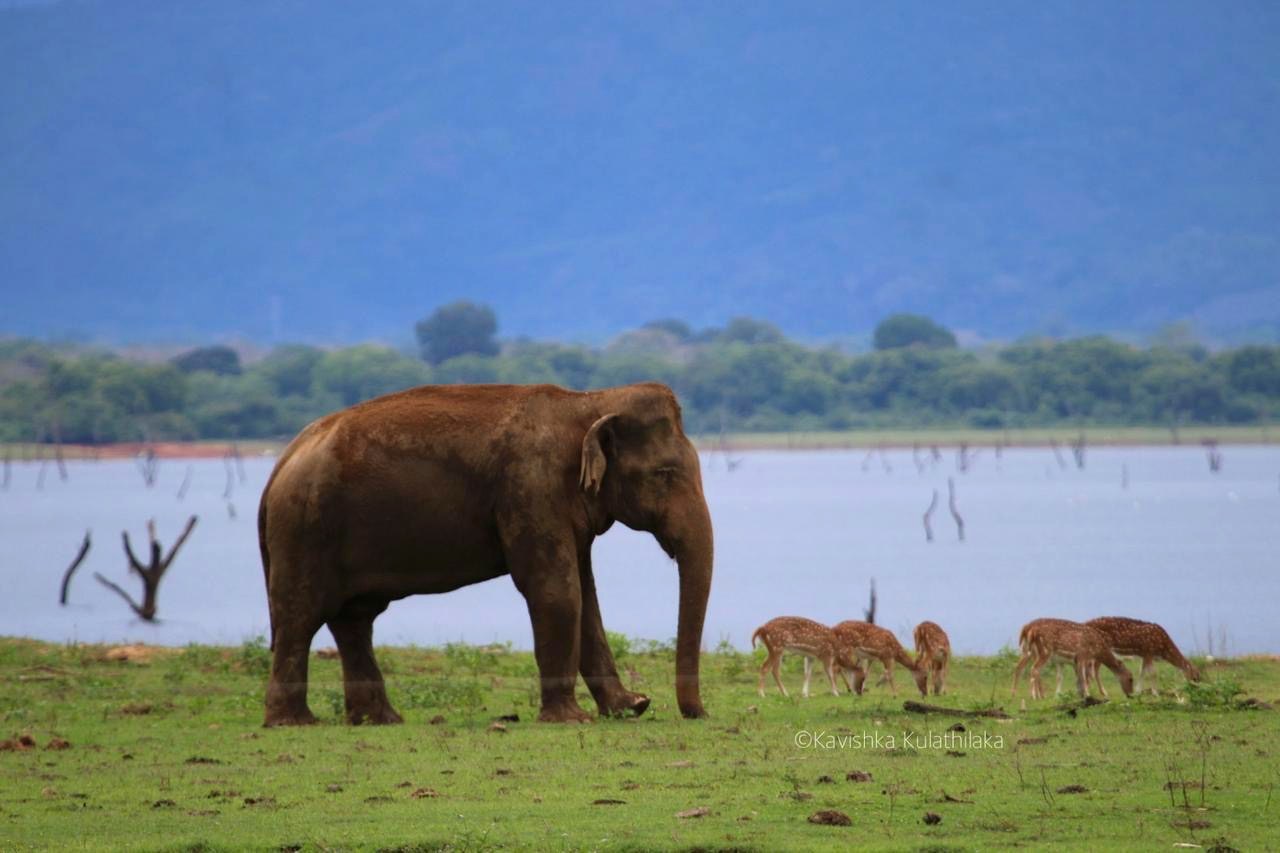
The Elephant Gathering is a major seasonal congregation of Asian elephants. It happens at Minneriya National Park, and nearby Kaudulla, roughly from July to October, usually peaking in August and September. As the dry season shrinks the Minneriya reservoir, fresh grass grows on the exposed shore and herds come together to graze, often more than a hundred elephants at once. An afternoon jeep safari gives the best views.
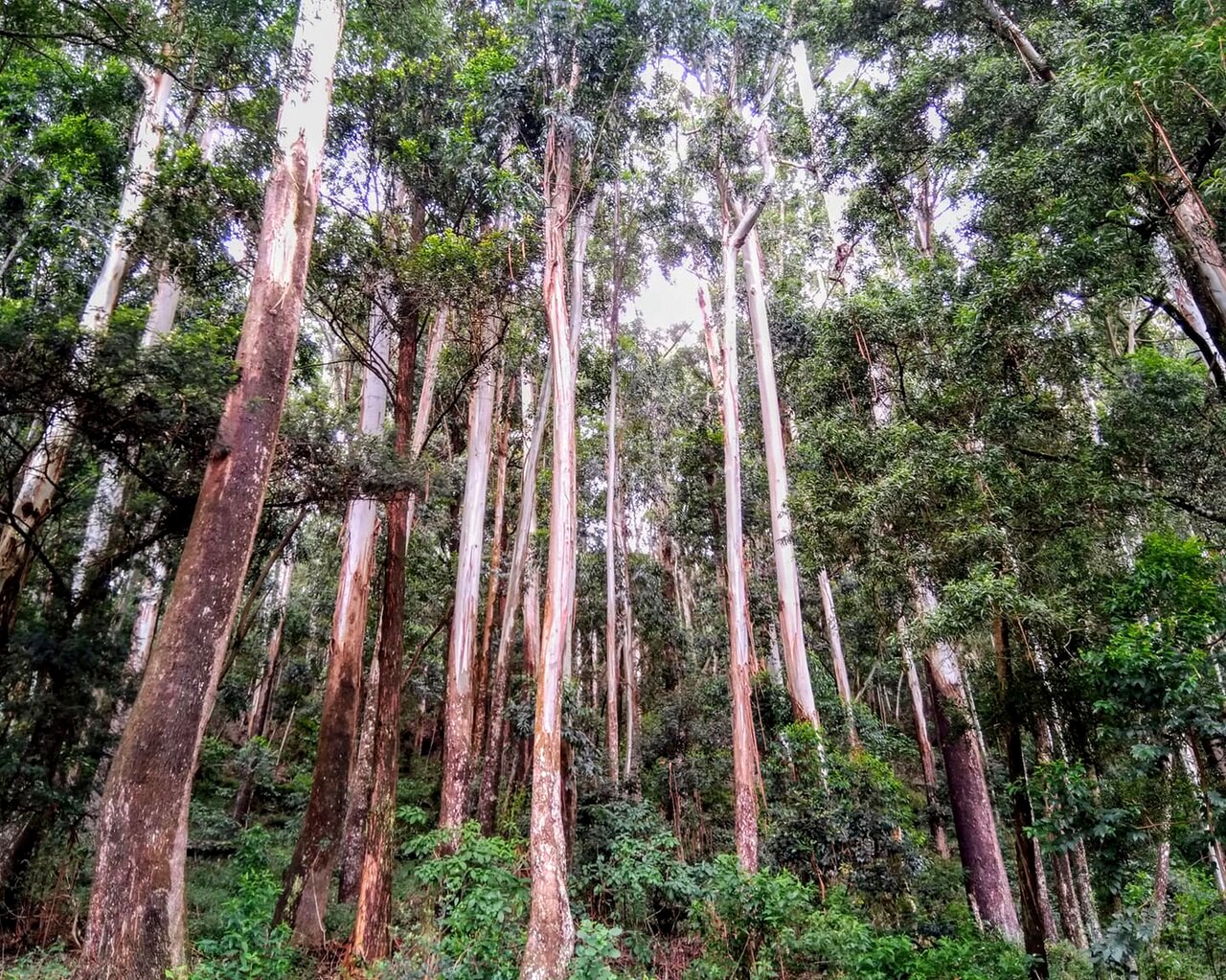
Explore this experienceThe best nature trails in Sri Lanka are the Horton Plains loop to World's End, Little Adam's Peak in Ella, the rainforest trails of Sinharaja, the Knuckles mountain range and the short climb up Pidurangala rock. Most are easy to moderate walks of one to four hours that don't need special equipment. Sinharaja requires a local guide, and a guide is recommended in the Knuckles range.
Explore this experience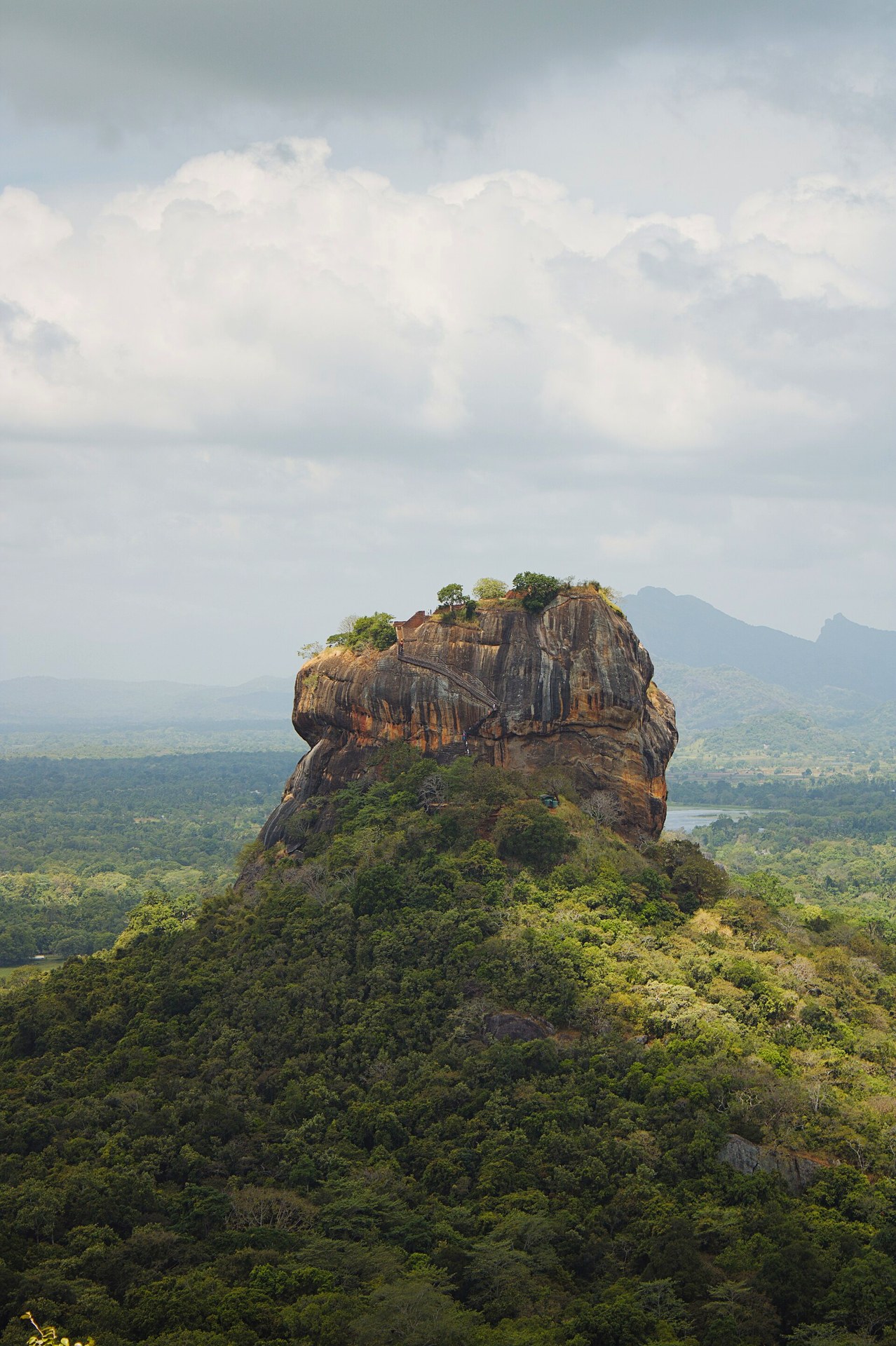
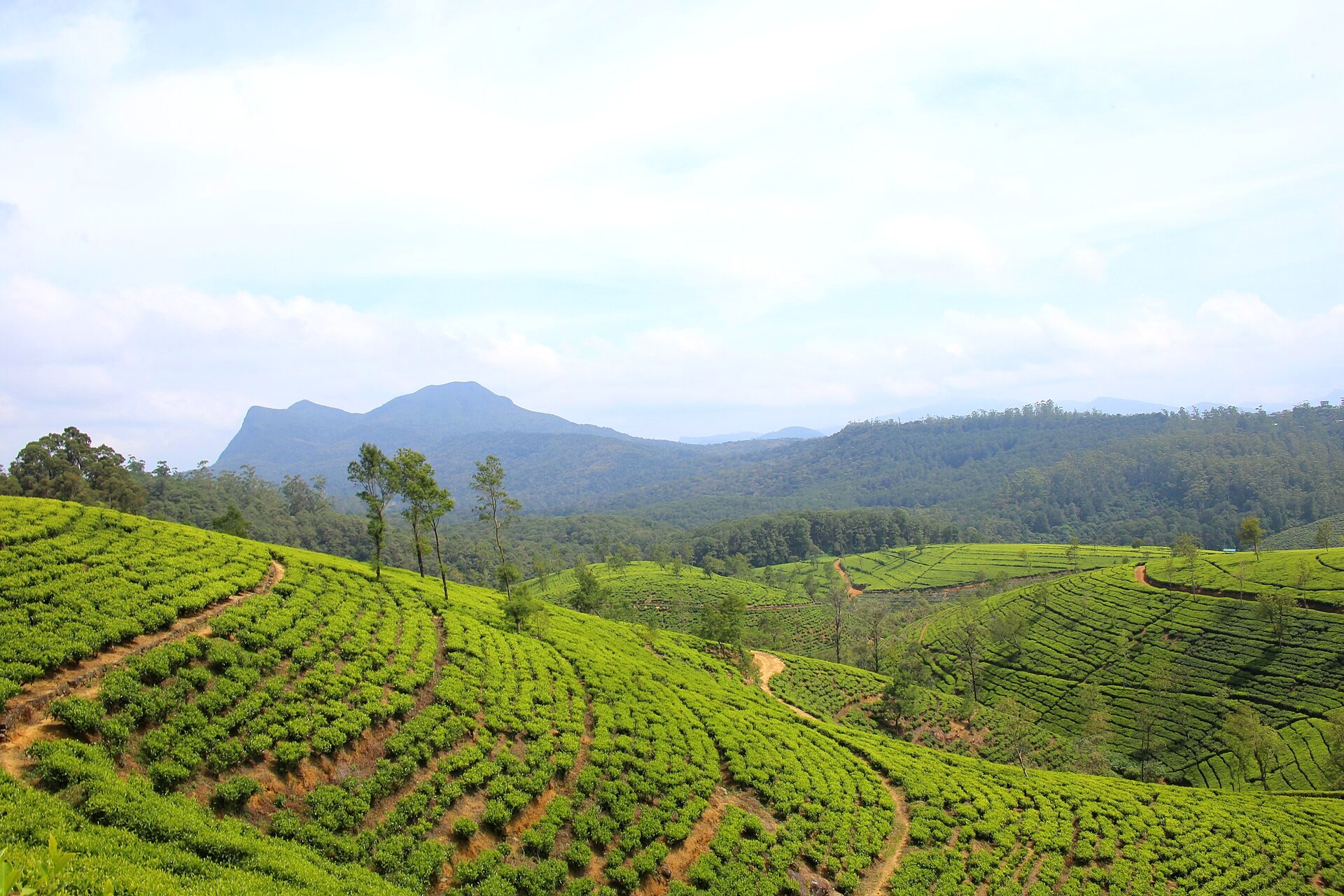
The most beautiful places in Sri Lanka are Sigiriya rock fortress, the hill country around Ella with Nine Arch Bridge and Little Adam's Peak, Lipton's Seat above the Haputale tea estates, World's End at Horton Plains and the Kandy to Ella train ride. On the coast, Galle Fort and Mirissa's palm-lined bay are the classic views. Most of these are best at sunrise, before clouds and crowds arrive.
Explore this experienceTell us your dates and favourite experiences. Our local team will help shape a journey around you.
Sri Lanka packs rainforest, misty highlands, dry-zone jungle, lagoons and coast into an island smaller than many countries' single regions. In one trip you can look for leopards in Yala, visit Minneriya for the chance to see seasonal elephant gatherings, walk to World's End at Horton Plains and look for endemic birds in Sinharaja. The pages below show you where to go for each kind of nature experience and the best time to go.
Few places let you change landscapes so quickly. A morning drive can take you from tea-covered hills at 1,800 metres down to hot, open savannah where elephants graze beside reservoirs. The island has two monsoons that hit different coasts at different times, so some regions may have more favourable weather than others; conditions can still vary.
Sri Lanka also has a remarkable number of species found nowhere else. Its endemic birds, reptiles, amphibians and plants are concentrated in the wet south-west and the central hills. Its large mammals – leopards, Asian elephants, sloth bears and water buffalo – are easiest to see in the dry zone national parks of the south, east and north-west. Offshore, blue whales and spinner dolphins feed in deep water close to the coast.
Distances are short. Some parks and trails can be combined by road, but drive times vary considerably with route, traffic and road conditions; check journey times when planning.
Each national park has its own strength, so choose by the animal you most want to see:
For a full comparison, read our guide to the best wildlife parks in Sri Lanka and our Yala vs Udawalawe vs Wilpattu breakdown. To book a jeep, see safaris in Sri Lanka.
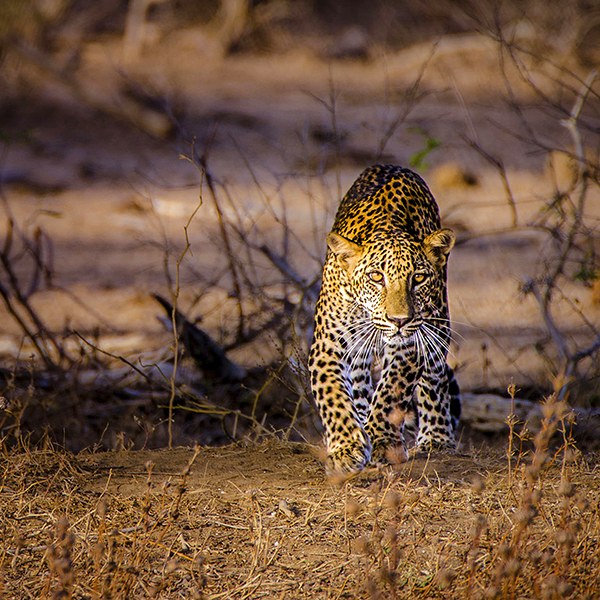
Sri Lanka is one of the best places in the world to see a wild leopard. Yala's Block 1 has a high density of leopards and the open scrub makes them easier to spot. Wilpattu offers a quieter experience. Early-morning and late-afternoon game drives give you the best chance. Our leopard safari guide explains which park to pick and when.
Sri Lanka is home to wild Asian elephants. Udawalawe offers elephant-viewing opportunities throughout the year, although sightings are not guaranteed. Between roughly July and October, though, the dry season brings herds to the shrinking reservoirs of Minneriya and Kaudulla, where you may see a hundred or more together. Read our page on the elephant gathering and our wider guide on where to see elephants in Sri Lanka.
Around 35 bird species are found only in Sri Lanka. Sinharaja rainforest is the top spot for endemics, while Bundala and Kumana are wetland parks full of waterbirds. Migrant birds arrive roughly November to April. See our guide to bird watching in Sri Lanka.
The coast is lined with lagoons where you can take a slow boat or canoe trip through mangroves. You may see monitor lizards, crocodiles, kingfishers and fishermen at work. Negombo, Bentota, Koggala and Pottuvil near Arugam Bay are the easiest to visit. Find out more in our guide to lagoons in Sri Lanka.
The central highlands are made for walking. Horton Plains, Ella, the Knuckles range and Adam's Peak offer everything from an easy hour-long walk to a full-day trek. If you prefer gentle walks over big climbs, start with our nature trails guide. For longer treks, read best hiking locations in Sri Lanka or book guided hiking. The hill country also has dozens of waterfalls, many reached by short walks – see our guide to waterfall hikes in Sri Lanka.
If you want the views more than the walk, our guide to the most scenic and beautiful places in Sri Lanka covers sunrise spots, viewpoints and the famous hill country train ride. For a full list of places, browse all destinations.
Choose jeep drivers who keep their distance from animals and don't crowd sightings. Stay in the vehicle in national parks, never feed wildlife and take your rubbish with you. Read our responsible travel guide for more.
Our Sri Lanka wildlife tour brings the best parks together in one itinerary. If you'd like something built around your interests, talk to our local team.
The easiest way to plan a nature trip in Sri Lanka is to start with habitats rather than famous names. The island has four broad types of terrain, and each rewards a different pace. The dry-zone plains of the south-east, north-west and north-centre favour open vehicles, long views and big mammals. The wet south-west holds rainforest where you walk slowly, listen more than you look and accept that the forest will not show itself on demand. The central highlands offer cool air, cloud forest and ridge walking. The coast and lagoons give you calm water, waders and mangrove life.
A common mistake is to try all four in a short stay. Every habitat needs a morning at its best, and the transfers between them eat into that time. If you have a week or less, pick two contrasting habitats and give each real attention. A pairing such as a dry-zone park and a rainforest walk covers very different animals without constant packing and unpacking. With ten days or more, a third habitat becomes realistic, but keep the hill country for a stretch where you can enjoy cooler air and not simply pass through it.
Think too about what kind of watching suits you. Some people love the anticipation of a jeep ride, where the next bend might reveal anything. Others prefer a quiet bench beside a lake, or a slow forest path where a single frog or butterfly can hold attention for ten minutes. Be honest about which describes you, because Sri Lanka offers both and the wrong format can leave a good place feeling disappointing.
A route built around large mammals usually links the south-east with the north-centre, and it works best when you let the animals set the order. One sample sequence begins on the southern plains, where Udawalawe gives a dependable introduction to elephants in open grassland. From there you can continue east to the Yala region, where the scrub and rocky outcrops suit leopard searching. After the south, the road swings north through the central hills toward Sigiriya and Habarana, the base for Minneriya and Kaudulla.
The trade-off is distance. Moving between the southern parks and the Cultural Triangle takes most of a day, and you may be tired after a pre-dawn safari. Many travellers break the journey in the hill country, which also gives a break from heat and dust. If you would rather avoid the long transfer, treat the two regions as separate trips, or choose one and add Wilpattu on the north-west side for a quieter alternative.
Expect to spend most of your time in a jeep, so think about comfort. Choose a vehicle with a roof that gives shade, bring a light scarf for dust, and do not schedule a demanding hike on the same day. The best wildlife days are the ones where nothing else competes for your energy. Be ready for slow stretches as well; patient drivers who wait at a waterhole often do better than those who rush between rumoured sightings.
A second kind of route trades size for specialisation. Start in the south-west rainforest near Sinharaja, where endemic birds, lizards, frogs and plants are the main attraction. Walking here is slow, humid and often damp underfoot, with views limited to the next patch of understorey, so the pleasure comes from detail. Follow with a rise into the hill country, where Horton Plains offers open grassland and cloud forest, and the birds and plants differ from those lower down.
This sequence suits people who enjoy natural history, photography of small subjects, and cooler climates. It does not suit anyone expecting a guaranteed big animal. Purple-faced langurs, giant squirrels and a variety of colourful birds are realistic, but dramatic encounters are rare. If your companions are less patient, include a short boat trip or a lagoon visit for contrast, since moving water and visible birds offer easier rewards.
Weather is the main caveat. The wet south-west can receive rain in any month, and the hill country is often misty. Plan buffer days where you can swap a walk for a rest if a downpour arrives. A flexible schedule matters more here than in the dry zone, where the daily pattern is steadier. Good boots with grip, a light rain layer and spare dry socks do more for your enjoyment than any camera upgrade.
Sri Lanka does not have one wildlife season, because two monsoons affect different coasts at different times. This is why advice such as the best month can be misleading. The south-west and hill country tend to be drier in the early months of the year, while the east and north-central areas often favour the middle of the year. Each region also has its own natural rhythm: waterholes shrink, grass flushes after rain, migrant birds arrive and leave, and elephants shift between reservoirs.
Dry months generally make animals easier to see in the national parks, because water is limited and animals gather. The downside is dust, heat and larger numbers of jeeps at popular sites. Greener months bring lush scenery and fewer visitors, but animals disperse and tracks may be wet. Neither is better in absolute terms; they favour different priorities. A photographer who wants dramatic skies may enjoy a showery period, while a first-time visitor who wants a clear chance of a sighting usually prefers the dry months.
Because rainfall shifts from year to year, treat any month label as a tendency rather than a promise. Ask your driver or guide for recent conditions a few days before you travel, and keep one flexible day in each region. Some park sections close for maintenance or at peak dryness, so confirm current access instead of assuming. That small step prevents a large disappointment and is far more useful than chasing a single perfect month.
Nature travel here is more accessible than many visitors expect, though not every experience suits every person. Jeep safaris require little walking but involve bumpy tracks, standing or bracing, and long hours in sun and dust. Older travellers or anyone with back trouble should ask about seat padding, shorter drives, and half-day formats. Lagoon boat trips are the gentlest option, with a seat, shade and a slow pace, which is why they suit grandparents and toddlers equally.
Walking varies widely. A tea-estate stroll to a viewpoint is a short, gentle outing, while a rainforest trail may be only a few kilometres but slippery, steep in places and humid. Highland plateaus are cool but at altitude, and some people feel breathless more quickly. If anyone in your group is cautious, choose a route with an easy exit option, such as a loop that can be shortened or a trail near a road.
Children often do best with variety and a purpose. Give them something to look for, such as counting kingfishers or spotting monkeys, and avoid forcing long silent waits. Teenagers who like challenge may enjoy a guided forest walk or a dawn climb. Whoever you travel with, build rest into the plan, because heat is the real limiting factor. Shade, water and an unhurried afternoon often make the difference between a trip people remember fondly and one they simply endure.
Packing for nature in Sri Lanka is about layers and protection. Lightweight long sleeves in muted colours protect against sun, insects and scratchy vegetation. A hat, sunscreen and a refillable bottle matter in the dry zone. For the hills, add a warm layer and a windproof shell, since mornings can feel cold after the tropical lowlands. In rainforest, closed shoes, leech socks and quick-drying fabrics are far more valuable than fashionable trail gear.
Binoculars are the single best addition for any nature traveller. Even compact ones transform a distant shape into a recognisable bird or a recognisable animal. If you use a camera with a long lens, carry a dust cover and a way to keep rain off it. Phones perform well for scenery but struggle with distant animals, so manage your expectations about the photographs you will take.
Expectations are as important as equipment. Wildlife is wild, and some safaris end without the animal you most wanted. A good guide will help you appreciate smaller moments, such as a bee-eater on a wire or a monitor lizard crossing a path. Travellers who accept uncertainty usually come home happier, because they judged the day by what it offered rather than by a checklist. Keep a notebook if you enjoy it, and note details as you go.
Nature days are more enjoyable when balanced against other kinds of travel. The south coast pairs naturally with the southern parks, because you can finish a dusty safari and reach a beach within a reasonable drive. This gives your body a recovery day and lets you add lagoon trips or whale-watching in season. On the east side, the same logic applies in the drier middle months, when beaches and elephant reservoirs are both within reach.
Culture is another useful counterweight. In the north-centre, ancient cities and rock fortresses sit close to wildlife areas, so you can mix history in the morning heat with an afternoon safari. The danger is overpacking. Climbing a rock at dawn, exploring ruins and then joining a jeep drive can leave you too tired to enjoy any of it. Choose one or two major activities per day and leave the rest loose.
Remember that nature travel often means early starts. If you plan a late night at a beach town, protect the next morning by moving the park visit a day later. Also consider accommodation style. Lodges close to parks or forest edges save travel time and give atmospheric dawns, while larger hotels offer comfort but longer transfers. Ask your planner to be honest about driving distances and rest days, because that realism shapes how you feel about the whole journey.
The places that make Sri Lanka such a rewarding nature destination are also fragile. Popular parks can become crowded, and a single badly behaved vehicle can disturb an animal for everyone. Choose operators and drivers who keep a respectful distance, avoid chasing animals, switch off engines when appropriate and share sightings courteously. If a driver pushes to get closer than feels right, say so politely and ask them to back away.
Small habits matter as well. Carry out rubbish, including food wrappers, keep to marked paths, and never feed monkeys, elephants or other animals, because feeding changes behaviour and can make wildlife dangerous. Avoid single-use plastic where you can, and pack a refillable bottle. Keep noise down in forest and on lagoon boats, since quiet is what lets wildlife appear.
Be thoughtful about spending as well. Local guides, family-run lodges and community-based services help ensure that protecting nature is worthwhile for the people who live beside it. Where an attraction involves captive animals, ask how the animals are kept and whether they are exploited for entertainment, and be ready to choose a different activity. Responsible travel does not mean perfect choices; it means asking questions, accepting limits and leaving each place no worse than you found it. Your behaviour sets an example for other visitors.
Two or three contrasting stops is realistic, such as one dry-zone park, one rainforest or hill walk, and one lagoon or coastal outing. Transfers between regions consume much of a day, and early starts are tiring. Trying to add more usually reduces time actually spent watching wildlife, so choose depth over a longer checklist.
Staying near the park saves transfer time, gives an easier early start and often adds atmosphere at dawn and dusk. Larger towns offer more dining and comfort but longer drives. If wildlife is your priority, choose a lodge nearby for at least one night, then relax in a bigger base afterwards.
Some places, such as Sinharaja, require a registered guide, and national parks require a licensed driver or tracker. Elsewhere, a guide is optional but valuable, because they identify species, read animal signs and find sightings you would miss. For a short visit, a guided half-day often repays its cost.
A safari happens from a vehicle in open terrain and favours large mammals and wide views. A nature walk is slower and favours details such as birds, insects, plants and frogs. Walks require more fitness and tolerance of weather, while safaris involve dust, heat and bumpy tracks. Many travellers enjoy both.
Yes, with sensible choices. Lagoon boat trips, short garden walks and half-day safaris are usually manageable. Long jeep drives, hot afternoons and wet rainforest trails can be difficult. Bring snacks, water, sun protection and a flexible plan, and let children set the pace and decide when they have had enough.
Yes, but choose the region carefully, because the two monsoons affect different coasts at different times. Rain can make trails slippery and tracks wet, and animals may disperse in greener periods. In return, you often find fewer crowds and lush scenery. Allow flexible days and check recent conditions before you travel.
Stay calm, keep your distance and do not approach, feed or crowd the animal. Elephants near roads can be unpredictable, so stay in your vehicle and let your driver advise. Keep voices low, avoid flash photography and give the animal an obvious escape route. Tell your host so they can warn others.
If you can, bring your own compact pair, because they improve almost every nature experience, from distant birds to resting leopards. Some guides carry spare binoculars or a spotting scope, but quality and availability vary. Choose a comfortable, lightweight model and practise adjusting focus before you arrive.
Judge the day by the whole experience and not by a single sighting. Ask your guide to point out birds, reptiles, tracks and plant life, and choose longer or repeated visits where possible. Wildlife is unpredictable, and travellers who value atmosphere and learning usually feel more satisfied than those chasing one animal.
Choose drivers who keep a respectful distance, stay inside the vehicle in parks, stay on marked trails and carry out every piece of rubbish. Avoid feeding animals or visiting attractions that exploit captive wildlife. Use local guides and small family-run lodges where you can, and keep noise low so wildlife is undisturbed.
From inspiration to your itinerary
Explore our matching private journeys. Tell us your dates and group size for a personalised route, availability and written quote.