
Nature
Most Beautiful Lagoons in Sri Lanka to Visit
Quick answer
The best lagoons to visit in Sri Lanka are Negombo near the airport, the Bentota river estuary, Koggala lake near Galle, Pottuvil lagoon near Arugam Bay and the Kalpitiya lagoon on the north-west coast. A lagoon boat safari takes you through mangrove channels to see birds, monitor lizards, crocodiles and traditional fishing. Trip duration varies; confirm age limits, boarding requirements and correctly sized life jackets with the operator.
What is a lagoon safari?
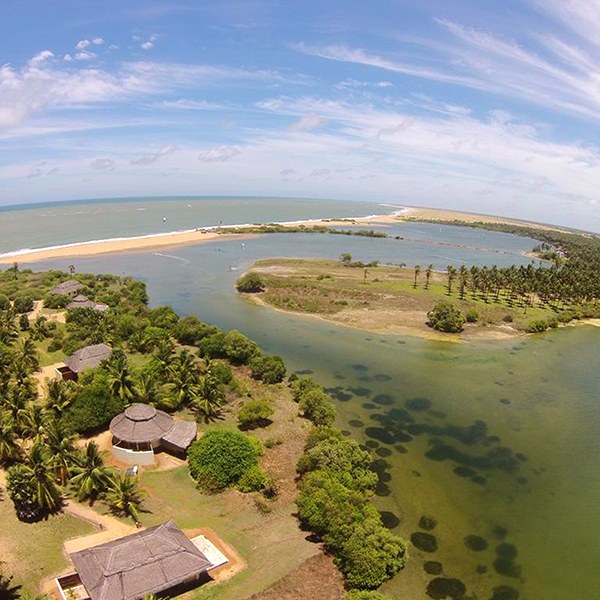
Sri Lanka's coastline is lined with shallow lagoons where rivers meet the sea. They are fringed with mangroves, dotted with small islands and full of life. A lagoon safari is a slow trip by motorboat, outrigger canoe or kayak through these waters. You may see wading birds, kingfishers and cormorants, water monitors basking on roots and, in some lagoons, mugger crocodiles. You'll also see how fishing communities still use stilt traps, cast nets and traditional boats.
Lagoon trips are calm, relaxing and easy to fit into a beach holiday. They are a good choice on a hot afternoon or for families with young children.
Which lagoons can you visit in Sri Lanka?
Negombo lagoon – closest to the airport Negombo lagoon is a short drive from Bandaranaike International Airport, which makes it ideal for your first or last day. Boat trips pass fishing villages, mangrove islands and the old Dutch canal. Early morning is a good time to see fishermen bringing in their catch. See Negombo.
Bentota river and estuary – best for crocodiles and monitors The Bentota river safari is one of the most popular on the west coast. Boats wind through mangrove tunnels where you can often see large water monitors, kingfishers, egrets and sometimes crocodiles. Some trips stop at a cinnamon garden or a small island temple. See Bentota.
Koggala lake – islands and cinnamon Koggala lake, east of Galle, is a large, calm lagoon with several small islands. Popular stops include an island where you can see how cinnamon is peeled and a small island temple. It's an easy half-day trip from Galle, Unawatuna or the south coast beaches. See Koggala.
Pottuvil lagoon – mangroves near Arugam Bay Near Arugam Bay on the east coast, Pottuvil lagoon is best explored by outrigger canoe. The trip is quiet and slow, through dense mangroves where you may see crocodiles, monkeys, waterbirds and, at times, elephants on the shore. It's a good break from surfing. See Arugam Bay.
Kalpitiya lagoon – kitesurfing and quiet water Kalpitiya lagoon, on the north-west coast, is wide and shallow, with flat water that makes it one of Asia's best kitesurfing spots. Boat trips here are often combined with dolphin watching in the open sea. See Kalpitiya and kitesurfing in Sri Lanka.
Other lagoons worth knowing
- Batticaloa lagoon: a long lagoon on the east coast, known for local legends about "singing fish".
- Kalametiya lagoon: a quiet bird sanctuary near Hambantota.
- Trincomalee area: natural harbours and lagoons on the north-east coast. See Trincomalee.
What wildlife can you see?
On most lagoon trips you can expect:
- Birds: kingfishers (including the stork-billed kingfisher), egrets, herons, cormorants, darters and brahminy kites. See bird watching in Sri Lanka.
- Reptiles: water monitors are very common. Mugger and saltwater crocodiles live in some lagoons and rivers.
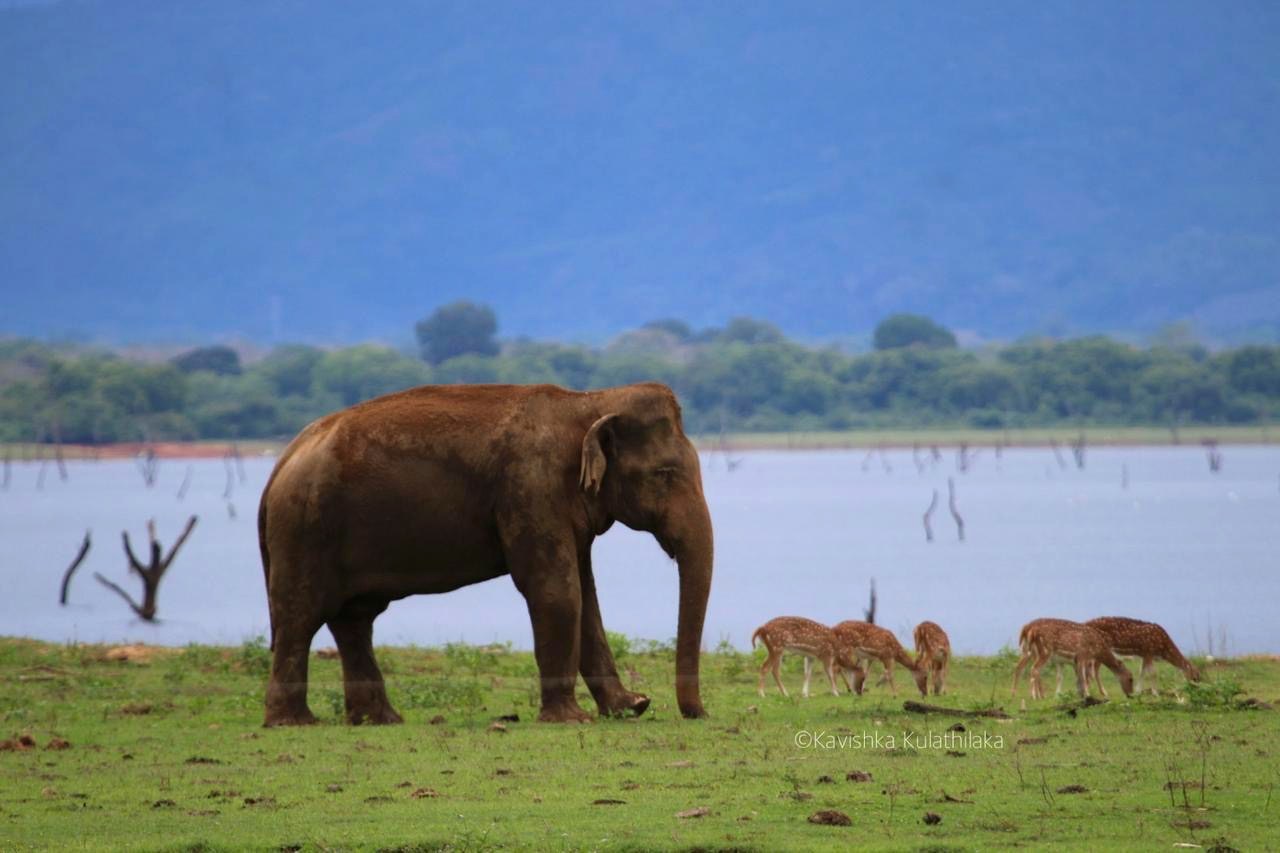
- Mammals: toque macaques and, in the east, sometimes elephants near the shore.
- Mangroves: several species of mangrove, which protect the coast and act as nurseries for fish and prawns.
Can you swim in Sri Lankan lagoons?
It's best not to. Some lagoons have crocodiles, and the water can be muddy with strong currents near the mouth. Enjoy the lagoon from a boat or kayak; if you want to swim elsewhere, check local beach conditions and safety advice first.
When is the best time for a lagoon safari?
Lagoons can be visited all year. For the best weather:
- West and south coast (Negombo, Bentota, Koggala): roughly November to April.
- East coast (Pottuvil, Batticaloa, Trincomalee): roughly May to September.
- Kalpitiya: windy months suit kitesurfing; calmer months suit boat trips and dolphins.
Early morning and late afternoon are the best times of day for birds and soft light.
Tips for a lagoon trip
- Bring a hat, sunscreen and water. There is little shade on the water.
- Ask for a slow boat or canoe. Quieter boats see more wildlife.
- Choose operators who don't feed animals or drive fast through mangroves.
- Binoculars help you spot birds and monitors on distant banks.
Plan a lagoon trip
Lagoon safaris fit easily into a beach stay. Our Sri Lanka beach holidays can include a boat trip at Bentota, Koggala or Negombo. Plan this with a local expert. For more nature experiences, go back to Nature in Sri Lanka.
Understanding what a lagoon actually is
Lagoons in Sri Lanka are shallow bodies of water separated from the sea by sandbars, barriers or narrow channels, and they often mix fresh and salt water. This blend creates a distinctive world of mangroves, reed beds, mudflats and small islands that behave differently from rivers or lakes. Water levels, salinity and tides change with the seasons, so a lagoon can feel quite different from one visit to the next.
The mix of water types supports an unusual variety of life. Mangroves shelter young fish and prawns, wading birds feed on exposed mud, and larger animals such as monitors and crocodiles rest along the banks. The lagoon edge is also a working landscape, where fishing communities have lived for generations and use methods adapted to shallow, changing water.
Knowing this helps you set expectations. A lagoon is not a wilderness reserve with guaranteed sightings, but a living, working place where nature and daily life overlap. Some lagoons are lined with villages and boats, while others are quiet and remote. Your experience depends on the one you choose, the time of day and the skill of your boatman. It also depends on your patience, because the most rewarding moments are often small and unhurried.
Boat types and what each one offers
The type of boat shapes your lagoon experience more than many visitors realise. Motorboats cover more distance and suit larger lagoons, but engine noise can disturb birds and reduce wildlife sightings. Outrigger canoes, often paddled or poled, are quieter and allow closer, calmer views, although they cover less ground and can feel unstable to nervous passengers.
Kayaks give independence and a closer connection to the water, and they suit active travellers who enjoy paddling. They require some fitness and balance, and you should be comfortable if the boat tips. Guided kayak trips are safer than renting alone, because guides know where crocodiles, shallows and currents are found and can turn back if weather changes.
Consider shade, seating and safety equipment. Boats with a canopy are more comfortable in sun, and life jackets should be available for everyone, including children. Ask how many people the boat carries and whether it feels crowded. A smaller group is quieter and more pleasant. If you are photographing, sit near the front or side, and keep movements slow so the boat stays steady. The best choice depends on whether you want comfort, quiet or adventure.
A sample west-coast route linking lagoons and estuaries
The west and south-west coast offers a convenient sequence of lagoon experiences that fit naturally into a beach holiday. A route might begin near the airport with a gentle introduction to fishing communities, then continue south to an estuary known for mangrove tunnels and monitors, and finish at a large, island-dotted lake near the southern coast.
Each stop gives a different flavour. The first emphasises daily life and fishing, with village scenes and quiet channels. The second is more about wildlife, with dense mangroves and reptiles along the banks. The third often has small islands with activities such as cinnamon peeling and temple visits, making it popular with families who enjoy variety.
Because these places are close to major beach areas, you can fit them in without long transfers. Choose one or two rather than all, to avoid repetition. Morning is usually best for wildlife and cooler temperatures, while late afternoon offers softer light. Check conditions and avoid periods of heavy rain, when water can be murky and boats may not operate. A flexible approach, with one free day, lets you choose the best weather for your outing.
East-coast and north-west lagoon experiences
The east and north-west offer a different style of lagoon travel, quieter and often more rural. Near the surf town on the east coast, the lagoon is typically explored by canoe among dense mangroves, with chances to see monkeys, birds, reptiles and occasionally larger animals near the shore. The mood is slow and natural, and it suits travellers who want a break from the beach.
Further north-west, wide shallow lagoons are known for steady winds and flat water, which attract kitesurfers during windy months. In calmer periods, boat trips can combine lagoon scenery with open-sea outings. The landscape is open, with sand, salt flats and small fishing communities, and facilities are often simpler than in more developed regions.
Seasonality matters more here, because the east and north-west follow different weather patterns from the south-west. Check conditions before travelling, and expect limited services in remote areas. Bring sun protection, water and cash, and allow extra time for travel. These lagoons reward flexibility and curiosity, and many visitors find them calmer and more atmospheric than busier west-coast options. Choose them if you value space and quiet over convenience.
What you may see and how to watch well
Wildlife on a lagoon trip is often subtle, and good watching comes from slowing down. Birds feed along edges, perch on dead branches and fly low over water. Kingfishers dart from perches, herons stand motionless, and cormorants dry their wings on posts. Look for movement along the mangrove roots, where crabs, mudskippers and monitors rest.
Ask your boatman to cut the engine in promising spots, and let the boat drift. Scan the shoreline slowly, and look for shapes that do not match their surroundings. Crocodiles often resemble logs, and monitors blend into roots. Binoculars make a big difference, and a hat helps with glare.
Be realistic about sightings. Some lagoons have more reptiles than others, and success depends on season, temperature and time of day. Warm, sunny mornings tend to bring reptiles onto banks, while hot afternoons may send animals into shade. Keep a respectful distance and never lean over the edge of the boat. If you enjoy photography, patience and a steady position matter more than a fast lens, and the best images usually come from quiet, unhurried observation.
Mangroves, fishing communities and ethical visiting
Mangroves are more than scenery. They protect shorelines from erosion, filter water, and provide nurseries for fish, which in turn support local livelihoods. Many lagoon communities rely on small-scale fishing and prawn catching, and the traditional methods you see are not performances but daily work.
Treat fishermen with respect. Ask before photographing people, keep boats from interfering with nets and traps, and avoid crowding working areas. If you stop to buy something, such as fresh seafood or crafts, pay a fair price and do not haggle excessively. Tipping boatmen and guides is appreciated when service is good.
Environmental care is equally important. Avoid leaving rubbish, do not break mangrove branches and keep noise low near nesting birds. Choose operators who follow sensible group sizes and avoid chasing wildlife. Be cautious about activities that involve feeding animals, because this changes behaviour and can make animals dependent or aggressive. Visiting thoughtfully ensures that lagoons remain healthy, and that the communities who live beside them see benefit in protecting the environment rather than exploiting it for short-term gain.
Safety, heat and swimming myths
Lagoons look calm, but they have their own risks. Heat and glare can be intense, especially in the middle of the day, so wear a hat, sunglasses and sunscreen, and carry plenty of water. Sudden showers can arrive quickly, so a light rain layer is useful. Boats can be slippery, and moving around while the boat is underway is unsafe.
Swimming in lagoons is generally unwise. Crocodiles live in some systems, water can be murky with hidden hazards and currents near the mouth may be strong. Even when locals swim, they know the conditions, and visitors do not. Choose a beach or hotel pool for swimming, and enjoy the lagoon from the boat or kayak.
Wear a life jacket, especially if you have children or are not a confident swimmer. Insects can be bothersome near mangroves, so repellent is helpful. If you have a medical condition, check that the boat is accessible and discuss it with the operator beforehand. Trust boatmen's judgement about weather and tides, and be willing to change plans. A safe, comfortable trip is also a more enjoyable one, and caution rarely spoils the experience.
Fitting lagoons into a wider itinerary
Lagoon trips are ideal for balancing busier days. They are slow, shaded and relatively undemanding, which makes them a good choice after a long journey or a demanding hike. Many travellers use a lagoon outing as a half-day break between more active experiences, or as a gentle first or last day near the airport.
Think about timing within the day. Early morning offers cool air, active wildlife and soft light, while late afternoon offers atmosphere and often calmer water. Midday is hot and glary, and usually less rewarding, so use it for a meal or rest. If you are photographing, plan around light, and if travelling with children, choose a time that avoids heat and tiredness.
Combine lagoons with other local interests. A cinnamon demonstration, a temple visit, a seafood meal or a short village walk can turn a boat trip into a half-day of cultural insight. Avoid overpacking, because lagoons are best enjoyed slowly. Ask your planner about alternatives if weather is poor, such as a museum or a market visit, so that a rainy day does not leave you with nothing to do.
Best places for this experience
Koggala, Sri Lanka
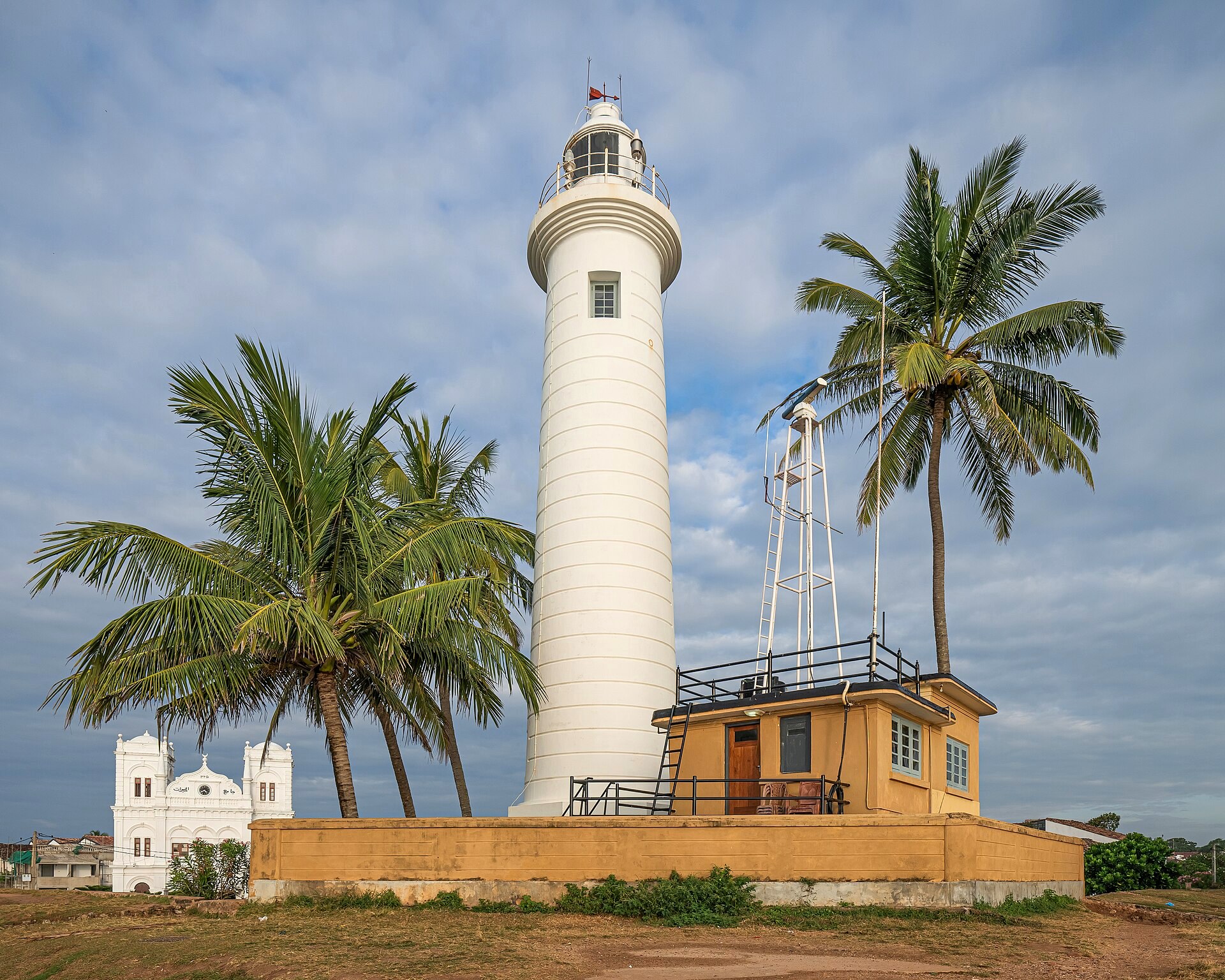
Visit Koggala on Sri Lanka's south coast: the famous stilt fishermen, Koggala Lake boat trips, the beach, nearby Ahangama and tips for a respectful visit.
Bentota
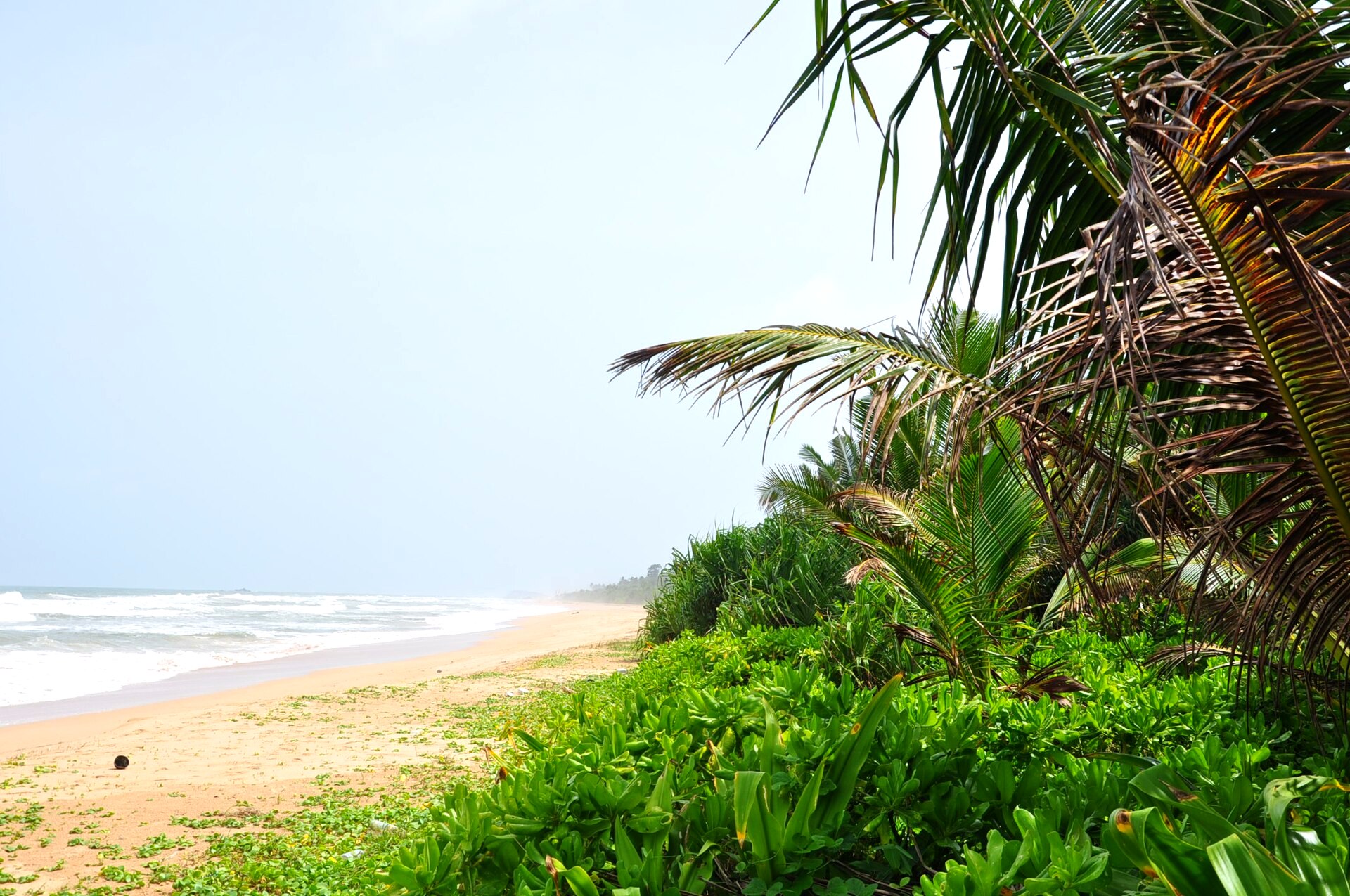
Visit Bentota, Sri Lanka: golden beaches, Madu River boat safari, turtle hatcheries, water sports, the best season, where to stay and private tours.
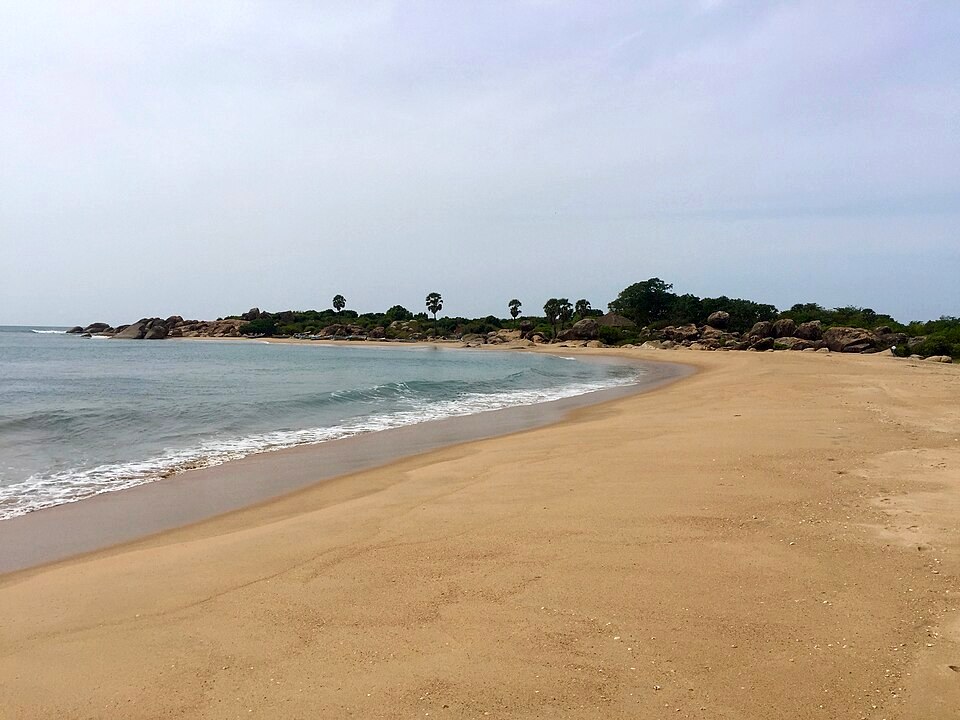
Arugam Bay
Plan your trip to Arugam Bay, Sri Lanka's surf capital: the surf season, best breaks for beginners, lagoon safaris, where to stay and how to get there.
Kalpitiya
Visit Kalpitiya on Sri Lanka's west coast: dolphin watching, kitesurfing season, the lagoon and islands, where to stay and how to combine it with Wilpattu.
Related experiences
Best Kitesurfing Places in Sri Lanka
The best place for kitesurfing in Sri Lanka is Kalpitiya, a peninsula on the north-west coast with a large, flat-water lagoon, offshore sandbanks and islands. The main wind season runs from about May to October, with a second, lighter season from about December to February. Kalpitiya has several kite schools, so it suits complete beginners as well as experienced riders. Mannar Island in the north is a quieter alternative.
Related tours
Sri Lanka Beach Holidays
Plan a Sri Lanka beach holiday matched to the season: south and west coasts in winter, the east coast in summer, with sightseeing along the way.
More Nature experiences
- Nature in Sri Lanka: Where to See Wildlife, Birds and Scenic Landscapes
- Sri Lanka Beaches
- Cultural Experiences in Sri Lanka
- Adventure Travel in Sri Lanka
- Best Bird Watching Sites in Sri Lanka
- The Elephant Gathering in Sri Lanka: Where and When to See It
- Best Nature Trails in Sri Lanka
- Most Beautiful and Scenic Places in Sri Lanka
Frequently asked questions
Which type of boat is best for seeing wildlife on a lagoon?
Quiet, slow craft such as paddled or poled outrigger canoes usually give the best wildlife viewing, because engine noise is minimal and boats can drift close to banks. Motorboats cover more ground and are fine for scenery. Ask the boatman to cut the engine in promising areas and move slowly.
Are lagoon trips safe for young children and older relatives?
Generally yes, if you choose a stable boat with shade, seats and life jackets for everyone. Avoid crowded or overloaded boats, and keep children seated. Heat and glare can tire people, so carry water and hats. Tell the operator about mobility needs so they can help with boarding.
What is the best time of day for a lagoon outing?
Early morning is usually best, with cooler air, active birds and softer light. Late afternoon can also be pleasant and atmospheric. Midday is hot and glary, and reptiles often retreat into shade. Plan around local weather, and allow flexibility in case showers or wind change conditions.
Will I definitely see crocodiles on a lagoon safari?
No. Some lagoons have crocodiles and others have few, and sightings depend on season, temperature and luck. Monitor lizards and birds are far more common. Treat crocodiles as a bonus, ask your boatman about recent sightings, and enjoy the wider scenery and community life instead of expecting a particular animal.
Is it acceptable to take photographs of fishermen?
Always ask before photographing people, especially while they work. Many are happy to be photographed, and some may appreciate a small tip or purchase. Avoid blocking nets or traps, and do not treat their work as a performance. Respectful behaviour often leads to friendlier encounters and better photographs.
Can I kayak independently on a lagoon?
It is possible in some places, but a guided trip is safer. Guides know where crocodiles, shallows, tides and currents are, and can respond if weather changes. If you paddle alone, wear a life jacket, check conditions locally and avoid remote stretches, murky water and the lagoon mouth.
How do seasons affect lagoon visits on different coasts?
The west and south-west tend to be calmer in the drier early months of the year, while the east is generally better in the middle of the year. The north-west depends on wind patterns. Because weather varies, check current conditions locally and keep a flexible day in case boats do not run.
What should I wear and bring on a lagoon boat trip?
Wear light, breathable clothing with sun protection, a hat and sunglasses. Carry water, sunscreen, insect repellent and a light rain layer. Bring binoculars if you have them, and keep valuables in a small waterproof bag. Choose shoes that grip wet surfaces, and avoid loose items that could fall overboard.
Are lagoon trips good for photography?
Yes, particularly for birds, reflections and fishing scenes. Calm early light is best, and a modest zoom helps. Sit steadily, avoid sudden movements and protect equipment from splashes and humidity. Do not lean out or chase wildlife, and remember that quiet patience usually produces better pictures than speed.
How can I make a lagoon visit beneficial to local communities?
Choose local boatmen and small operators, pay fair prices and tip for good service. Buy seafood or crafts directly from local sellers and ask permission before photographing people. Avoid damaging mangroves or leaving rubbish, and select trips that respect group sizes and wildlife. These choices keep benefits within the community.
From inspiration to your itinerary
Make these experiences part of your trip
Explore our matching private journeys. Tell us your dates and group size for a personalised route, availability and written quote.