Kalpitiya
Visit Kalpitiya on Sri Lanka's west coast: dolphin watching, kitesurfing season, the lagoon and islands, where to stay and how to combine it with Wilpattu.

Beach & Ocean
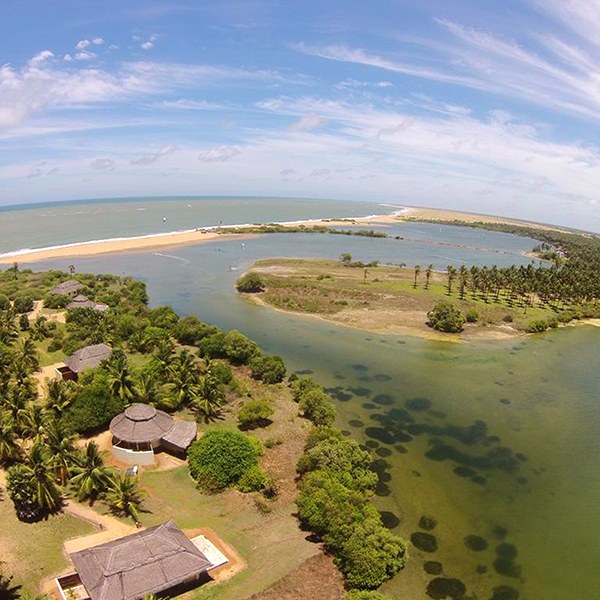
The best place for kitesurfing in Sri Lanka is Kalpitiya, a peninsula on the north-west coast with a large, flat-water lagoon, offshore sandbanks and islands. The main wind season runs from about May to October, with a second, lighter season from about December to February. Kalpitiya has several kite schools, so it suits complete beginners as well as experienced riders. Mannar Island in the north is a quieter alternative.
Sri Lanka's two monsoons bring strong, steady winds to the north-west coast for much of the year. Kalpitiya sits in a perfect position to catch them. Its wide, shallow lagoon gives flat, warm water that's ideal for learning and for freestyle, while the open sea nearby offers waves for more experienced riders.
Kalpitiya is also far quieter than many famous kite destinations. You'll share the water with fewer people, stay in small eco-lodges and kite camps, and can combine kiting with dolphin watching and safaris.
Kalpitiya lagoon – best for beginners and flat water The main lagoon is large, shallow and protected from waves. Most kite schools teach here, as you can stand in the water for much of the lesson. Experienced riders use it for freestyle and speed. See Kalpitiya.
Vella Island and the outer lagoon – best for downwinders and freeriding Boat trips take riders to Vella Island and other spots in the outer lagoon, with flat water, sandbanks and fewer people. Many schools offer downwinder trips along the coast.
The ocean side – best for waves On the ocean side of the peninsula, wave riders will find surf to kite in when conditions are right. This is for intermediate and advanced riders only.
Mannar Island – the quiet alternative Further north, Mannar Island has shallow lagoons and steady winds with very few kiters. Facilities are limited, so it's best for independent, experienced riders.
Wind strength varies year to year, so check with a local school before you book.
Yes. Kalpitiya is one of the best places in Asia to learn. Flat-water areas can help with learning, but shallow water still presents hazards; follow your instructor's advice on conditions, protective equipment and clothing. A typical beginner course runs over several days and covers safety, kite control, body dragging and first rides on the board. Look for a school with internationally certified instructors, radio helmets and a rescue boat.
You don't need to bring your own gear. Schools in Kalpitiya rent kites, boards and harnesses. If you bring your own, kites in a range of sizes are useful for the changing winds between seasons. Bring a rash guard, reef shoes for some spots and strong sunscreen.
Most riders stay in kite camps and eco-lodges along the Kalpitiya lagoon, within walking distance of the water. Many offer packages that include accommodation, meals, lessons or equipment hire. Book early for July and August, the busiest months.
Kalpitiya is on the north-west coast, roughly 3 to 4 hours' drive north of Colombo airport depending on traffic. It's easiest with a private driver, who can also take you on to Wilpattu, Anuradhapura or the Cultural Triangle.
Kitesurfing combines well with surfing on the east coast during the same season. See surfing in Sri Lanka and our adventure tour. Plan this with a local expert. For more ocean experiences, go back to Beach & Ocean.
The first decision is what kind of water you want under your board. The inner Kalpitiya lagoon is shallow and sheltered, so it suits first lessons, progression to riding upwind and practising transitions without worrying about swell. The outer lagoon and sandbank areas give more room, but they usually mean a boat ride or a longer walk, and a rescue plan matters more because you can end up further from the shore. The ocean side adds waves and stronger exposure, and it suits riders who already relaunch and self-rescue confidently.
Be honest with a school about which of these three you are. Many riders overrate themselves after a week in a different place, and wind in a new spot can feel different even when the forecast number looks familiar. A good school will ask what kite size you normally ride, how you handle gusts, whether you can ride upwind consistently and whether you have ever needed a rescue. Their questions are a sign of care, not an interrogation.
If you are between levels, choose a location that lets you step up gradually. Spend the first sessions in the lagoon, then ask whether conditions allow a supervised trip to a more open area. Treat that as a reward for demonstrated control, not as something that is owed because the booking was made in advance.
Kitesurfing is learned in layers, and the order matters. A thorough course begins on land with wind direction, the edge of the wind window, launch and landing signals, and the quick release system. Only after that should you move to a small training kite, then to body dragging in the water, then to water starts. Skipping the unglamorous early steps is the most common reason that lessons feel slow later. Ask any school to describe their sequence in plain words and to explain when they judge you ready to move on.
Because wind strength can change from one day to the next, a fixed number of lessons rarely tells the whole story. Some people stand up quickly, others spend more time on kite control and body dragging, and that is entirely normal. Ask whether the school sells hours of instruction or a fixed package, what happens if wind is too light or too strong, and whether unused time can be rescheduled within your stay.
Plan your stay with slack. If kitesurfing is the main reason for the trip, keep a few flexible days rather than stacking every night with transfers and safaris. Fatigue is also a real factor. Forearms, core and shoulders tire quickly in the first days, and tired riders make poor decisions. Alternating a lesson day with a lighter day is often kinder to your body.
Start with the instructor. Ask which recognised kiteboarding organisation certifies them, whether the certificate is current, and how many students each instructor handles at once. Learning in a very large group means less feedback and less time with the kite in your hands. Ask whether lessons use radio helmets so the instructor can speak to you on the water, and whether instruction is given in a language you fully understand.
Then ask about rescue. Where is the rescue boat or jet ski, who operates it, and how are riders recovered when wind drops or a line problem happens? Ask what the school does if a rider drifts downwind, how the area is marked, and where the no-go zones are. Also ask when the school retires its gear and who inspects lines, bridles and bladders. Visible wear on lines or patched kites deserves a polite question.
Finally, ask practical questions. What is included in the price, is insurance or a damage deposit required, are harnesses available in your size, and what is the cancellation policy for poor wind? A transparent school will answer calmly. Hesitation or pressure to buy a long package on the first day is worth noticing. You are entitled to compare a few schools before committing.
Warm water simplifies kit, but it does not remove the need for protection. A long-sleeved rash guard, a hat that stays on, sun protection for lips and ears, and polarised sunglasses with a retainer are far more useful than extra layers. Because reflected sun is strong on open water, many riders use lightweight lycra leggings too. Reef shoes or booties help on rocky or sharp entries, and the bottom can include shells and debris in some places.
If you rent, check the harness fit before you leave the beach. A badly fitted harness can bruise ribs or ride up under your arms and spoil the day. Seat harnesses and waist harnesses suit different bodies and habits, so try both if the school has them. Ask for an impact vest or helmet if you are learning or riding waves, and for a leash setup that the instructor has shown you how to use.
If you bring your own kit, think about range rather than quantity. The wind in different months and at different times of day can ask for different sizes, and a quiver that suits one fixed spot may not suit another. Check airline baggage rules for kite equipment well before travel and ask the school whether you can store kit on site between sessions.
The lagoon is a working place. Fishermen set nets, boats come and go, and local people use the shoreline. A responsible kiter treats those users as the priority and leaves generous clearance. Ask the school to show you where nets and moorings are usually found and how the area changes with the tide, since shallow water can become very shallow, and deeper channels can shift the best place to launch.
Wind is not constant through the day. On many kite coasts, the wind builds and fades in a pattern, and a good local instructor will explain that pattern in plain terms. Learn to look for gusts, dark water, flags and the behaviour of other kites. If a squall line or a sudden direction change appears, the safe choice is to land and wait, even if it means losing a session.
Treat forecasts as a guide rather than a promise. Apps differ, local effects are strong, and the wind at the water may not match the headline number. The best habit is to ask the school every morning what they expect and why, then make your own decision about whether to ride. Nobody should pressure you to launch.
A balanced stay might begin with a rest day after the long drive, followed by a short chat with the instructor about your goals and experience. Early sessions would stay close to land, then move into the water as the instructor sees your control improve. Later days can include a longer session in the lagoon, perhaps a boat trip to an outer area for experienced riders, and a day off the water to recover and review what you have learned.
Keep non-kite activities flexible. A dolphin trip, a lagoon visit or a safari in Wilpattu works well on a day with unreliable wind, as long as you leave time to rest. Avoid booking a major excursion straight after a hard riding day, because sunburn and fatigue add up.
On your final days, consider booking one confidence session rather than chasing new tricks. A calm session in manageable conditions, with the instructor watching, is a better way to consolidate what you have learned. Keep a spare day before an international flight so that a windless or windy day does not push you into a rushed journey.
Not everyone in a group wants to kite, and Kalpitiya works because there is plenty to do around the sport. Non-kiters can watch from the shore, read, walk the beach, arrange a lagoon boat trip, or join a seasonal dolphin outing in a responsible boat. A quieter option is a day of birdwatching and mangrove exploration, which is better for people who like slow mornings.
If you are unsure about kitesurfing itself, consider trying another water sport first. Standup paddling in calm conditions or a surf lesson on the east or south coast gives a feel for balance and wave reading without the added complexity of a controllable kite. Those experiences do not replace kite instruction, but they help you judge whether you enjoy time on the water.
If wind plans fail, there are sensible fallbacks. A rest day, a cultural day trip, or a move to another coast can salvage a holiday. Talk to your tour planner about building in such options before departure, so that the trip does not depend entirely on one weather pattern.
Kite camps and lodges vary in comfort, so decide what matters most. Some riders want a social base with shared meals and a launch site beside the room. Others value quiet, shade and a short walk. Ask about drinking water, shade, power supply, mosquito protection, and where you can rinse and dry gear. Remote locations can mean fewer choices for food and medical care, so carry any personal medicines and a basic first aid kit.
Insurance deserves a careful read. Many policies exclude or limit adventure sports, or require specific wording. Check that kitesurfing is covered, whether lessons are covered, and whether rescue and evacuation are included. Keep the policy number and emergency contact to hand, and tell your instructor about any injuries or conditions.
Finally, ride lightly. Avoid launching near nesting birds, carry out all rubbish, keep lines and broken kite parts out of the water, and respect fishing areas. A kite trip works best when the community sees visitors as considerate neighbours. Ask your school how they handle lost gear, damaged lines and shared space, and follow their lead.
Visit Kalpitiya on Sri Lanka's west coast: dolphin watching, kitesurfing season, the lagoon and islands, where to stay and how to combine it with Wilpattu.
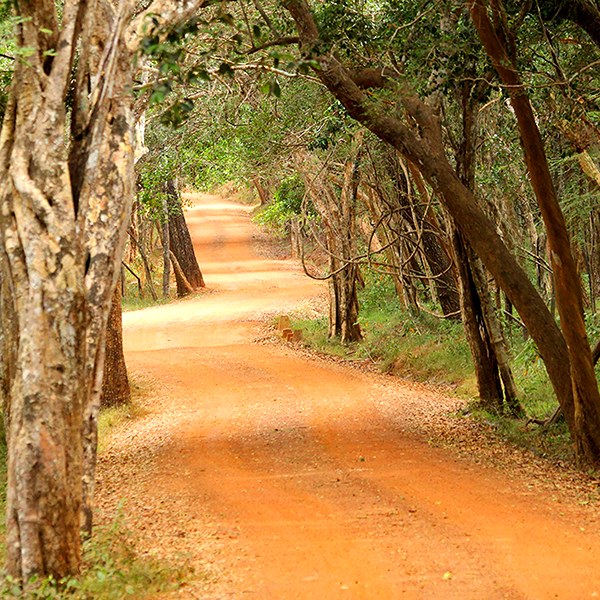
Visit Wilpattu National Park, Sri Lanka's largest park: leopards, sloth bears and natural lakes, quieter safaris, the best time to go and private tours.
Swimming with wild dolphins is not a regular or responsible activity in Sri Lanka, but dolphin watching from a boat is excellent. Kalpitiya, on the north-west coast, is famous for very large pods of spinner dolphins, sometimes hundreds together, roughly from November to April. You can also see dolphins on whale-watching trips from Mirissa (about November to April) and Trincomalee (about May to September).
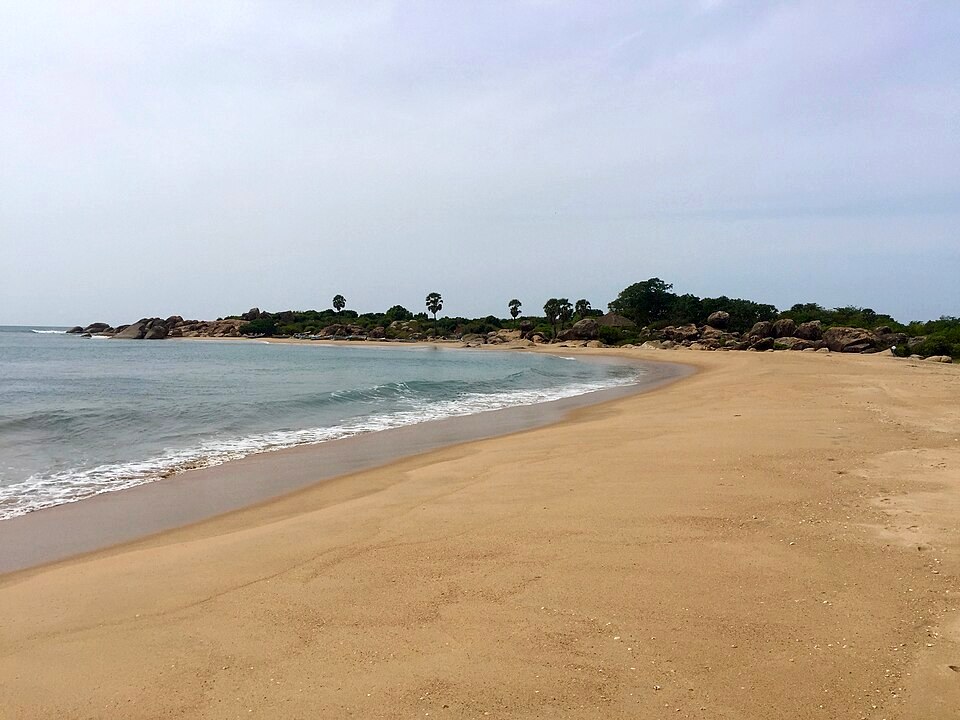
Where and when to surf in Sri Lanka: Weligama and Hikkaduwa on the south-west, Arugam Bay on the east, with tips for beginners and lessons.
The best lagoons to visit in Sri Lanka are Negombo near the airport, the Bentota river estuary, Koggala lake near Galle, Pottuvil lagoon near Arugam Bay and the Kalpitiya lagoon on the north-west coast. A lagoon boat safari takes you through mangrove channels to see birds, monitor lizards, crocodiles and traditional fishing. Most trips take one to three hours and suit all ages.
An active Sri Lanka itinerary with hikes, white-water rafting, a sunrise climb of Adam's Peak and surf lessons, planned privately around your fitness.
If you are a beginner, or new to the area, choose a school. They know the wind patterns, hazards, fishing areas and rescue routes, and they supply suitable equipment. Independent riding suits only experienced riders who can self-rescue, read changing conditions and ride with a partner. Ask a local school for a conditions briefing even if you plan to ride alone.
It should start with land-based safety, wind direction, the wind window, launching and landing signals, and quick release use. It should then progress to kite control, body dragging and board starts at a pace that suits you. Ask to review your day afterwards. A school that skips the safety briefing or rushes you into deeper water deserves caution.
You should be comfortable in water, because you will fall, drag and sometimes recover equipment while swimming. Tell the instructor honestly about your swimming ability and any medical conditions. Ask about flotation and impact protection. A shallow lagoon can reduce stress, but it does not replace swimming confidence, supervision or a clear rescue plan.
For most travellers, rental is simpler, especially for learners, because the school can match kite size, board and harness to local wind. Bringing your own makes sense if you are experienced and have kit you trust. Check airline baggage rules, repair options and whether the school will allow your equipment on its rescue and storage arrangements.
A responsible school should cancel or change the plan rather than send you out in unsuitable wind. Before paying, ask how weather cancellations are handled, whether lessons can be rescheduled during your stay, and what refund or credit applies. Build in spare days, because wind varies by year, month and even hour.
Some schools may accept younger riders, but suitability depends on the child's size, strength, maturity, swimming ability and the instructor's judgement. Ask the school for its policy and whether it uses smaller kites and close supervision. Do not assume age alone decides. A cautious start with land-based kite handling is often more sensible than rushing to the water.
Wear a long-sleeved rash guard, shorts or leggings, a securely fitting hat or cap when not riding, polarised sunglasses with a strap and strong sun protection. Reef shoes can help on rough entries. Carry drinking water, a towel and a dry bag for valuables. Follow the school's advice on helmets and impact vests.
They fit well if you schedule them as separate days. A boat trip or safari can use a low-wind day, but avoid doing a long excursion straight after a tiring session. Keep timings flexible, ask the operators about conditions, and remember that wildlife sightings are never guaranteed and wind can change plans.
Common hazards include fishing nets, boats, shallow areas that change with tide, sudden gusts, drifting downwind and crowded launch areas. Ask your instructor to point out the local hazards and no-go zones before you ride. Never ride in unfamiliar areas alone, and land if conditions change or you feel tired or uncertain.
It can suit experienced, self-sufficient riders who want quiet water and fewer people. Facilities, rescue cover, instruction and rental choice may be more limited than in Kalpitiya, so research it carefully, travel with a partner and ask local operators about current conditions. Beginners are generally better served by a school with established support.
From inspiration to your itinerary
Explore our matching private journeys. Tell us your dates and group size for a personalised route, availability and written quote.
Private journey
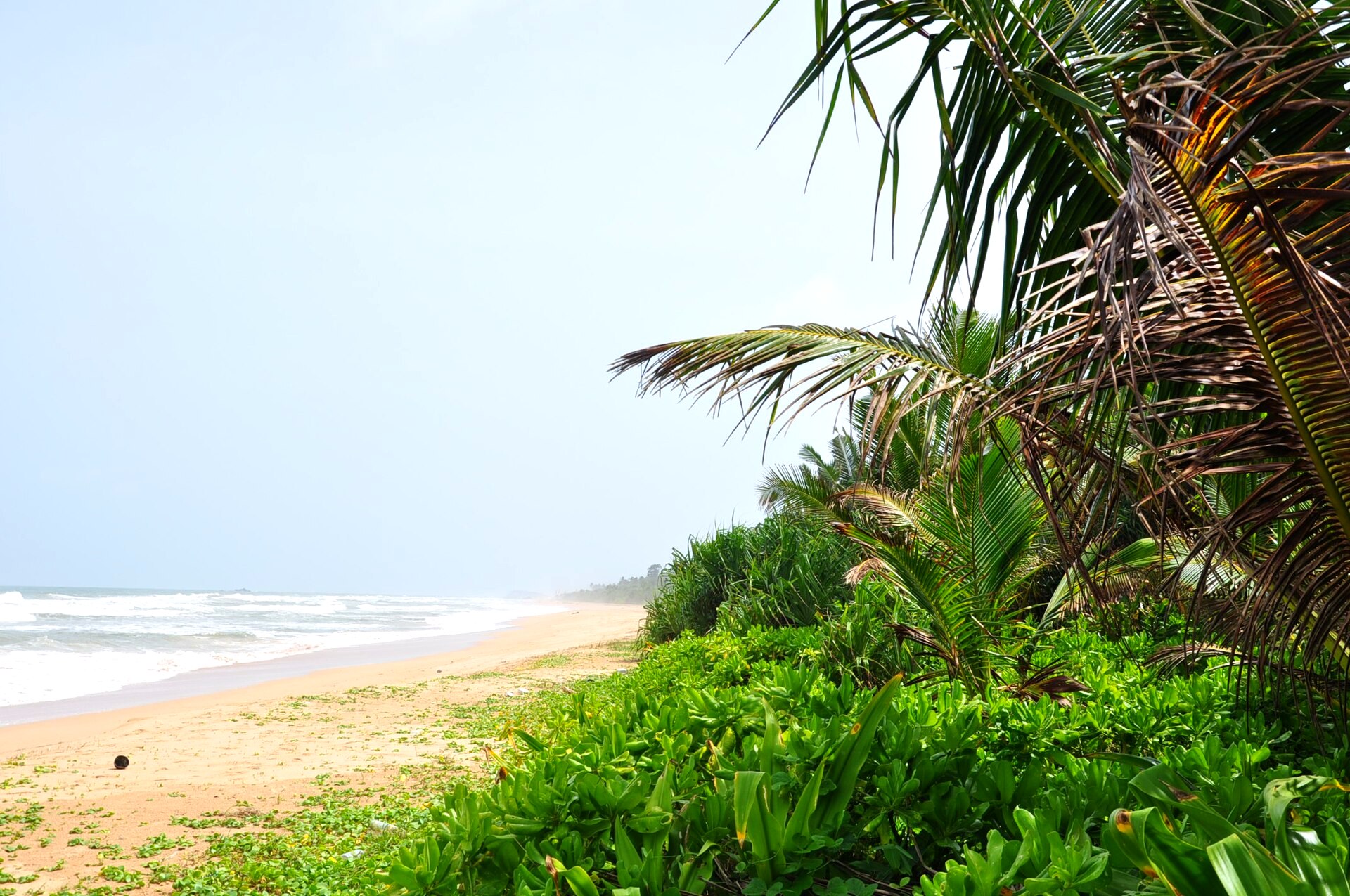
Choose your coast and combine beach time with island sightseeing.
Explore package
Private journey
Combine eastern coastal stops with the island’s northern heritage.
Explore package