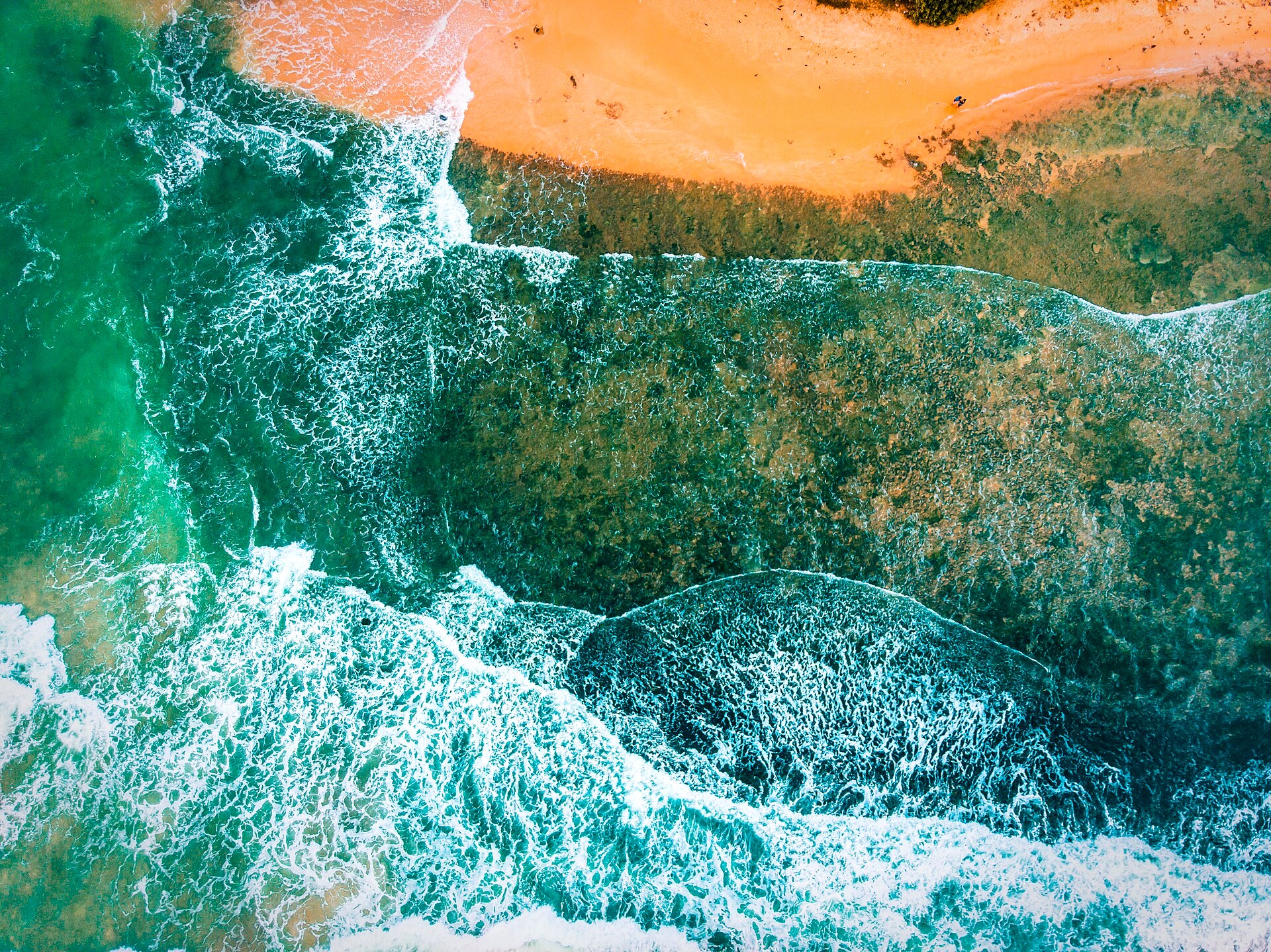
Hikkaduwa
Plan your trip to Hikkaduwa, Sri Lanka: coral reef snorkelling, sea turtles, surf, nightlife, the best season, where to stay and south coast tours.

Beach & Ocean
The best scuba diving in Sri Lanka is off Hikkaduwa and Unawatuna on the south-west coast from about November to April, and off Trincomalee, Nilaveli and Pigeon Island on the east coast from about May to September. Divers can explore coral reefs, rocky pinnacles and some of the Indian Ocean's most interesting shipwrecks. PADI and SSI courses for beginners are widely available.
Sri Lanka is not yet as famous for diving as the Maldives, which means quieter dive sites and good value. The island sits on centuries-old shipping routes, so it has a wealth of shipwrecks, from colonial-era merchant ships to Second World War vessels. Its reefs and rocky outcrops support turtles, reef sharks, rays, moray eels and large schools of fish.
Because the two coasts have opposite seasons, you can dive somewhere in Sri Lanka for much of the year.
Hikkaduwa – best for beginners and variety Hikkaduwa is Sri Lanka's best-known dive centre. There are reefs, rock formations and several wrecks within a short boat ride, plus plenty of dive schools. It's a good base for first-time divers and courses. See Hikkaduwa.
Unawatuna and Galle – reefs and wrecks The sheltered bay at Unawatuna gives easy shore and boat dives, and nearby sites around Galle include rocky reefs and historic wrecks. See Unawatuna.
Weligama and Mirissa – south coast reefs The south coast around Weligama has reef and rock dives, with chances of turtles and rays. See Weligama.
Trincomalee and Nilaveli – best for the east coast season Trincomalee has one of the world's largest natural harbours and deep water close to shore. Dive sites include rocky reefs, coral gardens and wrecks. Pigeon Island National Park off Nilaveli has some of Sri Lanka's best-preserved coral and black-tip reef sharks, although it is better known for snorkeling. See Trincomalee and Nilaveli.
Pasikuda and Batticaloa – wrecks and calm water The east coast near Pasikuda has calm, clear water in season. Offshore from Batticaloa lies the wreck of HMS Hermes, a famous deep technical dive. See Pasikuda.
Kalpitiya – Bar Reef The Bar Reef Marine Sanctuary off Kalpitiya is one of Sri Lanka's largest reef systems. Diving here is seasonal and depends on sea conditions. See Kalpitiya.
Outside these windows, seas can be rough and many dive centres close. See our best time to visit Sri Lanka guide for the weather by month.
Common sightings include sea turtles, moray eels, lionfish, batfish, parrotfish, snapper, trevally and reef sharks. Lucky divers may see eagle rays or, on deeper sites, larger pelagic fish. For more on the reefs themselves, see coral reefs in Sri Lanka.
Yes. It's one of Sri Lanka's biggest strengths. Wrecks range from easy, shallow sites suitable for new divers to deep technical dives. Read our full guide to shipwreck diving in Sri Lanka.
Yes. Dive centres in Hikkaduwa, Unawatuna, Weligama and Trincomalee offer try-dives and full beginner courses such as PADI Open Water. When sea conditions are suitable, the water is often warm; conditions and comfort vary by site and date. Learn with a qualified instructor and follow their safety guidance. Already certified divers can take advanced, wreck and deep-diving courses.
If you're not ready to dive, many of the same reefs can be explored with a mask and snorkel. See snorkeling in Sri Lanka.
Diving combines easily with a beach holiday. Our Sri Lanka beach holidays can include dives on the right coast for your dates. Plan this with a local expert. For more ocean experiences, go back to Beach & Ocean.
The best Sri Lankan dive base depends less on a headline site and more on how you want to dive. The south-west coast around Hikkaduwa and Unawatuna offers a concentrated choice of dive centres, short boat rides and a mix of reefs and wrecks, which suits people who want to take a course, try several operators or build experience gradually. The east coast around Trincomalee and Nilaveli suits divers who prefer a quieter feel and want to align a trip with the opposite season.
Beginners usually benefit from a place with many instructors and shallow sites, because supervision and choice are both useful. Experienced divers may care more about whether a centre offers small groups, flexible profiles, suitable cylinders and guides who know local currents. Each coast has strong points, and neither is automatically better. Ask about your own certification level and recent diving history before choosing.
If you are combining diving with a wider tour, consider the transfer burden. A long drive before a dive day can be tiring, and fatigue is a safety factor. Put the dive stay in one place rather than switching bases every night, and allow time to adjust to heat, humidity and the rhythm of boat days.
Scuba diving carries risks, and appropriate training, health, equipment and conditions all matter. If you are new, ask a reputable dive centre to explain the limits and requirements of a supervised introductory dive versus an entry-level certification course. If certified, stay within your training and experience, follow the dive plan, and ask about local conditions. Consider a refresher if you have not dived recently.
Medical fitness is a topic for a qualified professional, not for travel guesses. Dive operators normally ask you to complete a medical questionnaire, and a yes to certain questions usually means seeing a doctor who understands diving medicine. Do this before you travel, so that a delay does not spoil the trip. Be honest about medicines, asthma, ear problems, heart conditions and recent illness.
Ask your instructor or recognised training agency about flight timing after diving and about how many days to dive before a long journey. Do not rely on a rule you heard on a forum. Plan your last dive and your departure with margin, and confirm the guidance with the centre before booking onward flights.
A good dive centre makes safety visible. Look for a clear briefing, a documented check of your certification, a sensible buddy and guide system, and equipment that is organised and serviced. Ask how often regulators, cylinders and compressors are inspected, who is responsible for the checks and whether the centre is affiliated with a recognised agency. A tidy boat and a calm boat captain tell you something too.
Ask about group size and the guide-to-diver ratio. A smaller group generally gives each diver more attention, particularly on a site with current or limited visibility. Ask whether the centre dives to a plan that suits the least experienced person on the boat, and whether they will cancel or change a site if conditions turn poor. A willingness to say no is a good sign.
Emergency preparedness matters too. Ask what oxygen and first aid equipment are carried, how the boat communicates with shore, and what the plan is for a medical event. These questions can feel awkward, but a professional operator will answer them without defensiveness. If you cannot get clear answers, consider another centre.
Reef dives are the gentlest introduction. They usually give colour, small marine life and a chance to practise buoyancy, and they suit most levels when conditions are right. Rocky outcrops and pinnacles can concentrate fish and invertebrates, but they may be more exposed to current and surge. Wrecks add structure and history, and they can be rewarding even at moderate depth, but they demand better buoyancy and respect for hazards.
Think about what you want to see. Macro enthusiasts will value patient guides who find small creatures. Photographers should ask about group size, because crowds make careful photography difficult. Anyone dreaming of large animals should remember that sightings are never guaranteed and depend on season, site and luck.
Different coasts also feel different. Some sites are enclosed and calmer, while others are more open, with swell and variable visibility. A dive that is relaxing on a calm morning can be demanding when the sea turns. Treat the operator's assessment as part of your plan, and be willing to dive a lesser site if that is the responsible choice.
Rental equipment makes travel simpler, but fit and condition vary. If you rent, try the wetsuit, buoyancy device and fins before the boat leaves and ask the staff to adjust anything that is loose or uncomfortable. Make sure the regulator is checked and that the gauge and alternate air source are working. Do not be shy about asking for a different size.
Many divers bring a personal mask, snorkel, dive computer and perhaps a thin exposure suit. A mask that fits your face is the single most useful personal item, and a computer you know how to use is better than a rented one you have never seen. Pack a surface marker device only if you have been trained to use it and the centre supports its use.
Consider sun, heat and motion sickness as equipment issues too. A hat, long-sleeved top, water bottle and any seasickness measures you have discussed with a pharmacist can make a boat day far easier. Keep a dry bag for valuables, and rinse your gear thoroughly after use. Ask the centre about lost or damaged rental gear policies.
Sea conditions dictate diving in Sri Lanka more than most visitors expect. Wind, swell and visibility can change from one day to the next, even inside a season, and an operator may change sites, delay a trip or cancel. Treat this as part of safe diving, not as bad service. Your own plan should therefore include spare days and an understanding of how deposits and course schedules work.
Do not stack your itinerary so tightly that a lost day creates pressure. A traveller who must make a flight, a train or a safari booking may be tempted to dive in marginal conditions. Choose a schedule that leaves margin around the dives and around your departure. Ask about flight timing with your instructor before you finalise return plans.
If a day is lost, have alternatives ready. A rest day, a cultural excursion, a snorkel on a calmer reef or a coastal walk can all make good use of the time. For course students, ask whether pool or classroom work can be moved and how remaining sessions will be rescheduled.
A well-paced stay begins with arrival, hydration and a conversation with the dive centre. If you are certified, expect paperwork, a check of your logbook or experience, and possibly an easy first dive to settle gear and buoyancy. If you are learning, expect classroom or confined-water sessions before open-water dives, all at the pace your instructor sets.
Middle days can build gradually. A relaxed reef dive may be followed by a rest period and then a wreck or a more demanding site if you and the guide agree it is appropriate. Keep an eye on fatigue, hydration, ear comfort and general wellbeing, and tell the guide if you feel off. Skipping a dive is a perfectly reasonable decision.
Final days should be calm. Avoid a rushed schedule, give yourself margin before flying, and keep your last day free for packing, washing gear and reflecting. Many divers use that day for a land excursion such as a fort walk or a lagoon trip. Confirm your flight and dive timing with the instructor or recognised agency.
If your travel companions do not dive, they can still enjoy the same coast. Snorkelling, glass-bottom boat trips, beach days, reef-friendly sunset walks and cultural visits all fit. A non-diver may also enjoy watching the boat prepare and hearing about the dive afterwards. Make sure everyone understands the boat schedule, so that nobody is left waiting without shade or water.
If you are uncertain about diving, begin with snorkelling or a discovery experience before committing to a course. Treat it as an honest test of whether you like breathing underwater and feel calm at depth. Nobody should feel pressured, and a good instructor will respect your decision to stop.
Responsible habits protect what you came to see. Keep your fins off the bottom, do not touch coral or animals, do not take souvenirs, and avoid chasing turtles or sharks. Good buoyancy is conservation. Choose centres that brief you on reef etiquette and that follow protected-area rules, and report any observed damage or illegal fishing politely to the operator.
Plan your trip to Hikkaduwa, Sri Lanka: coral reef snorkelling, sea turtles, surf, nightlife, the best season, where to stay and south coast tours.
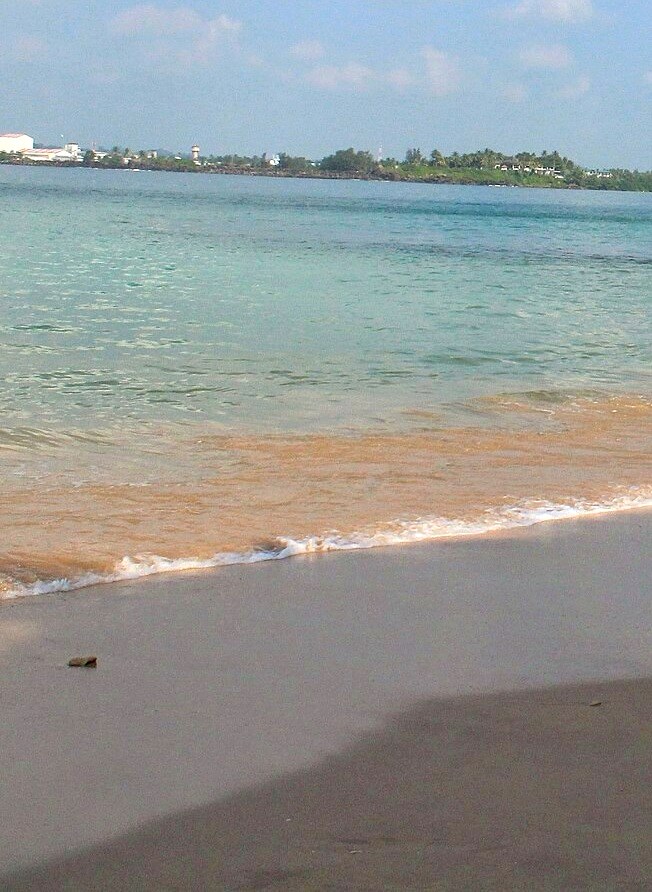
Plan your stay at Unawatuna Beach, Sri Lanka: the bay, Jungle Beach, snorkelling, the Japanese Peace Pagoda, the best season and south coast tours.
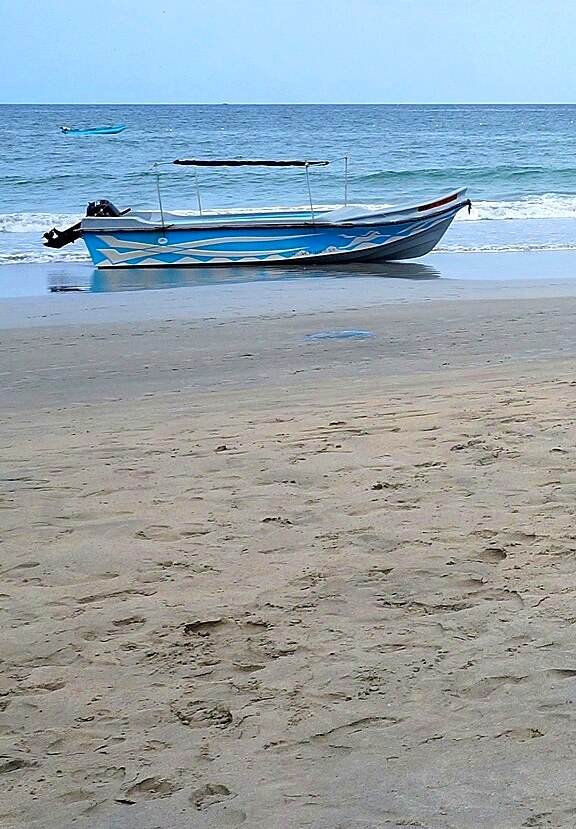
Plan your trip to Trincomalee, Sri Lanka: Nilaveli and Marble beaches, Koneswaram Temple, Pigeon Island, the best season and private east coast tours.
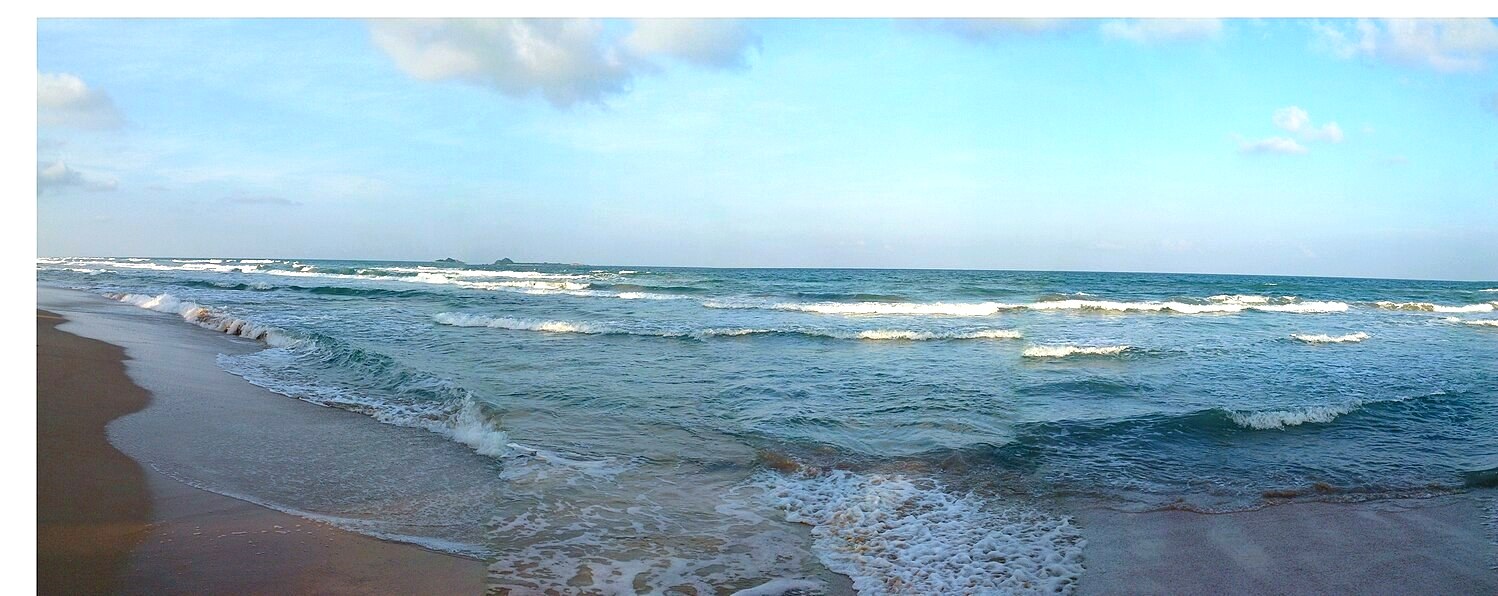
Visit Nilaveli Beach near Trincomalee: calm water, snorkelling at Pigeon Island, the best months to go, where to stay and private east coast tours.
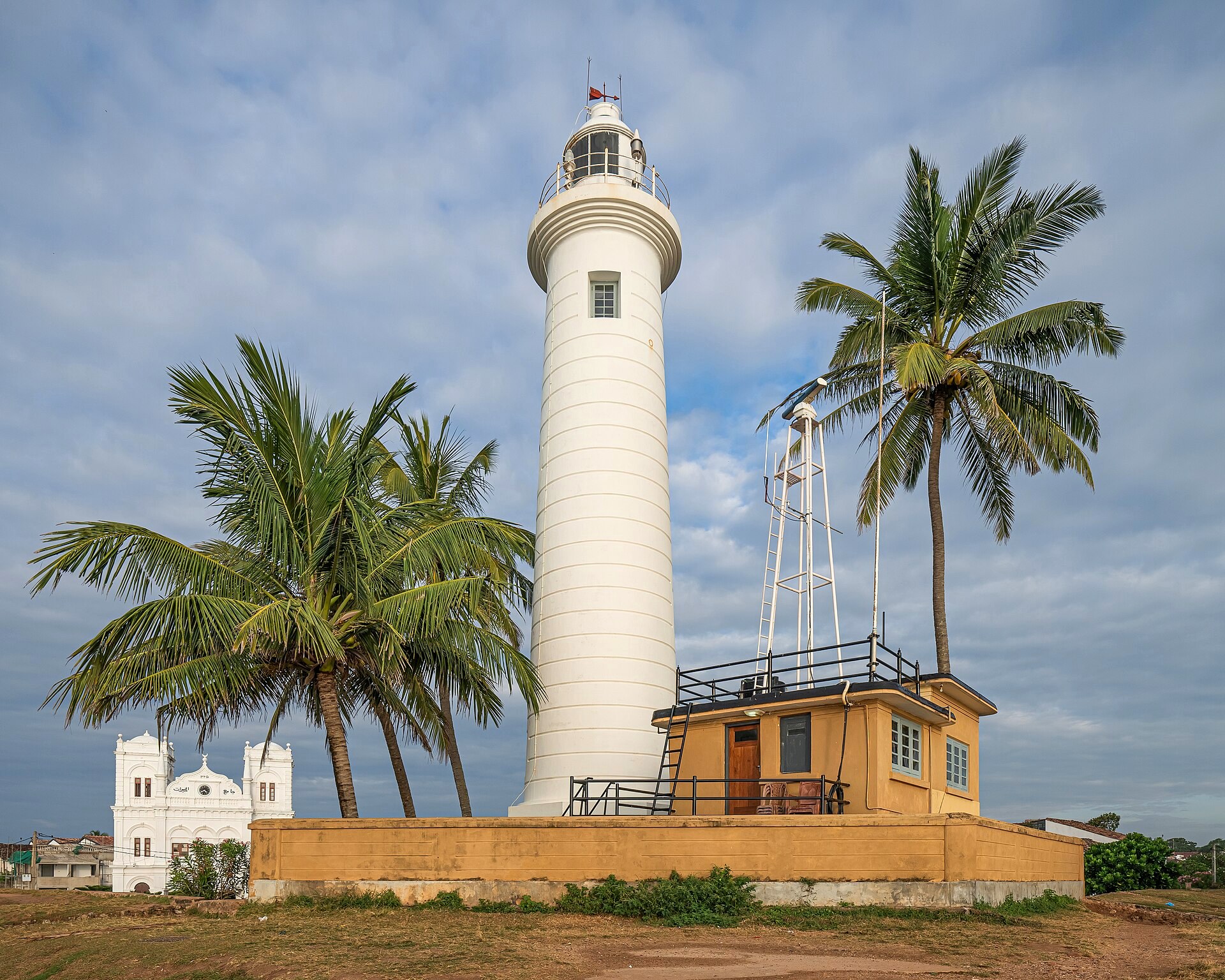
Sri Lanka is one of the best wreck-diving destinations in the Indian Ocean, because it has sat on busy shipping routes for more than 2,000 years. The most popular wreck dives are off Hikkaduwa, including the SS Conch, and around Galle and Unawatuna on the south-west coast (about November to April). On the east coast, the waters off Trincomalee and Batticaloa hold Second World War wrecks, including the famous aircraft carrier HMS Hermes, which is for experienced technical divers only.
Sri Lanka's best coral reefs are at Pigeon Island National Park off Nilaveli, the Hikkaduwa coral sanctuary on the south-west coast and the Bar Reef Marine Sanctuary off Kalpitiya. You can explore them by snorkeling, scuba diving or, if you don't swim, from a glass-bottom boat in Hikkaduwa. Visit the east coast reefs from about May to September and the south-west reefs from about November to April.
Plan a Sri Lanka beach holiday matched to the season: south and west coasts in winter, the east coast in summer, with sightseeing along the way.
Not necessarily. Many centres offer discovery experiences for non-certified people under direct instructor supervision, and full entry-level courses for those who want certification. Certified divers should carry their card and logbook. Ask the centre which activity suits your level, and follow the instructor's briefing on limits, because eligibility depends on training and medical answers.
Complete the dive centre's medical questionnaire honestly. If any answer raises a concern, a doctor with diving medicine knowledge should assess you before you dive. Do this before your trip. Ask your instructor or recognised training agency for guidance, and do not guess about asthma, ear problems, heart conditions, pregnancy or medicines.
Follow the guidance of your instructor and recognised training agency rather than a rule from a forum. The right interval depends on your diving pattern and your own circumstances. Ask the dive centre before booking your flight, leave a generous buffer in your itinerary, and avoid planning a dive on a day when you have a tight departure.
The south-west coast around Hikkaduwa and Unawatuna is often convenient because it has many centres and short boat rides, in its season. The east coast around Trincomalee and Nilaveli can also suit beginners when conditions are calm. Choose according to your travel dates, the operator's safety practices and the instructor's assessment of conditions.
Ask about instructor qualifications, agency affiliation, group size, guide ratios, equipment servicing, oxygen and first aid, emergency procedures, weather cancellation policy and insurance requirements. Also ask which sites suit your level. A clear, patient answer is a good sign, while vagueness, pressure or reluctance to discuss safety is a reason to look elsewhere.
A well-fitting mask is the most useful personal item to bring, because fit is individual. A dive computer is worth bringing if you know how to use it. Other gear can usually be rented, but check condition and fit. Ask the centre what is included, and never use equipment you do not understand.
That is a decision for the dive professionals. Operators may delay, change site or cancel when wind, swell or visibility make diving unsuitable. Do not pressure staff to go out, and never dive when you feel uncomfortable. Build spare days into your plan, and accept a lost dive as the safer outcome.
Some wrecks may suit newer divers with a guide, but suitability depends on depth, current, visibility and your training. Ask the operator which sites match your certification. Never enter a wreck without proper training and equipment, because overhead environments add serious risk. Choose training suited to the dive you want.
Reefs and wrecks may offer fish, turtles, eels, rays and sometimes sharks, but sightings are never guaranteed. They depend on season, site, visibility and chance. Ask guides what is realistic for your dive, enjoy smaller life too, and do not chase or touch animals. Responsible buoyancy gives you the best experience.
They can snorkel on suitable reefs, take a glass-bottom boat, relax on the beach or join cultural trips. Check that the boat schedule and sea conditions suit non-divers, and ask about shade, water and safety. Snorkellers should follow guidance on currents and flotation, and nobody should feel obliged to dive.
From inspiration to your itinerary
Explore our matching private journeys. Tell us your dates and group size for a personalised route, availability and written quote.
Private journey
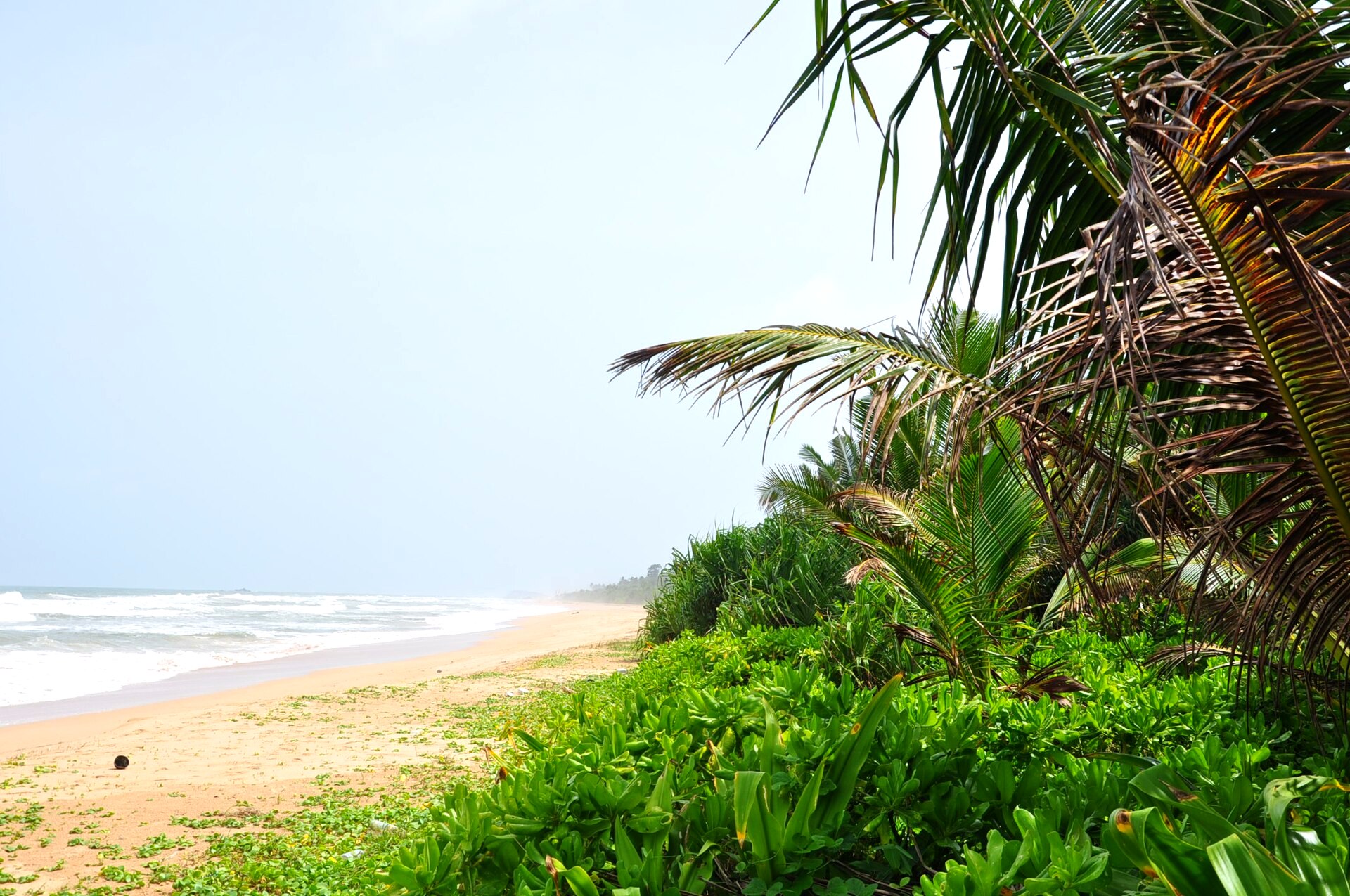
Choose your coast and combine beach time with island sightseeing.
Explore package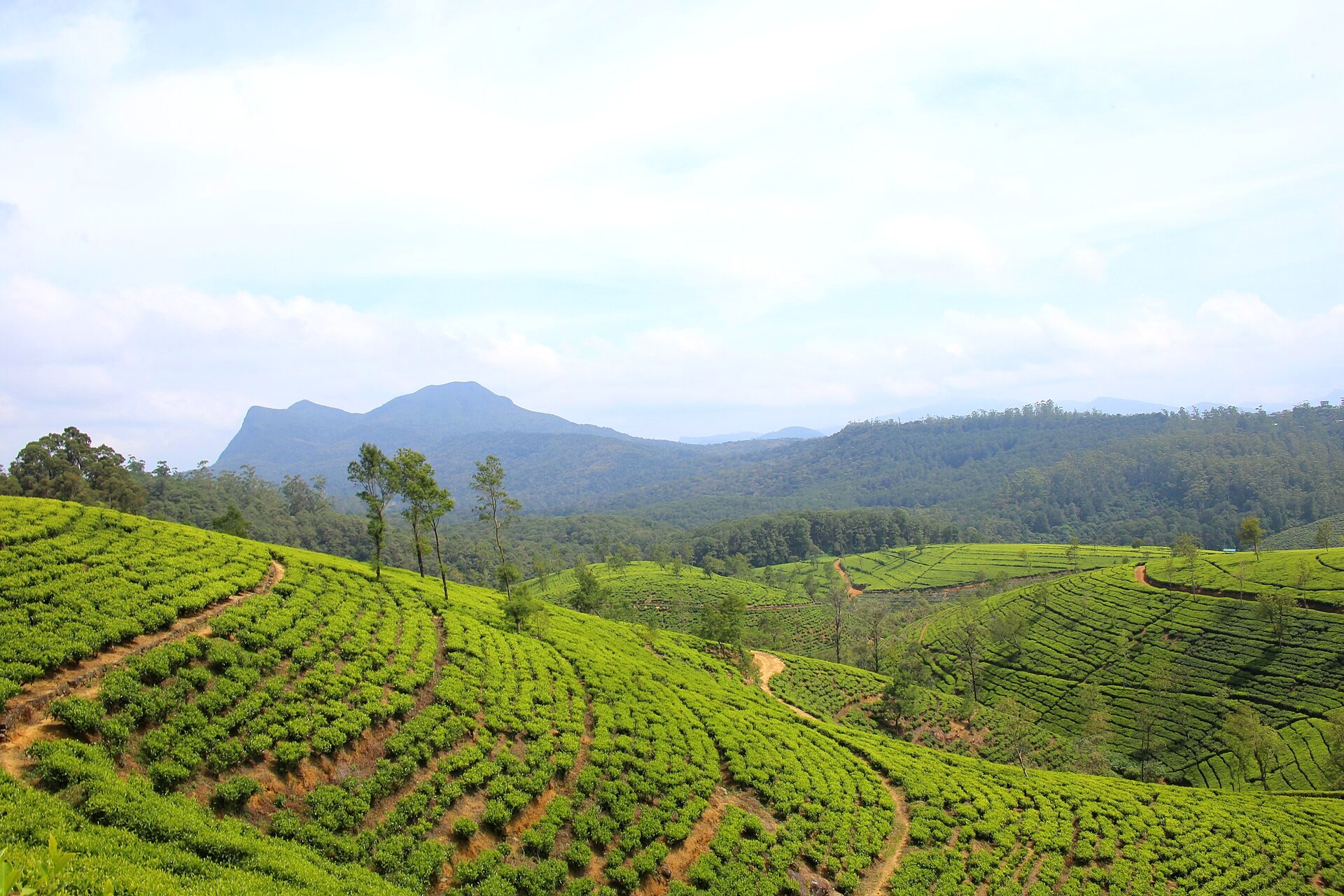
Private journey
Shape your route around the places and experiences you want to explore.
Explore package