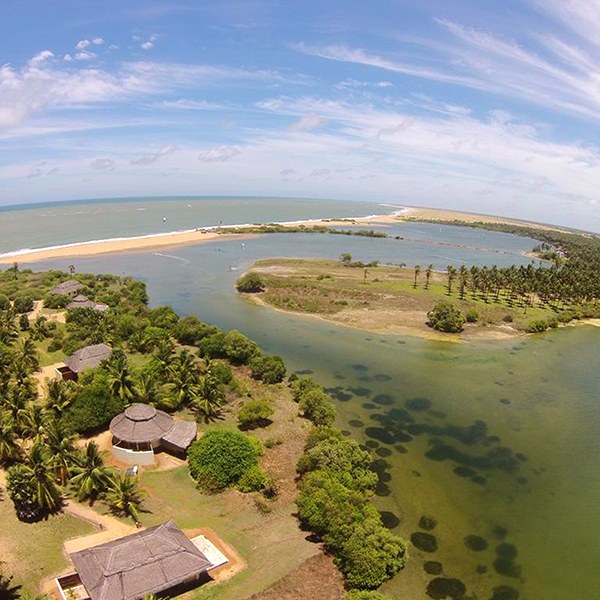
Kalpitiya
Visit Kalpitiya on Sri Lanka's west coast: dolphin watching, kitesurfing season, the lagoon and islands, where to stay and how to combine it with Wilpattu.

Beach & Ocean
Swimming with wild dolphins is not a regular or responsible activity in Sri Lanka, but dolphin watching from a boat is excellent. Kalpitiya, on the north-west coast, is famous for very large pods of spinner dolphins, sometimes hundreds together, roughly from November to April. You can also see dolphins on whale-watching trips from Mirissa (about November to April) and Trincomalee (about May to September).
We want to be honest: Sri Lanka doesn't have regulated "swim with dolphins" tours, and we don't recommend jumping in with wild pods. Dolphins move fast in open, deep water, and boats chasing them so people can swim alongside causes stress and disrupts feeding and resting. There are also no captive dolphin attractions we would recommend.
The good news is that watching wild dolphins from a boat in Sri Lanka is one of the best marine wildlife experiences in Asia. Seeing a huge pod of spinner dolphins leaping and spinning around your boat is unforgettable. If you want to be in the water with marine life, try snorkeling with turtles instead.
Kalpitiya – best for huge spinner dolphin pods Kalpitiya is Sri Lanka's dolphin capital. In season, boats head out from the peninsula in the early morning to find large pods of spinner dolphins feeding and travelling. Sometimes several hundred dolphins are seen together, leaping and spinning out of the water. Bottlenose dolphins are also seen, and in some years sperm whales and other whales appear further offshore. See Kalpitiya.
Mirissa – dolphins on whale-watching trips Mirissa is Sri Lanka's main whale-watching port on the south coast. Boats look mainly for blue whales, but spinner dolphins are seen on many trips too. See Mirissa and whale watching in Sri Lanka.
Trincomalee – east coast season On the east coast, Trincomalee's whale and dolphin trips run in the opposite season to Mirissa. Spinner dolphins are often seen. See Trincomalee.
Sightings depend on sea conditions and are never guaranteed, but dolphins are often seen on Kalpitiya trips in season, but sightings depend on conditions and are not guaranteed.
You may also see flying fish, turtles and seabirds, and in some seasons whales.
Trips usually leave early in the morning, when the sea is calmest. You'll travel by boat into deeper water, where the captain looks for signs of dolphins such as splashes and seabirds. Trips last a few hours depending on where the dolphins are. The sea can be choppy, so if you get seasick, take medication before you go and sit near the back of the boat.
Good dolphin and whale operators:
If your boat chases dolphins, ask the captain to slow down. See our responsible travel guide for more.
Kalpitiya is also Sri Lanka's kitesurfing hub, and it's close to Wilpattu National Park, known for leopards and sloth bears. A few days here can include a dolphin trip, a safari and time on the water. See kitesurfing and Wilpattu National Park.
Our Sri Lanka wildlife tour can include Kalpitiya in dolphin season, or Mirissa for whales and dolphins. Plan this with a local expert. For more ocean experiences, go back to Beach & Ocean.
Each port gives a different style of trip. Kalpitiya is known for dolphin-focused outings, with boats looking for large groups of spinner dolphins in season. Mirissa is better known for whale-watching, with dolphins appearing on some trips. Trincomalee runs in the opposite season on the east coast and may suit travellers who are in that part of the island.
Think about the type of experience you want. If dolphins are your priority, a dolphin-focused departure is more likely to match. If you prefer a broader marine wildlife trip with a chance of whales, a larger-focus operator may suit. Be wary of anyone who promises a particular animal, since sightings are never guaranteed.
Also consider the rest of your trip. Kalpitiya combines with kitesurfing and safaris, Mirissa with a south-coast beach stay and Trincomalee with beaches and snorkelling. Pick the port that fits your route and season, rather than adding a long detour for a single outing.
Wild dolphins are not performers, and chasing them so people can enter the water can disturb feeding, resting and social behaviour. Boats that try to place swimmers in front of a moving group also create risk for people and animals. For these reasons, do not choose an operator who offers swimming with wild dolphins.
If a boat captain suggests that you jump in, the responsible answer is no. Ask them to keep a respectful distance and let the animals decide how to behave. A good trip is built around observing natural behaviour, not creating encounters. Enjoy the view from the boat and learn from the guide.
If you want to be in the water with marine life, choose a different activity such as snorkelling at an appropriate reef with a responsible operator. Do not try to turn a dolphin outing into a swimming trip. The animals and the other passengers will be better off.
Ask how the operator approaches dolphins. Responsible practice includes slow, parallel approaches, limited time near any group, and no chasing or encircling. Ask whether the captain follows any local guidelines and how many boats are usually near the same animals. A confident, specific answer is a good sign.
Ask about safety. Are life jackets provided for everyone, does the boat carry first aid and communication equipment, and is there a briefing? Ask about the capacity of the boat and whether you will have shade and a place to sit. Check whether the operator has a plan for rough seas or medical issues.
Ask about cancellations and expectations. Will the operator turn back if the sea is unsafe, and what happens to your payment? Will the guide explain how long the trip might run and what you are likely to see without making promises? Straightforward answers show respect.
Boat trips can feel rougher than expected, and early outings are often cooler, windier and wetter than the beach. If you are prone to seasickness, talk to a pharmacist or doctor about options before the trip, and follow their advice. Sit where you feel most stable and look at the horizon. Do not drink alcohol before or during the outing.
Pack light but sensibly. A hat with a strap, sunglasses, sun protection, a light waterproof layer and a dry bag for phones and cameras help. Wear non-slip shoes or go barefoot if permitted. Carry water and a small snack that suits you, and keep valuables secure.
Think about the people you are with. Small children, older travellers and anyone with health conditions need extra care. Ask the operator about suitability, seats and the length of time on the water. Do not take anyone who is unwell or very anxious about boats.
Listen to the crew, keep your hands and belongings inside the boat and stay seated when the boat is moving. Sudden movements can cause falls, and standing at the bow or sides is risky in swell. Move carefully when sightings occur, and avoid rushing to one side, which can tip the balance.
Keep noise reasonable. Loud shouting or music may disturb animals and make it harder for the crew to communicate. Do not throw anything into the sea, and take your rubbish back to shore. Do not feed fish, birds or dolphins.
Be patient. Dolphins may appear close, far away or not at all, and the crew may spend time searching. Enjoy the sea, birds, flying fish and the light. If you treat the outing as a boat trip with a chance of dolphins rather than a promise, you are likely to have a better time.
Photographing moving dolphins is difficult, and trying too hard can spoil the experience. Start with the basics: stable footing, a protected camera and a calm mind. Use a fast shutter if your camera allows, but remember that the best images often come to those who stay ready rather than chase.
Do not ask the captain to get closer than is responsible. A longer lens or a phone zoom is better than pressure on the animals. Do not use flash or drones unless permitted and operated responsibly. Be aware that aerial devices can disturb wildlife and may be restricted.
Share your photos thoughtfully. Avoid captions that suggest guaranteed sightings or encourage harassment. Credit the operator if they behaved well. Your images can help others choose responsible trips.
Begin with a briefing from the crew about safety, seating and what to expect. Settle in and put on a life jacket as directed. The captain will head out and scan for signs such as birds, splashes and other boats. Listen to the guide and stay quiet while they search.
If dolphins appear, the boat should slow and approach carefully. Keep still and watch behaviour such as travelling, feeding or resting. The crew should limit time near the group and move away if the animals seem disturbed. If no dolphins appear, ask what else you can see, such as birds or other marine life.
On the return, rest and drink water. Consider how you felt on the boat and note anything that worked or did not. If you enjoyed it, consider other responsible wildlife activities. If you did not, remember that sea conditions and personal comfort vary.
Before the outing, agree where you will sit if you are prone to seasickness and how the crew will respond if someone feels unwell. Being able to return early can be more valuable than an extended search. Ask whether the trip is shared with other passengers, because a group decision about distance and duration may differ from your own preference.
If a boat trip is not for you, there are other ways to enjoy the coast. Beach walks, birdwatching, lagoon boat trips and visits to conservation projects offer a connection to nature without the motion of the open sea. Consider these for people who are prone to seasickness.
If you want to see marine life from the water, snorkelling at an appropriate reef is a different experience. It does not replace a dolphin outing, and it requires its own safety planning. Choose operators who respect wildlife and avoid pressuring animals.
Finally, think about balance. A holiday does not need to be built around a single sighting. Combine a dolphin outing with other activities and remain flexible. If you see dolphins, enjoy it. If not, you still had time on the sea and a chance to learn about the coast.
Discuss a land-based backup before paying a deposit, particularly if your stay in Kalpitiya is short. Ask whether weather cancellation leads to rescheduling or a refund, and distinguish that from a completed outing without a sighting. Check the actual boarding point, steps into the boat and seating support for your group. A shaded coastal rest day or bird observation from an agreed public viewpoint can be a better replacement than automatically booking another boat on unsettled water. Keep medication, drinking water and the return transfer accessible rather than leaving all practical decisions until the morning of departure.
Visit Kalpitiya on Sri Lanka's west coast: dolphin watching, kitesurfing season, the lagoon and islands, where to stay and how to combine it with Wilpattu.
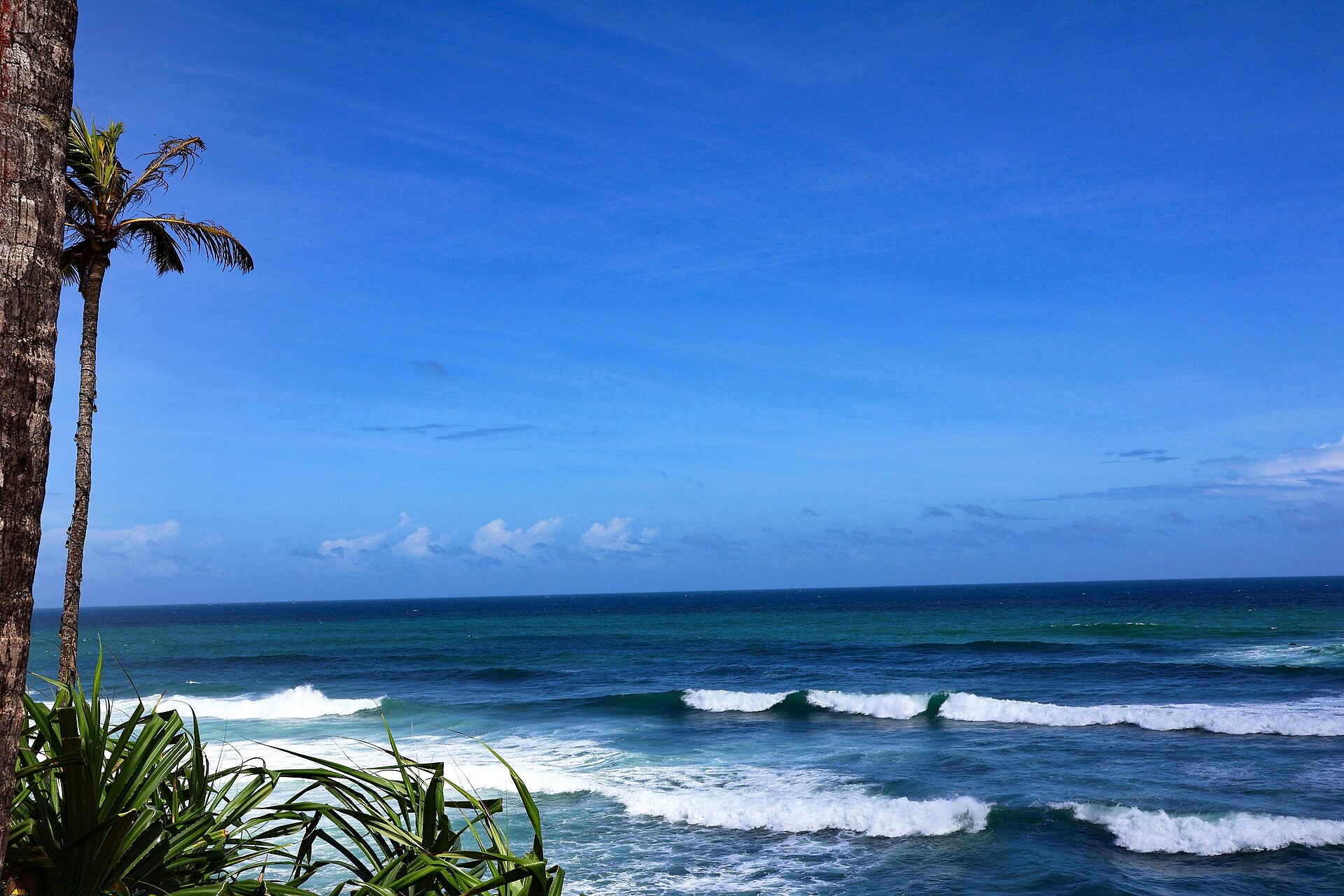
Plan your stay in Mirissa, Sri Lanka: the best beaches, whale watching season, Coconut Tree Hill, surfing, where to stay and private south coast tours.
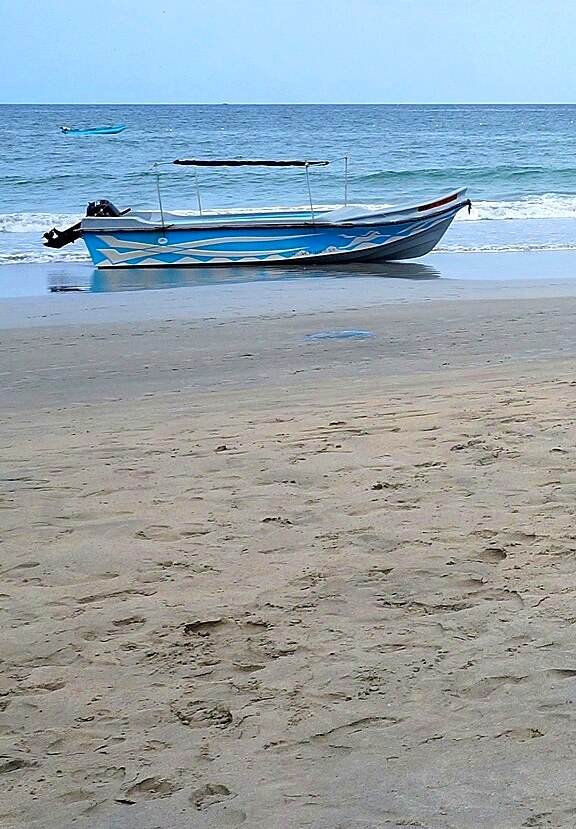
Plan your trip to Trincomalee, Sri Lanka: Nilaveli and Marble beaches, Koneswaram Temple, Pigeon Island, the best season and private east coast tours.
Plan whale and dolphin watching in Sri Lanka from Mirissa or Trincomalee, with seasonal guidance and how to choose a responsible operator.
A sample Sri Lanka wildlife tour: elephant and leopard safaris, rainforest birding and seasonal whale-watching, with responsible viewing throughout.
We do not recommend it. Jumping in near wild dolphins can disturb their natural behaviour, and boats chasing groups create risk for people and animals. Choose operators who observe from the boat at a respectful distance. If you want to swim, consider responsible snorkelling elsewhere instead.
No. Sightings depend on season, weather, sea conditions and animal behaviour. Be wary of any operator who promises a particular animal. Treat the trip as a boat outing with a chance of dolphins, and enjoy birds, light and sea even if the animals do not appear.
Look for slow, parallel approaches, limited time near any group, no chasing or surrounding, life jackets for all passengers and a crew that explains the rules. Ask about boat numbers and how they behave. If the boat races towards animals, politely ask the captain to slow down.
Speak to a pharmacist or doctor before the trip about suitable options, sit in a stable part of the boat and watch the horizon. Avoid alcohol and heavy meals. Tell the crew if you feel unwell. If you know you are very prone to motion sickness, consider a land-based alternative.
Kalpitiya is known for dolphin-focused trips in season, Mirissa for whale-watching with dolphins on some outings, and Trincomalee for the east coast season. Choose by your dates, route and the type of trip you prefer, and ask operators about current conditions rather than assuming.
It can be, but consider the length of the outing, sea conditions, shade, seating and the child's comfort on boats. Ask the operator about life jackets in child sizes and the policy on age. Keep a close eye on children and bring a plan for tiredness or sickness.
Bring a strapped hat, sunglasses, sun protection, a light waterproof layer, non-slip footwear if allowed, water and a dry bag for electronics. Mornings can feel cooler on the sea. Avoid loose items that can blow away, and take any rubbish back to shore.
Do not assume you can. Drones may be restricted and can disturb wildlife and other people. Ask the operator and check local rules before bringing one. Respect any decision not to fly. Many wildlife encounters are better enjoyed without added equipment.
It varies by season, sea conditions, where the animals are and the operator's plan. Ask the operator for a rough idea and what happens if the search takes longer. Do not rely on a fixed schedule, and keep your day flexible in case sea conditions change.
Politely ask the captain to slow down and keep a respectful distance. Explain that you prefer a calm, responsible approach. If the crew ignores you, note the operator and share feedback afterwards. Choose a different operator next time and encourage others to do the same.
From inspiration to your itinerary
Explore our matching private journeys. Tell us your dates and group size for a personalised route, availability and written quote.
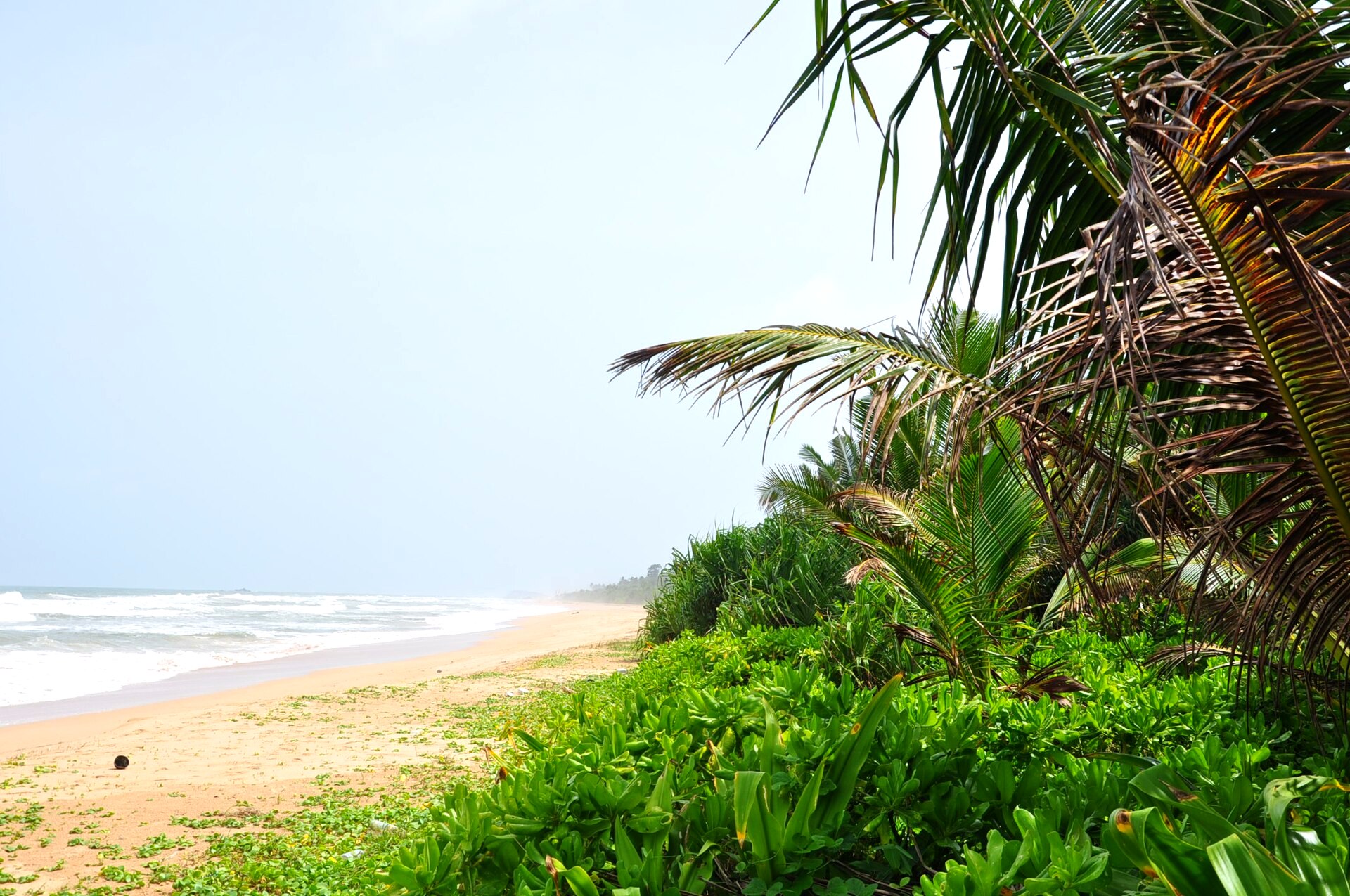
Private journey
Choose your coast and combine beach time with island sightseeing.
Explore package
Private journey
Shape your route around the places and experiences you want to explore.
Explore package