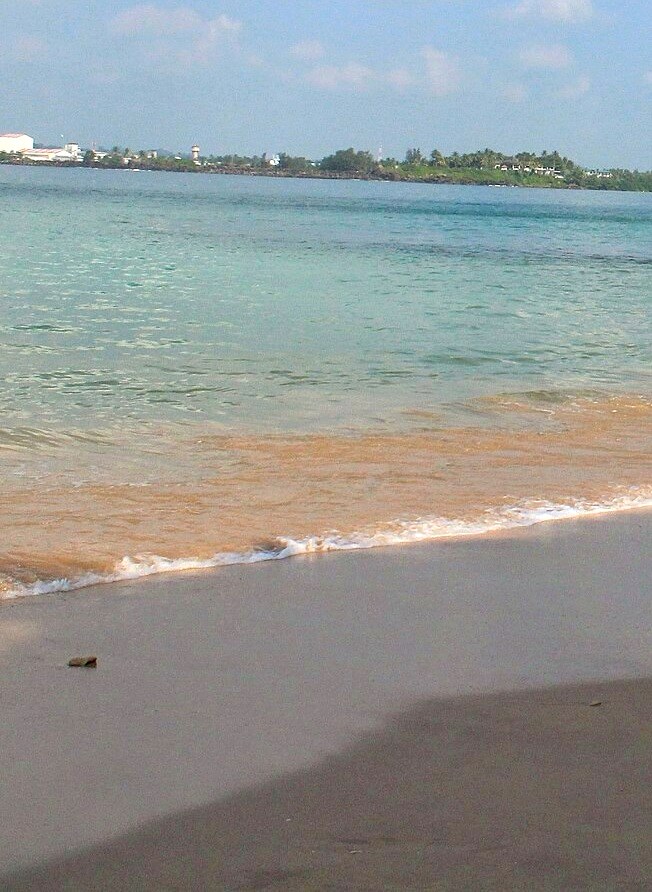
Tangalle, Sri Lanka
Visit Tangalle on Sri Lanka's south coast: long quiet beaches, turtle watching at Rekawa, Mulkirigala rock temple, the best season and nearby safaris.

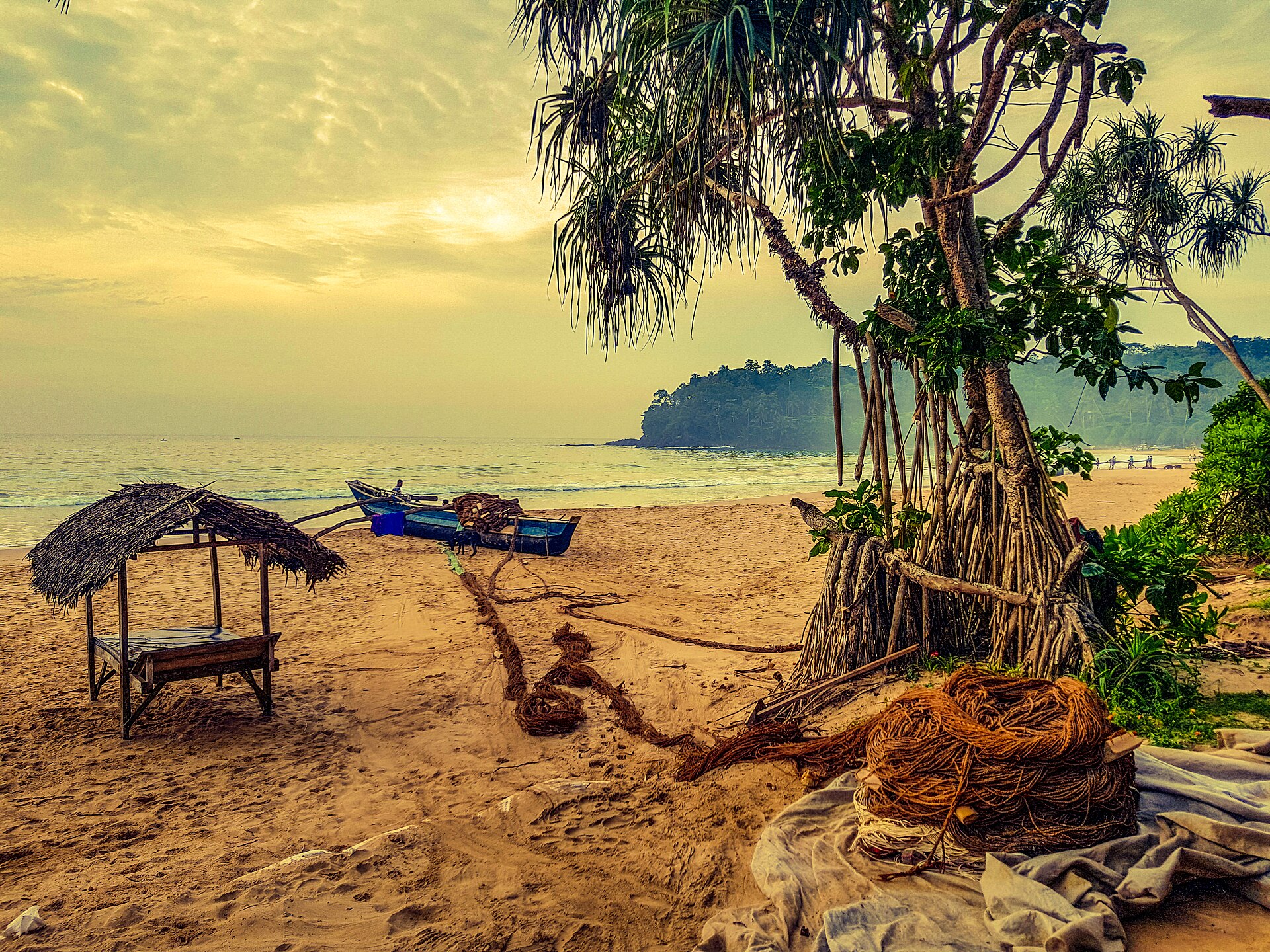
Beach & Ocean
For a rest and relax holiday in Sri Lanka, choose a quiet beach on the right coast for your travel month. Tangalle, Talalla and Hiriketiya on the south coast are best from about November to April, and Pasikuda and Nilaveli on the east coast from about May to September. Add an ayurveda spa treatment, fresh seafood and slow days in a hammock, and you have the perfect Sri Lankan R and R.
Sri Lanka offers the classic tropical beach holiday without the crowds of some better-known destinations. Long stretches of golden sand, warm sea, palm trees and small boutique hotels make it easy to slow down. You also get things you won't find everywhere: ayurveda, Sri Lanka's traditional healing system; yoga retreats; fresh tea; and some of the best seafood curries in Asia.
And because the island has two monsoon seasons, there's a calm, sunny coast somewhere in almost every month.
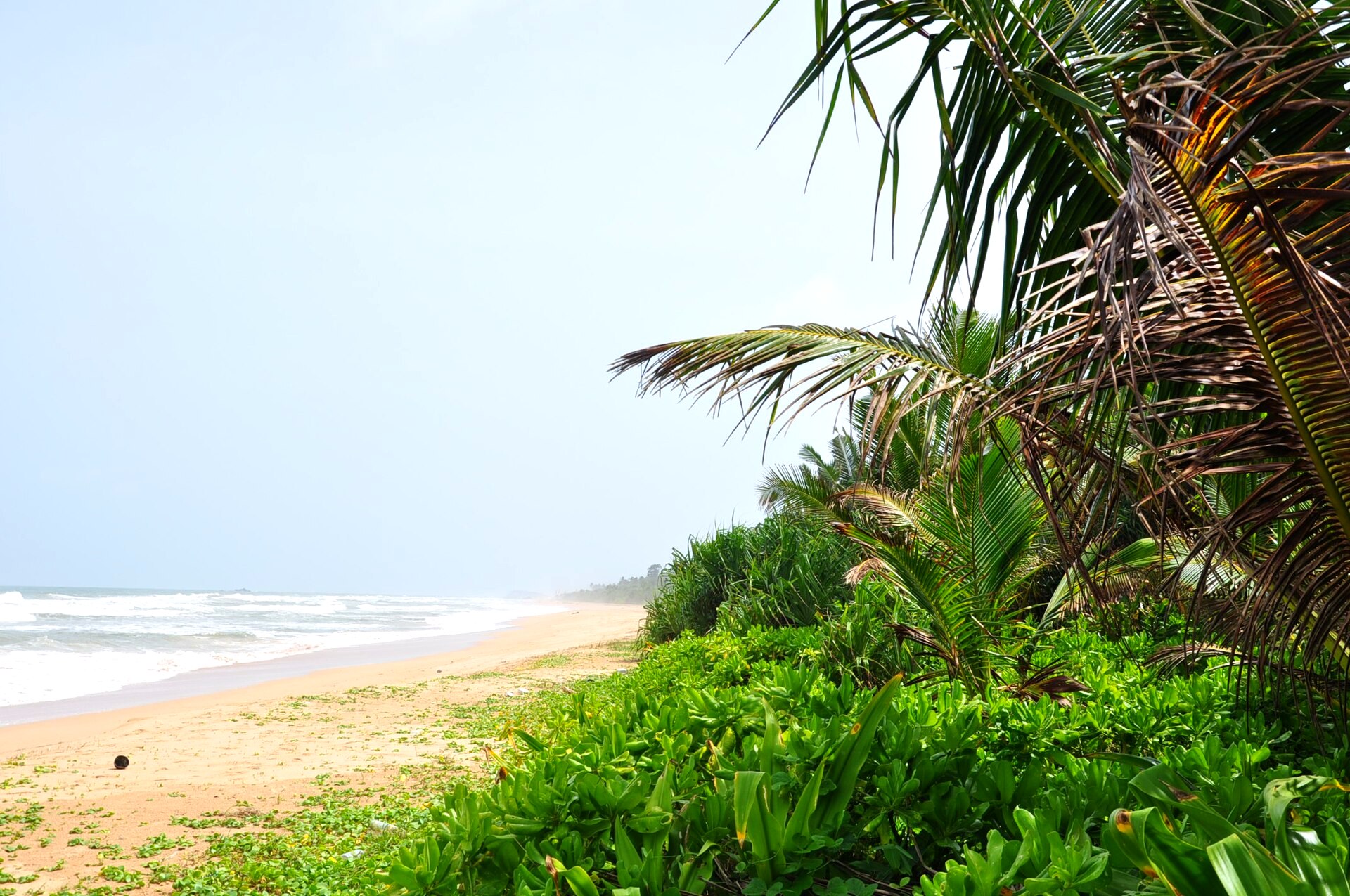
Tangalle – long, empty beaches on the south coast Tangalle has some of Sri Lanka's widest and quietest beaches, with boutique villas and small resorts set back from the sand. It's ideal for doing very little. Some stretches have strong waves, so ask about safe swimming spots. See Tangalle.
Talalla – a peaceful bay Talalla is a long, curved, quiet bay between Mirissa and Tangalle, with yoga retreats and a few small hotels. It's calm, uncrowded and very relaxing. See Talalla Beach.
Hiriketiya – a small, sheltered cove This horseshoe-shaped bay has gentle waves at one end for swimming and beginner surfing, cafés under the palms and a laid-back atmosphere. See Hiriketiya.
Pasikuda – calm, shallow water on the east coast Pasikuda's bay is protected by a reef, so the water stays shallow and calm far out from the shore. It's one of the best beaches in Sri Lanka for gentle swimming and for families. Best about May to September. See Pasikuda.
Nilaveli – long, empty sand North of Trincomalee, Nilaveli has kilometres of soft sand and clear water, with Pigeon Island just offshore for snorkeling. Best about May to September. See Nilaveli.
Bentota – resorts and spas On the west coast, Bentota has larger resorts, ayurveda spas and a calm river, making it ideal if you want comfort and services close at hand. It's also convenient for the airport. See Bentota.
For a wider comparison, see our guide to the best beaches in Sri Lanka.
The sun in Sri Lanka is strong, even on cloudy days. Use high-factor sunscreen, take shade in the middle of the day and drink plenty of water. Early mornings and late afternoons are the most pleasant times for sunbathing.
Yes, and it's one of the best ways to relax in Sri Lanka. Ayurveda is a traditional system of medicine that uses herbal oils, massage, steam baths and diet. Many beach hotels offer single treatments such as a full-body oil massage or shirodhara (warm oil poured gently over the forehead). For a deeper experience, dedicated ayurveda resorts offer programmes over one or more weeks, starting with a consultation with an ayurvedic doctor. Read our guide to ayurveda in Sri Lanka or see our wellness tour.
Many travellers end a busy Sri Lanka trip with a few relaxing beach days. Our beach holidays, wellness tour and honeymoon tour can be built around rest. Plan this with a local expert. For more ocean experiences, go back to Beach & Ocean.
A relaxing beach stay begins with a more specific question than which beach is best. Decide whether your priority is swimming, a wide view from a shaded terrace, walks along the sand, or having restaurants close enough to reach without arranging transport. These are different requirements. A dramatic stretch of Tangalle shoreline can be excellent for reading beside the ocean while unsuitable for entering the water on a particular day. A compact bay with cafés and surf schools may be convenient but less restful if boards, music and visiting groups concentrate near your accommodation. Judge the exact hotel frontage rather than the destination name alone.
For a scenery-led stay, put shade, comfortable seating and the relationship between the room and shoreline ahead of promotional photographs of turquoise water. For a swimming-led holiday, ask how conditions are assessed, whether there is supervised swimming nearby and what alternatives exist when the sea is unsuitable. Families may value a usable pool more than direct beach access. Travellers hoping to avoid daily decisions should check meal arrangements and transport before booking an isolated property. Those who enjoy choosing somewhere different for dinner may prefer the edge of a settled beach community. The right compromise is usually a location that supports your ordinary day, not the beach with the strongest reputation.
The south and west coasts are commonly considered for travel from roughly November to April, while the east coast is often favoured from about May to September. These broad patterns help narrow the search, but they do not establish whether any particular beach will be swimmable. Wind, swell, storms and local currents can change conditions within a generally favourable season. Transitional periods deserve especially flexible planning. Ask a prospective property about its own stretch of coast during your travel month, including whether erosion, exposed rocks or reduced beach width sometimes affect access. A seasonal recommendation is useful background, not permission to enter the sea.
Build a weather-independent version of the holiday before committing to a long stay. A covered veranda, an attractive pool area, comfortable indoor space and straightforward access to meals can matter more than another excursion. Check whether nearby restaurants and activity providers operate during your dates rather than assuming that a destination has the same services throughout the year. If travel falls between the main coastal seasons, choosing one well-supported base can be more restful than chasing a forecast across the island. Leave optional outings uncommitted where possible, and ask what happens to boat trips or beach activities when conditions deteriorate. Moving an activity, replacing it or simply resting should all be acceptable outcomes.
Tangalle and Talalla suit travellers who want the beach itself to remain the main event, but quietness and convenience do not always coincide. A property beside a long, sparsely developed shoreline may require transport for meals, shopping or a different swimming location. Check whether a beachfront room faces breaking surf directly, as some people find the sound soothing while others sleep poorly. Talalla's bay setting offers a different visual experience from Tangalle's more open stretches, yet neither should be chosen on an assumption of consistently gentle water. Ask about the particular access point, the slope of the shore and conditions observed locally during your dates.
Hiriketiya offers a more concentrated mix of cafés, accommodation and surfing activity. That can be appealing when you want a beach atmosphere without organising every meal, but a small bay also concentrates people and sound. Surfing areas are not automatically appropriate swimming areas, and boards can create an additional consideration even when the waves look manageable. Nearby rooms may sit uphill or along narrow approaches rather than immediately beside the sand. A useful southern-coast approach is to choose one base and sample another bay as an optional outing, instead of repeatedly changing hotels. Compare the experience outside your room, including traffic, music and walking access, before deciding that a smaller or more sheltered-looking bay will necessarily feel more peaceful.
Pasikuda and Nilaveli offer different ways to build an east-coast rest period. Pasikuda is often considered by travellers seeking resort-based days beside a shallow bay, while Nilaveli appeals to those who picture a longer sweep of sand and a connection with the wider Trincomalee area. Shallow water still requires supervision and a current assessment; depth alone does not make a swimming area safe. At either destination, ask how far accommodation sits from restaurants, shops and transport. A generous beachfront plot can feel pleasantly spacious, but it can also mean relying on the property for most meals and paying close attention to what is included.
Bentota presents another balance, with established resort services and access to both coastal and river settings. Its relative usefulness for a journey towards the airport does not remove the need for a realistic road plan or a separate departure buffer. River excursions and sea swimming are distinct activities with different conditions and safeguards. If the aim is rest rather than a list of water sports, choose selectively. An east-coast stay can work after the Cultural Triangle, whereas a west-coast stay may fit more naturally after a southern circuit or before departure. Let the overall route and the facilities you will actually use guide the choice; crossing the island merely to collect another beach can consume the quiet days you came to enjoy.
One straightforward approach is to finish a cultural or hill-country journey with a single beach base. After days involving early starts, stairs, train connections or safaris, the benefit comes from not having to repack. Arrive with no essential activity planned beyond settling in and understanding the property. On a southern route, choose whether access to Galle, a café-oriented bay or a more secluded shoreline matters most, then stay within that choice rather than trying to experience every coastal town. An optional inland temple visit or a short food outing can provide contrast without turning the beach portion into another touring programme.
For an east-coast approach, connect a stay around the Cultural Triangle with either the Trincomalee area or Pasikuda according to your interests and onward route. Avoid treating both as interchangeable stops that must be included. A beach-first holiday can instead begin with a supported coastal base and add a small amount of sightseeing only if you feel like it. Wherever the beach falls in the trip, discuss luggage storage, checkout arrangements and the final transfer separately from the leisure programme. Do not place a weather-dependent boat excursion immediately before an important departure. A genuinely restful route leaves room for a slow breakfast, a changed forecast and a day when nobody wants to leave the shade.
Beachfront is not a reliable description of accessibility. Reaching the shore may involve steps, soft sand, a steep bank, an uneven garden path or a road crossing. Seasonal erosion can alter that route. Ask for a plain description or recent photographs of the complete journey from room to beach, including any handrails and the point where a firm surface ends. Travellers using mobility aids should also check the route to the restaurant, pool and accessible bathroom rather than focusing only on the shoreline. A sea-view room above the beach may be easier to enjoy than a nominally beachfront room reached by awkward steps.
Consider heat and practical comfort as part of access. A short walk across exposed sand can be tiring for young children or anyone with limited stamina, especially when carrying towels and water. Check where reliable shade is available and whether loungers are on sand, grass or a deck. Ask how returning swimmers rinse off and whether changing facilities are close enough to use easily. For families, clarify barriers around pools and the distance between bedrooms and the water. For quieter stays, ask about adjacent public access, fishing activity and nearby venues without expecting a working coastline to be silent. Details such as a shaded breakfast area, secure footwear storage and a convenient toilet often determine how effortless a beach day actually feels.
A beautiful beach can remain enjoyable when the correct swimming decision is to stay out. Watch for warnings and follow lifeguard instructions where lifeguards are present. Ask locally about current conditions, but do not treat the sight of other people swimming as proof that an area is safe for you. Breaking waves, shorebreak, currents and sudden changes in depth can be difficult to judge from a hotel terrace. If there is uncertainty, use a suitable pool or choose a land-based day. Children need close supervision beside the sea even when they intend only to paddle, and adults should not rely on inflatable toys for protection.
Prepare for the sun with shade, clothing, drinking water and appropriate sunscreen rather than planning uninterrupted sunbathing. Sand and water can make exposure feel less obvious, and cloud does not remove it. Keep valuables out of sight and avoid leaving essential documents unattended while walking or swimming. Coastal walks also require judgement: rocky points, river mouths and narrow stretches cut off by water may interrupt what looks like a continuous beach. Turn back before an uncertain section rather than climbing around it. Respect fishing gear, boats and working areas, and ask before photographing people closely. Rest is easier when your daily routine includes simple precautions instead of depending on a beach being empty, sheltered or apparently familiar.
Yoga, massage and a thoughtful meal can complement beach days, but they should remain choices rather than obligations. Ask whether a class is suitable for beginners, whether it takes place in shade and what happens during rain. Distinguish a general spa treatment from an Ayurveda programme involving assessment and a prescribed routine. Discuss medical conditions, pregnancy, allergies and current medication with an appropriately qualified practitioner before treatment; a holiday setting does not make every therapy suitable. A dedicated programme may shape meals and daily activities more than expected, so decide whether you want that structure or simply an occasional relaxing appointment.
Before confirming accommodation, send a short set of practical questions: what is the current beach access like, where can guests rest when swimming is unsuitable, which meals are available, and how are local transfers arranged? Ask about nearby construction or regular music if quietness matters, while recognising that no property can control every surrounding sound. Clarify dietary needs in advance, especially where alternatives require a drive. Keep seafood choices dependent on what is actually available rather than expecting a particular catch. Finally, reserve some days without an excursion or treatment. Reading, watching the water and taking an unhurried walk are complete activities in their own right. A successful beach holiday does not need a full schedule to justify the stay.
Visit Tangalle on Sri Lanka's south coast: long quiet beaches, turtle watching at Rekawa, Mulkirigala rock temple, the best season and nearby safaris.
Visit Talalla Beach, a quiet crescent bay on Sri Lanka's south coast near Hiriketiya: calm-season swimming, yoga, the best time to go and how to get there.
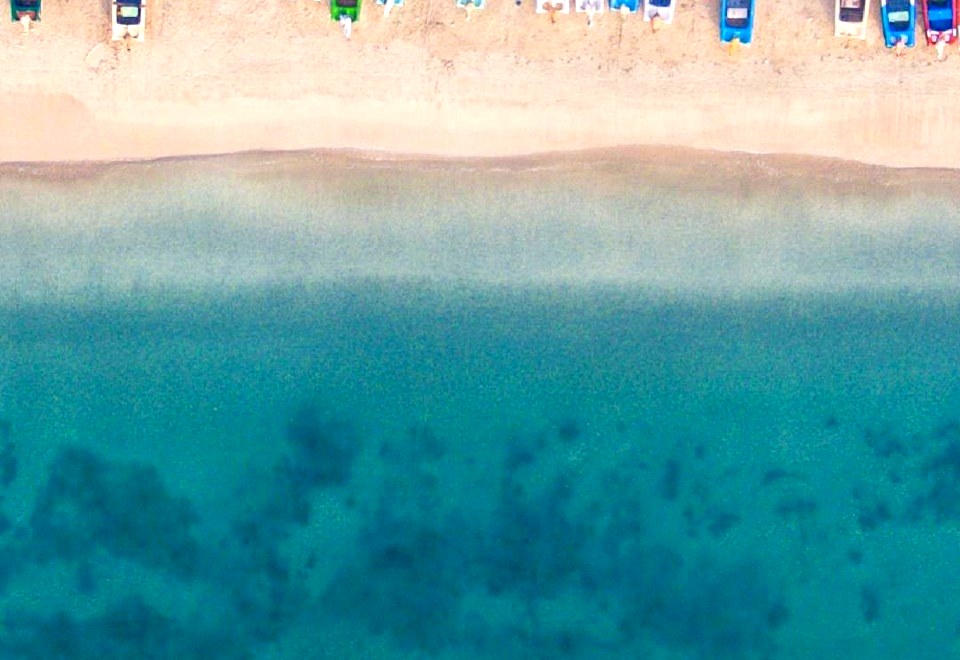
Visit Pasikuda Beach on Sri Lanka's east coast: shallow calm water, the best months to go, nearby Kalkudah, where to stay and private east coast tours.
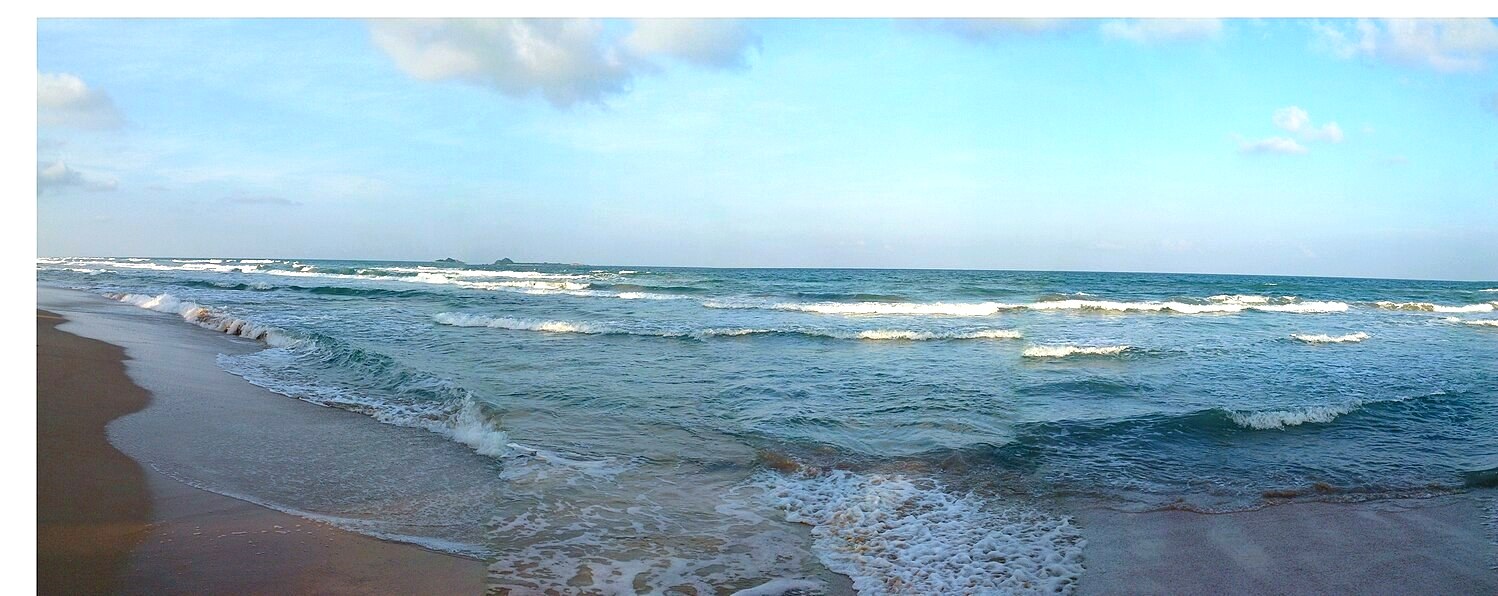
Visit Nilaveli Beach near Trincomalee: calm water, snorkelling at Pigeon Island, the best months to go, where to stay and private east coast tours.
Visit Bentota, Sri Lanka: golden beaches, Madu River boat safari, turtle hatcheries, water sports, the best season, where to stay and private tours.
Plan a Sri Lanka beach holiday matched to the season: south and west coasts in winter, the east coast in summer, with sightseeing along the way.
Plan a Sri Lanka wellness holiday with Ayurveda retreats, yoga, nature walks and quiet places to rest, combined with gentle sightseeing by private vehicle.
Start with the coast generally favoured for your travel month, then investigate the exact swimming area beside your accommodation. Ask about current conditions, supervision and alternatives when the sea is unsuitable. Pasikuda and sheltered-looking southern bays still require daily judgement. A suitable pool is a useful backup, particularly for families.
Yes. Tangalle can suit a scenery-led stay focused on ocean views, shaded reading and beach walks where access allows. Choose accommodation with comfortable outdoor space and dependable meals. Check the shoreline immediately outside the property, because strong surf or a steep beach can make entering the water inappropriate even during a pleasant stay.
No. Its compact bay brings cafés, surfers and visitors into a relatively small area. The atmosphere depends on the property's position, nearby venues and your dates. Ask about music, road access and walking gradients. Travellers seeking solitude may prefer somewhere less concentrated, while others value Hiriketiya's convenient food and social options.
Keep the coastal choice flexible until you have discussed local conditions for your dates. Prioritise accommodation with a pool, covered sitting space and reliable dining rather than depending entirely on sea swimming. Leave boat trips optional. Broad seasonal patterns help with planning, but neither a forecast nor a travel-month recommendation guarantees suitable water.
Ask about pool barriers, bedroom access, shade, the route across the property and the exact beach entry. Clarify whether swimming is supervised and what alternatives exist on rough days. Also check meal flexibility and nearby medical access. Beachfront accommodation does not automatically provide a child-friendly shore or remove the need for close supervision.
Only if both coasts fit the wider journey and you genuinely want contrasting stays. Crossing the island solely to try another beach can undermine a restful holiday. One well-chosen base usually reduces packing and transfer effort. Match that base to the season, the onward route and whether you prioritise swimming, scenery or convenient services.
Some properties offer individual treatments separately from structured programmes, but confirm the distinction before booking. Ask who assesses suitability and explain relevant health conditions, allergies and medication. A casual spa appointment and a medically oriented Ayurveda programme involve different expectations. Neither should be presented as a guaranteed cure or an essential part of relaxation.
It needs a workable route to meals, shared spaces, toilets and the place where you plan to spend the day. Ask about steps, slopes, firm surfaces and seasonal erosion. Soft sand can remain a barrier even beside an accessible hotel. Recent photographs of the full route are more useful than a general accessibility label.
It may be an enjoyable alternative, but it requires its own safety assessment. Ask about weather, suitable lifejackets, boarding arrangements and the operator's cancellation decision. A river setting is not automatically risk-free because the sea is rough. If conditions or equipment are unsuitable, choose a land-based outing or remain at the property.
Choose fewer bases, secure practical comforts and leave outings optional. Confirm shade, meals, transfer arrangements and a pleasant place to spend wet or windy periods. Avoid attaching an excursion to every day. The ability to enjoy the property when swimming is unsuitable is often more valuable than access to a long list of activities.
From inspiration to your itinerary
Explore our matching private journeys. Tell us your dates and group size for a personalised route, availability and written quote.
Private journey
Choose your coast and combine beach time with island sightseeing.
Explore package
Private journey
Shape your route around the places and experiences you want to explore.
Explore package