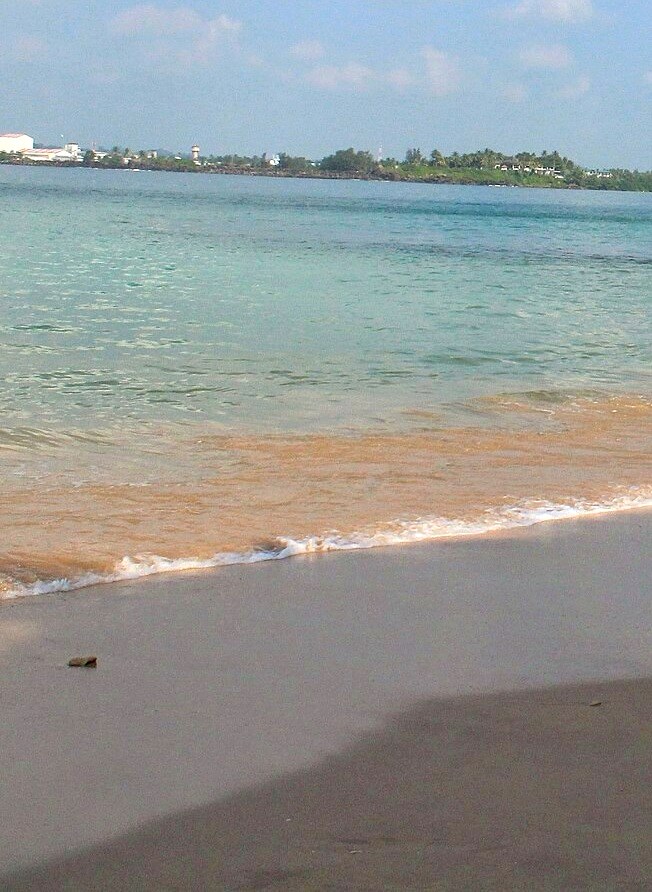
Tangalle, Sri Lanka
Visit Tangalle on Sri Lanka's south coast: long quiet beaches, turtle watching at Rekawa, Mulkirigala rock temple, the best season and nearby safaris.

Beach & Ocean
Rekawa, near Tangalle on the south coast, is a well-known place for guided night watches of nesting turtles on a protected beach. Hatchlings may also be seen, but neither nesting nor hatching is guaranteed on a given visit. Five of the world's seven sea turtle species nest in Sri Lanka, and nesting happens through much of the year. To see turtles in the water, snorkel at Hikkaduwa or Polhena.
Sri Lanka is one of the most important sea turtle nesting areas in South Asia. Five species come ashore to lay their eggs on its beaches:
All sea turtles are protected by law in Sri Lanka. They still face threats from egg poaching, fishing nets, plastic pollution, coastal lights and beach development.
Rekawa, near Tangalle – best for natural nesting Rekawa beach is one of Sri Lanka's most important turtle nesting beaches. A community-based conservation project employs former egg collectors as beach guardians and runs small-group night watches. With a guide, you wait quietly on the beach until a turtle comes ashore, then watch from a respectful distance as she digs her nest and lays her eggs. Hatchlings are sometimes seen emerging and heading for the sea. Watches usually start in the evening and can run late, depending on when a turtle arrives. See Tangalle.
Other nesting beaches Turtles also nest on other quiet beaches on the south, south-east and east coasts, including near Yala and on beaches around Kalametiya. These are not usually set up for visitors, so Rekawa is the best place for a guided watch. See Yala National Park.
You'll see many roadside turtle hatcheries along the west coast, especially around Kosgoda and Bentota. Some were started with good intentions, buying eggs from fishermen so they wouldn't be eaten. However, many conservation experts have concerns about how some hatcheries operate:
If you do visit a hatchery, choose one that releases hatchlings promptly at night, doesn't keep turtles in tanks for display and doesn't let visitors handle them. Our recommendation is to see turtles in the wild at Rekawa, or underwater while snorkeling. See Bentota for other activities on the west coast.
Turtles nest on Sri Lankan beaches through much of the year, so a visit to Rekawa can work in most months. Numbers vary by season and species. Ask the project before you go about recent nesting activity. Turtle activity varies; ask the conservation project about recent nesting activity and suitable visit dates.
Keep your distance, never touch or chase turtles and don't feed them. See snorkeling in Sri Lanka.
See our responsible travel guide for more.
Rekawa is a short drive from Tangalle, so a turtle watch fits easily into a south-coast beach stay. It's a memorable experience for children, too. See our family tour and wildlife tour. Plan this with a local expert. For more ocean experiences, go back to Beach & Ocean.
There are three common ways to connect with sea turtles, and they are not equivalent. A guided night watch on a nesting beach offers a chance to see natural behaviour but depends on luck, timing and discipline. In-water viewing while snorkelling can be rewarding but needs care. Hatcheries vary widely in practice, and some raise welfare concerns.
If you care about the animals, think about the impact of each option. Natural nesting watches that follow strict rules can support conservation and local livelihoods. Snorkelling with turtles requires distance and restraint. Hatcheries may be educational, but practices differ, so you should ask hard questions before visiting.
Be honest about what you want. If you want a guaranteed hatchling release, no wild-based option can promise it. If you accept uncertainty and want a respectful experience, a guided nesting watch or an in-water sighting may be a better choice.
Ask whether eggs are relocated, why relocation is necessary, who authorises and monitors it, and how the project follows current conservation guidance. Ask how hatchlings are protected and released, and whether handling or visitor contact is avoided. Practices and circumstances vary, so do not judge a project by one detail alone; seek transparent answers and independent conservation advice.
Ask about visitor rules. Are you allowed to touch or hold turtles, and are adult turtles kept in small tanks for display? Responsible places keep contact to a minimum and do not allow handling. Ask how funds are used and whether the project works with local authorities and community groups.
If answers are vague, reconsider visiting and seek advice from an independent conservation organisation or local wildlife authority. A responsibly managed natural nesting watch may be a lower-intervention alternative; follow the guide’s instructions and view turtles from a respectful distance.
Night watches depend on strict behaviour. Follow your guide at all times, stay behind the turtle and keep quiet. Avoid walking ahead on the beach, and do not block the animal's path to or from the sea. If the guide asks you to wait, wait.
Light is a major issue. White light can confuse turtles and hatchlings, so avoid torches, phone screens and camera flashes unless your guide gives permission and specifies a suitable light. Switch off notifications, keep screens dim and put your phone away. If you need to move, do so slowly.
Do not touch turtles, eggs or hatchlings. Let any hatchlings make their own way to the sea, and do not attempt to help unless the guide tells you to. Respect the rules even if other people ignore them. If you see poor behaviour, mention it quietly to the guide.
Expect waiting. A night watch may involve long periods of stillness, and no turtle may appear. Nesting depends on season, weather, tide, moonlight and chance. Hatchlings are even less predictable. Go with a calm mind and a willingness to enjoy the beach, the stars and the guide's stories.
If a turtle does come ashore, you may only see part of the process. The animal may turn back or take her time, and the guide may keep the group at a distance. The experience is about respect, not control. If you do not see anything, it does not mean the trip failed.
Ask the project about recent activity, but do not treat it as a guarantee. The best preparation is flexibility in your plans and a good attitude. Do not schedule an early flight or an important commitment immediately afterwards.
Wear dark, quiet clothing and comfortable shoes you can remove easily. Bring a light layer, insect protection and water, but avoid rustling packets and strong scents. Keep your hands free and carry as little as possible. If you need a seat, ask whether the project allows one.
Eat before you go, rest during the day and allow time for the journey. Night driving on rural roads can be tiring, so arrange a reliable driver or transport. Tell someone where you are going, and keep your phone charged but switched to silent and dim.
Bring cash only if the project requests it, and ask about payment in advance. Check what facilities exist on the beach and whether there is shelter. If you have mobility concerns or health conditions, talk to the project beforehand so that they can advise what is possible.
Tangalle and the nearby coast are a practical base for a night watch because they allow you to combine beach time with a calm evening. Choose accommodation that keeps lights off the beach at night and that supports responsible practices. Ask your host about local conditions.
If you stay near the beach, be mindful of your own behaviour. Avoid using bright lights on terraces, and keep noise down late at night. Do not walk on nesting areas or dig in the sand. Respect any signs and rules.
Consider the rest of your stay. Tangalle offers beaches, lagoons and quiet roads, and it can sit alongside a safari or a wider south-coast journey. Build in rest time after a late night, and avoid a heavy schedule the next morning.
If you want an in-water view, choose a calm place and a responsible operator. Keep your distance, do not block a turtle's path to the surface and never touch, chase or ride one. Avoid operators who feed turtles for photos, as feeding changes behaviour and can cause harm.
Photography should never override welfare. Stay horizontal, keep your fins away from the animal and do not crowd it with other swimmers. If a turtle moves away, let it go. Sightings are never guaranteed, and a calm swim can still be rewarding.
Remember that nesting turtles and swimming turtles have different needs. Do not try to combine the two by going into the water at night near nesting beaches. Follow local guidance and respect any restrictions on night access.
Plan a quiet day beforehand. Spend time on the beach, hydrate and rest so that you are alert later. Contact the conservation project in advance and ask about the process, rules and what to bring. Arrange transport and keep your schedule flexible.
On the night, arrive as directed, listen to the briefing and follow your guide. Wait patiently and enjoy the setting. If a turtle appears, watch from the allowed distance and stay quiet. If not, accept the outcome and appreciate the experience of being on a protected beach.
The next day, take it easy. Consider a gentle activity such as a lagoon visit or a walk, and reflect on what you learned. If you want to see turtles in the water, plan a separate snorkel at an appropriate site with a responsible operator.
If a night trip does not suit you, look for other ways to learn about turtles. Conservation talks, community projects and responsible wildlife outings can give insight without the late hours. Children and older travellers may prefer a daytime activity that involves learning rather than waiting.
Companions can take part in different ways. Some may prefer the night watch, others a beach day or a guided walk. Make sure everyone understands the rules and is comfortable with the plan. Nobody should be pushed into an outing they do not want.
Support turtles through everyday choices. Reduce single-use plastic, choose accommodation that manages beach lighting, avoid products made from turtle shell and speak up politely if you see harmful practices. These actions matter as much as any single sighting.
Visit Tangalle on Sri Lanka's south coast: long quiet beaches, turtle watching at Rekawa, Mulkirigala rock temple, the best season and nearby safaris.

Plan your trip to Hikkaduwa, Sri Lanka: coral reef snorkelling, sea turtles, surf, nightlife, the best season, where to stay and south coast tours.

Visit Bentota, Sri Lanka: golden beaches, Madu River boat safari, turtle hatcheries, water sports, the best season, where to stay and private tours.
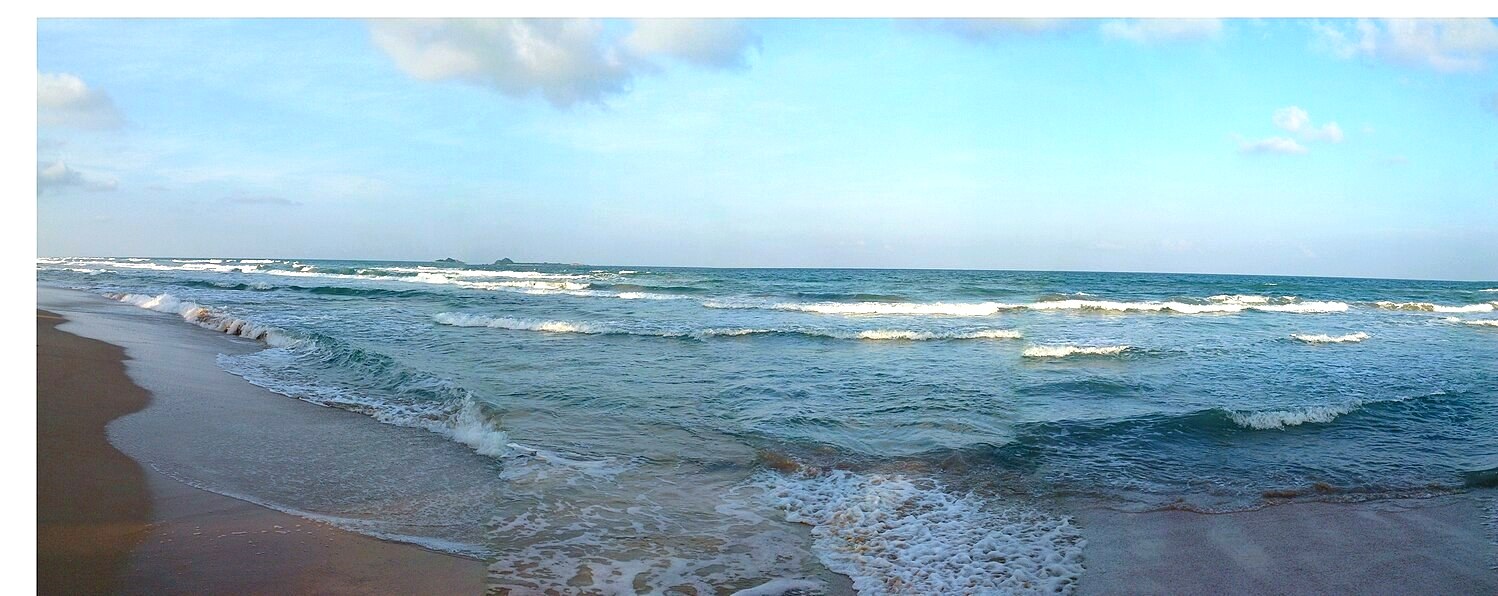
The best snorkeling in Sri Lanka is at Pigeon Island National Park off Nilaveli on the east coast (about May to September), where you can see coral, reef fish and black-tip reef sharks. On the south-west coast, Hikkaduwa, Unawatuna and Polhena near Matara are the best spots for snorkeling with sea turtles (about November to April). Some sites may suit confident beginners in calm conditions; check local sea and current conditions, use appropriate flotation if needed, and follow local guidance.
A sample Sri Lanka wildlife tour: elephant and leopard safaris, rainforest birding and seasonal whale-watching, with responsible viewing throughout.
No. Nesting and hatching depend on season, weather, tide, moonlight and chance, and no responsible project can guarantee a sighting. Ask about recent activity, keep your plans flexible and go with a patient attitude. Enjoy the beach, the guide's knowledge and the chance of seeing wildlife without pressure.
No. Touching can stress or harm turtles and hatchlings, and in some cases may be illegal. Keep your distance, follow your guide and let hatchlings find their own way to the sea. If someone offers you a chance to hold one, politely decline and consider choosing a different operator.
Bright light can confuse nesting turtles and hatchlings, which use natural cues to find the sea. Follow your guide's instructions about lights, switch off phone screens and never use flash. If a light is needed, ask your guide what type is acceptable and how to use it.
Ask where eggs come from, how long hatchlings are kept, when and how they are released, and whether visitors may handle turtles. Be cautious if hatchlings are held for days, released in daylight or adult turtles are kept in small tanks for display. A transparent project answers clearly.
Wear dark, quiet clothing, comfortable shoes that are easy to remove, a light layer and insect protection. Avoid noisy fabrics, strong scents and bright accessories. Carry little, keep your phone silent and dim, and follow the guide's advice about bags, seating and water.
It can be, but consider the late hours, long waiting, the need for quiet and the sensitivity to light. Ask the project about age suitability and what to expect. Prepare children for the rules and the possibility of seeing nothing. Bring snacks, water and plan a quiet day afterwards.
Some reefs and sheltered bays offer chances to see turtles while snorkelling, depending on season and conditions. Choose a responsible operator, keep your distance, never touch or feed turtles and leave if the animal seems disturbed. Sightings are never guaranteed, so enjoy whatever marine life you see.
Reduce single-use plastic, choose accommodation that limits beach lighting, avoid products made from turtle shell, keep beaches clean and follow the rules of conservation projects. Support transparent community initiatives and speak politely if you see harmful behaviour. Small daily choices make a real difference.
Arrange reliable transport in advance, preferably with a driver who knows the area. Night roads can be tiring, so avoid driving yourself if you are weary. Tell your accommodation your plans, keep your phone charged and allow time to rest afterwards. Confirm meeting arrangements with the project.
That is possible and does not mean the trip failed. Nesting is unpredictable, and a good project will not promise an outcome. Use the time to learn from your guide, enjoy the beach and understand conservation efforts. Consider an in-water viewing at another time, with a responsible operator.
From inspiration to your itinerary
Explore our matching private journeys. Tell us your dates and group size for a personalised route, availability and written quote.
Private journey
Choose your coast and combine beach time with island sightseeing.
Explore package
Private journey
Shape your route around the places and experiences you want to explore.
Explore package