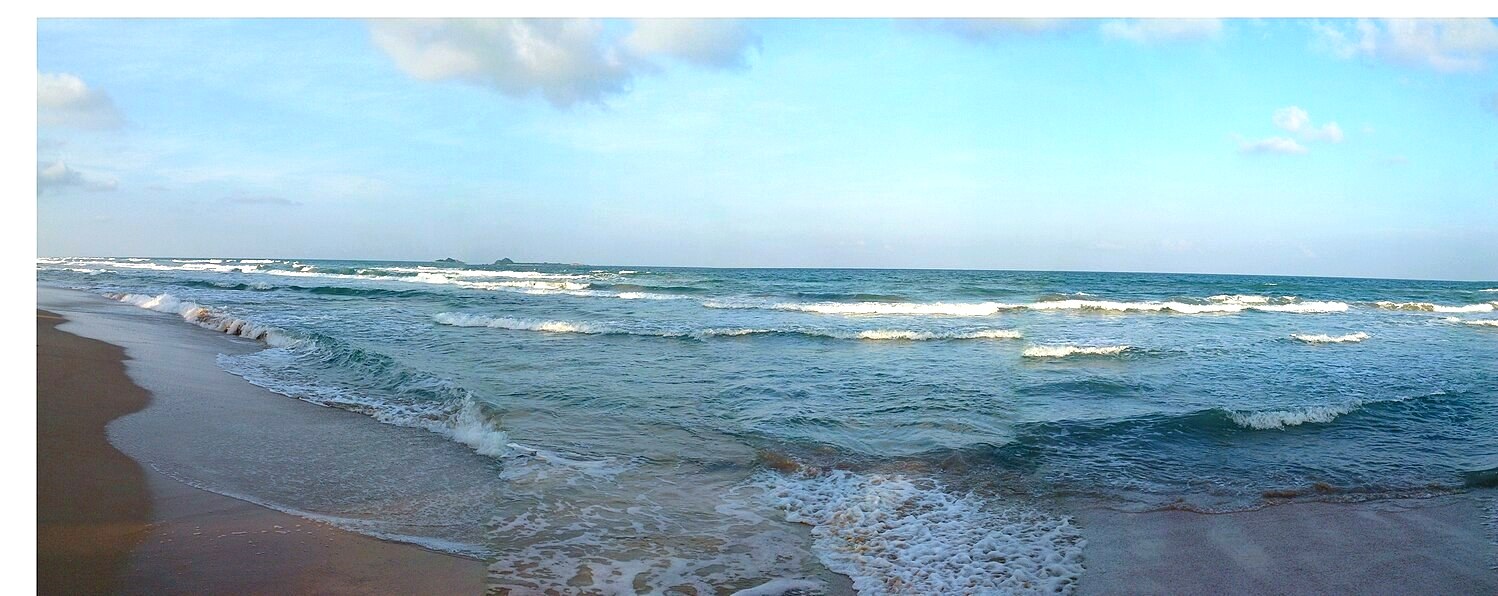
Nilaveli Beach
Visit Nilaveli Beach near Trincomalee: calm water, snorkelling at Pigeon Island, the best months to go, where to stay and private east coast tours.

Beach & Ocean
The best snorkeling in Sri Lanka is at Pigeon Island National Park off Nilaveli on the east coast (about May to September), where you can see coral, reef fish and black-tip reef sharks. On the south-west coast, Hikkaduwa, Unawatuna and Polhena near Matara are the best spots for snorkeling with sea turtles (about November to April). Some sites may suit confident beginners in calm conditions; check local sea and current conditions, use appropriate flotation if needed, and follow local guidance.
Snorkeling is the easiest way to see Sri Lanka's underwater life. You don't need a course or certificate, and several of the best spots are just a few metres from the beach. In the right season the water is warm and clear, and you can often swim alongside green and hawksbill turtles, colourful reef fish and, at Pigeon Island, small reef sharks.
Pigeon Island National Park, Nilaveli – best overall A short boat ride from Nilaveli beach, near Trincomalee, Pigeon Island is a marine national park with some of the best-preserved coral in Sri Lanka. You can snorkel straight from the island's beach over coral gardens full of fish. Black-tip reef sharks are often seen cruising in the shallows, and turtles are common. Visit early in the morning, before the day-trip crowds. The best season is about May to September. See Nilaveli and Trincomalee.
Hikkaduwa – best for turtles Hikkaduwa's shallow coral sanctuary is right off the main beach. Sea turtles regularly feed close to shore, and you have a good chance of swimming near them. The reef has been damaged in the past, but fish life is still good. Season: about November to April. See Hikkaduwa.
Unawatuna – easy bay snorkeling Unawatuna's sheltered bay has rocky reef areas at each end, and the nearby Jungle Beach is a quiet spot for a swim and snorkel. Good for families. Season: about November to April. See Unawatuna.
Polhena, Matara – a natural reef pool At Polhena, a reef close to shore creates a calm, shallow lagoon where turtles often swim. It's popular with families and beginners. See places to visit in Matara.
Mirissa – rocks and fish The rocky ends of Mirissa beach and the nearby coastline have reef fish and turtles on calm days. See Mirissa.
Kalpitiya and the Bar Reef The Bar Reef Marine Sanctuary off Kalpitiya is one of Sri Lanka's largest reef systems. Snorkeling trips run in calmer months. See Kalpitiya.
Hikkaduwa, Polhena and Pigeon Island give the best chances. Remember that these are wild animals. Keep your distance, never touch or chase them, and don't feed them. In some places people feed turtles seaweed for photos, which harms their natural behaviour. Please don't take part. For nesting and hatching, see turtle watching in Sri Lanka.
Visibility is best on calm, sunny mornings. After heavy rain or rough seas, the water can be cloudy.
Yes, at the right spots and in season. Hikkaduwa, Polhena and Pigeon Island have shallow, calm areas. Follow these tips:
Masks, snorkels and fins can be rented at all the main spots. If you have your own well-fitting mask, bring it. Wear reef shoes on rocky entries, and a rash guard to protect against sunburn.
Learn more about Sri Lanka's reefs in our coral reefs guide.
If you enjoy snorkeling, a try-dive is the next step. See scuba diving in Sri Lanka.
Our Sri Lanka beach holidays can include snorkeling on the right coast for your travel dates. Plan this with a local expert. For more ocean experiences, go back to Beach & Ocean.
Snorkelling looks easy, but the best spot for you depends on your swimming ability, your comfort with open water and your tolerance for crowds. A sheltered bay with shallow entry may suit a hesitant swimmer, while a reef with boat access and current can be exciting for stronger snorkellers but stressful for others. Decide honestly where you sit, and choose the place before you choose the schedule.
Think about entry and exit. A sandy beach is easier than rocks, and a reef with a ladder or boat requires comfort with deep water. Ask locally where people usually enter, how far the reef is from the shore and what the water does at different tides. A short swim can feel long when you are tired or nervous, so build in margin.
If you are travelling with children or older relatives, consider whether they would be happier on a glass-bottom boat or a supervised shallow area. Nobody gains from being pushed beyond their comfort. A calm first experience builds confidence, and it often leads to a better second visit.
The south-west coast offers easy access to snorkelling from beaches, with several places where turtles and fish can be seen close to shore in season. It also tends to be busier, which means more boats, more swimmers and more pressure on the reef. A morning visit may offer calmer water and fewer people, though conditions change and no timing can be guaranteed.
The east coast offers a different feel, with a protected marine park and clearer expectations about boats, tickets and visitor numbers. It rewards visitors who plan around the season and who are happy to travel further. Facilities may be more limited at some places, so bring water, sun protection and patience.
Between them, the coasts allow snorkelling for most of the year, but the right coast changes with the monsoon. Look at your dates first and then choose the coast, rather than forcing a beach you love into the wrong season. If you must visit in a shoulder period, ask locally whether conditions are suitable that week.
If you go by boat, ask how many people share it, whether life jackets are provided, who supervises swimmers and how long you will be in the water. A good operator will give a clear safety briefing, explain where not to swim, and keep an eye on every guest. Ask whether the boat uses moorings rather than anchors, as anchoring on coral causes damage.
On the beach, ask about boat lanes, currents and the places that locals avoid. Swimming inside marked areas is safer, and staying away from boat routes is vital. Ask whether guides will accompany you and whether they will help weaker swimmers. Pressure to go further than you want is a warning sign.
Also ask about wildlife behaviour. Responsible operators tell you not to touch, chase or feed animals. If someone offers a turtle feeding show or asks you to hold a creature for photos, decline. A tour that respects animals is generally also better run in other ways.
A good mask matters more than any other item. Test it by placing it on your face without the strap and breathing in gently through your nose. If it holds, it probably fits. A leaking mask spoils a swim and encourages panic. If you have a beard or a lot of hair, adjust the strap and check the seal before you enter the water.
Fins help with efficient movement, but they can also damage coral if used carelessly. Short, controlled kicks and a horizontal body position keep your fins off the reef. A snorkel vest or a flotation device is sensible for weaker swimmers, and it also helps you rest. It is not a replacement for supervision.
Sun protection is part of the equipment. A long-sleeved rash guard, leggings and a hat for the boat reduce sunburn, which is a very common problem after a long swim. Use reef-conscious practices, rinse your gear afterwards and carry water. Plan a shaded break before and after the swim.
Visibility changes with wind, rain, swell and the number of people kicking up sand. A beautiful reef can look dull on a rough day, so remain flexible. If the water is churned, the operator may recommend another time or another place. Take that advice seriously, since snorkelling in murky or rough water is less enjoyable and often less safe.
Currents can be hard to see from shore and strong enough to carry you away from your entry point. Ask a qualified local operator about conditions before entering, and do not snorkel in strong or uncertain currents. Stay within your ability, use appropriate flotation if needed, and go with a competent buddy or guide. If a current carries you away, do not try to swim directly against it; signal for help and follow local safety guidance.
Never snorkel alone, and do not overestimate your stamina. Heat, dehydration and sun can make you tired faster than you expect. Leave the water if you feel cold, dizzy, anxious or short of breath. Anyone with a medical condition should seek advice from a doctor before snorkelling.
Turtles, sharks and fish are wild animals, and your behaviour affects them. Keep a respectful distance, avoid blocking a turtle's path to the surface, and never touch or chase it. Do not use flash, do not feed anything, and avoid approaching with several people at once. If an animal moves away, let it go.
Small marine life deserves the same care. Do not pick up shells, sea cucumbers or starfish, and do not stand on coral or rock. Even a light touch can harm animals and the reef. Hover calmly and use your eyes. The best encounters often come to people who float quietly rather than those who dash around.
Sightings are never guaranteed, so judge a trip by the whole experience. If you see turtles, treat it as a bonus. If you do not, you may still enjoy fish, coral textures and the calm of the water. Operators that promise animals on demand may be encouraging unsuitable behaviour.
A well-paced day starts with a conversation about conditions, then a gear fit and a safety talk. Begin in the shallowest area, practise breathing through the snorkel, clear the mask and check your buoyancy. Only move to deeper water when you feel calm. If you are with a guide, tell them about any worries.
The middle of the day can include a longer swim, a rest on the beach or boat and a second visit if the water remains pleasant. Drink water, reapply sun protection suitably and avoid pushing on when you are tired. If conditions worsen, end the session.
Finish with a gentle review. Rinse your gear, check for sunburn or scrapes, and make notes of what you liked. If you enjoyed the experience, consider a longer trip or a discovery dive with a qualified instructor. If you did not, there are other ways to enjoy the coast, such as walking, birdwatching or glass-bottom boat trips.
If snorkelling is not right for you, there are other ways to see the sea. Glass-bottom boats offer a view of the reef without swimming, though operators must avoid shallow coral. Coastal walks, wildlife trips with responsible operators and visits to conservation projects add context without requiring water time.
If you want to go deeper, a discovery dive or entry-level course with a qualified instructor is the next step. Keep in mind that training and medical fitness are matters for the instructor or recognised agency. Do not try to copy scuba techniques while snorkelling.
Responsible choices extend beyond the water. Carry rubbish away, avoid single-use plastics, choose operators who respect protected areas and follow park rules on tickets and areas. Your presence should leave the reef no worse than you found it. If you see damage or harassment of animals, speak politely to the operator.
Visit Nilaveli Beach near Trincomalee: calm water, snorkelling at Pigeon Island, the best months to go, where to stay and private east coast tours.
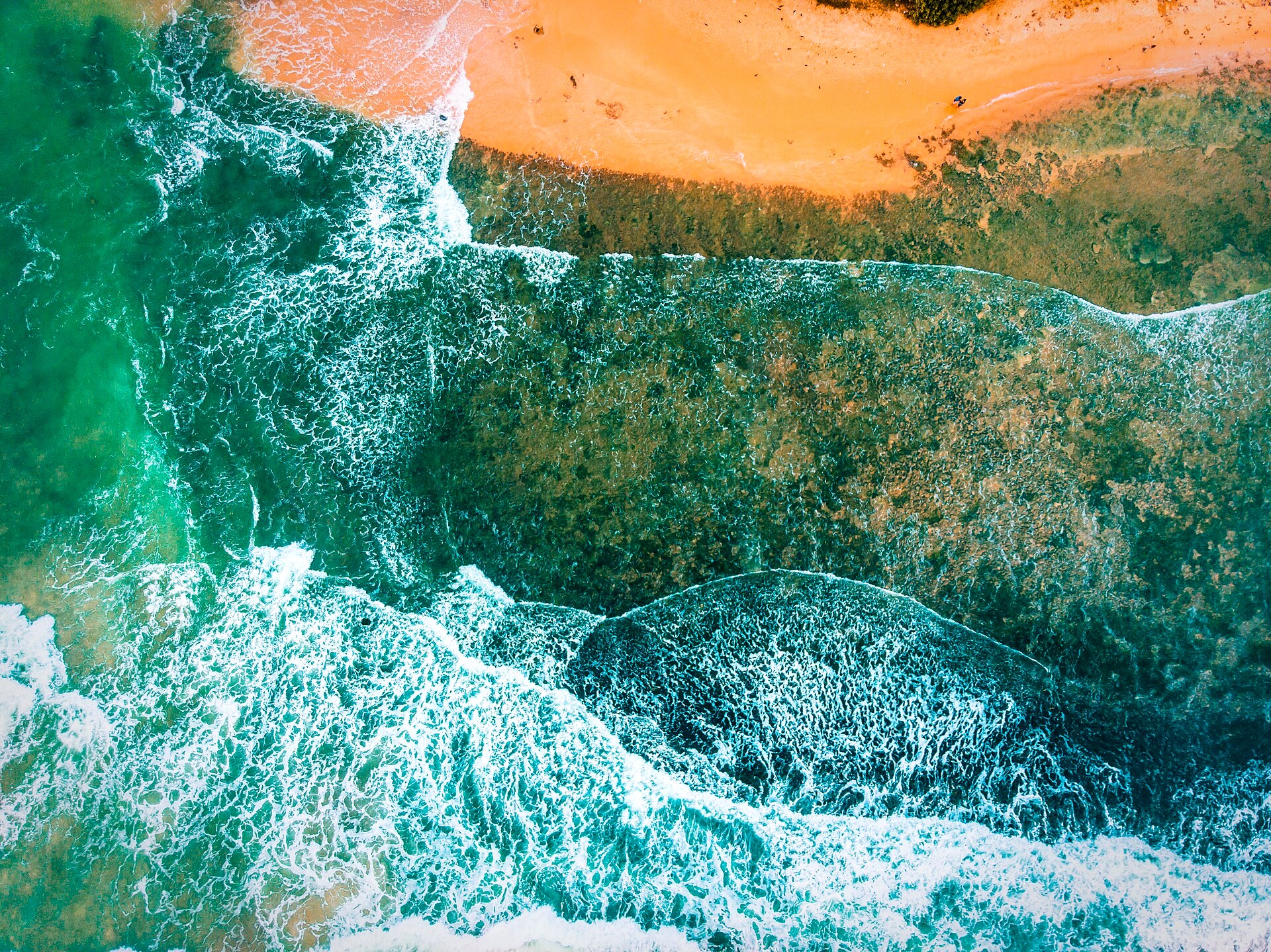
Plan your trip to Hikkaduwa, Sri Lanka: coral reef snorkelling, sea turtles, surf, nightlife, the best season, where to stay and south coast tours.
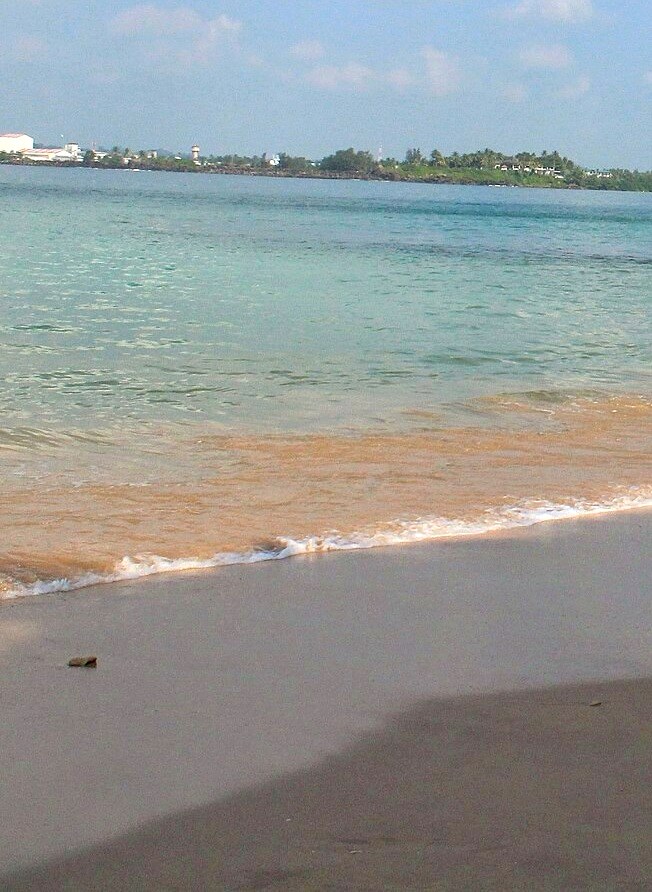
Plan your stay at Unawatuna Beach, Sri Lanka: the bay, Jungle Beach, snorkelling, the Japanese Peace Pagoda, the best season and south coast tours.
Sri Lanka's best coral reefs are at Pigeon Island National Park off Nilaveli, the Hikkaduwa coral sanctuary on the south-west coast and the Bar Reef Marine Sanctuary off Kalpitiya. You can explore them by snorkeling, scuba diving or, if you don't swim, from a glass-bottom boat in Hikkaduwa. Visit the east coast reefs from about May to September and the south-west reefs from about November to April.
Rekawa, near Tangalle on the south coast, is a well-known place for guided night watches of nesting turtles on a protected beach. Hatchlings may also be seen, but neither nesting nor hatching is guaranteed on a given visit. Five of the world's seven sea turtle species nest in Sri Lanka, and nesting happens through much of the year. To see turtles in the water, snorkel at Hikkaduwa or Polhena.
Plan a Sri Lanka beach holiday matched to the season: south and west coasts in winter, the east coast in summer, with sightseeing along the way.
Non-swimmers should not enter open water for snorkelling unless a qualified operator has assessed the conditions and provides close, competent supervision and a properly fitted flotation aid. Tell the operator before booking, and do not rely on a flotation aid as a substitute for supervision. If conditions or support are unsuitable, choose a shore- or boat-based wildlife-viewing option instead.
Check wind, waves, currents, boat traffic, entry points and how far the reef is. Ask a local operator or guide about the day's conditions. Test your mask and snorkel, wear flotation if needed, and agree on a buddy. If something feels uncertain, delay or choose another spot.
Choose a mask that seals without the strap, keep hair away from the skirt and adjust the strap snugly. Use a defogging method suggested by the rental shop or operator, and avoid touching the inside glass. If it still leaks, ask for another size rather than struggling in the water.
No. Touching, chasing or feeding turtles disturbs natural behaviour and may harm them. Keep a respectful distance, avoid blocking their path to the surface and refuse any operator who offers handling or feeding. Sightings are never guaranteed, so enjoy whatever wildlife appears without trying to control it.
It depends on your confidence and the site. Beach entry is often simpler and lets you set your own pace, while boats can reach less crowded areas but require comfort in deeper water. Ask about supervision, flotation, entry and exit, and choose the option where you feel secure.
Many people prefer calmer, brighter periods when the water is often clearer and there are fewer boats, but this varies by site, weather and tide. Ask locally for current advice rather than relying on a fixed hour. Avoid snorkelling in rough, murky or crowded conditions.
A long-sleeved rash guard, leggings and a hat reduce the need for sunscreen on exposed skin. If you use sun protection, follow local guidance and apply it early so it is absorbed before entering the water. Rinse off afterwards and avoid standing on coral.
The main risks include currents, boat traffic, sunburn, tiredness, panic, equipment problems and contact with marine life. Reduce them by staying with a buddy, using flotation if needed, following local advice, keeping clear of boats and leaving the water when you feel unwell or anxious.
It can be, with calm conditions, well-fitted equipment, flotation and constant adult supervision. Start in shallow water and let the child set the pace. Ask the operator about child sizes and safety. Short sessions, shade and breaks help, and nobody should be pushed into deeper water.
Speak to a qualified instructor or a dive centre affiliated with a recognised training agency. They will explain discovery options, entry-level courses and the medical questionnaire. Do not attempt to imitate scuba skills yourself. Ask about conditions, group size and how the centre decides whether a dive is suitable for you.
From inspiration to your itinerary
Explore our matching private journeys. Tell us your dates and group size for a personalised route, availability and written quote.
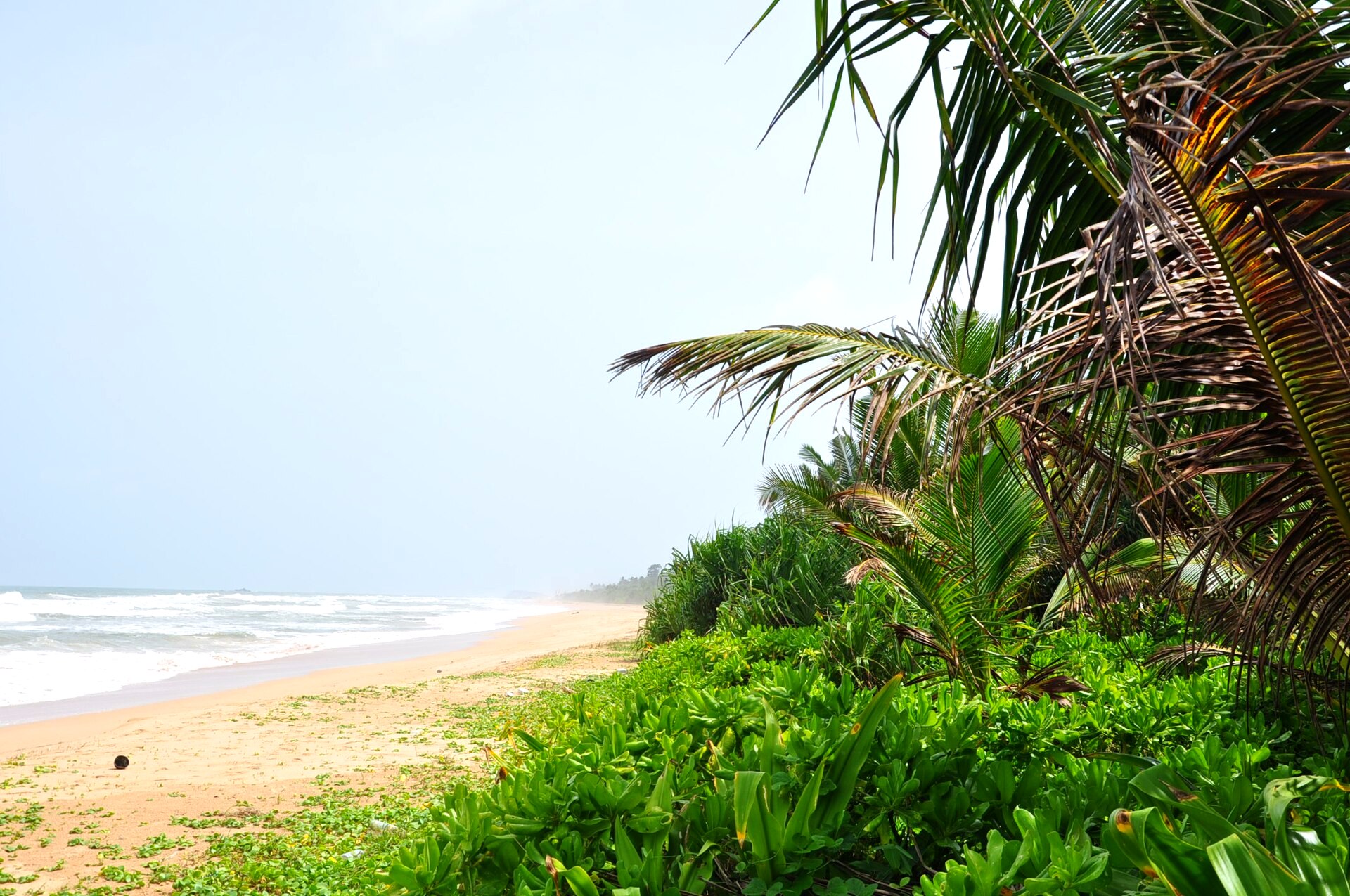
Private journey
Choose your coast and combine beach time with island sightseeing.
Explore package
Private journey
Shape your route around the places and experiences you want to explore.
Explore package