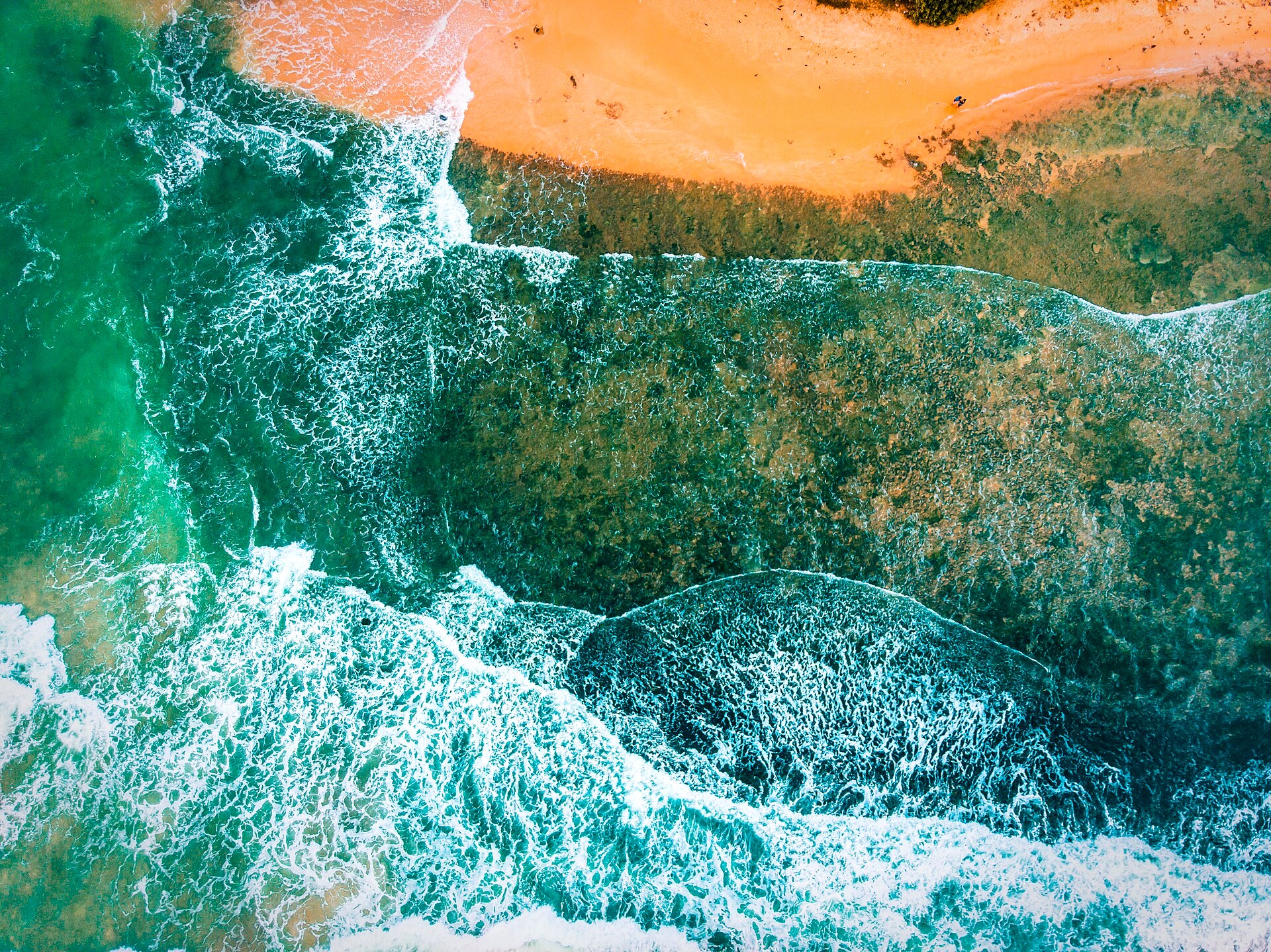
Hikkaduwa
Plan your trip to Hikkaduwa, Sri Lanka: coral reef snorkelling, sea turtles, surf, nightlife, the best season, where to stay and south coast tours.

Beach & Ocean
Sri Lanka is one of the best wreck-diving destinations in the Indian Ocean, because it has sat on busy shipping routes for more than 2,000 years. The most popular wreck dives are off Hikkaduwa, including the SS Conch, and around Galle and Unawatuna on the south-west coast (about November to April). On the east coast, the waters off Trincomalee and Batticaloa hold Second World War wrecks, including the famous aircraft carrier HMS Hermes, which is for experienced technical divers only.
For centuries, Sri Lanka was a stopping point for ships trading between the Middle East, India, China and Europe. Arab, Chinese, Portuguese, Dutch and British ships called at its harbours to trade spices, gems and tea. Storms, reefs, rocks and war sank many of them.
During the Second World War, Sri Lanka (then Ceylon) was an important Allied base. In April 1942, Japanese aircraft attacked ships in the area, and several naval and merchant vessels were lost off the east coast. Together, these wrecks make up an underwater history of the island.
Wrecks also act as artificial reefs. Over time they become covered in coral and sponges and attract large schools of fish, moray eels, lionfish, rays and turtles.
Hikkaduwa – the most popular wreck-diving base Hikkaduwa has several wrecks within a short boat ride, making it the easiest place in Sri Lanka for a wreck dive. The best known is the SS Conch, a steamship and early oil tanker that sank on a reef off the coast in the early 1900s. Its broken hull, boilers and engine parts are now covered in marine life. Other wrecks in the area range from old steamers to more modern vessels. See Hikkaduwa.
Galle and Unawatuna – historic harbour wrecks Galle's harbour was a major port for centuries. Maritime archaeologists have studied several historic wrecks here, including Dutch East India Company ships. Some of these sites are protected archaeological areas and are not open to recreational divers. Dive centres in Unawatuna and Galle offer dives on accessible wrecks and reefs nearby. See Galle Fort, things to do in Galle and Unawatuna.
Trincomalee – Second World War wrecks Trincomalee's deep natural harbour was a major naval base. Several wrecks lie in the surrounding waters, some suitable for advanced divers. Dive centres here operate in the east coast season. See Trincomalee.
Batticaloa and Pasikuda – HMS Hermes and more HMS Hermes, one of the world's first purpose-built aircraft carriers, was sunk off Batticaloa in 1942. It's a famous and deep technical dive, suitable only for certified technical divers with specialist operators. Other wartime wrecks in the area are shallower and suit advanced recreational divers. Pasikuda is a convenient base. See Pasikuda.
Some of the Hikkaduwa wrecks lie at moderate depths and can be visited by Open Water divers with a good guide, in calm conditions. Many divers take an Advanced Open Water or Wreck Diver course to explore deeper wrecks safely. Ask your dive centre which wrecks match your certification and experience. Never enter (penetrate) a wreck without proper training.
Deeper wrecks, wrecks with strong currents and all penetration dives are for advanced divers. HMS Hermes and other deep east-coast wrecks require technical diving training, specialist gas mixes and experienced local operators.
See scuba diving in Sri Lanka for courses and dive centres.
Wreck dives are very weather-dependent. Plan a few spare days in case a dive is cancelled because of sea conditions.
Combine wreck dives with reef dives (see our coral reefs guide) and time on land. Our adventure tour can include diving on the right coast for your dates. Plan this with a local expert. For more ocean experiences, go back to Beach & Ocean.
Wreck diving is not simply reef diving with a prop. A wreck is a structure with edges, openings, hanging cables, sharp metal and often limited visibility. It rewards careful buoyancy, good planning and respect for history, and it asks more of the diver than a gentle reef swim. Even shallow wrecks deserve a serious briefing.
Wrecks can also behave differently from reefs in current and surge. The structure can funnel water or create turbulence, and visibility can drop quickly if silt is disturbed. A site that looks calm on the surface may feel different below. Listen to your guide and be ready to change the plan.
Think about why you want to dive a wreck. Some people enjoy history, others want photographs, and some like the feeling of exploring structure. Be honest about your motives and abilities, because the best wreck dive is one that ends comfortably and leaves everyone ready to dive again.
Your certification and recent experience should decide which wreck you dive. Ask the operator what level and recent diving they expect, and be open about any gaps. If you are unsure, take a refresher or a specialty course with a qualified instructor. A recognised training agency can advise on the progression that suits you.
Penetrating a wreck means entering an overhead environment, and that is a different type of diving that requires specific training and equipment. Do not enter simply because others do. Stay outside unless you are trained, equipped and guided by an operator who is prepared for it. Many rewarding experiences are on the outside of the structure.
Technical wrecks are beyond recreational limits and involve specialist training, gas planning and support. If a dive is described as technical, treat it as outside normal holiday diving. A good operator will tell you plainly whether a site suits you and will not push you towards something unsuitable.
The south-west coast offers a more accessible approach, with several wrecks near established dive centres. This makes it easier to compare operators, build experience and combine wreck dives with reef dives. It can also be busy, so ask about group sizes and how the centre manages them.
The east coast offers a different set of historical sites and a quieter feel, with some wrecks suited to advanced divers and others requiring specialist support. Facilities may be more limited, and conditions depend heavily on season and weather. Plan with a local operator who knows the sites and can advise on realistic options.
Some sites may be protected, restricted or sensitive. Ask which wrecks are open to recreational diving and what rules apply. Do not rely on rumours or old maps. A local operator should be clear about permissions, protected areas and any wartime significance.
Ask who will guide you and what experience they have on the specific wreck. A guide who dives it regularly will know the layout, currents and hazards, and will plan accordingly. Ask about briefing practice, communication underwater and how the group is organised.
Ask about safety equipment and support. Does the boat carry oxygen and first aid, how is surface cover arranged, and what happens if a diver runs low on gas or becomes disoriented? Ask whether the operator uses lines or other markers, and what the plan is if visibility drops. Confidence comes from clear answers.
Ask about cancellations. Wreck dives are very weather-dependent, and a responsible operator will cancel rather than risk safety. Find out how deposits and refunds work, and plan spare days. Be prepared for a change of site, and treat it as part of safe diving.
A wreck dive calls for equipment that you know well. Streamlined hoses, secure gauges and a well-fitted buoyancy device reduce snagging risks. A reliable light can help you see detail and colour, but only use it if you know how. Carry a cutting tool only if you are trained and the operator approves, because it is a safety device, not a toy.
Gloves are a particular question. They can protect hands from sharp metal and growth, but they can also encourage touching, and touching damages marine life. Ask the operator for their policy and keep your hands to yourself. Good buoyancy is better protection than any glove.
Prepare mentally and physically. Sleep well, hydrate and avoid stacking dives when you are tired. Review hand signals and the plan before you enter the water. If you are anxious, say so. A calm dive begins with a calm start.
Many wrecks are historical sites, and some may be graves. Treat them with respect. Do not remove objects, do not move parts of the structure and do not leave anything behind. Taking souvenirs can damage the site, harm marine life and may be illegal.
Keep your fins away from silt and growth. Wrecks are artificial reefs, and the surfaces are covered by living things that grow slowly. A careless kick can destroy years of growth and reduce visibility for others. Good trim and slow movement help preserve the site.
Share responsibly. Do not publish photos or locations in ways that encourage unsafe or illegal access. If you see damage or looting, report it politely to the operator. Our enjoyment of these places depends on their survival.
Begin with a conversation with the dive centre about your experience and goals. An easy reef dive early in the stay lets the guide assess your buoyancy and awareness, and helps you settle gear. If you are rusty, consider a refresher. Do not skip this step if you have not dived recently.
Move to wreck dives gradually. A first wreck might be an exterior-only dive with a briefing on hazards and an agreed plan. Later dives can be more demanding if you and the guide agree it is appropriate. Keep rest days between busy diving days, and watch for fatigue.
Close the stay with a calm dive and a free day. Do not pack your final day with a challenging dive before travel. Ask your instructor or recognised agency about flight timing, and confirm your plan with the centre. A review of the stay with the guide can help you plan future training.
If a wreck is beyond your level, there are other ways to enjoy maritime history. Museums, forts and harbour walks can tell the story without a dive. Boat trips may show the coast from a different angle, and responsible operators will not take you to restricted sites.
Companions who do not dive can enjoy snorkelling on suitable reefs, beach time and cultural visits. Make sure the schedule and boat arrangements suit everyone, and check that non-divers have shade, water and safety information. Nobody should feel left out or pressured.
Finally, consider training as a long-term plan. A specialty course with a qualified instructor builds skills in buoyancy, navigation and awareness, which benefits all diving. If you do not want to dive wrecks, that is fine. Reefs, rocks and open-water sites offer plenty of rewards.
Before joining an exterior wreck dive, ask the guide to identify the planned return route, areas of sharp metal and any fishing lines or nets. Keep cameras secured and avoid reaching into openings for photographs. If the briefing or the conditions leave you uncertain, choose an appropriate open-water reef site instead; a wreck booking does not require you to accept a dive you cannot comfortably manage.
Plan your trip to Hikkaduwa, Sri Lanka: coral reef snorkelling, sea turtles, surf, nightlife, the best season, where to stay and south coast tours.
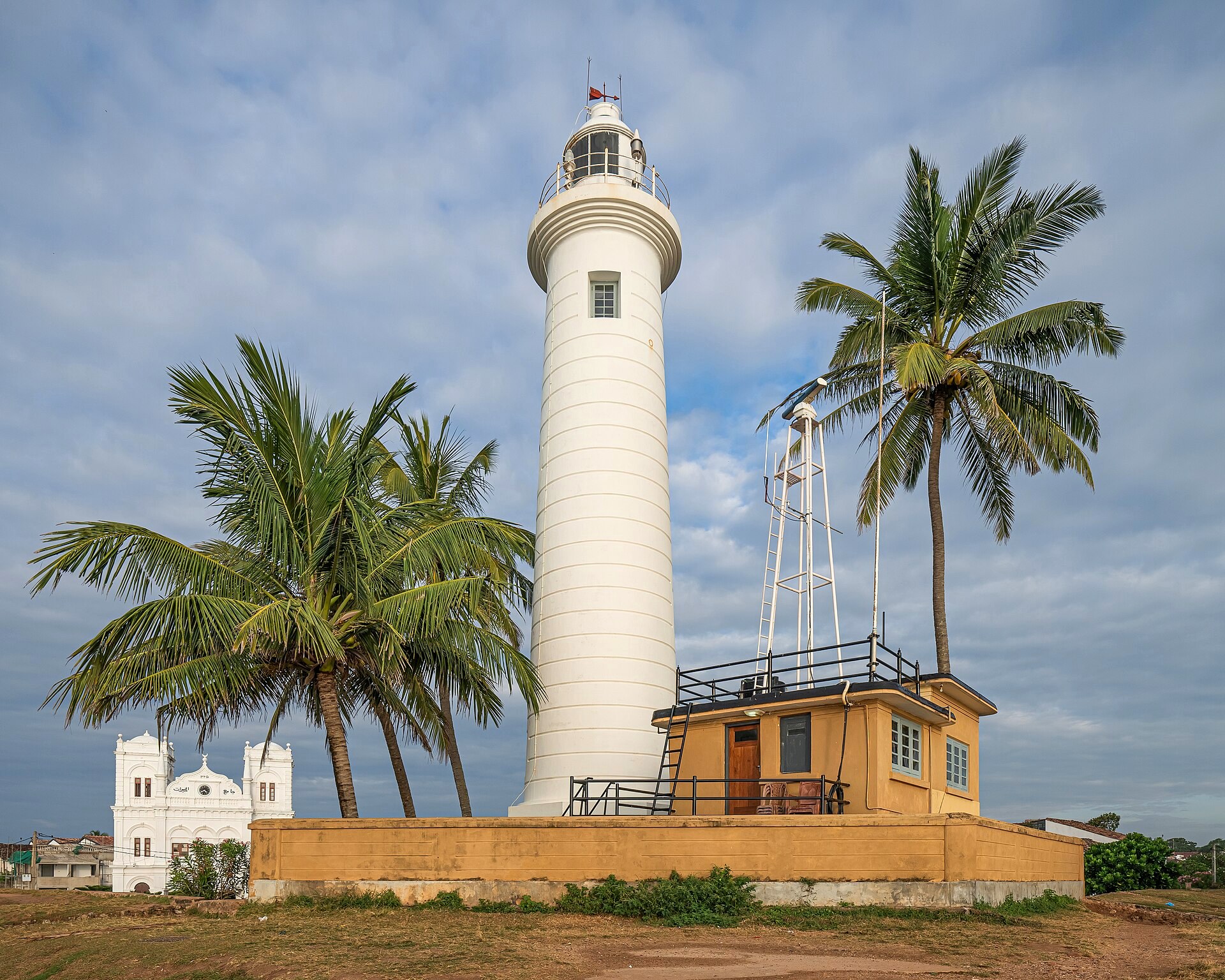
Explore Galle Fort in Sri Lanka: the ramparts, lighthouse, old streets, cafés and sunset walls, with tips on when to go and private Galle day tours.
Plan your stay at Unawatuna Beach, Sri Lanka: the bay, Jungle Beach, snorkelling, the Japanese Peace Pagoda, the best season and south coast tours.
Plan your trip to Trincomalee, Sri Lanka: Nilaveli and Marble beaches, Koneswaram Temple, Pigeon Island, the best season and private east coast tours.
The best scuba diving in Sri Lanka is off Hikkaduwa and Unawatuna on the south-west coast from about November to April, and off Trincomalee, Nilaveli and Pigeon Island on the east coast from about May to September. Divers can explore coral reefs, rocky pinnacles and some of the Indian Ocean's most interesting shipwrecks. PADI and SSI courses for beginners are widely available.
An active Sri Lanka itinerary with hikes, white-water rafting, a sunrise climb of Adam's Peak and surf lessons, planned privately around your fitness.
Some shallower wrecks may be suitable with a guide and good conditions, but it depends on depth, current, visibility and your recent experience. Ask the operator which sites match your certification, and consider a refresher or further training with a qualified instructor. Never enter a wreck without proper training.
Penetration means entering an enclosed or overhead part of a wreck, where you cannot ascend directly to the surface. Risks include silt, entanglement, disorientation and limited exit routes. It needs specific training, equipment and planning. Do not enter unless you are qualified and the operator specifically supports it.
Choose by experience, comfort and interests. Reefs often suit relaxed diving and marine life viewing, while wrecks add structure and history but need better awareness and buoyancy. Ask the guide which suits your level on the day, and be ready to change plans if conditions are not right.
No. Some are protected, restricted, too deep, too hazardous or historically sensitive. Ask a licensed local operator which sites are open and what rules apply. Do not rely on rumours or unofficial maps, and do not dive protected sites without permission.
Stay calm, stop, keep contact with your buddy and guide, and follow the briefed plan. Do not push on or enter the structure. Ascend according to your training and the guide's instructions. A good operator will brief this scenario in advance.
No. Wrecks are historical sites, artificial reefs and sometimes graves. Removing objects can be illegal, damages the site and harms marine life. Take photographs and memories only. If you see someone taking items or damaging the structure, report it politely to the operator.
It is vital. Poor buoyancy can stir up silt, damage growth, snag equipment and make you hit the structure. Practise before you go, ask for a refresher if needed and keep movements slow. Good buoyancy makes the dive safer, clearer and more enjoyable for everyone.
Ask how often they dive the site, what training they have, how they brief the group and what they do if conditions change. A guide who knows the layout and hazards is valuable. Ask about group size and emergency plans. Clear, confident answers are a good sign.
Allow spare days and flexible bookings, because sea conditions can delay or cancel wreck dives. Ask about the operator's cancellation policy and alternative sites. Do not pressure staff to dive in poor conditions. A responsible operator may change the plan to keep everyone safe.
Often not for exterior dives, but a reliable light, well-organised equipment and possibly a cutting tool if trained can be useful. Ask the operator what is required and what they provide. Use only equipment you understand, and follow instructor guidance on any specialist items.
From inspiration to your itinerary
Explore our matching private journeys. Tell us your dates and group size for a personalised route, availability and written quote.
Private journey
Choose your coast and combine beach time with island sightseeing.
Explore package
Private journey
Shape your route around the places and experiences you want to explore.
Explore package