White-Water Rafting in Sri Lanka
Raft the Kelani River at Kitulgala, Sri Lanka's adventure hub. Find out what to expect, safety tips and how to fit rafting into your route.
Explore this experience
Adventure
Mountain mornings, rainforest trails and river adventures, planned around your interests and fitness.
Explore adventure experiencesExplore adventure
Raft the Kelani River at Kitulgala, Sri Lanka's adventure hub. Find out what to expect, safety tips and how to fit rafting into your route.
Explore this experienceSri Lanka's best walks and hikes, from Little Adam's Peak and Ella Rock to Horton Plains, Adam's Peak and Sinharaja, with safety and planning tips.
Explore this experience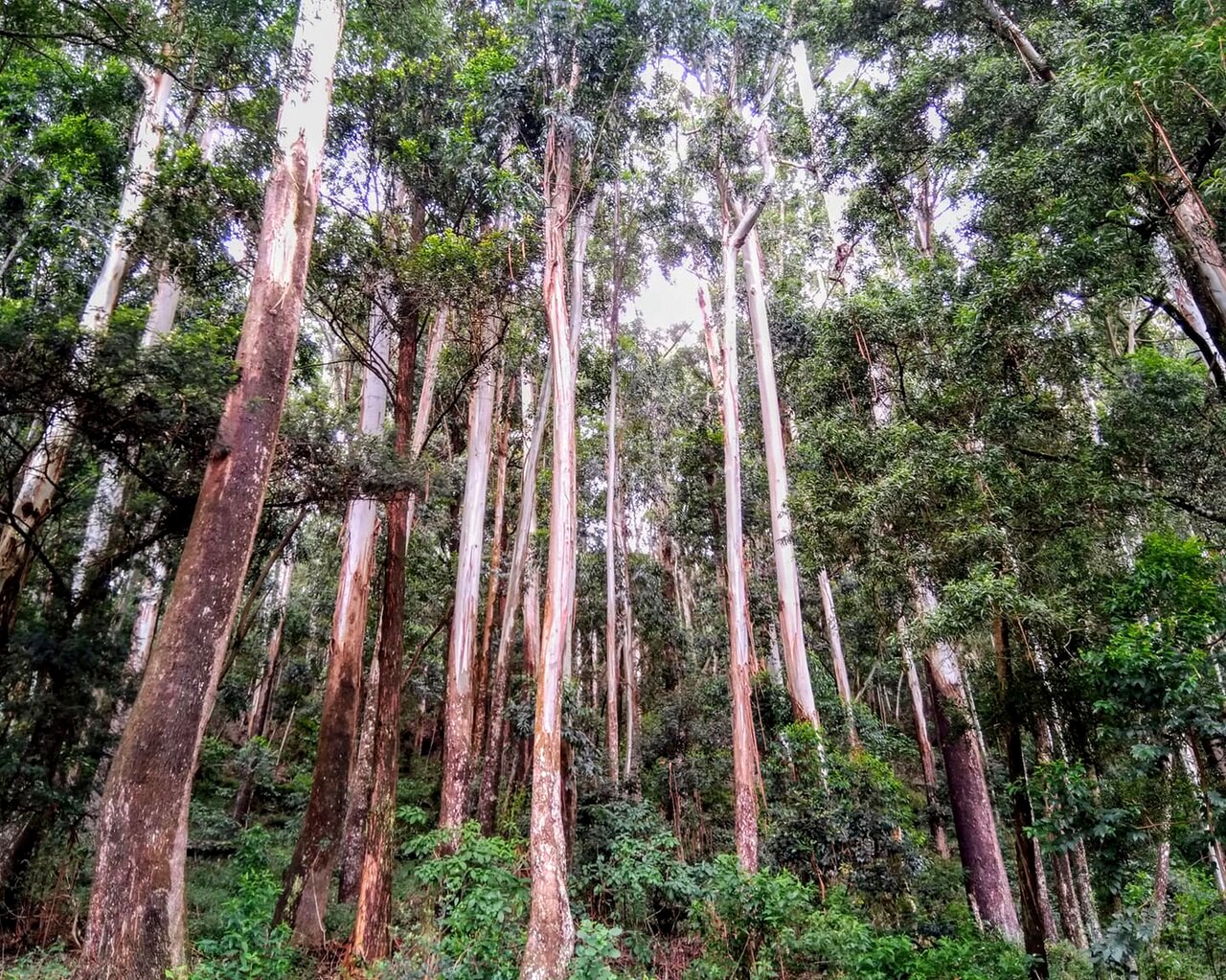
Sri Lanka's best rainforest is Sinharaja Forest Reserve, a UNESCO World Heritage Site in the south-west and the country's last large area of lowland rainforest. Other rainforests worth visiting are Kanneliya near Galle and the forests around Kitulgala, where you can combine a jungle trek with white-water rafting. A local guide is required in Sinharaja, and you should wear leech socks. The driest months are roughly December to April.
Explore this experience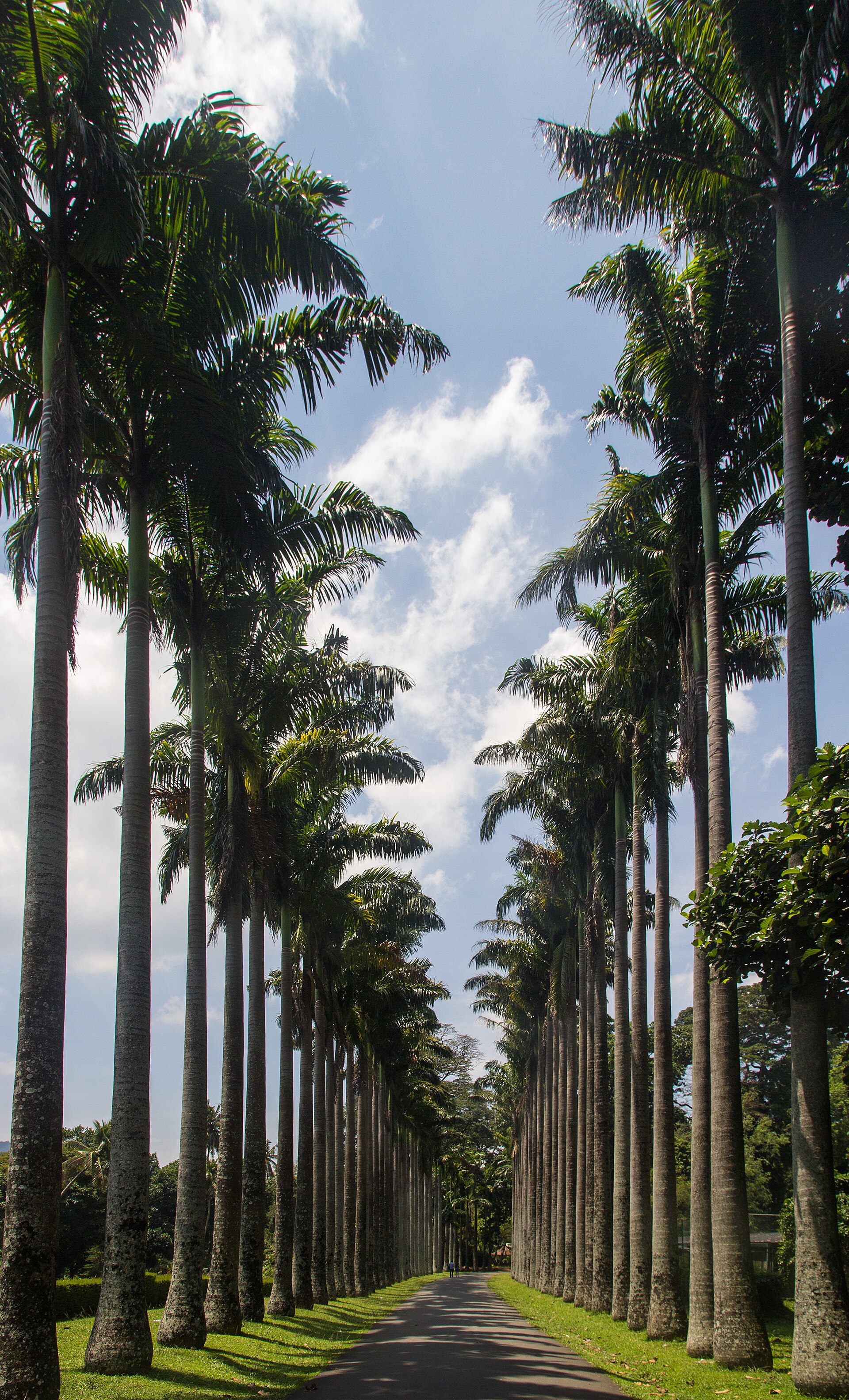
Sri Lanka is part of the Western Ghats and Sri Lanka biodiversity hotspot, one of the richest regions for wildlife on Earth. Its famous fauna includes the Sri Lankan leopard, Asian elephants, sloth bears, blue whales and around 35 endemic birds. Its flora ranges from lowland rainforest and cloud forest to orchids and ancient sacred trees. Many of its frogs, reptiles and plants are found nowhere else. The best places to see them are Yala, Wilpattu, Udawalawe, Sinharaja, Horton Plains and Peradeniya Botanical Gardens.
Explore this experience
Sri Lanka's best lesser-known attractions include the jungle-covered forest monastery of Ritigala, peaceful Sembuwatta Lake near Kandy, boat safaris in Gal Oya National Park, Bambarakanda Falls (the island's tallest waterfall), the Tamil culture and islands of Jaffna in the far north, and the quiet wildlife of Kumana National Park. All are far less crowded than Sigiriya, Ella and the south coast.
Explore this experienceThe best place to see gem mining in Sri Lanka is Ratnapura, the "City of Gems", about three hours' drive south-east of Colombo. On a visit you can see traditional pit mines, watch miners wash gem-bearing gravel in woven baskets, visit a gem-cutting workshop and see the morning gem market. Sri Lanka is world-famous for blue sapphires. If you buy, buy only from reputable dealers and ask for a certificate from the National Gem and Jewellery Authority.
Explore this experienceTell us your dates and favourite experiences. Our local team will help shape a journey around you.
Sri Lanka is a compact adventure playground. You can trek through a UNESCO rainforest, raft white water at Kitulgala, climb Adam's Peak before dawn, go on a jeep safari for leopards, follow the legendary Ramayana Trail and watch miners dig for sapphires in Ratnapura, as part of a carefully planned route. Journey times vary by destination and road conditions. The pages below cover each adventure in detail.
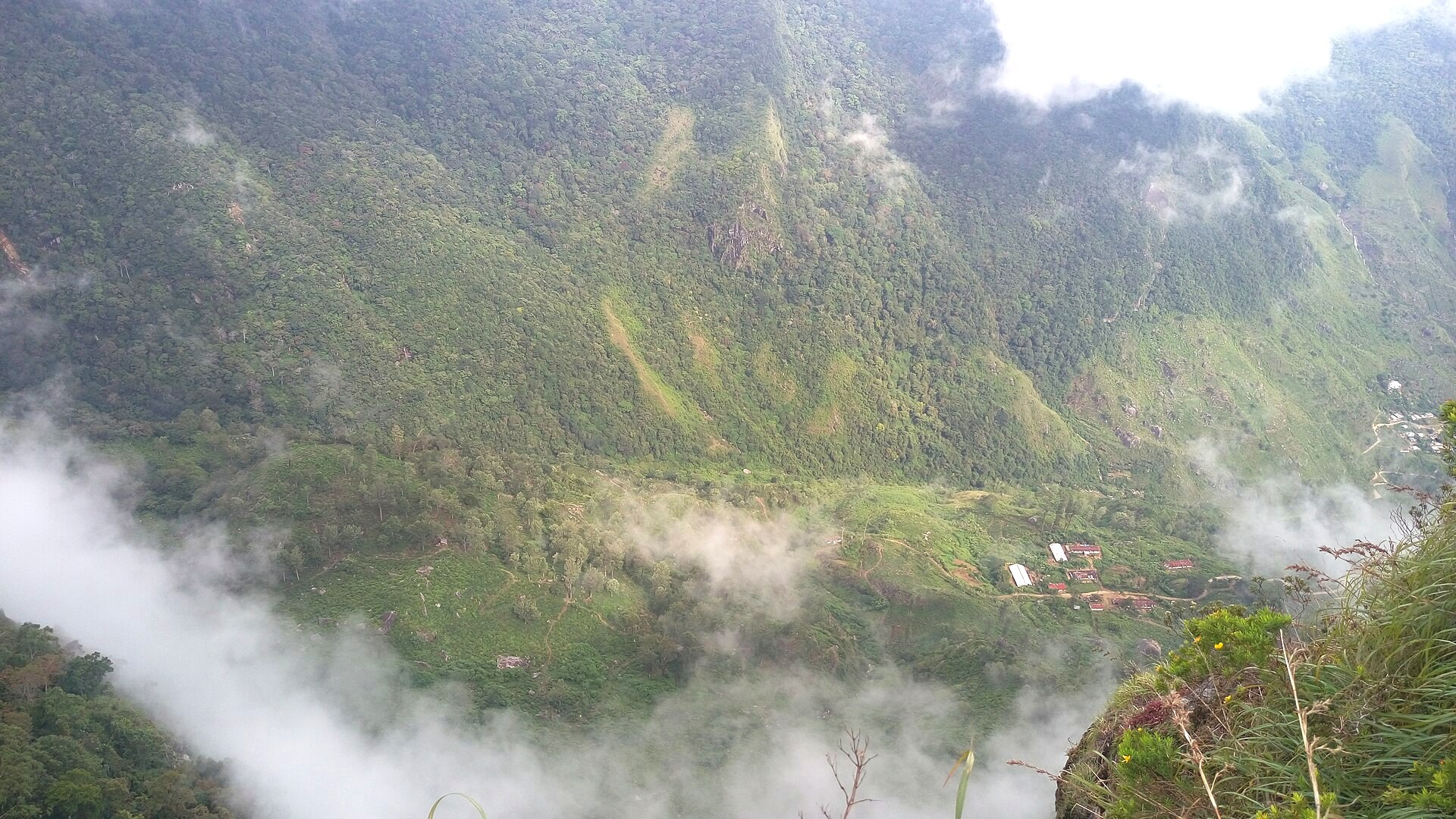
Sri Lanka's landscapes change quickly, and so do its adventures. The wet south-west is covered in rainforest and rivers. The central highlands rise to more than 2,500 metres, with ridges, cliffs and waterfalls. The dry zone is open jungle and grassland full of big animals. Around it all is a warm ocean.
Because distances are short, you don't need to choose one type of adventure. A typical week could combine rafting, a rainforest trek, a safari and a mountain sunrise. Some activities offer beginner options, but suitability depends on the route, conditions, health and any required training; experienced trekkers and divers will find plenty of challenge too.
Sinharaja Forest Reserve is a significant surviving area of lowland rainforest in Sri Lanka and a UNESCO World Heritage Site. Guided trails lead under a dense canopy, past streams and waterfalls, with chances to see endemic birds, lizards and purple-faced langur monkeys. Kanneliya and the forests around Kitulgala offer more rainforest walks. See rainforests in Sri Lanka.
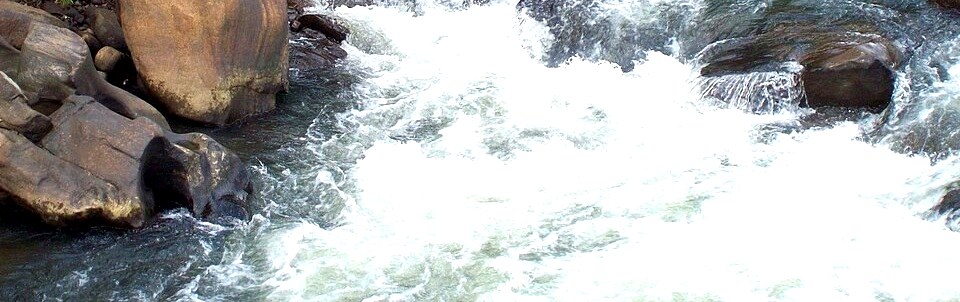
Kitulgala, on the Kelani River, is Sri Lanka's rafting centre. Trips run through rainforest scenery, with beginner options subject to river conditions and operator assessment; some operators also offer canyoning or a jungle walk. See white-water rafting in Sri Lanka.
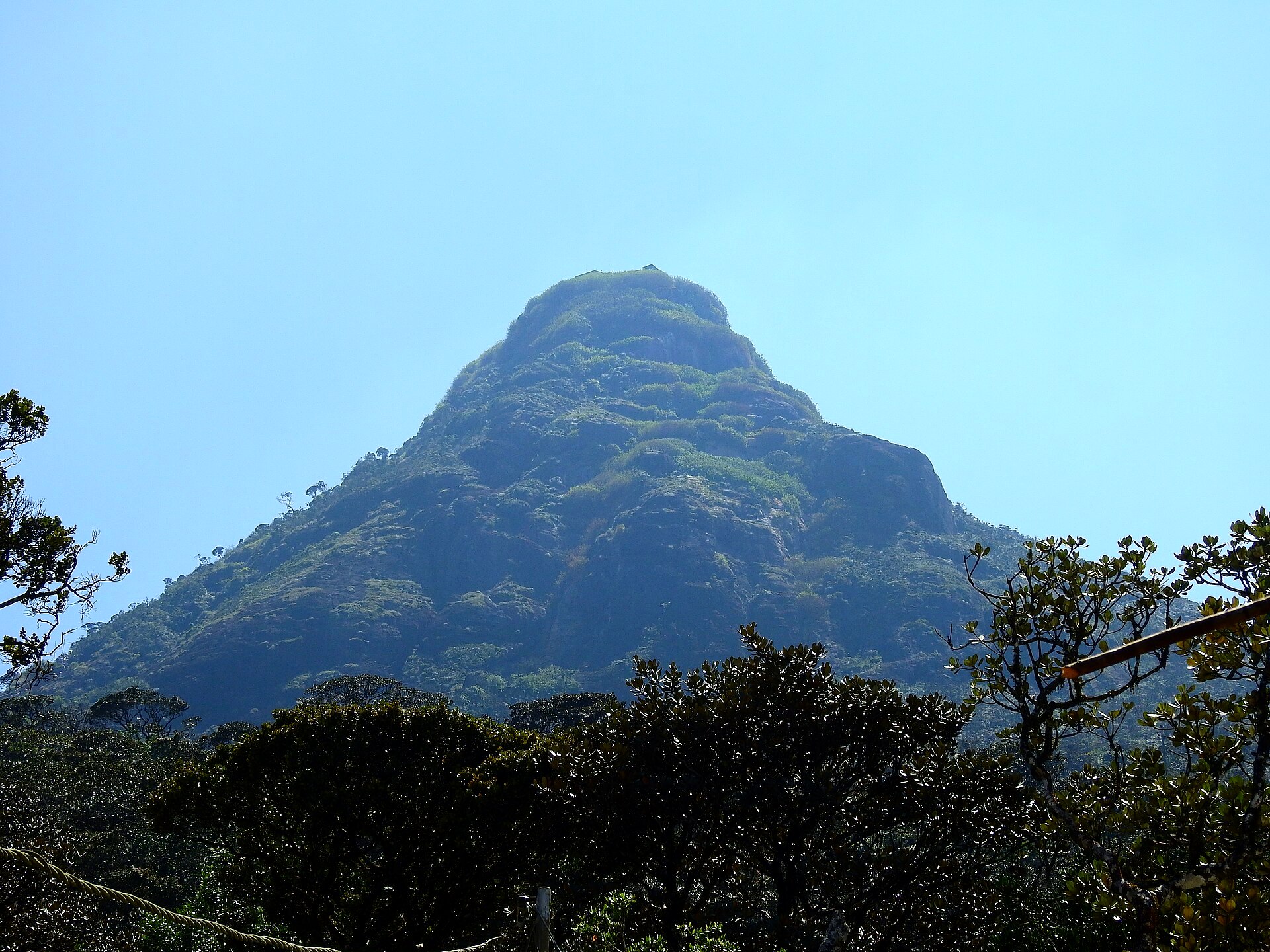
The classic challenge is the night climb up Adam's Peak (Sri Pada) to watch sunrise from the summit, a pilgrimage made by thousands each season. The Knuckles range offers remote multi-day trekking, while Ella and Horton Plains have shorter, very scenic hikes. See guided hiking.
Tracking leopards, elephants and sloth bears by jeep is one of Sri Lanka's best adventures. Yala, Wilpattu, Udawalawe and Minneriya each offer something different. See our guide to wildlife safaris in Sri Lanka or book a full Sri Lanka wildlife tour.
Sri Lanka is part of one of the world's biodiversity hotspots. Many of its frogs, reptiles, birds and plants live nowhere else. Learning to spot them is an adventure in itself. See flora and fauna of Sri Lanka.
For many travellers from India and beyond, Sri Lanka is the Lanka of the Ramayana epic. A trail of temples, caves, waterfalls and hills is linked to the story of Rama, Sita and Ravana, from Ravana Falls near Ella to Seetha Amman Temple in Nuwara Eliya. Read our Ramayana Trail guide or join a Ramayana Trail tour.
Ratnapura, the "City of Gems", has been mined for sapphires and other precious stones for centuries. You can see traditional pit mines, watch gravel being washed in woven baskets and learn how to tell a real gem from a fake. See gem mining experiences.
If you want to get off the main tourist route, Sri Lanka still has plenty of quiet corners: the forest monastery of Ritigala, Sembuwatta Lake, Gal Oya's boat safaris, Bambarakanda Falls, Kumana National Park and the far north around Jaffna. See hidden gems of Sri Lanka.
Our Sri Lanka adventure tour can be adjusted to your fitness level and interests. Ask our local team to combine adventure with beaches or culture.
A sample Sri Lanka wildlife tour: elephant and leopard safaris, rainforest birding and seasonal whale-watching, with responsible viewing throughout.
A private 6-day Ramayana Trail tour in Sri Lanka: Munneswaram, Seetha Amman Temple, Ravana Falls, Kelaniya and more, with your own vehicle and driver.
An active Sri Lanka itinerary with hikes, white-water rafting, a sunrise climb of Adam's Peak and surf lessons, planned privately around your fitness.
Adventure in Sri Lanka covers a wide spectrum, and the most useful first step is deciding where you sit on it. At the gentle end are activities that feel exciting but are tightly supervised, such as rafting on a beginner-friendly stretch of river, a guided forest walk or a jeep safari. In the middle are longer walks, steep climbs and activities that depend on weather and fitness. At the demanding end are multi-day treks, remote trails and anything where conditions change quickly and help is far away.
Be honest about your fitness, your tolerance for heat and your comfort in water. Many visitors overestimate how easy an early start and a long climb will feel after a long flight, and underestimate how tiring humidity can be. Also consider your group. A trip planned around the most adventurous person often disappoints everyone else, while one planned around the most cautious person may bore the keen walker. A good compromise is to include one standout challenge and keep other days gentle.
Adventure also depends on what makes you feel alive. Some people want speed and splashing, others want solitude, and others want a sense of achievement at a summit. Knowing your motivation helps narrow the choices. If you enjoy water and teamwork, a river activity may appeal. If you prefer quiet effort, a long walk might satisfy you more. This clarity makes planning simpler and avoids paying for activities that do not suit you.
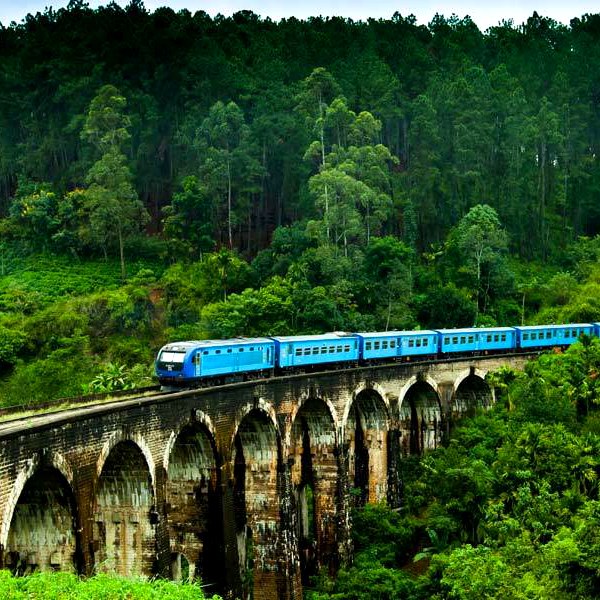
A balanced active week can mix water, forest, mountain and wildlife, and it works best when the intense days are spaced apart. One approach begins near the western foothills with a river-based day, then moves into rainforest for a slower, quieter walk. After that, the route climbs toward the central highlands for a hill walk or a night climb, followed by a rest day among tea country, and then descends to a dry-zone park for an open-air safari.
The logic here is to alternate effort and recovery. A dawn climb followed by a long drive is draining, so schedule a lighter day afterwards. Likewise, a river activity can be tiring on the shoulders and arms, and you may prefer to follow it with a gentle forest stroll. Leave a spare half-day for weather delays, because rafting, canyoning and hill walks can all be affected by rain and river levels.
For travellers with less time, the same idea can be compressed. Choose one water activity and one walking activity, then add a safari if you can spare the days. Avoid stacking three strenuous activities in a row. The goal is to enjoy each experience properly instead of surviving it, and a calm day in the middle often becomes a highlight when you have somewhere pleasant to rest, such as a verandah above a valley.
Water activities in Sri Lanka depend heavily on rainfall, river levels and operator judgement. A river that is perfect one week can be too high or too low the next, and good operators will cancel or change the route instead of taking risks. This can frustrate visitors with fixed schedules, so build flexibility into your plan and avoid booking water activities on your last day before a flight.
Think about your swimming ability and comfort. Life jackets and helmets are standard, but panic in moving water can be dangerous for anyone, and you should tell your guide if you are nervous. Wear shoes that stay on, and avoid dangling jewellery. Secure glasses with a strap, and leave phones and cameras in a waterproof bag, or consider using a guide-held camera if offered.
Beyond rafting, some operators offer canyoning, waterfall abseiling and similar activities. These involve ropes and harnesses, and the quality of equipment and supervision matters more than price. Ask how guides are trained, how often equipment is replaced and what the rescue plan is. If answers feel vague, choose another provider. Reputable operators will welcome such questions, because they want informed clients who follow instructions and enjoy the day safely.
Mountain adventure here is less about technical climbing and more about steps, steep paths and endurance. The best-known challenge is a night climb up a sacred peak, where thousands of steps lead to a summit viewpoint at dawn. It is physically demanding but requires no special skill, and the atmosphere of pilgrims, tea stalls and lanterns is part of the appeal. The trade-off is crowds during the pilgrimage season and cold, windy conditions at the top.
Forest challenges are different. Rainforest trails are often muddy, slippery and humid, with roots and streams to cross. Leeches are common after rain, and while harmless, they unsettle some people. Highland trails may be misty and cool, with grass and boggy patches, and visibility can disappear quickly. In remote hills, paths may be unmarked and phone signal unreliable, so a local guide is a practical necessity.
Choose footwear with real grip, and break boots in before you travel. Carry water, snacks and a light rain layer, even on short outings. If you are unsure about your fitness, start with a shorter route and increase difficulty later in the trip. Altitude, heat and humidity combine in ways that surprise many visitors, and the people who enjoy these days most are usually those who paced themselves and rested well the evening before.
Not every adventure involves adrenaline. Some of the most memorable journeys follow stories, such as the legendary route linked with an ancient epic, which connects temples, caves, waterfalls and hills across the island. Travelling this way gives purpose to your driving days, because each stop has a narrative, and it appeals to travellers who like history, mythology and religion as much as scenery.
The trade-off is that many sites are small, and their link to the story is a matter of tradition and belief rather than archaeology. Approach them with respect and curiosity, ask guides to explain local perspectives, and be ready to dress modestly and remove shoes at religious places. You may enjoy this style more if you accept that atmosphere, rather than spectacle, is the point.
Gem mining towns offer another kind of adventure. Visiting pits, watching gravel being washed and learning how stones are assessed gives an insight into a traditional livelihood. Treat any purchase as a serious decision, take your time, and avoid pressure from touts. If you buy, deal only with reputable sellers and ask for documentation. Many visitors enjoy the experience most when they treat it as a learning visit and do not feel obliged to buy anything.
Travellers who want quieter adventures can look beyond the best-known sites. Remote forest monasteries, boat trips on large inland reservoirs, distant waterfalls and far northern towns all offer more solitude. These places often have fewer facilities, limited signage and simpler accommodation, and getting there may take long drives on rough roads. The reward is space, authenticity and a sense of discovery.
The main trade-off is convenience. Without a guide or reliable transport, you might waste time finding the right track or arrive when something is closed. Ask local hosts for advice, keep a flexible schedule and carry cash, snacks and water. Mobile coverage can be patchy, so download maps in advance and tell someone your plan.
Quiet places also deserve gentle behaviour. Smaller communities may not be used to large groups, and a respectful approach goes a long way. Ask before photographing people, buy from local shops and keep noise low near religious sites. If you plan these stops alongside big-name highlights, balance the itinerary so that long, rough drives do not come back-to-back. A well-chosen off-route day often becomes the one people talk about most.
Adventure is more enjoyable when safety is handled well. Check that your travel insurance covers the specific activities you plan, since some policies exclude rafting, canyoning, abseiling or hiking above a certain altitude. Read the small print and ask your insurer if unsure. Carry a copy of the policy details, and let your hotel know your plans.
On the day, trust your guide's decisions, especially on water and in changing weather. Operators who cancel because of river levels or storms are protecting you, even if it is inconvenient. Listen to briefings properly, follow instructions and tell the team about injuries, medical conditions or fears. Avoid alcohol before activities, and drink enough water in heat.
Judgement also applies to your own limits. Turning back on a climb, skipping a rapid or choosing a calmer option is not failure. Fatigue, heat and wet surfaces cause many problems, and the best protection is rest, hydration and humility. Keep a basic first-aid kit, insect repellent and any personal medication in your day bag. A thoughtful approach lets you enjoy the thrill with a clear head and finish each day feeling satisfied instead of shaken.
The practical side of adventure planning is often what decides how a trip feels. Roads are winding, and a short distance on a map can take much longer than expected. Build buffer time before and after key activities, and avoid scheduling a demanding outing right after a long transfer. Early starts are common, so protect your sleep.
Choose accommodation that suits the plan. A simple lodge near the activity can be better than a luxury hotel an hour away, because it saves time and gives you a calm base. After intense days, include a recovery stop with a pool, a massage or just a quiet verandah. Muscles, blisters and sunburn are easier to manage when you have time to rest.
Finally, keep the plan flexible. Weather, river levels and road conditions can change schedules, and rigid itineraries create stress. Ask your planner which activities can be swapped and which depend on fixed dates. Pack light but smart: quick-dry clothes, a small dry bag, sturdy shoes and a headtorch for early starts. With a sensible rhythm, adventure becomes the highlight of a holiday and not an endurance test.
Beginner-friendly river rafting, guided forest walks, jeep safaris and short viewpoint hikes are generally suitable. They involve supervision and can be adjusted to your pace. Avoid stacking several tiring activities back to back, and tell your guide about any health concerns so they can choose the right route and speed.
Alternate a demanding day with a lighter one, and avoid pairing a pre-dawn climb with a long drive. Humidity and early starts drain energy more than most visitors expect. Include at least one genuine rest day in a week, ideally somewhere pleasant such as tea country or a quiet coast.
Yes, it can be. River levels and weather can lead operators to cancel or change plans, and long transfers add delay risk. Schedule water activities earlier in your trip and leave a buffer day. That way a cancellation becomes an inconvenience rather than a missed opportunity or a stressful rush.
Sturdy shoes or boots with good grip suit hill and forest trails, while secure sandals or water shoes suit river activities. Break shoes in before travelling and bring spare dry socks. Slippery roots, wet rock and steep steps are the usual hazards, and poor grip causes more trouble than distance does.
Many can, depending on health and choice of activity. Jeep safaris, boat trips and gentle walks are widely suitable, while night climbs and steep trails are tougher. Talk to your doctor, tell your planner about mobility, and choose shorter, flexible formats with plenty of rest breaks and a reliable driver nearby.
You should be comfortable in water, though guides provide helmets and life jackets and brief you carefully. Tell the team if you are nervous or cannot swim, because they may adjust your seat or recommend a calmer alternative. Never hide a fear, since panic is more dangerous than honest caution.
Ask about guide training, equipment condition, safety briefings and rescue plans. Reputable operators answer clearly and may cancel when conditions are poor. Be cautious if staff seem vague, equipment looks worn, or briefings are rushed. Check recent traveller reports and confirm that your insurance covers the activity before you pay.
Place active days between restful stops, such as a hill-country stay, a lagoon trip or a few beach days. Do not schedule everything intense in sequence. Many travellers enjoy finishing with a coastal stay, so tired legs can recover and the holiday ends on a calm note.
They can be difficult. Public transport may be infrequent, roads can be rough and signage limited, so a private driver or well-planned local transport saves time. Carry cash and water, download maps, and tell someone your plan. A local guide often makes remote visits easier and more rewarding.
Pack quick-drying clothes, sturdy shoes, a light rain layer, a warm layer for the hills, sun protection and a refillable bottle. Add a small dry bag, insect repellent and a headtorch for early starts. Keep medication and basic first aid in your day bag, and check insurance before you leave.
From inspiration to your itinerary
Explore our matching private journeys. Tell us your dates and group size for a personalised route, availability and written quote.