Ritigala Forest Monastery
Explore Ritigala, an ancient forest monastery on a jungle mountain between Anuradhapura and Habarana: ruins, meditation platforms, history and visitor tips.

Adventure
Sri Lanka's best lesser-known attractions include the jungle-covered forest monastery of Ritigala, peaceful Sembuwatta Lake near Kandy, boat safaris in Gal Oya National Park, Bambarakanda Falls (the island's tallest waterfall), the Tamil culture and islands of Jaffna in the far north, and the quiet wildlife of Kumana National Park. All are far less crowded than Sigiriya, Ella and the south coast.
Most visitors follow the same classic route: Sigiriya, Kandy, the Ella train and the south coast beaches. These places are popular for good reason, but in high season they can feel crowded. Sri Lanka still has plenty of corners where you'll see few other travellers, meet local people more easily and experience a quieter side of the island.
Many of these hidden gems are only a short detour from the main route, so you can add one or two without changing your whole trip.
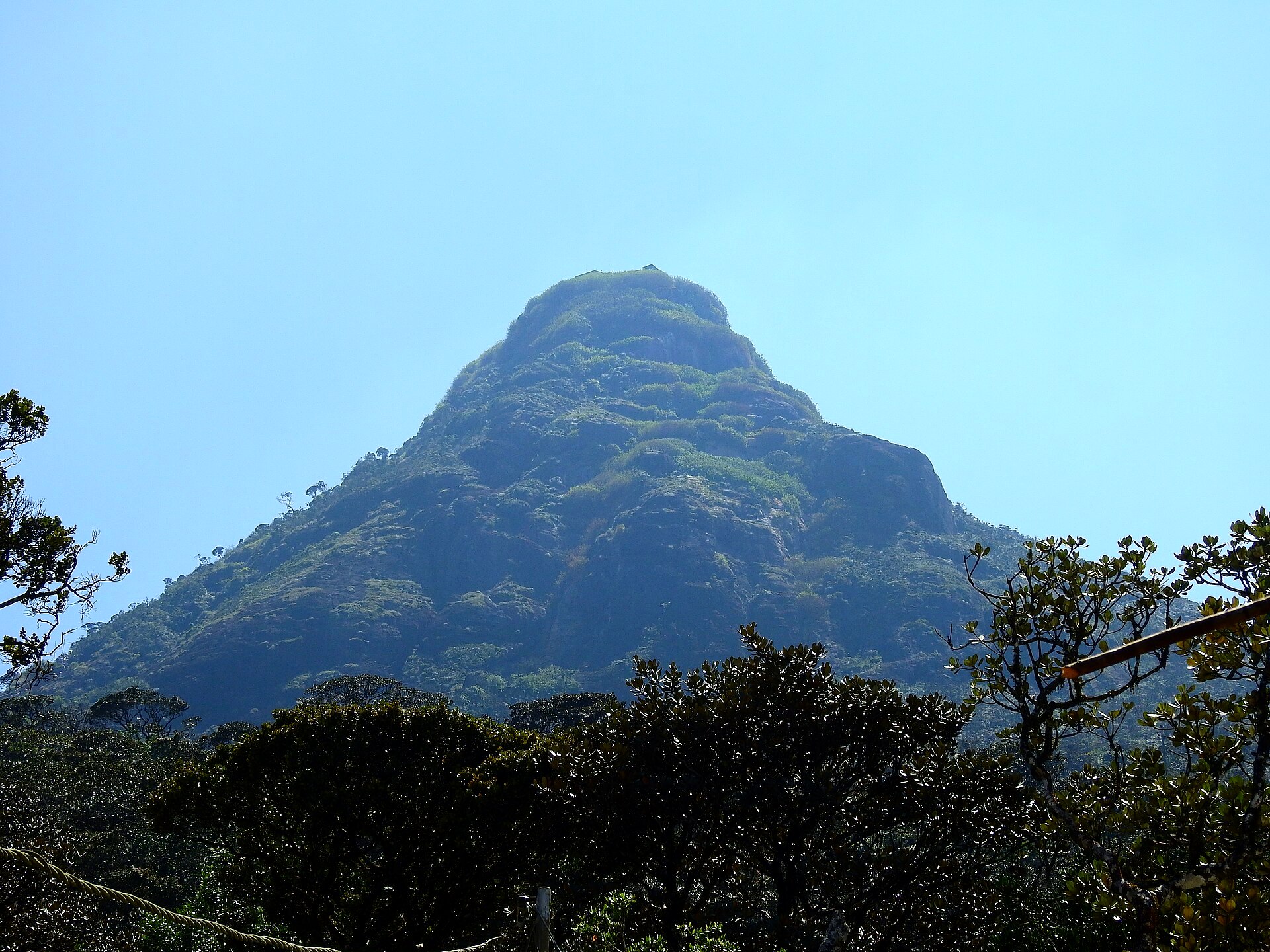
Ritigala – a lost forest monastery Hidden on a jungle-covered mountain near Habarana, Ritigala is the ruin of an ancient monastery where monks lived and meditated in the forest. Stone paths, bridges, baths and platforms lie half-buried in the trees. It's quiet, atmospheric and easy to add to a Cultural Triangle trip. See Ritigala.
Sembuwatta Lake – an emerald lake in the hills Set among pine trees and tea estates near Elkaduwa, north of Kandy, Sembuwatta is a calm, clear-green lake with a natural swimming pool beside it. It's a peaceful half-day trip from Kandy. See Sembuwatta Lake.
Gal Oya National Park – elephants that swim In the east, Gal Oya surrounds the large Senanayake Samudra reservoir. It's one of the few places where you can take a boat safari, and elephants are sometimes seen swimming between the islands. Visitor numbers are low, and walks with members of the local Vedda community are offered in the area. See Gal Oya National Park.
Bambarakanda Falls – the tallest waterfall Bambarakanda is Sri Lanka's tallest waterfall, dropping through pine forest near Haputale. A short walk leads to the base. It's at its most impressive after rain. See Bambarakanda Falls, and nearby Diyaluma Falls.
Jaffna and the north – a different Sri Lanka The far north has a distinct Tamil culture, cuisine and history. Visit the colourful Nallur Kandaswamy Kovil, the old Dutch fort, palmyra palm landscapes and the islands off the coast, including Delft with its wild ponies and coral-stone walls. See Jaffna.
Kumana National Park – Yala without the crowds Kumana, on the south-east coast beyond Yala, is known for its waterbirds and also has leopards, elephants and bears. Far fewer jeeps visit, so safaris feel wild and peaceful. See Kumana National Park.
Knuckles mountain range – remote trekking The Knuckles range is a UNESCO-listed wilderness of cloud forest, rivers and remote villages, with few other trekkers on its trails. See Knuckles.
Other lesser-known places
Yes. The north and east were hard to reach for many years, but today roads and trains are good and the region welcomes visitors. You'll find beautiful beaches around Trincomalee and Pasikuda, Tamil temples and food in Jaffna, and quiet national parks such as Gal Oya and Kumana. Our east coast and north tour is designed around these areas.
A private driver makes these detours much easier, as many places are poorly served by public transport.
Our private tours can mix the classic highlights with lesser-known places. Plan this with a local expert. For more adventures, go back to Adventure in Sri Lanka.
Lesser-known does not necessarily mean remote, empty or more authentic. A modestly visited monastery can be close to a busy touring route, while a distant lake may attract substantial local visitation on particular days. Decide what you are trying to change: fewer queues, more time in one landscape, a different cultural perspective or less commercial development. That decision helps identify a useful detour. If your real priority is unhurried travel, reducing the number of stops may achieve more than driving farther in search of somewhere described as hidden. Quietness depends on timing, local use and the exact place you choose.
Do not treat obscurity as permission to explore without checking access. A little-publicised path may cross private land, a temple may still be actively used and a seemingly informal boat service may depend on weather and local operating arrangements. Ask who manages the site and which parts visitors may enter. Be prepared for fewer toilets, less shade, limited food choices and patchy mobile reception. These are practical tradeoffs rather than proof that a destination is more genuine. Choose places whose history, landscape or community interests you even if other visitors arrive. A rewarding detour needs a reason beyond the promise of an empty photograph, and it should remain worthwhile without exclusive access.
Ritigala offers a different rhythm from a large exposed monument: stone paths, monastic remains and forested surroundings invite slower attention. It works best when approached as an archaeological landscape rather than a substitute rock climb. Ask which visitor route is currently open and whether local interpretation can explain the platforms, water features and movement through the site. Forest cover does not remove heat or the possibility of slippery stone. Wear secure footwear, carry drinking water and avoid assuming that the setting provides continuous seating or an easy surface. Respect any boundaries protecting ruins or restricting access beyond the visitor area.
A Habarana-area base can make Ritigala a considered addition without rebuilding the entire trip. One approach is to place it on a quieter day between major Cultural Triangle visits, allowing time to compare how different historical sites relate to their landscapes. Another is to make Ritigala the main outing rather than squeezing it between a demanding climb and a safari. Keep religious and archaeological etiquette in mind: do not climb on structures for photographs or remove fragments. Ask before photographing anyone using the site for religious purposes. A quieter atmosphere is something to respect, not an invitation to spread across the ruins or play audio through a speaker. The strongest visit comes from understanding what survives and why, rather than expecting a dramatic summit or a fully reconstructed monastery.
Sembuwatta and Knuckles can both appeal to travellers looking beyond Kandy's busiest sights, but they answer different needs. A lake-oriented excursion may suit a group wanting scenery and a relatively contained outing, provided the approach road and walking arrangements are suitable. Ask about the final road section, parking, gradients and current facilities. Do not infer that a scenic lake is approved for swimming; any separate pool or recreation area has its own rules and conditions. Local holidays and group visits can change the atmosphere, so ask about likely use without expecting an assurance of solitude.
Knuckles requires a route-specific conversation about walking experience, guide arrangements, permissions and weather. A short viewpoint outing, a village approach and a more remote mountain trek should not be sold as equivalent experiences. Ask about elevation gain, river crossings, trail exposure and the point where turning around remains straightforward. Cloud and rain may conceal the scenery that inspired the visit, while wet surfaces can alter difficulty. If the group mainly wants a gentle break from urban sightseeing, choose accordingly instead of booking a demanding route because it sounds more off the beaten path. A Kandy-based plan can include one carefully selected outing and retain a separate easy alternative. Less crowded should describe the atmosphere you hope for, not replace an honest account of terrain or risk.
Bambarakanda and other hill-country waterfalls offer a landscape-based reason to leave the standard route, but the access experience matters as much as the drop itself. Ask which viewpoint is intended, whether the path is currently open and what surfaces lie between the vehicle and the viewing area. Rain can make a waterfall visually impressive while making the approach less suitable. Do not use a photograph taken in another season as evidence of current water volume or safe access. A view from an established path may be the right outcome even when social-media images show people much closer to the water.
For a route around Haputale or Belihuloya, a waterfall can serve as a principal outing or a considered stop between bases if the road approach is appropriate. Avoid attaching a more complex detour to an already demanding transfer simply because it appears nearby on a map. Diyaluma's different access options should be discussed separately; reaching an upper area can involve different terrain and guidance from viewing a fall below. Natural pools are not automatically suitable for bathing, and changing flow can create serious hazards near edges or channels. Never cross barriers, climb wet rock or follow an unverified shortcut. Carry out rubbish and avoid blocking narrow paths while taking photographs. An enjoyable waterfall visit is defined by a safe, permitted viewpoint and time to appreciate the setting, not by how close you stand to a drop.
Gal Oya's reservoir setting creates a different wildlife experience from a conventional jeep safari. A boat outing can reveal islands, shorelines and birdlife, with elephants sometimes observed in or near the water. Swimming elephants must remain a possibility rather than the promised centrepiece of the booking. Ask about current water levels, launch access, lifejackets, boarding and the conditions under which a trip is changed or cancelled. A boat-based experience may not suit every traveller, especially where boarding involves uneven ground. Clarify exactly what is included rather than assuming that every stay in the area provides the same access.
Kumana offers another distinct south-eastern landscape, with wetland bird interest alongside the possibility of larger mammals. It should not be described simply as a crowd-free version of Yala: habitat, routes, access and sightings differ. Confirm current park arrangements and the practical approach from your accommodation. On either itinerary, choose an operator who keeps distance and accepts a quiet wildlife day without chasing animals. If a community-led cultural encounter is proposed around Gal Oya, ask who has invited the visit, how participants are paid and what they have agreed to share. Cultural identity is not a visitor attraction available on demand. An east-coast route can give one of these areas a dedicated place rather than using it as an ambitious add-on between beach checkouts.
Jaffna rewards a journey motivated by Tamil culture, food, religious life and the northern landscape, rather than a desire to add the island's farthest point to a checklist. Its temples, fort and palmyra surroundings make more sense when you have time to notice daily patterns and ask questions respectfully. Check individual religious-site rules about dress, photography and visitor access. Do not photograph ceremonies or people closely without permission. Approach recent history with sensitivity and avoid expecting residents to provide personal testimony. A place can be welcoming to travellers without every aspect of its community life being open for discussion or documentation.
An island outing, including Delft where arrangements permit, needs its own transport and weather checks. Confirm current boat operations, boarding conditions and a realistic return plan through a dependable local source; do not build the day around an old published schedule. Heat, limited shade and modest facilities can shape comfort more than walking distance. Carry suitable drinking water and agree how local transport will work after arrival. Observe ponies and other animals from a distance and do not feed them. A northern route is usually more satisfying with a settled Jaffna base than as a succession of brief transit stops. Combine it with another region only when the transport sequence makes sense, and retain flexibility if an island visit cannot proceed safely.
The easiest lesser-known addition is often the one that deepens a region already on your route. From the Cultural Triangle, consider a confirmed Ritigala visit rather than adding a distant mountain area. From a southern base, Mulkirigala can provide an inland religious and landscape contrast, provided stairs and temple etiquette suit the group. Around the hill country, a carefully assessed waterfall or Belihuloya stop may fit better than a long diversion to a completely different coast. Check the actual roads and entry points with someone familiar with the route; geographic closeness does not establish an easy connection.
Public transport can work well between larger centres while leaving an awkward final approach to a lesser-visited site. Ask whether a local transfer is available, where it can be arranged and how you will return. A private vehicle offers flexibility but does not remove road, parking or access restrictions. Avoid instructing a driver to improvise entry across private land or continue along an unsuitable track. If several detours compete for the same day, choose the one with the clearest purpose and least friction. Leave an alternative that does not depend on the same weather or transport problem. A strong route contains enough slack to abandon an optional stop without losing the day, rather than turning every hidden gem into another obligation.
Carry water, necessary medication, sun and rain protection, and enough cash for confirmed small expenses where electronic payment may not be available. Download essential route information before leaving reliable reception, but do not substitute a map application for permission or local guidance. Tell your accommodation or organiser where you intend to go and establish a return arrangement. Ask about toilets, food and waste disposal in advance. If facilities are limited, adapt your plan rather than assuming a household, shop or religious institution must provide what is missing. Buying a drink does not automatically grant access to private facilities or land.
Before booking, ask the operator who manages the site, whether access is currently confirmed, what terrain is involved and which conditions would change the plan. Request clear separation between guaranteed arrangements and hoped-for experiences such as low visitor numbers, wildlife or open views. Clarify cancellation terms and whether guides or community hosts have specifically agreed to participate. Keep spending local where suitable, pay agreed charges and ask before photographing people. Avoid publicising precise locations of sensitive wildlife, private swimming spots or unprepared community spaces simply because you enjoyed visiting with permission. The value of quieter travel lies in thoughtful attention and appropriate scale, not in turning every little-known place into a newly promoted attraction.
Explore Ritigala, an ancient forest monastery on a jungle mountain between Anuradhapura and Habarana: ruins, meditation platforms, history and visitor tips.
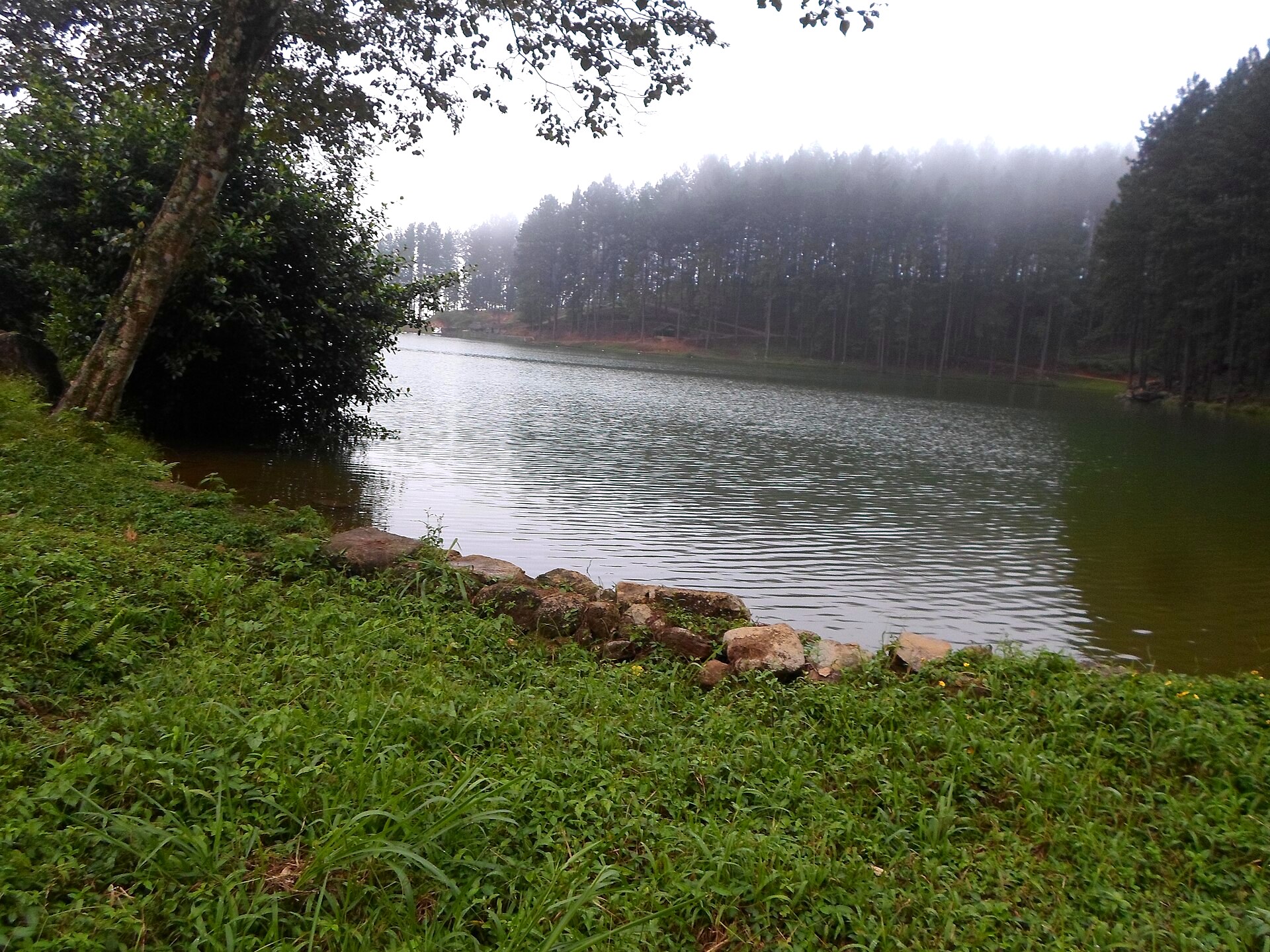
Visit Sembuwatta Lake near Elkaduwa: the turquoise lake and pool, tea-estate views, how to get there from Kandy, the best time to go and day tours.
Visit Gal Oya National Park in eastern Sri Lanka: boat safaris on Senanayake Samudra, elephants swimming between islands, birdlife and how to get there.
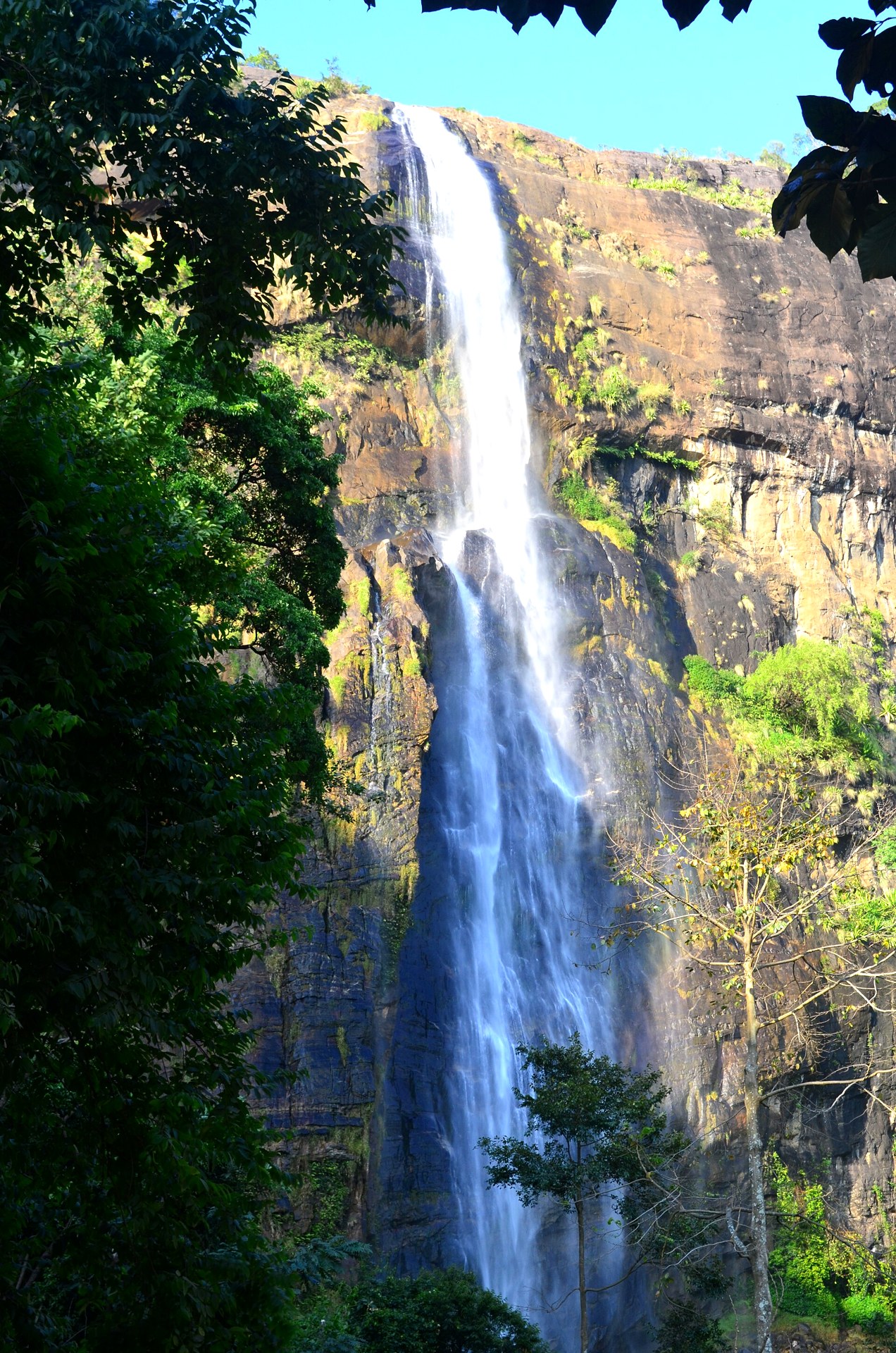
Visit Bambarakanda Falls, Sri Lanka's highest waterfall, near Haputale and Kalupahana: the walk in, the best season for flow, safety tips and nearby sights.
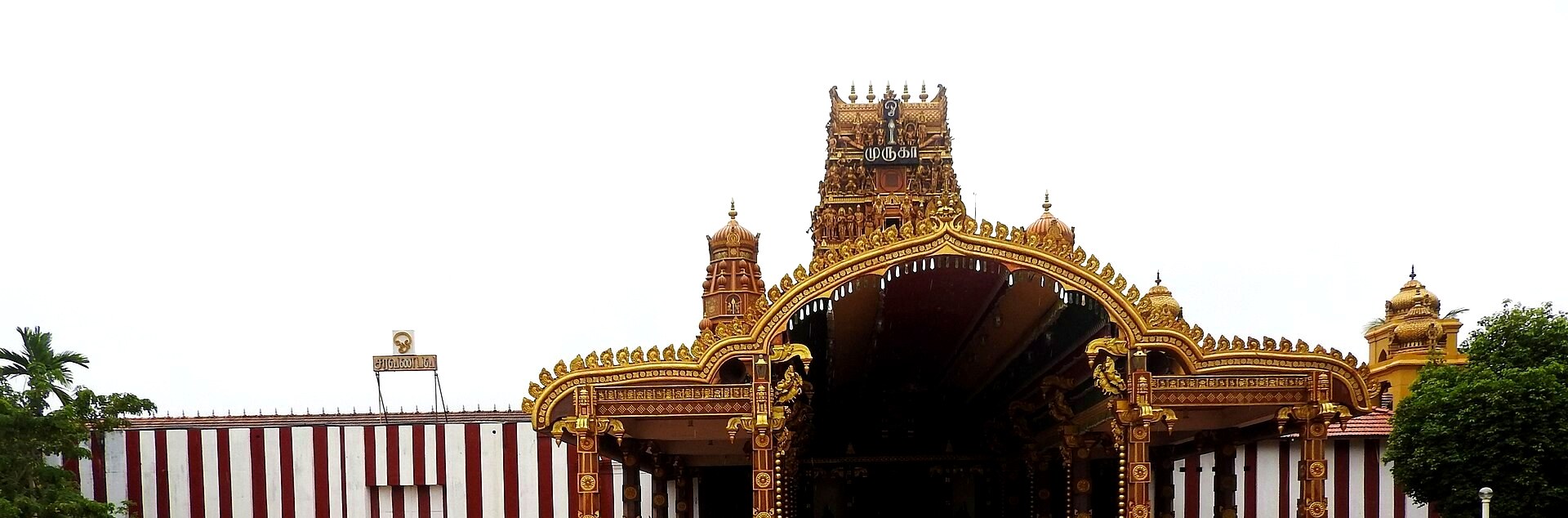
Plan your trip to Jaffna in northern Sri Lanka: Nallur Kandaswamy Temple, the islands, Jaffna Fort, Tamil food, how to get there and private tours.
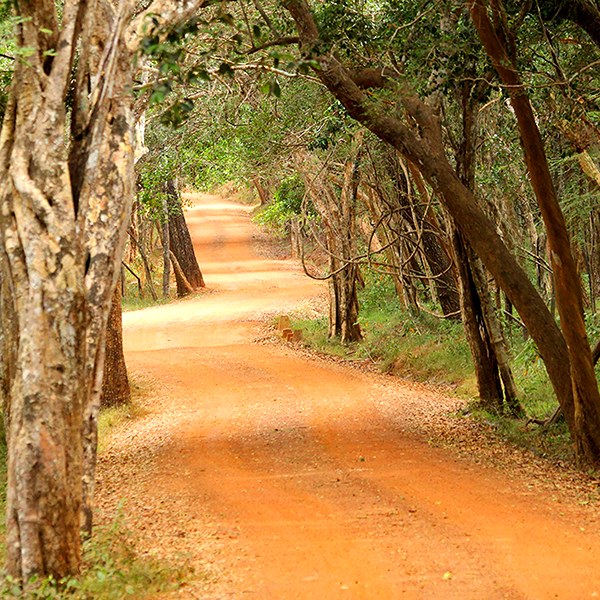
Visit Kumana National Park near Arugam Bay: a quieter safari with wetland birds, elephants, crocodiles and the chance of leopards, plus the best time to go.
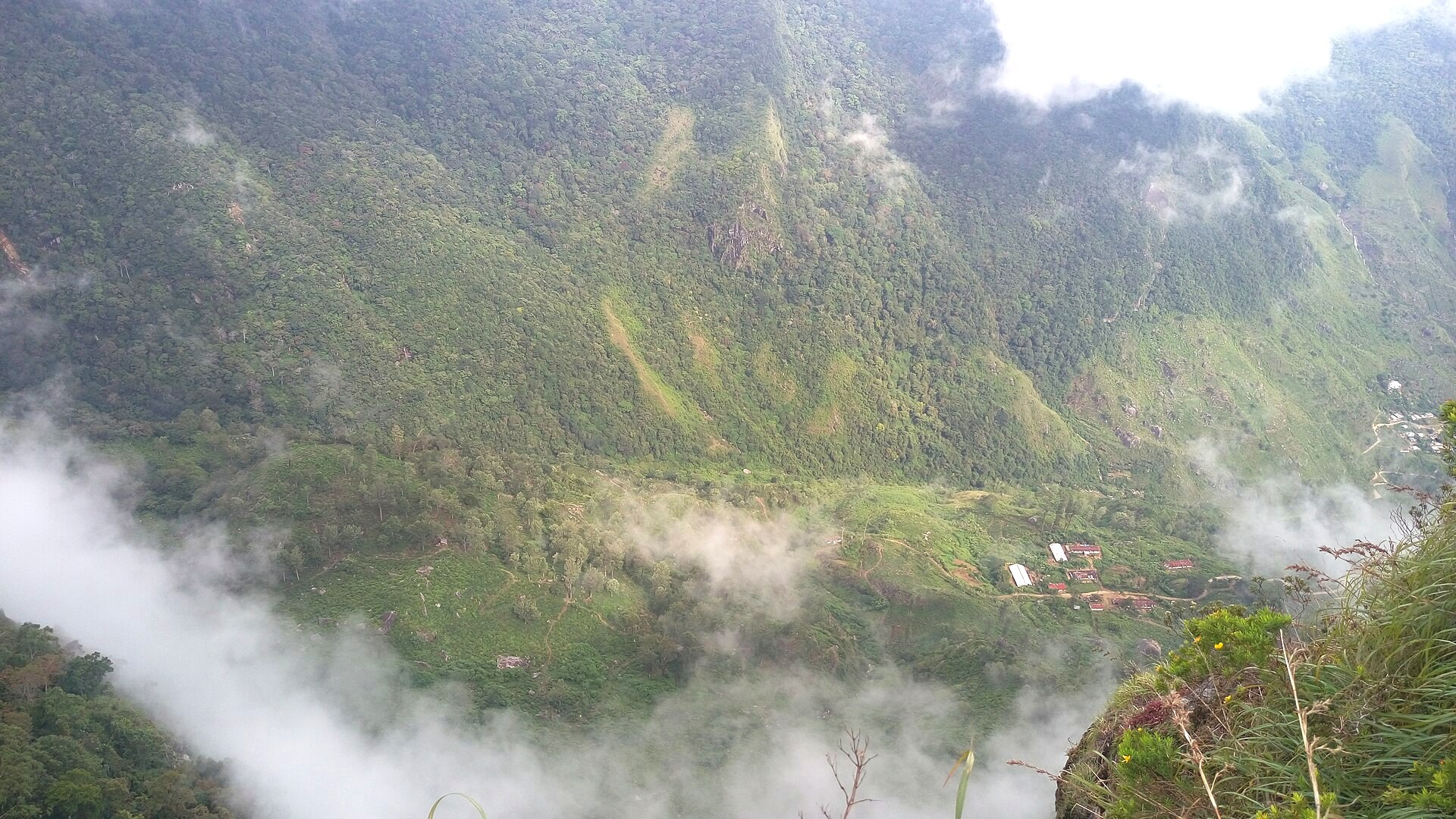
Hike the Knuckles Mountain Range near Kandy: cloud forest trails, Mini World's End, remote villages like Meemure, the best season and guided treks.
A sample Sri Lanka itinerary to the quieter north and east: Sigiriya, Trincomalee, Jaffna and Anuradhapura, ideal from around May to September.
No. Local visitors, holidays, religious events and group outings can make a site busy even when it receives fewer international travellers. Ask about likely conditions, but avoid expecting a solitude guarantee. Choose the place for its history, landscape or cultural interest so that the visit remains worthwhile if other people are present.
It offers a different experience rather than an equivalent climb. Ritigala is an archaeological and forested monastic landscape where stone paths and remains reward interpretation. Ask about the open visitor route and surface conditions. Do not expect the same views, physical format or presentation as Sigiriya, and avoid climbing structures outside authorised access.
Choose according to the actual programme and your walking interests. A lake outing and a mountain trek can involve very different terrain, access and weather exposure. Ask about the final road, gradients, permissions and guide requirements. Knuckles should not be selected merely because it sounds quieter if your group really wants a gentle scenic excursion.
Do not assume so. Access, flow, depth, currents and edges require a separate assessment, and swimming may be prohibited or unsafe. Ask about the specific permitted viewpoint and follow local management advice. Rain can increase visual appeal while worsening hazards. A waterfall visit is complete without entering a pool or approaching a drop.
No. Elephants may be seen, but their behaviour and location are unpredictable. Choose the outing for the reservoir landscape and wider wildlife interest as well. Ask about water levels, boarding, lifejackets and cancellation criteria. An operator should explain uncertainty rather than promise a particular animal behaviour or pursue wildlife to manufacture it.
No. Kumana has its own landscapes, wetland bird interest, routes and practical access considerations. Fewer vehicles do not guarantee a particular sighting or an empty park. Discuss current conditions and the approach from your base. Choose a responsible driver and value the habitat rather than treating the park as a substitute leopard guarantee.
It is usually more rewarding as a considered destination with a settled base. Temples, food, the city and island possibilities benefit from unhurried attention. Check the transport sequence rather than adding it solely for geographic completeness. An island excursion needs separate weather and operating checks, with flexibility if the crossing cannot proceed.
Not always. Public transport can reach many regional centres, but the final approach and return may require a locally arranged transfer. Check those details before setting out. A private driver can simplify connections but cannot override poor roads, site restrictions or missing permission. Choose transport around the specific destination rather than a general hidden-gem label.
Use an organiser who can explain who has invited the visit, what participants will share and how they are compensated. Ask permission for photography and respect private areas. Do not arrive at homes expecting a demonstration or conversation. Community identity and daily life are not automatically available as visitor activities because the region is less frequented.
Choose a confirmed alternative that does not rely on the same unsafe road, crossing or weather conditions. It might be a public cultural site, an accessible local walk or simply time at your base. Discuss cancellation arrangements beforehand. Avoid improvising entry onto private land or pressuring an operator to proceed because the original stop was important.
From inspiration to your itinerary
Explore our matching private journeys. Tell us your dates and group size for a personalised route, availability and written quote.