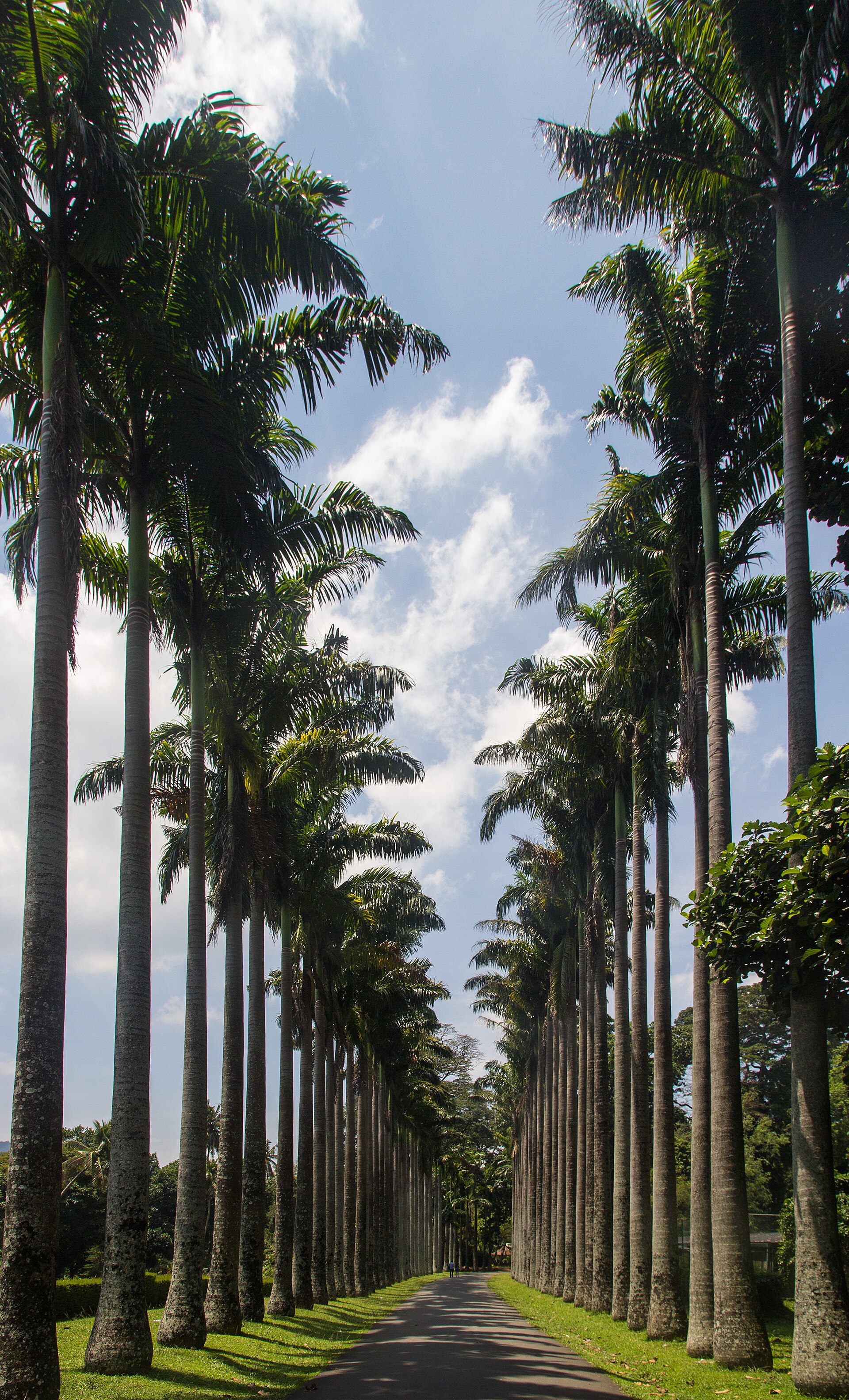
Royal Botanical Gardens, Peradeniya
Visit the Royal Botanical Gardens at Peradeniya near Kandy: the orchid house, palm avenues, the giant Java fig tree, how long to spend and visitor tips.

Adventure
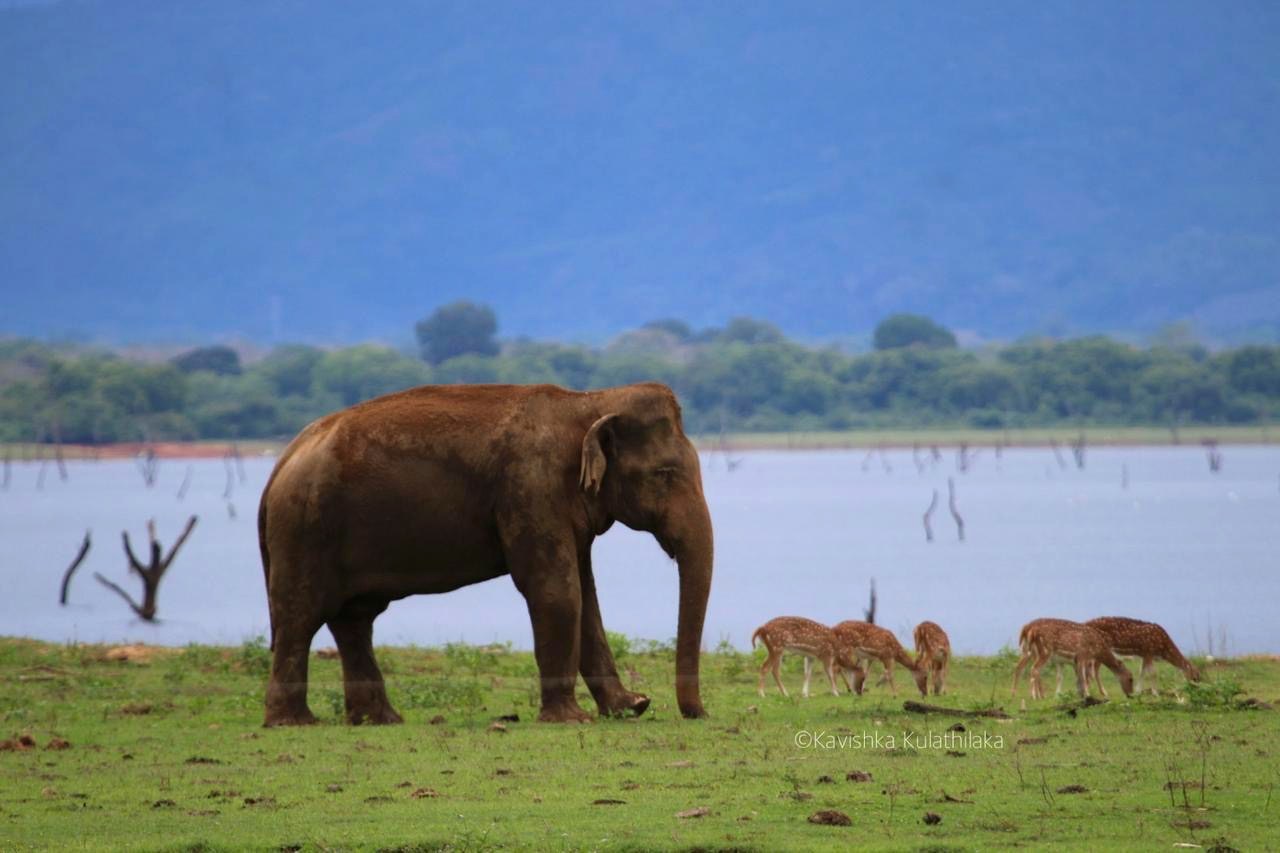
Sri Lanka is part of the Western Ghats and Sri Lanka biodiversity hotspot, one of the richest regions for wildlife on Earth. Its famous fauna includes the Sri Lankan leopard, Asian elephants, sloth bears, blue whales and around 35 endemic birds. Its flora ranges from lowland rainforest and cloud forest to orchids and ancient sacred trees. Many of its frogs, reptiles and plants are found nowhere else. The best places to see them are Yala, Wilpattu, Udawalawe, Sinharaja, Horton Plains and Peradeniya Botanical Gardens.
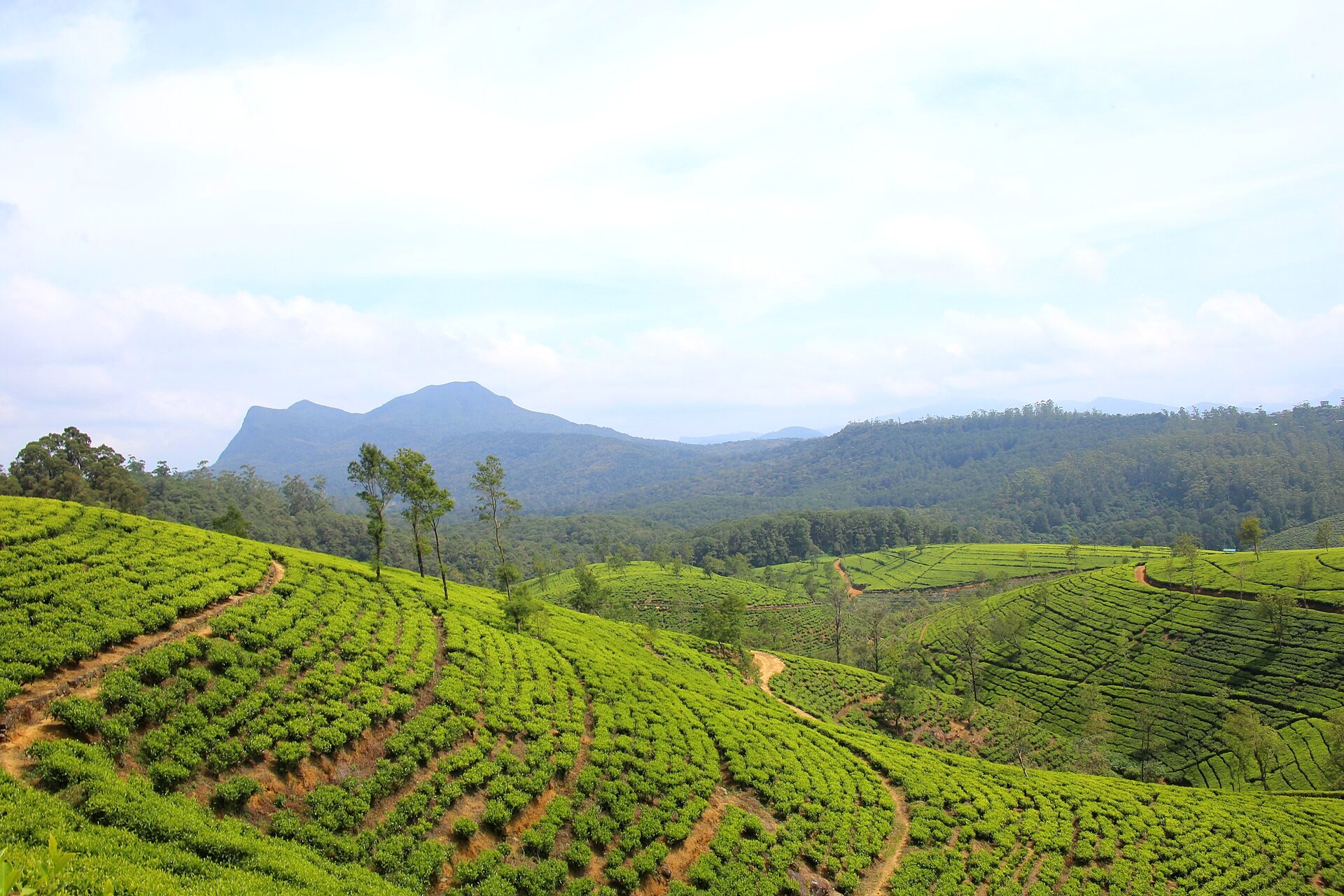
Sri Lanka has a huge variety of habitats for its size: wet rainforest in the south-west, cool cloud forest and grassland in the highlands, dry monsoon forest and scrub in the north and east, mangroves and lagoons along the coast, and coral reefs offshore. The island was separated from India by rising seas, so many species evolved here on their own.
The result is an unusually high number of endemic species, meaning plants and animals found only in Sri Lanka. Endemism is especially high among amphibians, reptiles, freshwater fish and flowering plants, and most of these live in the wet zone forests.
Big mammals
Primates
Birds Sri Lanka has recorded more than 400 bird species, including around 35 endemics such as the Sri Lanka junglefowl and Sri Lanka blue magpie. See bird watching in Sri Lanka.
Reptiles and amphibians The island has many species of lizards, snakes and frogs found nowhere else, including colourful horned lizards and a large number of tiny shrub frogs. Crocodiles and water monitors live in lagoons and rivers. Most of the endemic frogs and lizards live in the rainforests. See rainforests in Sri Lanka.
Marine life Blue whales feed off the south and east coasts, along with sperm whales and spinner dolphins. Five species of sea turtles nest on Sri Lankan beaches. See whale watching.
| Place | Best for | | --- | --- | | Yala National Park | Leopards, sloth bears, elephants, birds | | Wilpattu National Park | Leopards, sloth bears, quieter safaris | | Udawalawe National Park | Elephants all year | | Sinharaja Forest Reserve | Endemic birds, frogs, lizards, rainforest trees | | Horton Plains | Highland endemics, sambar deer, cloud forest | | Peradeniya Botanical Gardens | Orchids, giant trees, spice plants | | Mirissa and Trincomalee | Blue whales and dolphins |
See Yala, Wilpattu, Sinharaja and Peradeniya Botanical Gardens. Near Nuwara Eliya, Hakgala Botanical Garden is another good place for highland plants. See Nuwara Eliya.
For the full picture of Sri Lanka's national parks, see wildlife safaris. Our Sri Lanka wildlife tour combines safaris, rainforest and the hill country. Plan this with a local expert. For more adventures, go back to Adventure in Sri Lanka.
Sri Lanka's variety is best understood by comparing environments rather than chasing every famous species. Lowland rainforest, dry-zone woodland, montane grassland, gardens and coastal wetlands reveal different relationships between plants, water and animals. Choose a small number of contrasting habitats and give each enough attention. A forest walk and a garden visit can be more complementary than several hurried safaris in similar conditions. Before booking, decide whether you want broad natural-history interpretation, specialist birding, photography or simply time outside. That choice affects the guide, transport and pace more meaningfully than a long list of animals printed beside a tour name.
Presence is not the same as visibility. Leopards live in parks where a visitor may complete a safari without seeing one; endemic frogs inhabit forests where they can remain concealed throughout a walk. Weather, vegetation, behaviour and chance all matter. Ask an operator to describe the habitat and observation method rather than promise a sighting. Build a version of the day that remains interesting without the headline species: tracks on a road, feeding behaviour of common birds, a tree adapted to seasonal dryness or the changing edge of a wetland. This approach avoids disappointment and reduces pressure on guides to crowd, chase or disturb wildlife merely to fulfil an unrealistic expectation.
Peradeniya offers a useful setting for looking closely at trees, palms, orchids and other cultivated collections without the same visibility constraints as a dense forest. Labels and deliberate planting can help visitors compare forms that would be difficult to identify from a passing glimpse in the wild. Ask a guide to distinguish native Sri Lankan species, species endemic to the island and plants introduced from elsewhere. Those terms are not interchangeable. A plant can be familiar in Sri Lankan gardens without being native, and an attractive specimen in a collection does not establish where it grows naturally.
Hakgala can add a different horticultural perspective during a stay around Nuwara Eliya, but garden visits still require realistic expectations about weather, flowering and walking. Collections may change, particular displays may be unavailable and a named plant may not be flowering during your dates. Ask about accessible paths, shade, seating and any sections currently closed. Use gardens to develop observation skills: compare leaf arrangement, bark texture, growth form and the relationship between a flower and its pollinators. Do not pick a sample to make identification easier. A garden complements rather than replaces a wild habitat, and it should not be presented as proof that the same plants or animals will be readily visible on a later forest outing.
In Sinharaja and other wet-zone forests, the canopy can initially feel like an undifferentiated wall of green. A good natural-history guide can separate its layers: tall trees, smaller understory plants, climbers, epiphytes and the material accumulating on the forest floor. Ask how light changes between a canopy gap and a shaded section, or how buttress roots differ from the roots of a garden tree. These visible features make forest structure understandable without needing every tree identified to species. A rainy or quiet wildlife day can still offer a detailed lesson in the physical setting that supports birds, insects, amphibians and mammals.
Smaller organisms often reward patience more than a fast-paced search for large animals. Watch from the trail for movement on a trunk, a butterfly feeding or a bird investigating leaves. Frogs and lizards may be difficult to locate and should never be picked up for inspection. Ask how the guide distinguishes a confident identification from a tentative one, particularly for similar-looking species. Scientific names and photographs can be noted for later checking, but do not collect leaves, eggs, insects or any other specimens. Even a fallen branch or flower has an ecological role. The aim is to understand relationships in place, not to remove examples or make the forest behave like an open-air display cabinet.
Yala, Wilpattu and Udawalawe attract visitors interested in large mammals, but their landscapes also support birds, reptiles, grasses, shrubs and trees adapted to seasonal conditions. Ask your guide to discuss water availability and vegetation instead of spending the entire drive moving between reported animal sightings. A waterhole can be interesting because of the sequence of species using it, not only because a predator might arrive. Likewise, an apparently quiet stretch of road may reveal browsing patterns, tracks or differences between open grass and thicker cover. A safari gains depth when it is treated as observation of a habitat rather than a competition to see the largest animal.
Choose a driver who is willing to keep an appropriate distance, avoid crowding and remain patient without blocking wildlife. Stay within the vehicle where park rules require it, and never request feeding, calling or off-road approaches. Elephants deserve particular space; a roadside encounter is not an invitation to stop close for photographs or offer food. Park access and seasonal closures must be checked for your dates rather than inferred from a general wildlife calendar. If the day is quiet, ask what can be learned from common species rather than pressuring the driver to search more aggressively. The presence of leopards, bears or elephants in a park is meaningful ecological information, not a contractual promise that they will appear.
Horton Plains offers a striking contrast to lowland forest through its montane grassland, cloud-forest patches and exposed conditions. Looking at the transition between open ground and stunted trees can be as valuable as reaching a famous viewpoint. Mist may conceal distant scenery while making mosses, branches and nearby vegetation especially prominent. Plan for the possibility that the view will not open. Ask about current route access, surfaces and restrictions, and choose clothing for wind and rain rather than assuming that Sri Lanka's tropical location means every nature outing will be warm.
Highland walking can include uneven ground, wet sections and prolonged exposure without the frequent shelter available in a garden. Explain fitness, mobility and health concerns before committing to a route. Stay on authorised paths and well back from edges, particularly when visibility is poor. Do not feed sambar deer or approach them for a closer picture, even if an animal appears accustomed to people. In Knuckles, route selection is especially important because a mountain landscape can include very different distances, gradients and levels of remoteness. Arrange an appropriate guide and permissions for the actual trail. Treat highland plants as part of a fragile setting: no picking flowers, collecting seeds or leaving the path to photograph a specimen from a more convenient angle.
Coastal nature is not limited to a boat excursion. From an appropriate public viewpoint or authorised trail, lagoons, mudflats and mangrove edges can reveal feeding birds, water movement and plants adapted to tidal or brackish conditions. Ask which observation points are accessible without disturbing nesting or roosting areas. Mud that appears firm may be unstable, and a quiet channel should not be treated as a swimming place. Crocodiles and water monitors belong to some aquatic landscapes; their possible presence is another reason to use established access and local guidance rather than exploring a bank independently.
Marine outings require their own assessment of weather, equipment and animal-watching practices. Whale, dolphin and turtle presence does not guarantee a sighting, and an operator should not compensate by chasing or surrounding animals. Ask how distance, speed and cancellation decisions are managed. Snorkelling involves additional considerations of swimming ability, currents and reef protection; seeing coral does not justify standing on it or handling marine life. A land-based coastal day can be a better choice when conditions are unsuitable. Keep habitat labels clear: a turtle nesting beach, a mangrove channel and an offshore whale-watching area are different environments with different sensitivities. Combining them under a general wildlife heading should not obscure the specific behaviour and access rules each requires.
A compact nature route might connect the Cultural Triangle with one dry-zone safari and a garden visit around Kandy, offering contrast without requiring every activity to be physically demanding. A wet-zone approach could pair a carefully chosen Sinharaja entrance with a southern stay, leaving a separate day for the forest rather than fitting it between substantial transfers. A highland-focused route might combine a botanical garden with a suitable montane walk, recognising that both weather and walking ability affect the plan. These are route approaches, not promises that all places can be comfortably combined in one outing.
Alternate concentrated observation with time to rest and review what you have seen. Early departures, rough vehicle tracks and humid walking can accumulate fatigue even when no single activity seems strenuous. Families and mixed-interest groups may prefer one specialist outing followed by a flexible garden or coastal day. If photography is important, tell the guide whether you value waiting at one location over covering distance. If botany is the priority, ask for someone who can explain plants rather than assuming that an excellent safari driver is also a botanical specialist. Keep an alternative for closures or unsuitable conditions and avoid changing habitats solely in pursuit of an unfulfilled sighting. The route should support attention, not turn nature into another hurried checklist.
Before choosing a guide, ask which habitats and species groups they interpret regularly, how they handle uncertain identifications and whether their observation methods avoid disturbing wildlife. Clarify group size, route permissions, transport, equipment and what happens if weather changes the plan. Binoculars can transform a visit, but check whether they are provided rather than assuming so. For photography, ask about site restrictions and appropriate use of lighting. Do not request access to nests, dens or sensitive locations simply because another visitor has posted a close image online. The quality of an encounter is not measured only by distance from an animal.
Never collect plants, seeds, feathers, shells, insects or other specimens from a nature outing. Photographs, sketches and notes provide a record without removing material. Do not purchase wildlife products or plants of uncertain legal origin as souvenirs. Keep food secure, take litter out and resist feeding animals even when they approach confidently. If you notice an injured animal or suspected illegal activity, report it through the guide or relevant site authority rather than attempting your own rescue or confrontation. Be comfortable leaving an observation unidentified. Careful uncertainty is more useful than a confident but incorrect label, and respectful distance is more important than adding another species to a personal list.
Visit the Royal Botanical Gardens at Peradeniya near Kandy: the orchid house, palm avenues, the giant Java fig tree, how long to spend and visitor tips.
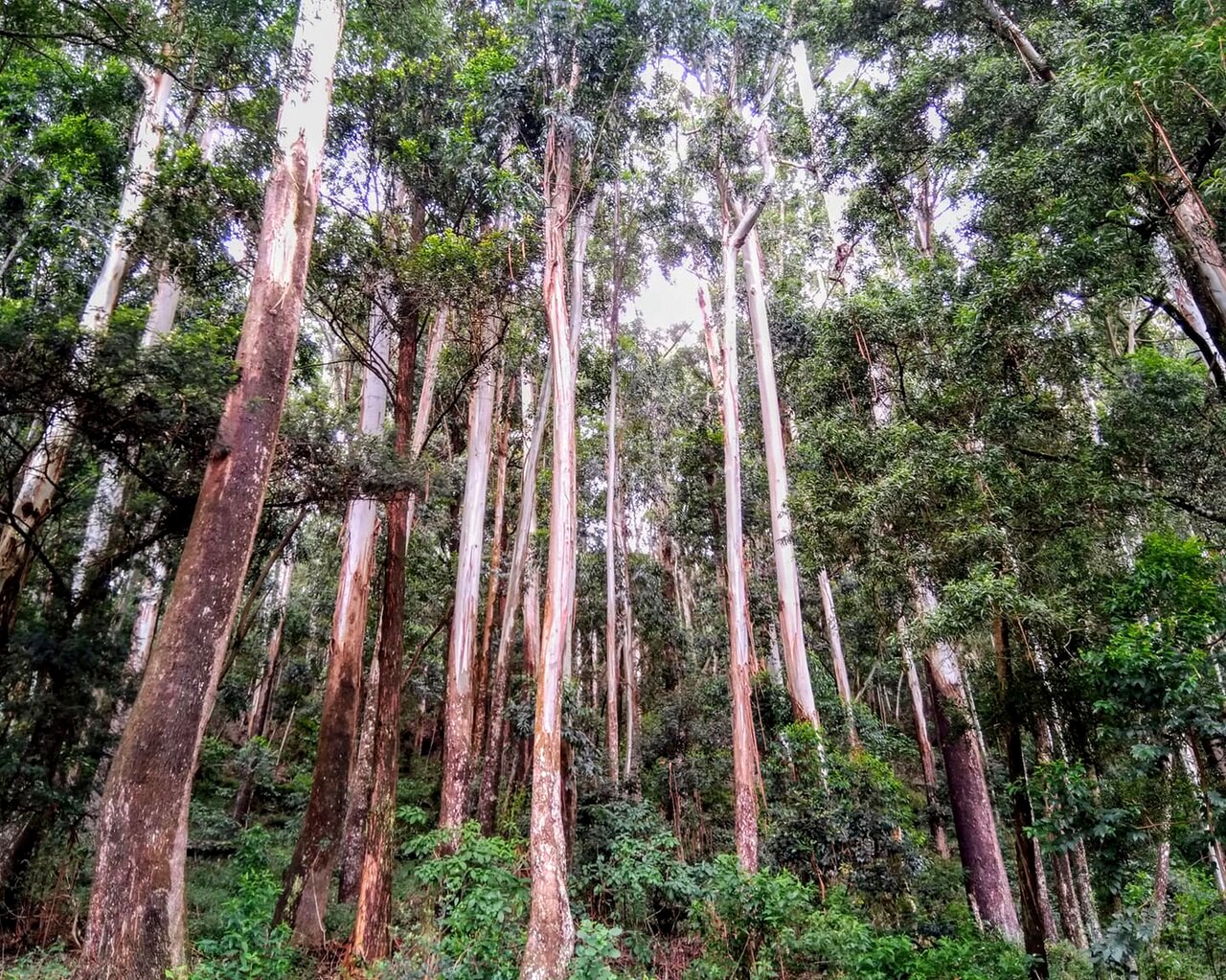
Visit Sinharaja Forest Reserve, Sri Lanka's UNESCO-listed rainforest: guided walks, endemic birds, the best time to go, leeches and private tours.
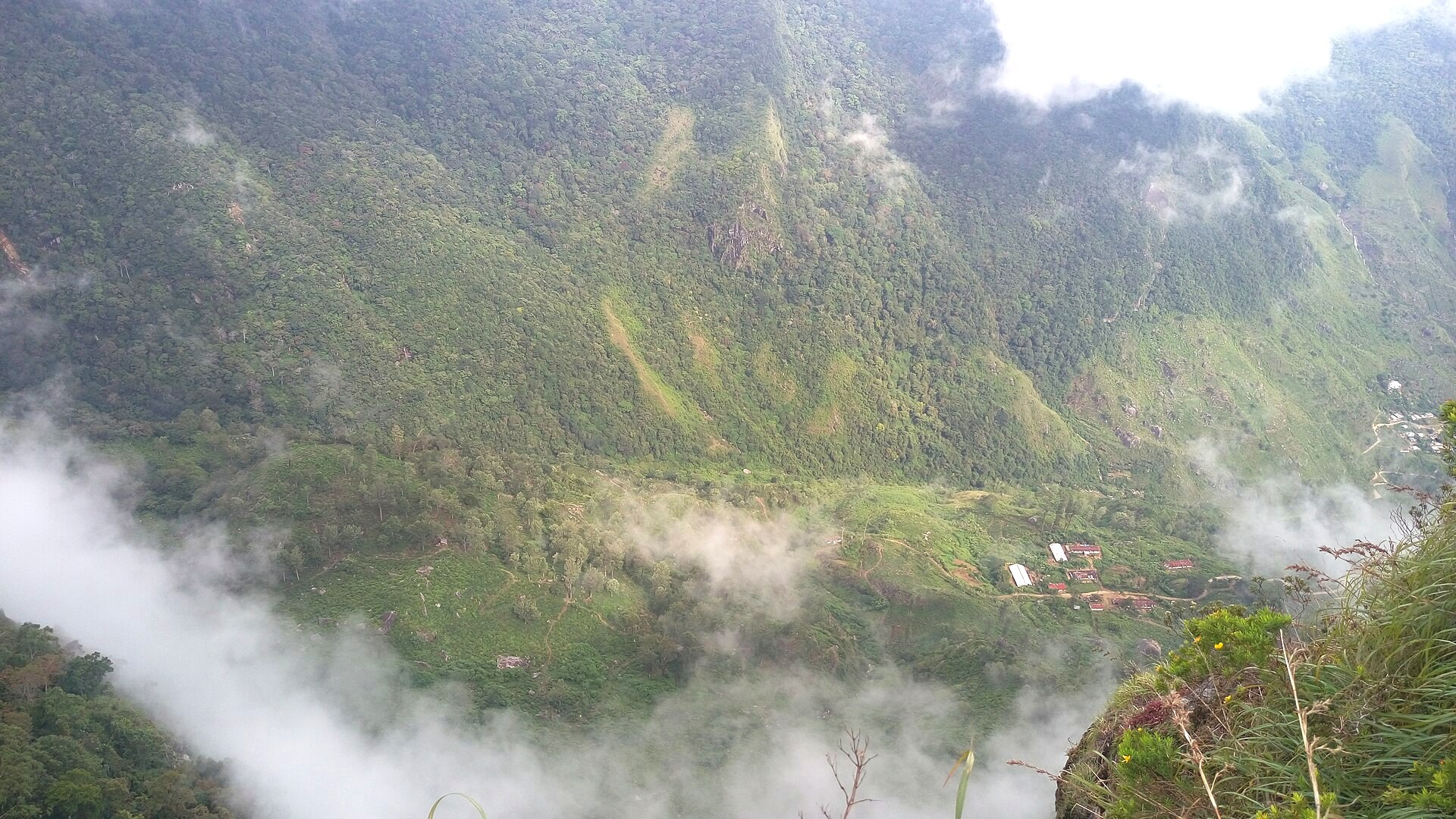
Hike Horton Plains National Park to World's End and Baker's Falls: the loop trail, the best time for clear views, what to bring and private tours.
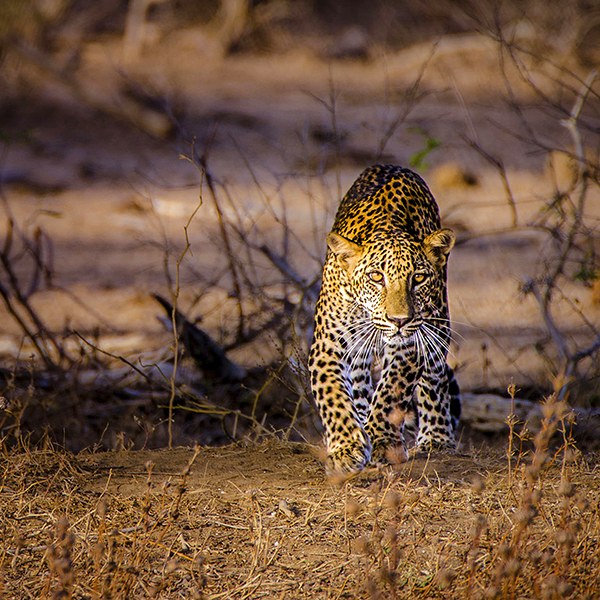
Visit Yala National Park in Sri Lanka: leopards and elephants, park blocks and closures, the best time to go, where to stay and private Yala safari tours.
The best bird watching sites in Sri Lanka are Sinharaja rainforest for endemic species, Bundala and Kumana national parks for waterbirds, and Horton Plains for highland endemics. Around 35 bird species are found only in Sri Lanka. The best season is roughly November to April, when migrant birds arrive from the north.
A sample Sri Lanka wildlife tour: elephant and leopard safaris, rainforest birding and seasonal whale-watching, with responsible viewing throughout.
A native species occurs naturally in a place but may also occur naturally elsewhere. An endemic species is naturally restricted to a particular area, such as Sri Lanka. A cultivated garden plant may be neither. Ask guides to use these terms precisely, and remember that endemic status does not mean a species will be easy to see.
No. Leopards are present, but visibility depends on behaviour, habitat, conditions and chance. Choose an operator who explains that uncertainty and does not chase or crowd animals. A worthwhile safari can include birds, deer, reptiles, vegetation and animal signs. Treat claims of guaranteed wild leopard sightings as a reason to question the proposed methods.
Peradeniya and Hakgala offer cultivated collections that can support close observation and discussion of plant form, origins and uses. Check current access, path surfaces and display availability. Gardens are not equivalent to wild habitats, and flowering is seasonal. A guide should distinguish introduced collection plants from native or endemic species found naturally in Sri Lanka.
Leave it in place. Natural material remains part of the habitat, and collecting may breach site rules or wildlife protections. Photograph details from the authorised path and record the location instead. If identification remains uncertain, accept that uncertainty rather than removing the object, disturbing vegetation or asking someone to handle an animal for comparison.
No. Its trees, climbers, forest structure, streams, insects, reptiles and amphibians also support a rewarding natural-history visit. Tell the guide which subjects interest you and ask for an appropriate pace. Many animals remain difficult to see, so interest in plants, sounds and ecological relationships helps make the outing worthwhile beyond any particular bird sighting.
Ask about the exact route, uneven surfaces, exposure and current weather before choosing clothing and equipment. Carry suitable rain and wind protection and explain mobility or health concerns in advance. Mist may obscure scenery without cancelling the ecological interest. Stay on authorised paths and do not approach viewpoint edges or wildlife for a better photograph.
Yes, if the route allows each a sensible place rather than squeezing them into continuous transfers. Select a few contrasting habitats and match guides to your interests. Include recovery time after rough drives or humid walks. A garden can provide a gentler day, but current access and individual mobility needs still require checking.
Ask how the boat manages distance, speed, crowding and changes in animal behaviour, as well as weather cancellation decisions. Confirm suitable safety equipment and boarding arrangements. Wildlife presence is not a sighting guarantee. Avoid operators who promise close contact or imply they will chase animals to compensate for a quiet outing.
No. Feeding can alter behaviour, create conflict and put people and animals at risk. Keep food secured, maintain distance and follow the guide's instructions. An animal accustomed to visitors is still wild. Do not use food, calls or objects to position it for a photograph, and avoid stopping close to roadside elephants.
It depends on your interests. A general guide may explain broad habitats well, while detailed botany, birding or photography can require more specific experience. Ask what the guide regularly interprets and how uncertain identifications are handled. No level of expertise guarantees sightings, and responsible methods matter as much as the number of species named.
From inspiration to your itinerary
Explore our matching private journeys. Tell us your dates and group size for a personalised route, availability and written quote.