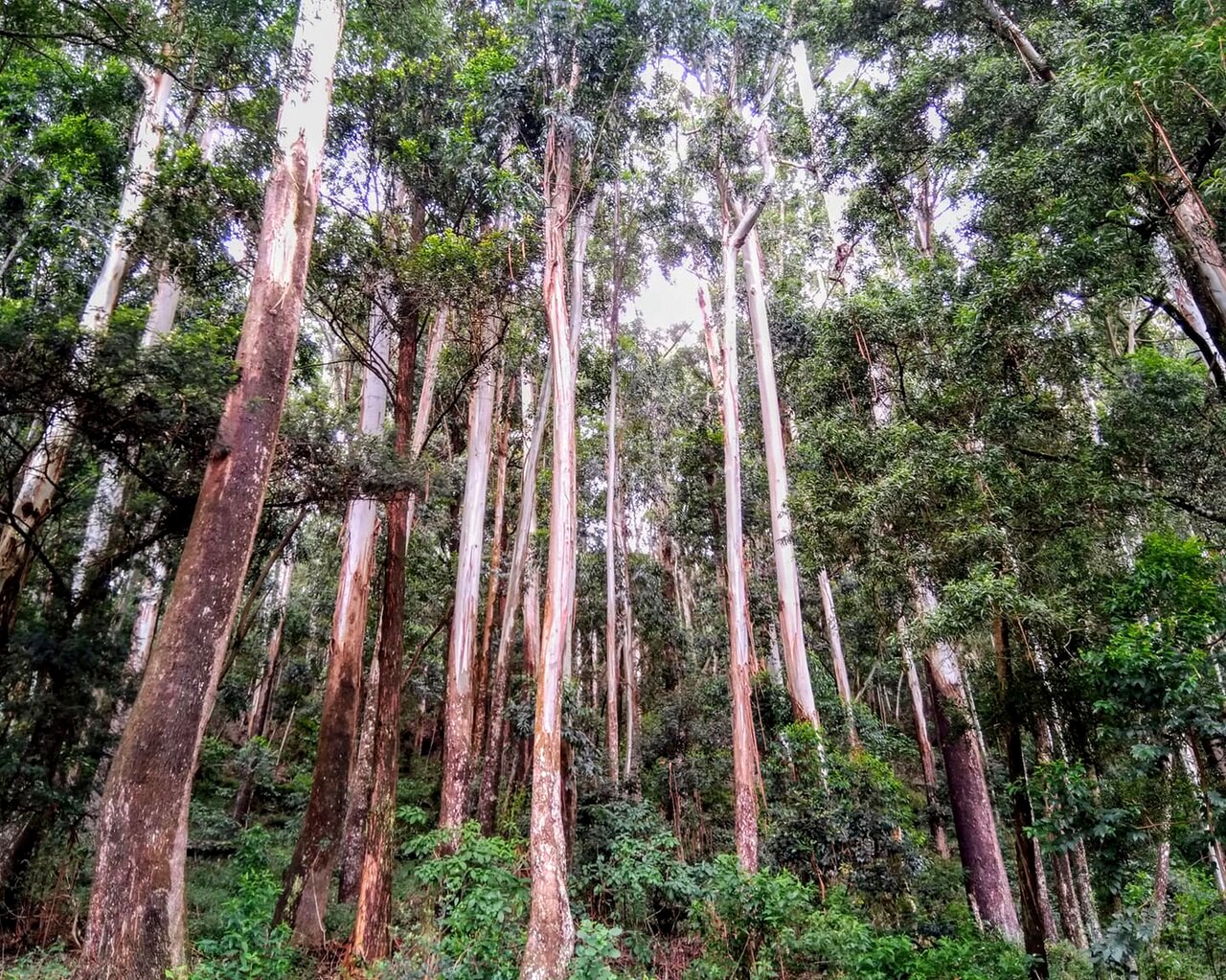
Sinharaja Forest Reserve
Visit Sinharaja Forest Reserve, Sri Lanka's UNESCO-listed rainforest: guided walks, endemic birds, the best time to go, leeches and private tours.

Adventure
The best place to see gem mining in Sri Lanka is Ratnapura, the "City of Gems", about three hours' drive south-east of Colombo. On a visit you can see traditional pit mines, watch miners wash gem-bearing gravel in woven baskets, visit a gem-cutting workshop and see the morning gem market. Sri Lanka is world-famous for blue sapphires. If you buy, buy only from reputable dealers and ask for a certificate from the National Gem and Jewellery Authority.
Sri Lanka has been famous for its gems for more than two thousand years. Ancient travellers and traders wrote about the island's precious stones, and Sri Lankan sapphires have been set in royal jewellery around the world. The island's old names, including Ratnadeepa ("island of gems"), reflect this long history.
Most of Sri Lanka's gems are found in the south-west, in old river gravels washed down from the central mountains over millions of years. Ratnapura, in the Sabaragamuwa Province, sits at the heart of this gem country.
Ratnapura – the City of Gems Ratnapura (whose name means "city of gems") is surrounded by paddy fields, rivers and small gem pits. Many local guides and gem companies arrange visits to working mines, where you can see each stage of the process. In town, you can visit gem-cutting and polishing workshops and small gem museums. See places to visit in Ratnapura.
Elahera and other gem areas Gems are also mined in other parts of the island, including the Elahera area in the north-central region, but Ratnapura is the easiest and best place for visitors.
Meetiyagoda – moonstones Near Ambalangoda on the south-west coast, Meetiyagoda is known for moonstone mining, an easy stop between Bentota and Hikkaduwa. See Hikkaduwa.
Some gem mining in Sri Lanka is done by hand in small-scale pits; practices, ownership and licensing vary:
The environmental effects of mining depend on the site and practices used; small-scale or traditional methods should not be assumed to have less impact.
A visit may include a gem-mining site, a demonstration of gravel washing, an explanation of how gems are identified, and a cutting and polishing workshop; confirm access and whether mining will actually be underway before booking. Many visits end in a gem showroom. You're under no obligation to buy.
Gem scams are common in many countries, and Sri Lanka is no exception. Protect yourself:
Read our full guide to buying blue sapphire in Sri Lanka.
Ratnapura is a good base for exploring more of the south-west:
Gem mining continues year-round, but heavy rain can flood pits and pause work, especially during the south-west monsoon (roughly May to September). Mornings are best for seeing the gem market and working mines.
A gem mining visit fits into a day trip or a stop on the way between the hill country and the south coast. See our day tours and private tours. Plan this with a local expert. For more adventures, go back to Adventure in Sri Lanka.
For visitors, a gem-mining experience should be a permission-based surface demonstration, not entry into a shaft, pit, tunnel or other excavation. State that boundary when enquiring and ask the organiser to confirm it in the programme. You can learn about gem-bearing gravel, washing, sorting and the movement from rough material to a finished stone without going underground or approaching an unstable opening. Any view of working infrastructure must be from a safe, designated surface position chosen by the responsible site operator. If that cannot be provided, use an agreed workshop or educational display instead.
A working mine is an industrial workplace, not an adventure course. Do not climb ladders, stand on pit edges, cross temporary covers, handle lifting equipment or follow workers into restricted areas. Protective equipment, a guide's confidence or an invitation from an individual worker does not make entering an excavation part of an appropriate visitor programme. Ask whether children can remain within a clearly separated observation area and whether anyone in the group can choose a workshop-only visit. Good interpretation should explain processes through models, photographs, tools and a controlled surface demonstration. The objective is to understand a skilled livelihood while respecting its risks, not to experience the physical conditions of extraction yourself.
Ratnapura is the clearest choice when your interest is the wider Sri Lankan gem trade, including the relationship between gravel washing, rough stones, cutting and retail. A useful visit may combine an authorised surface demonstration with a workshop or explanatory collection, provided each element is actually arranged. Ask whether the same business runs every stop or whether separate hosts are involved. That distinction can affect permissions, interpretation and commercial incentives. A town-based educational visit can remain worthwhile when access to a working site is unavailable, so there is no need to insist on mine proximity simply to make the outing feel complete.
Meetiyagoda offers a more specific moonstone context and may fit a south-west coastal journey more naturally than a separate Ratnapura diversion. The same surface-only rule applies: observing a demonstration does not require entering a shaft or leaning over an opening. Ask which processes can be shown safely and whether the stop is mainly educational, retail or both. Elahera and other gem-producing areas should not be treated as automatically visitor-ready because mining occurs there. Access requires a willing authorised operator and an appropriate observation arrangement. Choose the location that serves your learning interest and existing route, rather than adding distance for a more dramatic-sounding mine visit. Neither location can promise a discovery or a particular stone appearing during your demonstration.
Sri Lankan gem deposits are often discussed through the term illam, referring to gem-bearing gravel. During a surface explanation, ask the host to distinguish the original deposit, material prepared for washing and demonstration samples. Gravel washing uses differences in how material behaves during sorting, but a basket demonstration is not evidence that every load contains a valuable gemstone. Some educational sessions may use prepared material so visitors can understand the process. That can be perfectly useful when disclosed. Ask whether what you are watching is a live working batch, a staged explanation or a combination, without expecting workers to guarantee an exciting result.
Keep participation within a controlled activity specifically offered by the operator. Handling a sample tray at a stable table is different from standing in working water or joining a production task. Ask before touching gravel, tools or stones, and do not take pebbles as souvenirs. Rough material can be difficult to identify, and visual resemblance is not a reliable basis for declaring a find. A stone selected from a demonstration basket should not be assumed to be valuable, natural, untreated or yours to keep. The most informative questions concern how material moves through the process, how uncertain specimens are separated and what expertise is needed next. Learning why many pieces require further examination is more realistic than expecting a lucky discovery.
A cutting and polishing workshop can explain why a rough stone and a finished gem look so different. Ask how the cutter considers shape, fractures, colour distribution and the amount of material that may be removed. A demonstration may use practice material rather than a valuable stone, and that should be described clearly. Stand where instructed, keep hands away from rotating equipment and do not attempt machinery simply because a brief visitor demonstration appears straightforward. Fine work can be difficult to see in a crowded group, so ask about group size and whether a safe close-up display or explanatory sample is available.
Craftsmanship and material quality are related but distinct. Careful cutting cannot establish that a stone is natural, prove its geographic origin or reveal every treatment. Likewise, a brightly polished surface is not an independent quality assessment. Ask the host to show examples that illustrate differences without turning the lesson into a pressure sale. If jewellery making is included, distinguish the gemstone description from the metal, setting and workmanship. A retail tag or verbal explanation should not be mistaken for a laboratory conclusion. A workshop visit is valuable even when you buy nothing: understanding the decisions and uncertainties between rough material and a finished object provides a more grounded appreciation of the trade than a sales presentation built around rarity alone.
Ask what permissions apply to the activity and which authority is responsible, then verify current requirements through official channels if access or purchasing decisions depend on them. A licence may concern a business or a particular regulated activity; it does not establish that every stone offered by that business has a particular quality, origin, treatment status or value. A guide's recommendation is also not independent verification. Keep these questions separate: is the visit authorised, is the seller appropriately licensed for the transaction, and what evidence supports the description of the individual stone? One reassuring answer cannot substitute for the other two.
For a contemplated purchase, ask what an accompanying report actually states and who issued it. The National Gem and Jewellery Authority is an official reference point for current Sri Lankan gem-related services and requirements, but the scope and availability of any service should be confirmed directly. Identification, treatment comments, origin opinion and valuation are different matters; a document may address some and not others. Check that the report corresponds to the exact stone being sold, including relevant measurements or identifying details. Verification reduces particular uncertainties only within its scope. It does not guarantee beauty, future resale value, investment performance or freedom from every possible dispute. If independent examination cannot be arranged satisfactorily, the sensible outcome may be to leave without buying.
Before booking, ask whether the programme includes a showroom, whether the guide or organiser receives a sales commission and whether the visit can end without a purchase. A commercial stop can be acceptable when disclosed and optional, but education should not become leverage for buying. Set your own boundary in advance: you may want only to understand mining and cutting, or you may be considering a specific piece. Do not let hospitality, a lengthy demonstration or a claim of a special opportunity create an obligation. Avoid street approaches, secret bargains and stories about guaranteed profits from reselling a stone abroad.
If purchasing, obtain a written description covering the stone, weight, disclosed treatments, price and the seller's details, together with relevant terms for returns or disputes. For jewellery, the metal and setting should be described separately. Ask questions before paying and retain copies of agreed documentation. Heat treatment is a matter to disclose and understand, not a word that automatically settles whether a stone is suitable or fairly priced. Claims such as untreated, rare or locally mined require supporting evidence appropriate to the claim. Do not buy primarily because someone says a stone will rise in value. Taking time to compare independent information is more useful than negotiating under pressure, and deciding not to purchase is a complete and legitimate result of the visit.
Rain can affect access tracks, working arrangements and the availability of a safe demonstration area. Ask the organiser to reconfirm the plan with the site operator close to the visit and explain the fallback if conditions change. There must be no pressure to approach flooded excavations, unstable ground or active equipment to preserve the original programme. A workshop, museum-style explanation or town-based discussion may provide a suitable alternative if separately confirmed. Do not assume that a generally favourable travel month makes a particular mining property suitable for visitors, or that work continues in the same form throughout every season.
Wear secure closed footwear for an approved surface visit and ask about mud, steps, shade, toilets and handwashing. Travellers with mobility limitations should request the full route from vehicle to demonstration, including whether there is a firm, level observation area. A Ratnapura approach can fit a journey connected with the northern side of Sinharaja, but the forest visit and gem demonstration each need their own arrangements and access decisions. Meetiyagoda may fit a coastal route around Ambalangoda and Hikkaduwa without requiring a separate inland circuit. Avoid adding an excavation-related stop to a rushed transfer when delays would pressure the operator or driver. The best route gives the learning experience space while preserving the option to replace it safely.
Traditional, small-scale or hand-worked mining should not be described as environmentally superior merely because machinery is less visible. Effects depend on the site, water handling, land disturbance, waste, rehabilitation and other practices that a brief visitor cannot fully assess. Ask how the operator manages these issues, but distinguish an explanation from independently verified evidence. Do not repeat a claim of restoration, low impact or responsible sourcing as an established fact simply because it appears on a sign or is included in a sales pitch. A surface demonstration provides an introduction to the process, not a comprehensive environmental audit.
The people involved also deserve more attention than the stones alone. Ask, where appropriate, how different roles contribute to washing, sorting and cutting, and request permission before photographing workers. Do not interrupt hazardous or concentrated work for a portrait, and avoid asking individuals to disclose private earnings or contractual arrangements. Clarify how the demonstration host is paid and whether your fee covers interpretation. Before leaving, check any export, customs or carrying requirements through current official guidance if you have bought a gem or jewellery; requirements should not be guessed from an old travel account. Leave with documentation, a clearer understanding of what you observed and an honest account of what remains unknown. That is more valuable than a dramatic mine story or an unsupported promise about the stone.
Visit Sinharaja Forest Reserve, Sri Lanka's UNESCO-listed rainforest: guided walks, endemic birds, the best time to go, leeches and private tours.
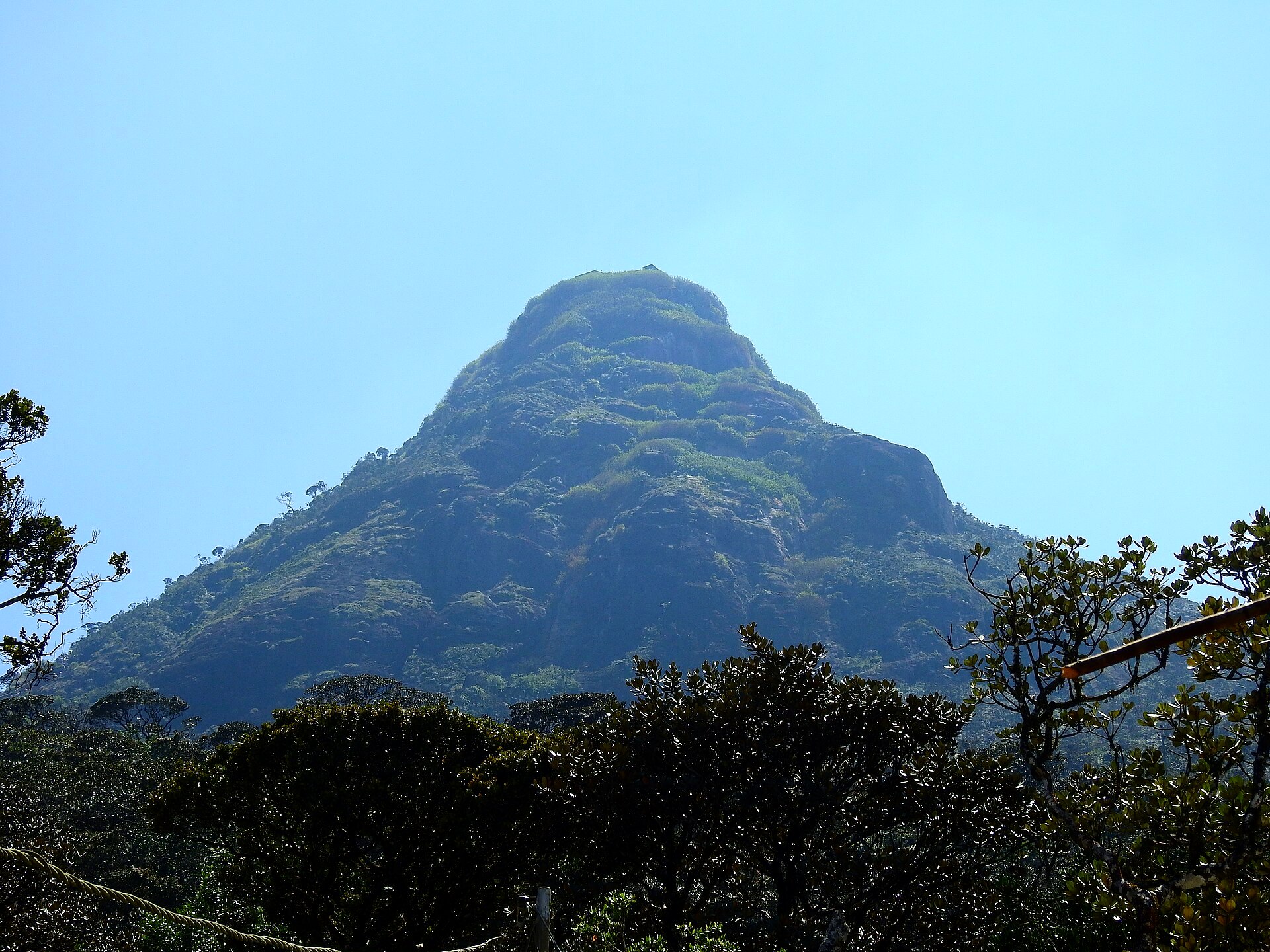
Climb Adam's Peak (Sri Pada) for sunrise: the pilgrimage season, which trail to take, how long it takes, what to bring and private tours to the start.
Private Sri Lanka tours with your own vehicle and driver: culture, hill country, safaris and beaches on a route planned around you. Enquire today.
This visitor experience should be surface-only, with permission from the responsible operator. Do not enter shafts, pits, tunnels or excavations, climb ladders or stand near unstable openings. Ask for a designated observation area and controlled demonstration. If that cannot be provided, choose a workshop or educational display rather than treating underground access as an adventure.
Ratnapura suits a broader introduction to Sri Lanka's gem trade, while Meetiyagoda offers a more specific moonstone context that may fit a south-west coastal route. Choose according to your interests and existing itinerary. At either location, confirm permission, a surface-only programme and whether the emphasis is education, retail or a disclosed combination.
Do not expect or require a discovery. Demonstrations may use working gravel, prepared samples or both, so ask which is being shown. A selected pebble is not automatically valuable or yours to keep. Identification can require expertise and examination beyond visual inspection, and a demonstration should explain the process rather than promise a lucky find.
No. Licensing relates to the business or regulated activity and does not establish an individual stone's quality, origin, treatment status or value. Ask what evidence supports the specific description and verify it independently where appropriate. Keep access permission, seller licensing and stone assessment as separate checks rather than treating one as proof of everything.
Read its scope rather than assuming a blanket guarantee. A report may address identification or particular treatment observations without providing a valuation or origin opinion. Check the issuer and that the document matches the exact stone. Even appropriate verification does not guarantee future resale value, investment performance or every aspect of a purchasing decision.
No. Confirm before booking that purchasing is optional and ask whether the organiser receives a sales commission. A showroom may be included, but hospitality and instruction do not create an obligation. If the visit becomes pressured, decline clearly. An educational outing remains complete when you leave with knowledge rather than a gemstone.
No. Traditional, small-scale and hand-worked methods do not by themselves establish lower environmental impact. Effects depend on specific practices and site conditions. Ask about water, disturbance, waste and rehabilitation while recognising the limits of a short visit. Do not treat a sales claim or surface demonstration as independent verification of environmental performance.
Only if the operator offers an appropriate, clearly separated surface observation area and the programme suits their age. Confirm barriers, walking surfaces, supervision and workshop equipment boundaries beforehand. Children should never approach shafts, pits, lifting gear or working water. A table-based sample demonstration or educational collection may be the more suitable option.
The operator should reassess access and the demonstration area, with cancellation or a separately confirmed workshop alternative when needed. Do not approach flooded openings or unstable ground to preserve the itinerary. Ask about the fallback and payment terms before booking. Weather-related changes are a reason to simplify the visit, not relax its surface-only boundary.
Request a detailed receipt identifying the seller, stone, weight, price and disclosed treatments, plus any relevant independent report and agreed return terms. For jewellery, describe the metal and setting separately. Check current export and customs requirements through official guidance. Documentation supports specific checks but does not turn a purchase into a guaranteed investment.
From inspiration to your itinerary
Explore our matching private journeys. Tell us your dates and group size for a personalised route, availability and written quote.