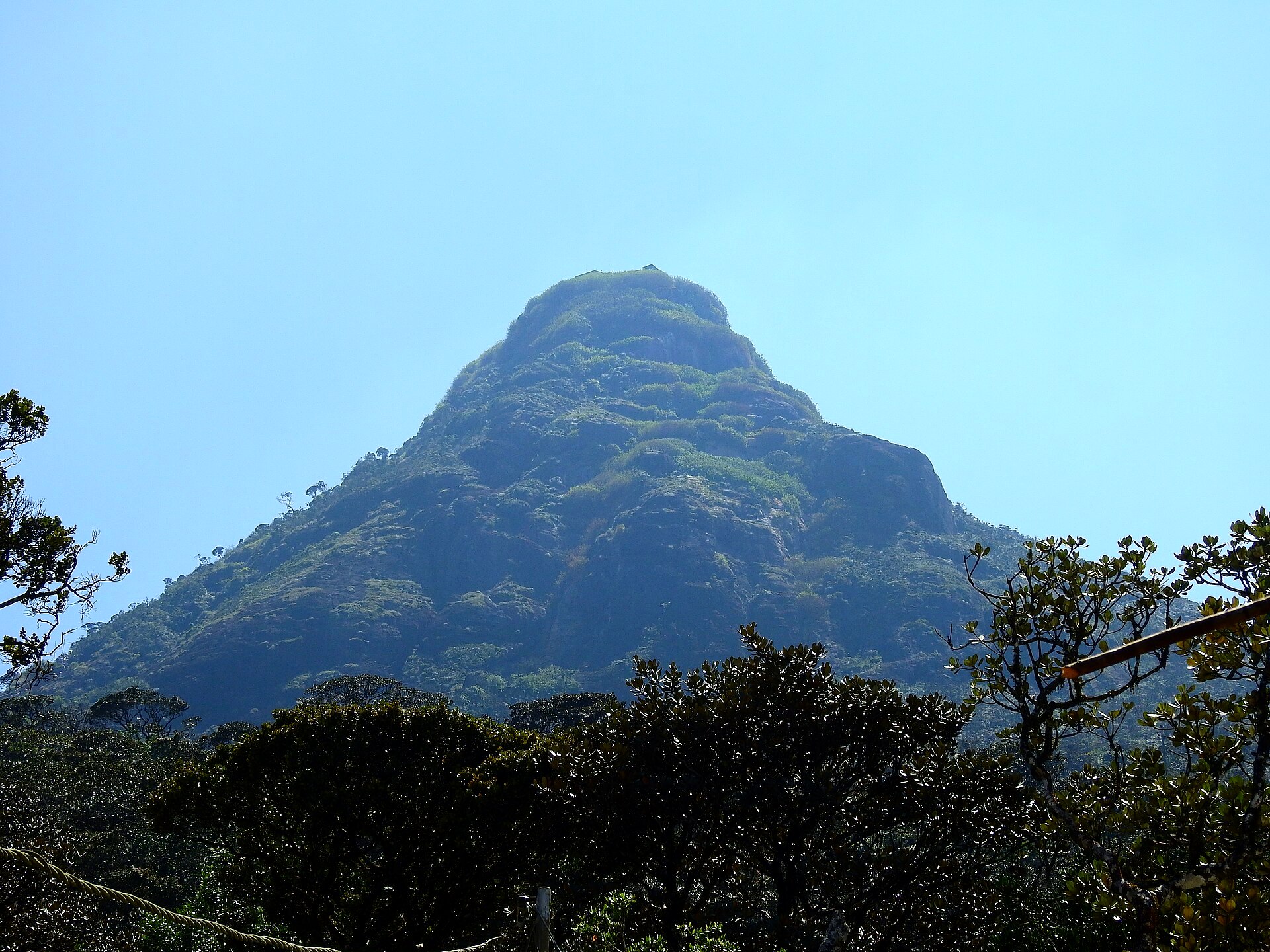
Sinharaja Forest Reserve
Visit Sinharaja Forest Reserve, Sri Lanka's UNESCO-listed rainforest: guided walks, endemic birds, the best time to go, leeches and private tours.

Adventure
Sri Lanka's best rainforest is Sinharaja Forest Reserve, a UNESCO World Heritage Site in the south-west and the country's last large area of lowland rainforest. Other rainforests worth visiting are Kanneliya near Galle and the forests around Kitulgala, where you can combine a jungle trek with white-water rafting. A local guide is required in Sinharaja, and you should wear leech socks. The driest months are roughly December to April.
The south-west of Sri Lanka, the "wet zone", gets heavy rain from both monsoons. Here, tropical rainforest once covered much of the land. Today only fragments remain, but they are some of the most biologically rich places in Asia. A large share of Sri Lanka's endemic species, from birds and frogs to trees and orchids, live only in these forests.
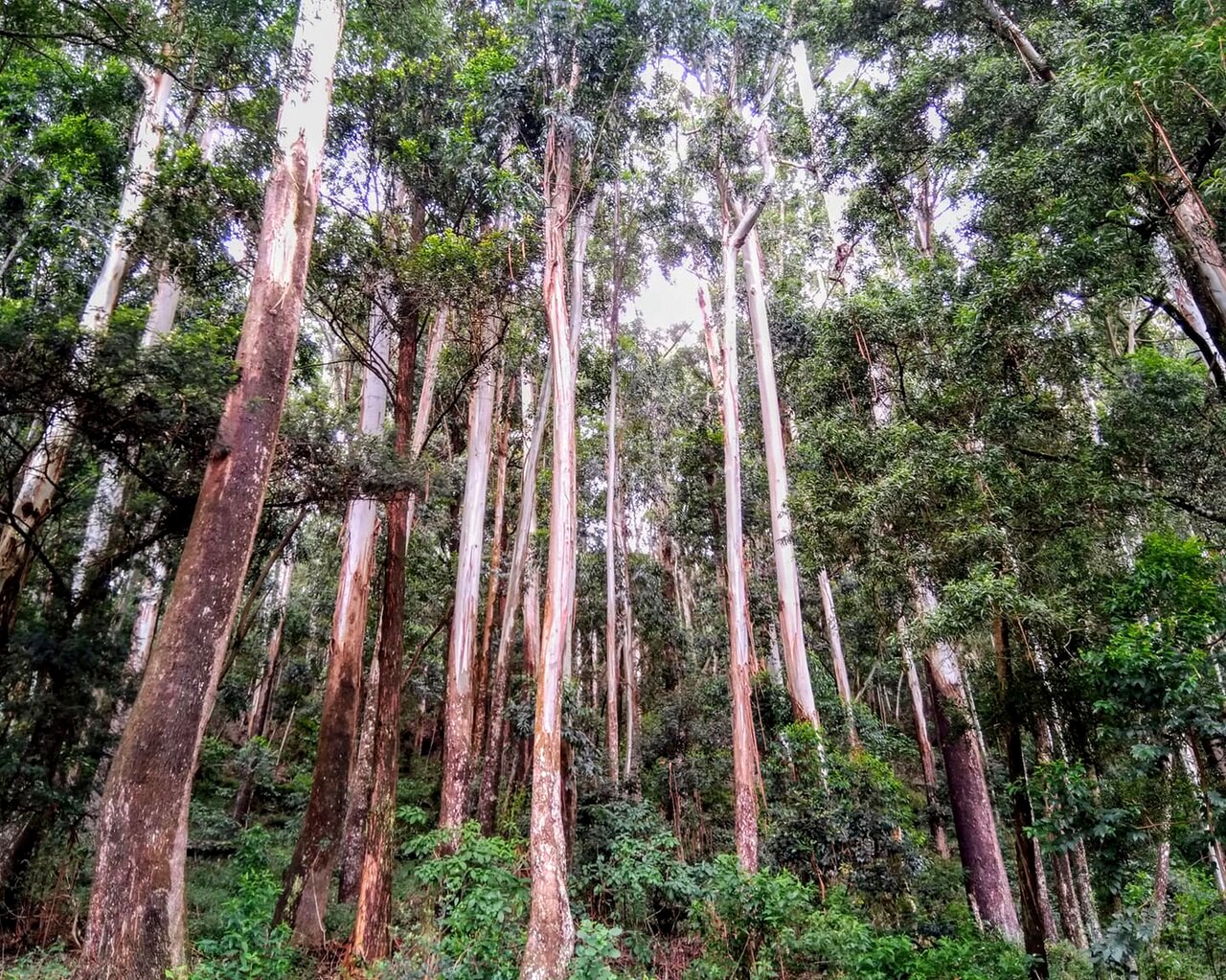
Walking under the tall canopy is a very different Sri Lanka from the beaches and ancient cities. It's green, humid and full of sound: birds calling, insects buzzing and streams running over rocks.
Sinharaja Forest Reserve – the best rainforest Sinharaja is Sri Lanka's most important rainforest and a UNESCO World Heritage Site. Its name means "lion king". Trails lead through dense lowland forest with giant trees, streams and small waterfalls. It's the best place in Sri Lanka to see endemic birds, including the Sri Lanka blue magpie, as well as purple-faced langur monkeys, giant squirrels, lizards, frogs and colourful butterflies.
There are two main entrances: Kudawa on the northern side, the most popular, and Deniyaya (Pitadeniya) on the southern side. Treks with a compulsory local guide usually last three to five hours. Some guides offer longer walks to viewpoints or waterfalls. See Sinharaja Forest Reserve.
Kanneliya Forest Reserve – near Galle Kanneliya, inland from Galle, is part of a larger lowland rainforest area. It has walking trails, waterfalls and natural pools, and is much quieter than Sinharaja. It's a good option if you're staying on the south coast. See Galle Fort.
Kitulgala – rainforest and rafting The forests around Kitulgala, on the Kelani River, are another stretch of wet-zone rainforest. They're good for birding and short treks, and Kitulgala is also Sri Lanka's centre for white-water rafting. See Kitulgala and white-water rafting.
Knuckles cloud forest Not a lowland rainforest, but the higher slopes of the Knuckles range have misty cloud forest with mosses, ferns and orchids. See Knuckles mountain range.
Sinharaja protects one of the last large areas of tropical lowland rainforest in Sri Lanka. A high proportion of its trees and many of its animals are endemic to the island. It was named a UNESCO World Heritage Site for this outstanding biodiversity. Its forests also protect the sources of several rivers.
For dedicated birding, ask for a specialist bird guide. See bird watching in Sri Lanka.
Leeches are common in Sri Lankan rainforests, especially after rain. They're harmless but unpleasant.
Rainforests are wet all year, but the driest months, and best for trekking, are roughly December to April. The south-west monsoon, from about May to September, brings heavy rain to Sinharaja and Kanneliya, making trails muddy and leeches more active. Start early in the day for the best wildlife.
See our guide to Sri Lanka's flora and fauna for more on the species of the rainforest.
Sinharaja fits well between the south coast and the hill country, or as a trip from Ratnapura. See places to visit in Ratnapura. Combine rainforest and rafting with our Kitulgala rafting tour or our wider adventure tour. Plan this with a local expert. For more adventures, go back to Adventure in Sri Lanka.
A rainforest visit can be a slow natural-history walk, a bird-focused outing or a more sustained trek, and these are not interchangeable products. Someone hoping to understand buttress roots, leaf litter and forest structure needs time to stop, while a walker seeking distance may become frustrated by frequent observation pauses. Tell the organiser which experience matters most and ask how the route supports it. Sinharaja is a strong choice for an immersive lowland-forest visit; Kanneliya may fit a south-coast itinerary; the Kitulgala area can suit travellers already interested in the Kelani River landscape. None needs to be judged only by how far you walk.
Consider what would make the outing worthwhile if larger animals remain unseen. Forest sound, changing light, fungi, climbing plants and the relationship between streams and vegetation can sustain a rewarding visit without a headline sighting. A guide who explains these features offers a different service from someone whose principal role is route navigation. Ask about that distinction before booking. If your main objective is specialist birding, request relevant experience and a pace appropriate for observation. If your group includes reluctant walkers, choose a shorter agreed route with a clear turnaround rather than assuming that enthusiasm will increase once everyone is inside the forest. Matching interests at the outset is more useful than simply selecting the most famous reserve.
Kudawa and the southern Pitadeniya approach serve different sides of Sinharaja, so the entrance should be chosen alongside accommodation and onward travel. They are not interchangeable labels for a single meeting point. Ask for the exact entrance, the agreed trail and the location where your guide will meet you. Check whether the final approach is suitable for your vehicle and whether walking begins before the formal forest route. A property described as near Sinharaja may still be inconvenient for the entrance your programme uses. Clarify these details before confirming a driver, especially if you are arriving from Ratnapura, the southern coast or the hill country.
A northern approach can fit a Ratnapura-oriented journey, while the southern side may suit a route connected with Deniyaya and the south. The best option depends on the roads, accommodation and forest experience actually arranged, not on an assumption that one side always offers better sightings. Avoid planning to cross the reserve as a convenient transport shortcut unless a specific authorised itinerary has been confirmed; an ordinary guided visit should be understood as its own outing. Staying nearby can reduce pressure to combine a long approach, forest walk and onward transfer in one continuous day. Ask what happens if heavy rain affects the access road as well as the trail, because reaching the entrance safely is part of the plan.
Kanneliya is useful to consider when a rainforest experience needs to fit around a Galle-area or southern-coast stay. Rather than choosing it solely as a supposedly quieter substitute for Sinharaja, ask which authorised route is available, what the walking surfaces are like and whether the guide focuses on ecology, waterfalls or general sightseeing. A shorter regional outing may provide a better experience than a distant destination squeezed between hotel changes. Visitor numbers can vary, and a reputation for quietness does not guarantee an empty trail. Confirm entry arrangements and local guidance rather than arriving with expectations formed around a different forest.
Around Kitulgala, distinguish the forest component from rafting or other river activities. A combined package should explain the walking route, any river crossing and which activities can be omitted independently. Wet weather may affect each component differently. Knuckles offers another kind of forest experience, including higher-elevation cloud forest, but should not be marketed as simply another lowland rainforest. Elevation, exposure and route demands can change substantially. Choose Knuckles for a specifically planned mountain outing rather than as an automatic fallback when a wet-zone walk is cancelled. Likewise, a waterfall stop near a road is not equivalent to a guided rainforest visit. Understanding these differences helps you select a manageable experience instead of collecting several places that all happen to look green in photographs.
Rain belongs to the rainforest environment, and a shower does not necessarily ruin a walk. It can change the soundscape, bring detail to leaves and make the forest feel particularly vivid. Nevertheless, heavy or persistent rain can create hazards on paths, streams and access roads. Broadly drier travel periods remain only a planning aid. Ask your guide how route decisions are made after recent rain and which conditions would trigger a shorter walk or cancellation. The answer should refer to the actual route rather than promising that the forest is always accessible or that experienced guides can make any conditions safe.
Build flexibility around the visit instead of insisting that a particular waterfall or distant endpoint must be reached. Agree whether the outing can focus on a shorter section, take place on another suitable day or be replaced by a separate confirmed activity. Do not treat a stream crossing as a challenge that must be completed because it appeared in a brochure. Water depth and flow can change, and a safe-looking crossing on arrival may be different later. Thunderstorms and falling branches are additional reasons to follow a conservative decision. Accommodation with a covered sitting area and meals nearby makes a delayed forest outing easier to manage. The aim is an attentive encounter with the habitat, not proof that you can complete a route in every weather.
A modest walking distance can feel demanding when the ground is muddy, roots cross the path and humid air limits the relief from effort. Ask about elevation changes, steps, rocks, stream crossings and the availability of stable resting places. Descriptions such as easy or family-friendly are too general without that detail. Someone comfortable on a dry urban walk may find a short forest trail difficult, while an experienced hiker may still need to slow down on slick surfaces. Choose footwear with reliable grip and a secure fit, and avoid testing unfamiliar shoes on the day of the outing.
Discuss mobility, balance, recent injuries and children's walking experience before the route is fixed. A shorter out-and-back plan can make it easier to turn around without leaving part of a group committed to a longer circuit. Ask whether walking poles are useful and permitted for the chosen route, and use them without damaging plants or obstructing others. Carry enough drinking water for the conditions and follow the guide's advice about breaks. Humidity makes overpacking uncomfortable, but travelling light should not mean omitting rain protection or essential medication. Keep the group together, particularly when stopping for photographs. The most suitable rainforest route is the one everyone can manage safely while still having enough attention left to notice what they came to see.
Leeches are a realistic consideration on damp forest trails, particularly after rain. Ask whether leech socks can be obtained before the walk and how to wear them effectively over your clothing. Long lightweight trousers and regular checks help manage exposure, but no clothing arrangement should be presented as an absolute barrier. If a leech attaches, ask the guide for calm assistance and follow appropriate first-aid advice. Clean and cover any resulting wound as needed. Travellers with bleeding concerns, relevant medication or particular medical vulnerabilities should obtain personalised medical advice before a wet-forest outing rather than relying on general tour information.
Pack electronics and documents in reliable waterproof protection, not merely a backpack advertised as water resistant. A small dry bag or sealed inner pouch can protect a phone even when rain enters around a zip. Bring a lens cloth if photography matters, and expect humidity to affect equipment when moving between air-conditioned rooms and warm outdoor air. Keep snacks contained and take all packaging out. Apply personal insect protection according to its instructions without spraying indiscriminately around plants or animals. Spare socks and a change of footwear left in the vehicle can improve the return journey. These preparations are not glamorous, but they reduce the temptation to hurry through the forest because of wet belongings, uncomfortable feet or anxiety about ordinary trail conditions.
Dense vegetation often reveals wildlife through calls, movement or brief glimpses rather than clear portraits. Tell the guide whether you prefer help recognising sounds, learning common species or waiting for a particular group of birds. A mixed flock can appear suddenly and disappear just as quickly, so keep binoculars accessible and avoid blocking other visitors while looking. A species being present in Sinharaja or another forest does not guarantee that it will be visible during your walk. Rain, light, seasonal behaviour and simple chance affect encounters. A guide can interpret opportunities without manufacturing them or promising an animal will appear.
Do not ask for branches to be cut, animals to be handled or vegetation to be disturbed for a better view. Avoid playback, baiting or flash where it could disturb wildlife or conflict with site rules, and ask the guide to use observation methods that do not pressure animals. Frogs, reptiles and invertebrates should remain where they are found. Never collect leaves, flowers, seeds, insects or other specimens, even when an item appears common or fallen. Stay on authorised paths rather than following a sound into the undergrowth. Careful observation can include photographing bark, watching water move through leaf litter or noticing the height at which a bird feeds. These details turn a quiet day into a meaningful natural-history experience without needing close contact.
For Sinharaja, arrange the required local guiding and confirm current entry procedures through the authorised channel. For other forest areas, establish what guidance and permissions are required for the particular route rather than assuming that nearby accommodation grants access. Ask who will lead the walk, which language will be used and whether specialist interests have been passed to that person. Clarify group size, entry arrangements, food, transport and any equipment included. If a photograph shows a waterfall or viewpoint, ask whether it is actually on your agreed route and currently accessible. A clear programme is more useful than a collection of attractive images.
Route approaches can be simple: connect Ratnapura with an agreed northern Sinharaja visit, add a Kanneliya outing to a southern stay, or make Kitulgala's forest the main activity rather than an automatic addition to rafting. Avoid linking a substantial walk to a tight onward commitment. Ask about communications, the guide's response to an injury and where the nearest practical assistance can be reached. Leave the route details with your accommodation or organiser, especially for a less familiar outing. Before setting off, agree that the guide may shorten or stop the walk and that nobody needs to complete every advertised feature. Good forest planning provides a clear boundary between curiosity and risk while leaving plenty of room for discovery along the way.
Visit Sinharaja Forest Reserve, Sri Lanka's UNESCO-listed rainforest: guided walks, endemic birds, the best time to go, leeches and private tours.
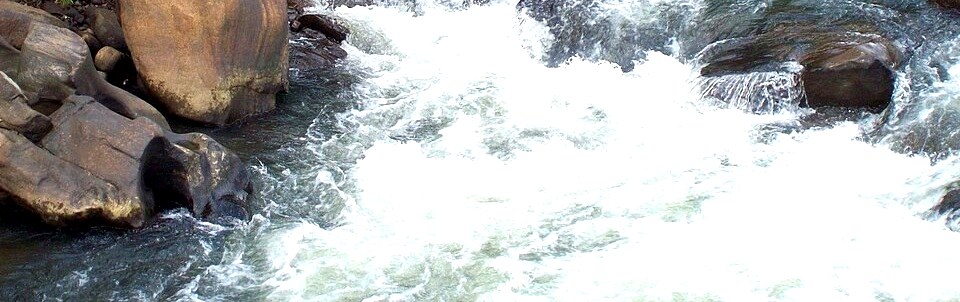
Visit Kitulgala, Sri Lanka's adventure base: white-water rafting on the Kelani River, rainforest walks, canyoning, the best season and private tours.
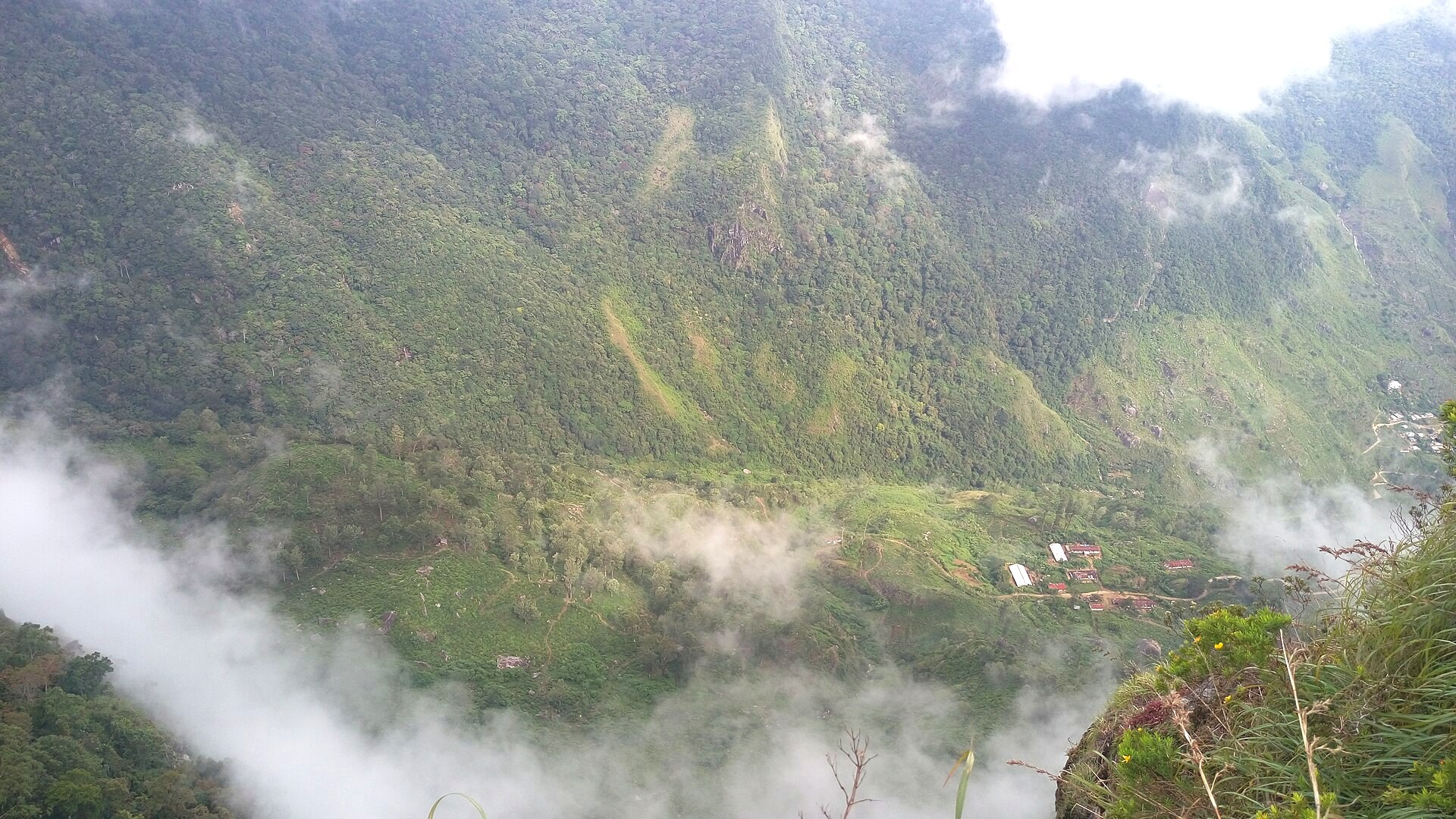
Hike the Knuckles Mountain Range near Kandy: cloud forest trails, Mini World's End, remote villages like Meemure, the best season and guided treks.
The best bird watching sites in Sri Lanka are Sinharaja rainforest for endemic species, Bundala and Kumana national parks for waterbirds, and Horton Plains for highland endemics. Around 35 bird species are found only in Sri Lanka. The best season is roughly November to April, when migrant birds arrive from the north.
Raft the Kelani River at Kitulgala, Sri Lanka's adventure hub. Find out what to expect, safety tips and how to fit rafting into your route.
An active Sri Lanka itinerary with hikes, white-water rafting, a sunrise climb of Adam's Peak and surf lessons, planned privately around your fitness.
No. Kanneliya and forests around Kitulgala also provide lowland wet-zone experiences. Choose according to the authorised route, your interests and the wider itinerary rather than assuming every forest offers the same outing. Knuckles includes cloud forest at higher elevations, which is a different environment and can involve different terrain, exposure and planning.
Match the entrance to your accommodation, approach road and onward journey. Kudawa serves the northern side, while Pitadeniya is associated with the southern approach near Deniyaya. Confirm the exact meeting point and route with the organiser. Do not assume a hotel described as near Sinharaja is convenient for either entrance or that entrances are interchangeable.
Arrange the required local guide and confirm current entry procedures before travelling. A guide also helps interpret forest features and manage route choices. If specialist birding is your priority, ask specifically about relevant experience. Do not assume that a driver, general tour escort or nearby accommodation automatically fulfils the reserve's guiding and access requirements.
Not necessarily. Light rain may be compatible with an appropriate route, but heavy rain, unsafe stream conditions or access-road problems can require changes. Ask how the decision is made and what alternatives are agreed. Never assume that paying for a route means it must proceed or that reaching a waterfall takes priority over safety.
No. Roots, mud, rocks, slopes and humidity can make a short distance demanding. Request a description of surfaces and crossings rather than relying on an easy label. Explain mobility or balance concerns before booking. A shorter route with good interpretation may be more rewarding than a longer walk that leaves little attention for the forest.
Wear appropriate long clothing, ask about leech socks and check footwear and lower legs during the walk. No method guarantees complete protection. If one attaches, seek calm assistance and appropriate first aid. Travellers with bleeding concerns or relevant medication should obtain individual medical advice beforehand rather than relying solely on general reassurance from a tour description.
Yes, if the route and explanation suit their interests and abilities. Looking at roots, leaves, streams and common wildlife can be engaging without covering much ground. Ask about slippery sections, rest points and turnaround options. Keep children with the group and explain that animals, fungi and plants are for observation, not handling or collecting.
No. They depend on the chosen route, permissions and current conditions. Ask whether a pictured waterfall is actually part of your programme and whether access is open. Swimming requires a separate safety assessment and may be inappropriate or prohibited. A forest walk should remain worthwhile even when a water feature cannot be approached.
Expect uncertainty rather than a checklist. Birds, monkeys, reptiles and other animals may be present yet remain hidden or visible only briefly. A guide can improve interpretation but cannot guarantee sightings. Binoculars, patience and interest in calls, plants and forest structure make the outing rewarding even when no large or colourful animal appears.
No. Leave natural material in place, including fallen items, and follow reserve rules. Leaves, wood and seeds remain part of the habitat and are not visitor souvenirs. Use photographs or written observations instead. Do not ask a guide to collect specimens, handle wildlife or disturb vegetation to create a closer encounter.
From inspiration to your itinerary
Explore our matching private journeys. Tell us your dates and group size for a personalised route, availability and written quote.