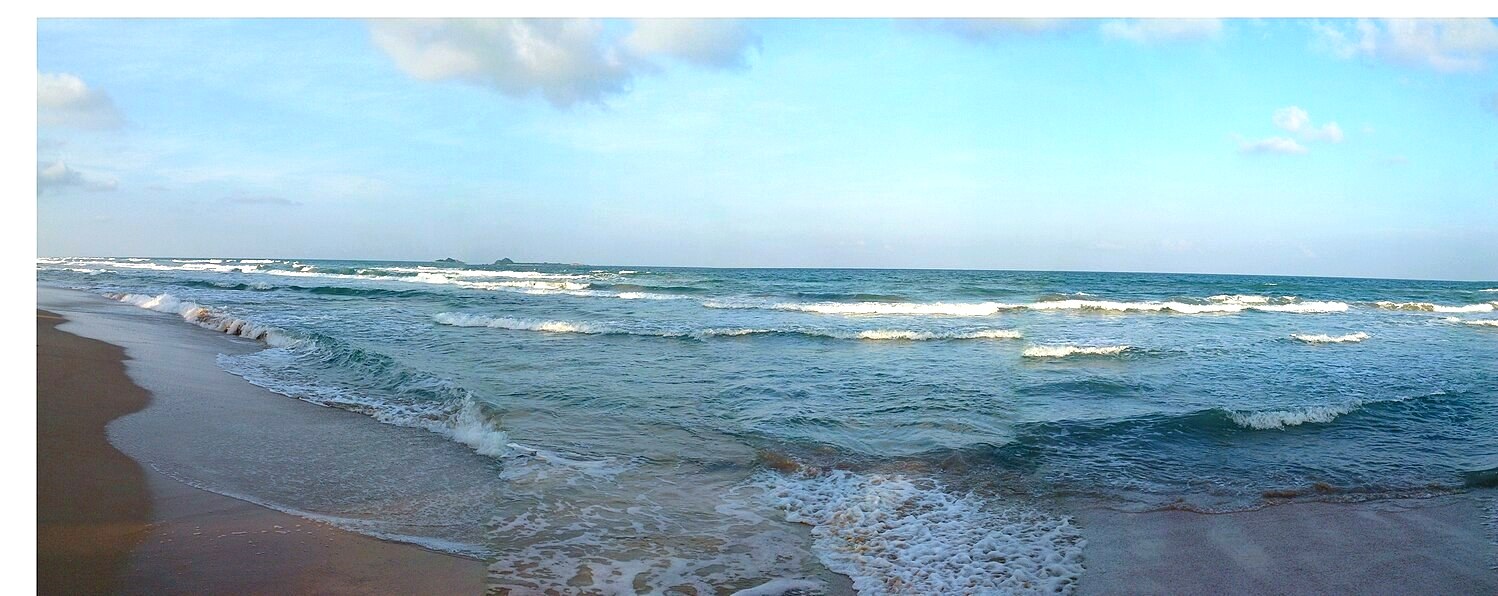
Nilaveli Beach
Visit Nilaveli Beach near Trincomalee: calm water, snorkelling at Pigeon Island, the best months to go, where to stay and private east coast tours.

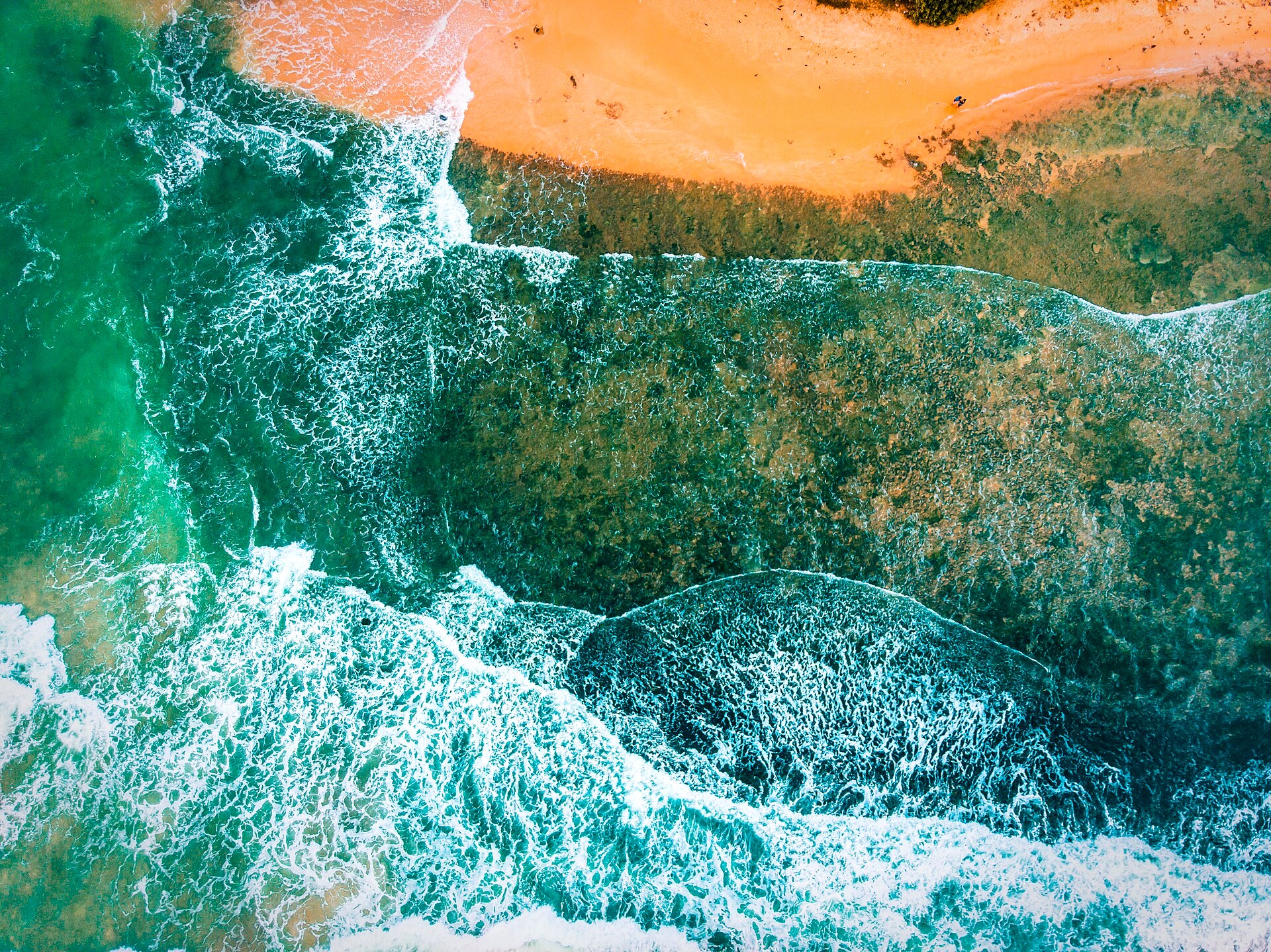
Beach & Ocean
Sri Lanka's best coral reefs are at Pigeon Island National Park off Nilaveli, the Hikkaduwa coral sanctuary on the south-west coast and the Bar Reef Marine Sanctuary off Kalpitiya. You can explore them by snorkeling, scuba diving or, if you don't swim, from a glass-bottom boat in Hikkaduwa. Visit the east coast reefs from about May to September and the south-west reefs from about November to April.
The warm waters around Sri Lanka support fringing reefs, rocky reefs and coral gardens. They are home to hundreds of species of reef fish, along with sea turtles, reef sharks, moray eels, octopus and rays. Some reefs grow just a few metres from the beach, so you don't have to travel far to see them.
Like reefs worldwide, Sri Lanka's corals have been hit by warming seas, bleaching events and past damage from coral mining and careless tourism. Several areas are now protected as marine sanctuaries or national parks, and some reef areas may be recovering, but their condition varies by location and over time. Visiting them responsibly helps protect them for the future.
Pigeon Island National Park – the best-preserved reef Off Nilaveli beach near Trincomalee, Pigeon Island is one of only two marine national parks in Sri Lanka. Its shallow reef has a wide variety of hard and soft coral, large schools of reef fish, turtles and black-tip reef sharks. It's best visited from about May to September, early in the day before it gets busy. See Nilaveli and Trincomalee.
Hikkaduwa Marine National Park – the easiest to reach Hikkaduwa's coral sanctuary lies just off the main beach on the south-west coast. Parts of the reef were damaged in the past, but it is still lively with fish and is known for feeding sea turtles. Glass-bottom boats let non-swimmers see the reef too. Best from about November to April. See Hikkaduwa.
Bar Reef Marine Sanctuary, Kalpitiya – the largest reef system Off the Kalpitiya peninsula in the north-west, Bar Reef is one of the largest reef systems around Sri Lanka, with coral and rocky reef areas far from the main tourist routes. Trips depend on sea conditions, so check locally. See Kalpitiya.
Other reef areas
Snorkeling The simplest way to see a reef. Most reefs listed here are shallow enough to enjoy with just a mask and snorkel. See snorkeling in Sri Lanka.
Scuba diving Diving lets you explore deeper reefs, rock formations and walls, and see larger marine life. See scuba diving in Sri Lanka.
Glass-bottom boats In Hikkaduwa, glass-bottom boats give non-swimmers, young children and older travellers a window onto the reef. Choose operators who don't drive over very shallow coral.
Wreck dives Shipwrecks act as artificial reefs, covered in coral and full of fish. See shipwreck diving.
Pigeon Island and Hikkaduwa are marine national parks, and the Bar Reef is a marine sanctuary. In these areas it's illegal to collect coral, shells or fish, or to damage the reef. Entry tickets may be required.
See our responsible travel guide for more ways to travel lightly.
Calm, sunny mornings give the best visibility.
Our Sri Lanka beach holidays can include a reef day on the right coast for your dates. Plan this with a local expert. For more ocean experiences, go back to Beach & Ocean.
Not every reef is the same, and expectations matter. A fringing reef close to a beach, a rocky reef with patches of coral and a sheltered marine park each offer a different experience. Some places have bright corals, others have mixed habitats where fish, algae and rock dominate, and many show signs of past damage or recovery. Come with curiosity rather than a postcard image.
Reefs also change over time. Storms, warm water, human pressure and recovery all alter what you see, so a description from years ago may not reflect today. Ask locally what the reef looks like now, and be willing to appreciate small details such as juvenile fish, invertebrates and the texture of the habitat.
If you want to understand what you are seeing, ask a guide to explain hard coral, soft coral, algae and rubble. A short conversation can transform a swim from a blur of colour into a story about recovery and pressure. Responsible operators enjoy such questions and often tell visitors how to behave.
Reef health reflects local influences as well as global ones. Warmer seas can stress corals, sedimentation can smother them, and physical damage from anchors, feet and fins can break fragile structures. Fishing practices and pollution also play a role. A site that looks tired is not necessarily lost, but it needs care.
Protected status helps, but it does not make a reef immune. Rules only work when people follow them, and a marine park can still receive a lot of pressure at peak times. A visitor's choices, such as choosing a quieter time, a smaller boat or a responsible operator, make a real difference.
Be sceptical of promises. Nobody can guarantee colour, clarity or particular animals on a given day. If a seller claims perfect conditions every day, treat that as marketing. Ask about recent conditions, and remain flexible about which site you visit and when.
The two main coasts reward different seasons, so plan by calendar first. The south-west coast offers easy beach access to reefs in its season, and the east coast offers a marine park with a different feel in the opposite season. In the north-west, large reef areas are more dependent on sea conditions and need local advice.
Season affects visibility, safety and operator availability. Rough seas can stop boats, and rain can reduce clarity. If your dates sit on the edge of a season, keep a backup plan such as a different coast, a cultural day or a rest day. Avoid insisting on a particular reef when conditions are poor.
When you plan a longer trip, consider splitting your time between coasts. This can add travel, but it can also give you a choice when weather changes. Discuss options with a local planner who understands both sides of the island and who can offer realistic alternatives.
Snorkelling suits people who are comfortable in water and want a close view of shallow reef. It is flexible and affordable, and it allows you to set your own pace. It requires attention to currents, boats and fatigue, and it may not suit weaker swimmers without flotation and supervision.
Scuba diving offers deeper structures and more time to observe, but it demands training, medical fitness and supervision. Discuss eligibility with a qualified instructor or recognised agency. Divers can damage reefs through poor buoyancy, so skills matter as much as certification.
Glass-bottom boats suit non-swimmers, small children and anyone who wants to stay dry. They give a limited view, and the operator must avoid shallow coral. Land-based viewpoints, conservation talks and visitor centres, where available, can add understanding without any contact with the reef. Choose the method that matches your comfort, not your ambition.
A responsible operator should be able to explain how they protect the reef. Ask whether they use moorings or anchor, how they brief guests on behaviour, how many people visit at once and whether they have rules about touching and feeding. A short, confident answer is a good sign.
Ask also about the route. Boats should avoid shallow coral and keep clear of swimmers. Guides should discourage standing on the reef, collecting shells or crowding wildlife. If staff behave in the opposite way, consider speaking up politely or choosing another operator.
Finally, ask how they handle rubbish and fuel. A boat that carries waste back to shore, avoids spills and keeps engines well maintained reduces pressure on the sea. If an operator cannot answer, it does not prove bad practice, but it suggests you look further.
Photography can encourage poor behaviour. People kneel on coral, chase animals or hold creatures for a picture, and each action can cause harm. Decide in advance that no photo is worth damaging the reef. Keep your distance, use natural light and avoid flash, particularly near sensitive animals.
Waterproof cameras and phone cases make shooting easier, but they can also distract you from safety. Keep checking your position, depth and surroundings. Do not drift into boat lanes or shallow areas while concentrating on a screen. Use a lanyard so that equipment does not drop onto the reef.
Think about what you share. Posting exact locations of sensitive animals can encourage crowds, and images of people touching wildlife can normalise bad behaviour. Share responsible images and captions that explain how to visit with care.
Begin with a conversation about conditions and a short briefing on behaviour. Decide whether you will snorkel, dive or use a glass-bottom boat. Fit equipment carefully, check flotation and make a plan with your buddy or guide. If the operator suggests a different site because of wind or visibility, accept it.
In the water, move slowly and keep your body horizontal. Let fish and invertebrates come into focus before moving on. Take breaks, drink water and remain aware of boats and currents. If the site is crowded, wait or choose another area instead of joining a crush.
Afterwards, discuss what you saw. Ask the guide about the health of the reef and what helps it. Rinse equipment, dispose of rubbish properly and consider supporting conservation efforts such as local clean-ups or responsible operators. A visit can leave a positive footprint if you act with care.
If the sea is rough or you prefer to stay dry, there are other ways to learn about reefs. Conservation talks, community projects and guided coastal walks can build understanding, and responsible wildlife trips give context about marine life. These options also help when conditions limit time in the water.
For companions who do not enjoy the sea, plan parallel activities on land. A beach day, cultural visit or nature walk can run alongside a reef trip, so that nobody feels pressed. Share the plan in advance and keep schedules flexible.
Long-term support is simple. Reduce plastic, choose accommodation that manages waste and wastewater thoughtfully, avoid buying coral or shell products and follow local rules. Encourage others to behave well. Reefs recover when many small choices add up, and visitors can be part of that.
Check the exact access point before choosing accommodation around a reef visit. Hikkaduwa, the Nilaveli area and Kalpitiya involve different coastal approaches and operator arrangements, so a hotel described as near a reef may still require a boat or road transfer. Ask whether your quote includes necessary park entry, guide supervision, equipment and transport. Keep a land-based alternative for unsuitable sea conditions; moving to another reef does not automatically make the water safer.
Visit Nilaveli Beach near Trincomalee: calm water, snorkelling at Pigeon Island, the best months to go, where to stay and private east coast tours.
Plan your trip to Hikkaduwa, Sri Lanka: coral reef snorkelling, sea turtles, surf, nightlife, the best season, where to stay and south coast tours.
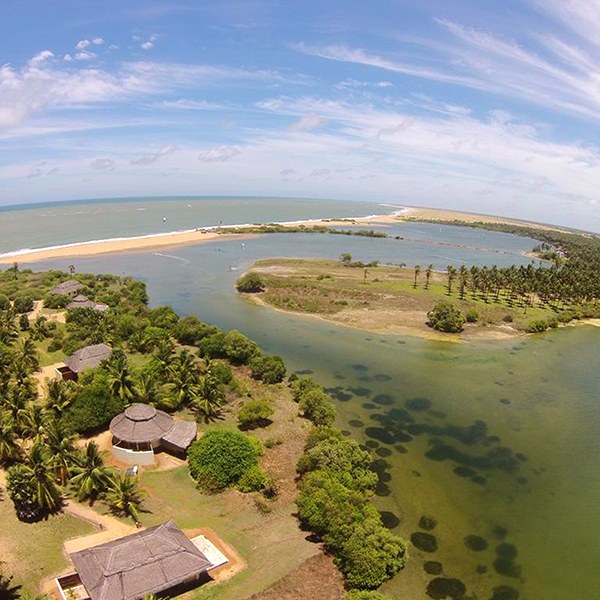
Visit Kalpitiya on Sri Lanka's west coast: dolphin watching, kitesurfing season, the lagoon and islands, where to stay and how to combine it with Wilpattu.
The best snorkeling in Sri Lanka is at Pigeon Island National Park off Nilaveli on the east coast (about May to September), where you can see coral, reef fish and black-tip reef sharks. On the south-west coast, Hikkaduwa, Unawatuna and Polhena near Matara are the best spots for snorkeling with sea turtles (about November to April). Some sites may suit confident beginners in calm conditions; check local sea and current conditions, use appropriate flotation if needed, and follow local guidance.
The best scuba diving in Sri Lanka is off Hikkaduwa and Unawatuna on the south-west coast from about November to April, and off Trincomalee, Nilaveli and Pigeon Island on the east coast from about May to September. Divers can explore coral reefs, rocky pinnacles and some of the Indian Ocean's most interesting shipwrecks. PADI and SSI courses for beginners are widely available.
Plan a Sri Lanka beach holiday matched to the season: south and west coasts in winter, the east coast in summer, with sightseeing along the way.
Look for a mix of living coral, active fish of different sizes, limited algae smothering and little rubble. Condition varies by site and over time, so ask a local guide what they have noticed recently. A single visit gives only a snapshot, and visibility can affect what you notice.
No. Coral is a living animal, and even a light touch can damage it or expose it to infection. Keep a safe distance, control your fins and avoid standing on the reef. If you need to rest, return to a boat, shore or flotation device.
A marine park or sanctuary usually has rules on collecting, damaging and sometimes access, and may require tickets. An unprotected reef may have fewer controls. Protection does not guarantee condition, so follow local rules, ask your operator and treat every reef with the same care.
They can if operators drive over shallow coral or anchor carelessly. Ask the operator how they avoid the reef, whether they use moorings and how they handle crowding. Choose operators who keep a safe distance and brief passengers on behaviour. If a boat seems too close to coral, politely ask the crew to move.
Often yes, because some reefs are shallow enough for snorkelling or viewing from glass-bottom boats. Conditions, access and visibility vary, so check locally. Scuba offers different depths and structures but requires training, medical fitness and instruction. Choose the method that matches your comfort and abilities.
Photos show the best moments, angles and lighting. Real reefs vary with weather, visibility, season, tide and recent events such as warming or storms. Some places are recovering from damage. Manage expectations, ask locally for current conditions and appreciate smaller details such as texture, small fish and invertebrates.
Avoid anything that could scratch coral, drop onto it or release harmful substances. Secure straps, cameras and loose items. Use a rash guard and hat to reduce sunscreen use, and carry rubbish back with you. Do not bring items to feed wildlife or collect souvenirs.
It depends on season, weather, day and the site's popularity. Beach reefs and marine parks can become busy at peak times, which affects visibility and wildlife. Ask the operator about visitor numbers, consider going when it is quieter and be ready to change plans if a spot is congested.
Choose operators who use moorings and brief guests, avoid touching or collecting anything, reduce plastic, manage sun protection thoughtfully and follow park rules. Support local conservation efforts if they are transparent. Share accurate, respectful information and discourage poor behaviour politely when you see it.
Currents can make reef swimming risky, especially for weaker swimmers. Ask locals or guides about conditions, avoid going out alone, use flotation if needed and stay away from boat routes. If you feel pulled, stay calm, signal for help and do not fight the current directly.
From inspiration to your itinerary
Explore our matching private journeys. Tell us your dates and group size for a personalised route, availability and written quote.
Private journey
Choose your coast and combine beach time with island sightseeing.
Explore package
Private journey
Shape your route around the places and experiences you want to explore.
Explore package