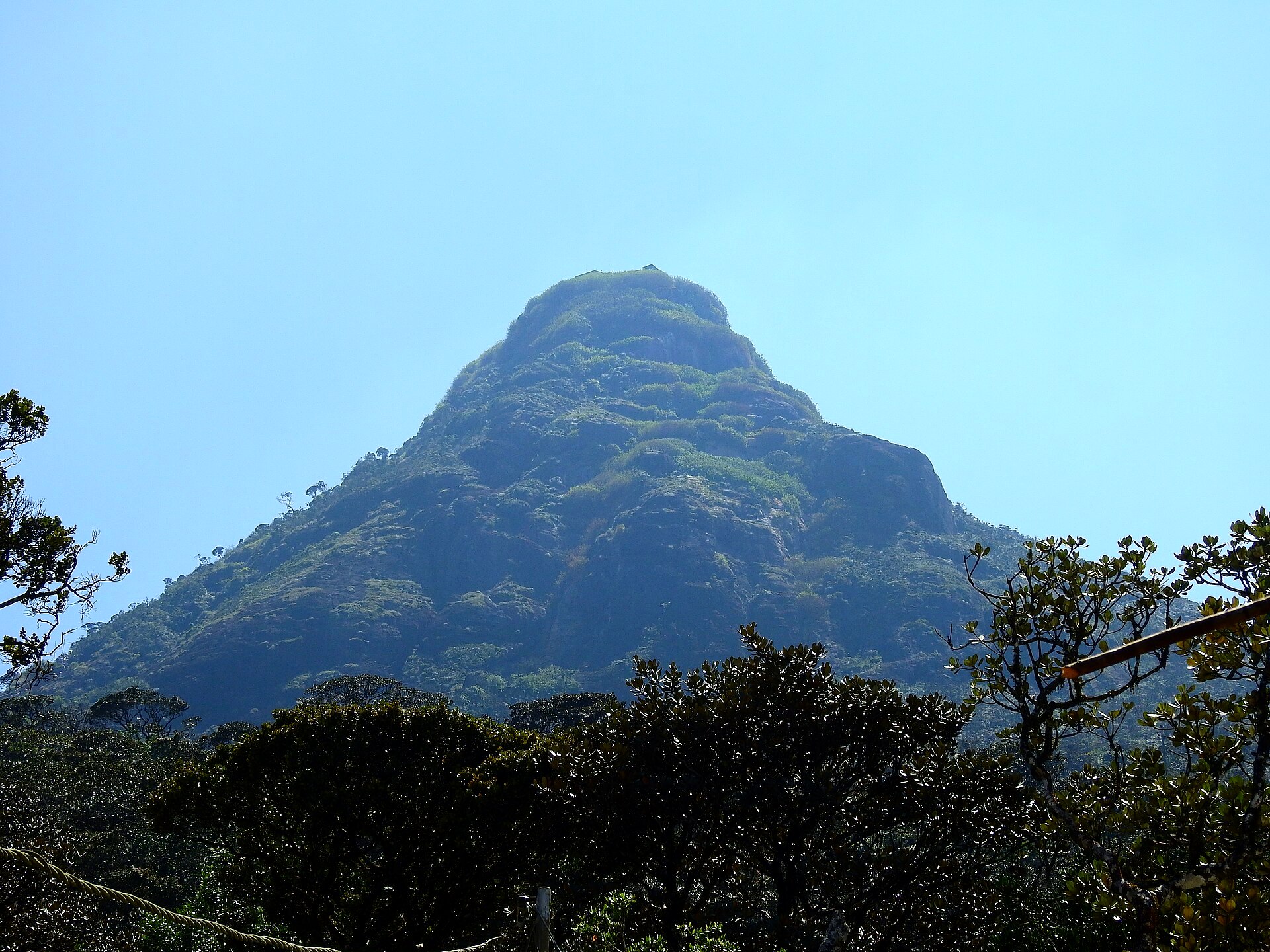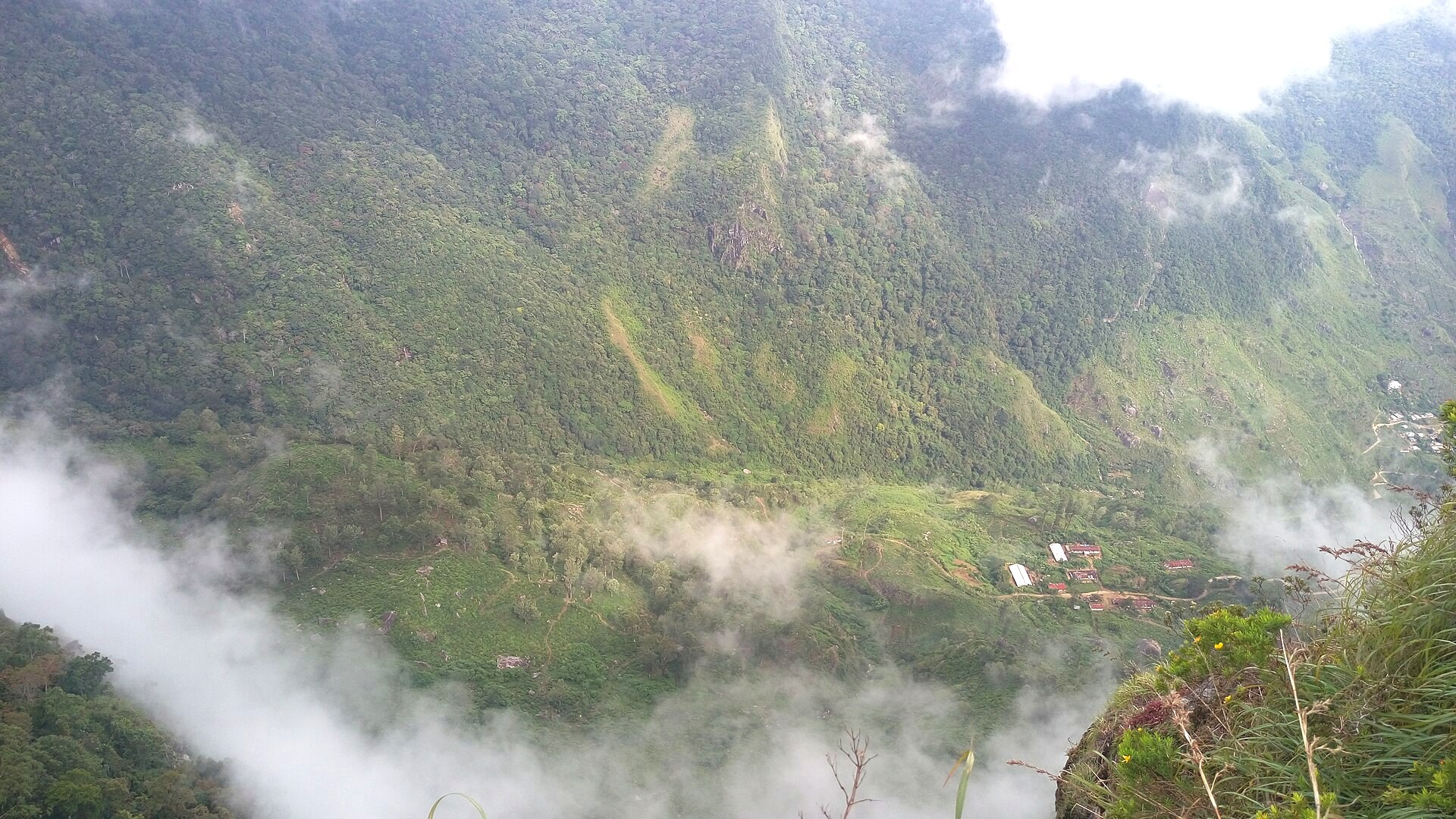
Horton Plains & World's End
Hike Horton Plains National Park to World's End and Baker's Falls: the loop trail, the best time for clear views, what to bring and private tours.

Nature
The best nature trails in Sri Lanka are the Horton Plains loop to World's End, Little Adam's Peak in Ella, the rainforest trails of Sinharaja, the Knuckles mountain range and the short climb up Pidurangala rock. Difficulty and duration vary by route, especially in the Knuckles range; check the specific trail, footwear and equipment requirements before setting out. Sinharaja requires a local guide, and a guide is recommended in the Knuckles range.
Walking is the best way to see Sri Lanka's nature up close. On foot you'll notice the endemic lizards, butterflies, orchids and birds you miss from a car. Trails lead through cloud forest, tea estates, rainforest and dry-zone jungle, often ending at a viewpoint or waterfall. Many walks are short enough to fit into a morning, leaving the afternoon for travel or rest.
Horton Plains and World's End – best all-round nature walk The Horton Plains loop is around 9 km through grassland and cloud forest on a high plateau. It passes World's End, a sheer cliff with views far down to the lowlands on a clear day, and Baker's Falls. Start at opening time, as mist often covers World's End by mid-morning. The walk is moderate and takes about three hours. See Horton Plains and World's End.
Little Adam's Peak, Ella – best easy walk This short walk from Ella climbs gently through a tea estate to a grassy summit with wide views of Ella Gap. Most people reach the top in under an hour. It is popular at sunrise and sunset, but suitability depends on mobility and conditions; carry a torch if walking in darkness. See Little Adam's Peak and Ella.
Sinharaja Forest Reserve – best rainforest trail Sinharaja's trails lead under the canopy of Sri Lanka's last large lowland rainforest. Walks with a compulsory local guide usually last three to five hours and pass streams, giant trees and small waterfalls. It's the best place to see endemic birds, lizards and frogs. Paths can be muddy and leeches are common. See Sinharaja.
Knuckles mountain range – best for quiet trekking The Knuckles range north-east of Kandy is a UNESCO-listed wilderness of cloud forest, grassland, rivers and remote villages. Trails range from short walks to multi-day treks. Few tourists come here, so the trails feel wild. A local guide is recommended, as paths are not always marked. See Knuckles mountain range.
Pidurangala rock – best short climb Pidurangala, next to Sigiriya, is a short but steep climb through a temple and forest, with a final scramble over boulders. From the top you get the classic view of Sigiriya rock. Allow about an hour return. See Pidurangala.
Other good walks
For longer and harder treks, including Adam's Peak, see best hiking locations in Sri Lanka. For walks that end at waterfalls, see our waterfalls guide.
Little Adam's Peak, Peradeniya gardens and the short paths at Horton Plains are the easiest. Pidurangala suits active children who are comfortable with a short scramble. Sinharaja suits older children who are happy to walk for a few hours on muddy paths.
Even on easy trails, a naturalist guide will help you spot and identify wildlife you'd otherwise miss. Our team can arrange guided hikes.
The hill country and the south-west rainforests are driest from roughly December to April. Knuckles is often good from around January to April and again in the drier summer months. Whatever the season, start early. Mornings are cooler, clearer and better for wildlife.
Stay on marked paths, take all rubbish with you, don't pick plants or flowers, and keep noise down so you and others can enjoy the wildlife.
Our Sri Lanka adventure tour can include guided nature walks matched to your fitness. Plan this with a local expert. For more nature experiences, go back to Nature in Sri Lanka.
Nature trails in Sri Lanka can look similar on a map, but they differ dramatically underfoot. Some are broad, well-trodden paths through tea estates, while others are narrow tracks across mud, roots and stream crossings. Before choosing a walk, ask about surface, steepness, shade, water crossings and whether the path is a loop or an out-and-back route. These details matter more than distance.
Terrain shapes the experience. Highland grassland is open and breezy but exposed, so sun and wind can be intense. Cloud forest is cool and dripping, with slippery roots. Lowland rainforest is humid and often muddy, with leeches after rain. Tea-estate paths are usually easier but may involve steep sections and slippery steps in wet weather. Dry-zone trails can be hot and dusty with little shade.
Pay attention to how long a walk feels, not only how long it is. Humidity, altitude and rough ground slow most people down. Ask your guide how long an average visitor takes, and add time for stops. If you have limited mobility, choose a trail with a shorter alternative, or one where you can turn back easily. A trail that suits your fitness is more enjoyable than one that pushes you to exhaustion.
A gentle walking day works well for families, older travellers or anyone who prefers relaxation to challenge. Start with a short early walk to a viewpoint or garden, when the air is cool and light is soft. Follow with a long, leisurely breakfast and a slower afternoon, perhaps with a visit to a tea factory, a market or a cultural site.
Choose routes with benches, shade and straightforward paths. Botanical gardens, tea-estate lanes and short forest paths are good options. Keep distances modest, and avoid steep or slippery terrain. If you take children, add small goals such as finding butterflies, counting birds or searching for interesting leaves.
Pacing is the key. Stop often, drink water and enjoy the surroundings. If the weather turns, have an alternative such as a covered viewpoint or a local café. A gentle day does not mean a dull one; slowing down lets you notice details that fast walkers miss, such as flowers, insects and the sounds of the forest. Many travellers find these quiet days become unexpected highlights, and they provide a welcome contrast to travel days spent mostly in vehicles.
For fit travellers, a demanding day can include steep climbs, long distances or remote terrain. Choose trails with clear goals, such as a ridge, a viewpoint or a cluster of waterfalls. Prepare physically by walking on hills at home, and test your footwear before the trip.
Start early to avoid heat and afternoon rain. Carry more water than seems necessary, plus snacks with salt and sugar. A light rain jacket, a hat and a small first-aid kit are essential. In remote areas, bring a map, a power bank and a basic emergency plan. Tell someone where you are going and when you expect to return.
Hire a guide for trails that are not clearly marked or that cross remote terrain. Guides know shortcuts, hazards, wildlife behaviour and weather patterns, and they can turn the group back if conditions deteriorate. Respect their judgement. After a hard day, plan a recovery evening with a hot meal and plenty of fluids. Avoid scheduling another demanding trail immediately. Sore muscles, blisters and fatigue build up quickly in warm, humid conditions, and a day of rest allows you to enjoy the next outing properly instead of dragging through it.
Leeches worry many visitors, but they are manageable with preparation. They are most common in wet forests after rain, where they wait on leaves and attach to passing legs. Leech socks, tucked-in trousers and repellent reduce bites. Check your legs and shoes regularly, and remove leeches with a fingernail or a pinch of salt, not by pulling hard.
Other insects can be a nuisance. Mosquitoes are more active at dawn and dusk, so use repellent and cover skin. Ticks and biting flies may appear in grassy areas, and wasps or bees can be found near flowering trees. Avoid wearing strong perfume, and keep food sealed.
Snakes and larger animals are less common on popular trails, but caution is wise. Stay on marked paths, watch where you step and avoid reaching into crevices or under logs. Follow your guide's instructions, and keep a respectful distance from any wildlife. Wear closed shoes, not sandals. If you have allergies or medical conditions, carry necessary medication. With sensible precautions, these creatures become part of the adventure, and most walkers finish with nothing worse than a story to tell.
Weather shapes trails more than almost any other factor. In the highlands, mist can arrive suddenly, hiding views and cooling the air. Clear mornings often turn cloudy by mid-day, so early starts offer the best chance of open views. In rainforest, rain is possible in any month, and trails can turn slippery very quickly.
Time of day also affects wildlife. Early morning is generally the best for birds and mammals, as they are most active and the air is cool. Midday is hot, and animals rest. Late afternoon can be pleasant, with soft light, but be careful about returning before dark, especially on unlit paths.
Check forecasts and local advice before heading out, and be willing to change plans. If heavy rain is expected, choose a shorter route or postpone. Wet rock and steep steps can be dangerous, and streams can rise quickly. Carry a rain jacket and protect valuables in a waterproof bag. Photographers should consider that mist and cloud can create dramatic scenes, so do not abandon a walk simply because the sky is grey. A flexible approach and layered clothing keep you comfortable across changing conditions.
Good footwear is the most important item for any trail. Choose shoes or boots with a grippy sole and good ankle support for rough terrain, and make sure they are broken in. Lightweight trail shoes suit easy paths, while sturdier boots help on steep, muddy or rocky trails. Avoid flip-flops on any walk that involves roots, steps or mud.
Clothing should be light, breathable and quick-drying. Long sleeves and trousers protect against sun, scratches and insects, while a hat and sunglasses help in open areas. In the highlands, bring a warm layer and a windproof jacket. Cotton stays wet, so synthetic or merino fabrics are better.
Your day pack should include water, snacks, a rain layer, sunscreen, repellent and a small first-aid kit. Add a headtorch for dawn starts, a power bank, a lightweight towel and a bag for rubbish. Carry cash for small village shops or tea stalls. If you use trekking poles, check that they are permitted and suited to the terrain. Pack light, because a heavy bag becomes tiring in heat. Test your kit on a short walk before attempting longer routes, so you know what works and what does not.
Nature trails reward slow, attentive walkers. Instead of rushing toward a viewpoint, practise stopping every few minutes to listen and look. Birdsong often comes before sight, and movement in the undergrowth may reveal lizards, squirrels or frogs. Check tree trunks for insects, fungi and lichens, and look at leaf litter for tiny creatures.
Different layers of forest hold different life. The canopy may host monkeys and birds, the mid-level offers butterflies and flowering plants, and the ground hosts amphibians and reptiles. In grassland, look for small birds and insects among the stems. At streams, watch for dragonflies, kingfishers and crabs.
A guide can teach you to notice clues such as tracks, droppings, feeding signs and alarm calls. Ask questions, and let your curiosity guide you. A notebook or phone app can help record sightings, but do not let devices distract you. Walk quietly, avoid wearing bright clothing, and keep group sizes small. Over time, you will find that your senses sharpen, and even short walks become rich with detail. This skill is portable, and will enhance every future outdoor experience you have.
Choosing a good guide can transform a trail. Local guides know the paths, wildlife, plants and stories, and they often have connections with villagers who live nearby. Ask about their experience, languages and group size. Smaller groups are quieter and more flexible, and they give wildlife a better chance to appear.
In some areas, guides are required, and in others they are strongly recommended because trails are unmarked or hazards exist. Treat guides as partners. Share your fitness level and interests, and listen to their advice. Pay fair rates and tip when service is good, because guiding is often a primary source of income in rural areas.
Leave no trace wherever you walk. Stay on marked paths, carry out all rubbish, and avoid picking plants or disturbing wildlife. Do not carve names on trees or rocks. Use toilets where available, and bury waste responsibly where they are not. Keep noise low, and respect other walkers and local communities. Ask permission before crossing private land, and close gates behind you. These simple practices protect fragile habitats and help ensure that trails remain open and enjoyable for future visitors.
Hike Horton Plains National Park to World's End and Baker's Falls: the loop trail, the best time for clear views, what to bring and private tours.
Hike the Knuckles Mountain Range near Kandy: cloud forest trails, Mini World's End, remote villages like Meemure, the best season and guided treks.
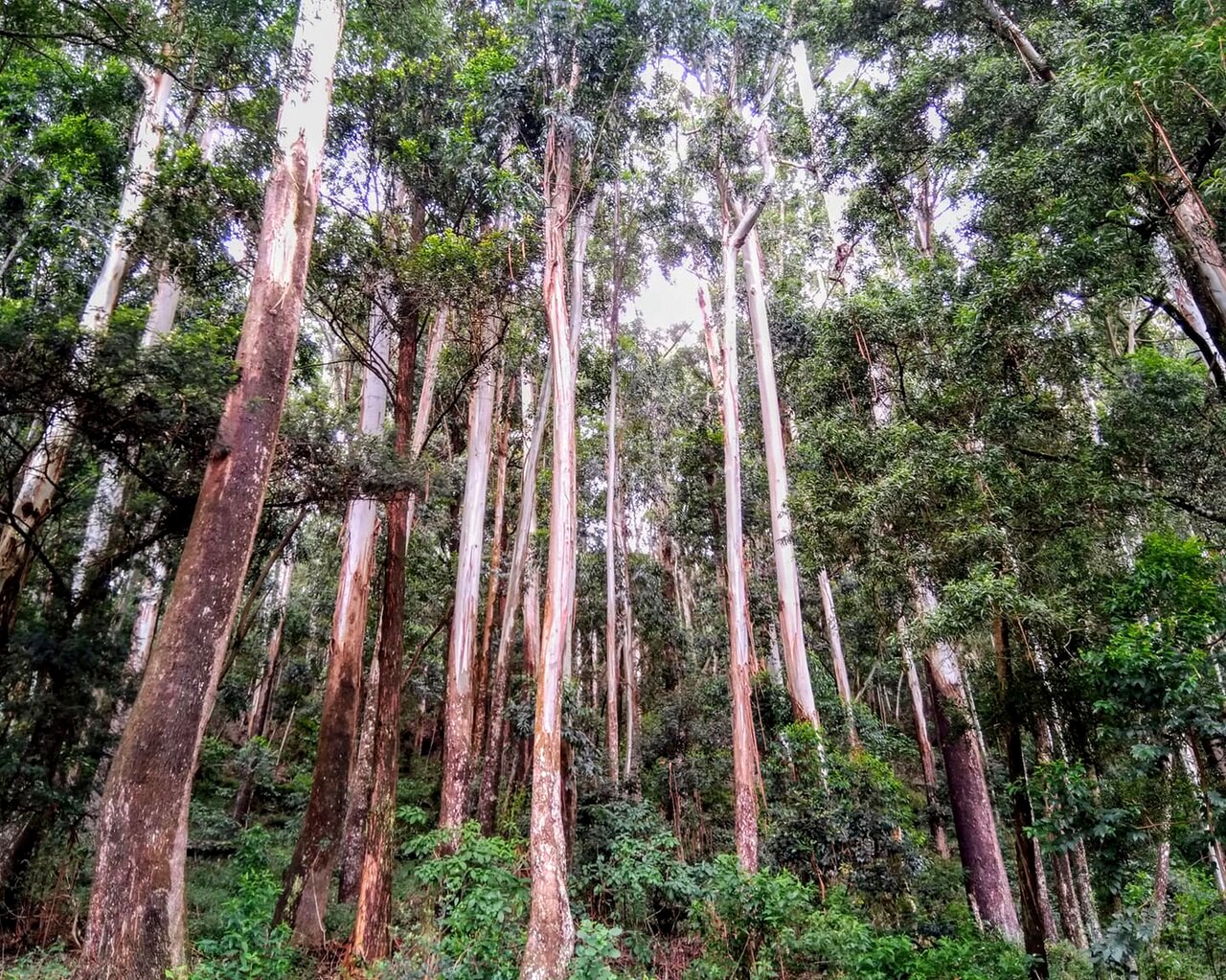
Visit Sinharaja Forest Reserve, Sri Lanka's UNESCO-listed rainforest: guided walks, endemic birds, the best time to go, leeches and private tours.

Hike Little Adam's Peak near Ella, Sri Lanka: the easy trail through tea estates, sunrise views, how long it takes, what to bring and what to do nearby.
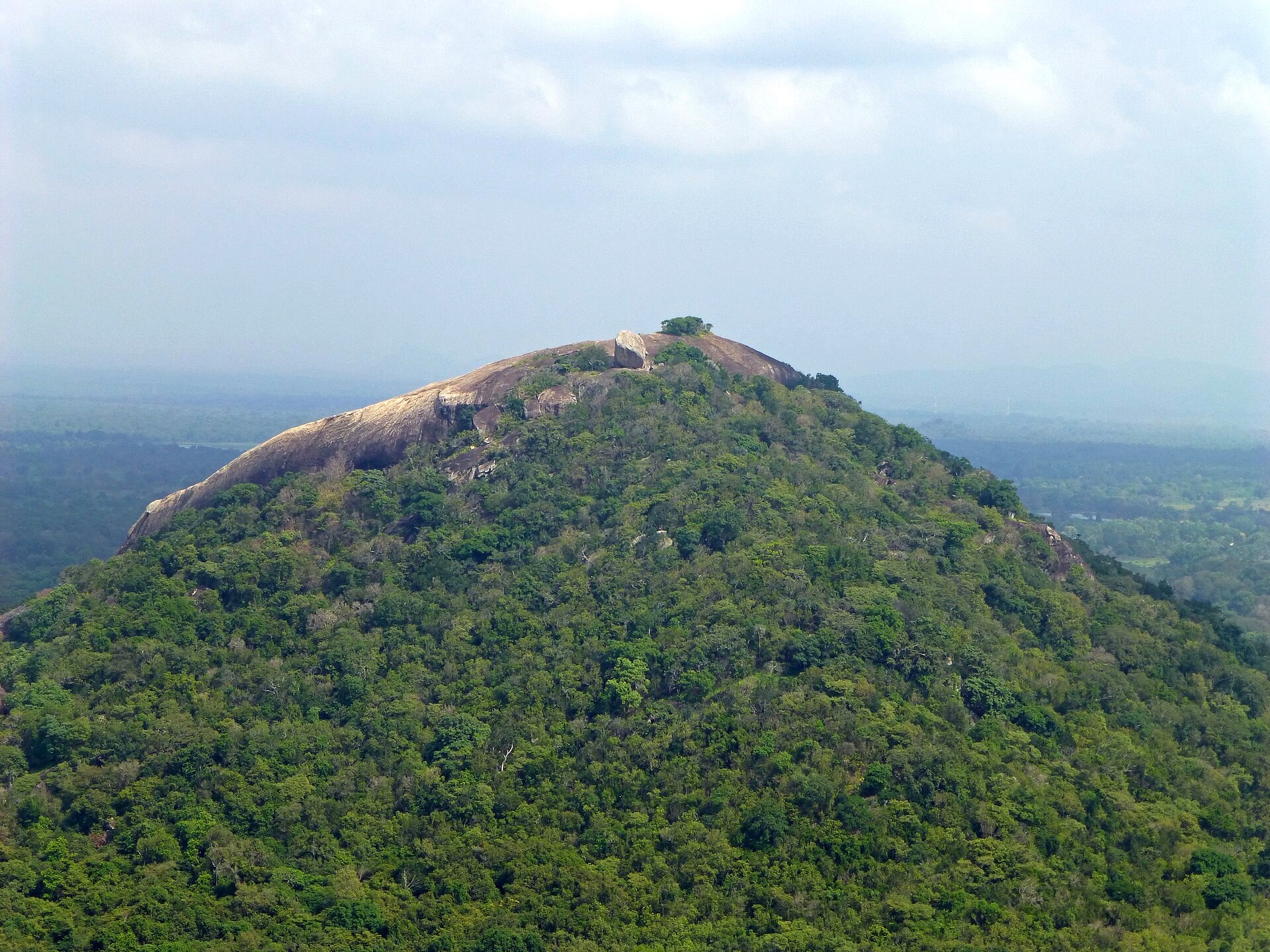
Climb Pidurangala Rock for the best sunrise view of Sigiriya: the trail, how long it takes, the final scramble, what to bring and private tours.
Sri Lanka's best walks and hikes, from Little Adam's Peak and Ella Rock to Horton Plains, Adam's Peak and Sinharaja, with safety and planning tips.
An active Sri Lanka itinerary with hikes, white-water rafting, a sunrise climb of Adam's Peak and surf lessons, planned privately around your fitness.
Ask about steepness, surface, shade, water crossings and whether the route is a loop. Distance alone is misleading, because heat, humidity and rough ground slow most people. Choose a route you can shorten or turn back from, and be honest with your guide about your experience and any health concerns.
Choose shoes or boots with deep grip and ankle support, preferably broken in beforehand. Quick-drying socks and spare pairs help, and leech socks protect in wet forest. Avoid flip-flops and smooth soles, since slippery roots and wet rock cause most falls. Waterproof footwear can overheat, so consider breathability.
Leeches are generally harmless but unpleasant. Wear leech socks, tuck trousers in and apply repellent to shoes and socks. Check your legs often. Remove a leech by sliding a fingernail under its head or using salt, then clean the bite. Bleeding may continue for a while, but it is usually minor.
On clearly marked, popular paths you may be able to walk independently, but a guide adds knowledge of wildlife, plants and local stories. In remote or unmarked areas, a guide is strongly advisable for safety and navigation. Some places require registered guides, so check current rules before you go.
Early morning generally offers clearer views, cooler air and better wildlife activity. Mist often builds later, hiding viewpoints, and afternoon rain is common in some seasons. If views are your priority, start early and carry layers, because temperatures can be cold at altitude before the sun warms the slopes.
Stay calm, put on a rain layer and slow down, since rocks and steps become slippery. Avoid crossing swollen streams, and listen to your guide about turning back. Protect electronics in a waterproof bag. If thunder is nearby, avoid exposed ridges and tall isolated trees, and seek lower, sheltered ground.
Many gentle routes are suitable, especially short tea-estate paths, gardens and viewpoint walks. Check surface, steps and shade, and choose a route that can be shortened. Bring snacks, water and sun protection, and let the slowest walker set the pace. Steeper or slippery trails may be best left for another trip.
Expect birds, butterflies, lizards, squirrels and monkeys, with frogs and insects in wet areas. Larger mammals are less likely on busy trails. A guide helps you find smaller creatures that you would otherwise miss. Treat every sighting as a bonus, and enjoy the plants, sounds and scenery too.
Build fitness with hill walking beforehand, test your boots and pack light. Carry water purification options, a rain layer, a warm layer and a basic first-aid kit. Arrange a local guide, share your route with someone and check insurance cover. Plan rest days, because humidity and heat make recovery slower than expected.
Stay on marked paths, carry out all rubbish and avoid picking plants or disturbing animals. Keep noise low, respect local land and community rules, and use toilets where available. Pay guides fairly, and keep group sizes small. These habits help protect fragile habitats and keep trails open for future walkers.
From inspiration to your itinerary
Explore our matching private journeys. Tell us your dates and group size for a personalised route, availability and written quote.