Minneriya National Park
Visit Minneriya National Park near Sigiriya to see the elephant Gathering: the best months, afternoon safaris, Kaudulla as an alternative and private tours.

Nature
The Elephant Gathering is a major seasonal congregation of Asian elephants. It happens at Minneriya National Park, and nearby Kaudulla, roughly from July to October, usually peaking in August and September. As the dry season shrinks the Minneriya reservoir, fresh grass grows on the exposed shore and herds come together to graze, often more than a hundred elephants at once. An afternoon jeep safari gives the best views.
Every year, Sri Lanka's dry season changes the landscape of the north-central plains. Rivers and small waterholes dry up, but the large ancient reservoirs, or tanks, keep water. At Minneriya, a reservoir built more than 1,500 years ago, the water level falls and exposes wide, grassy shores.
Elephants from the surrounding forests travel to these shores to drink, bathe and feed on the new grass. Family herds that normally live apart come together in one open space. On a good afternoon you can see large numbers of elephants of every age, including tiny calves, playing, feeding and socialising. Wildlife experts often call it one of the great wildlife spectacles of Asia.
Minneriya National Park Minneriya is the classic location. The park surrounds the Minneriya tank, and its grassy shores are where the largest herds are usually seen in August and September. Minneriya is a short drive from Sigiriya and Habarana, so it fits easily into a Cultural Triangle trip. See Minneriya National Park.
Kaudulla National Park Kaudulla is a short drive further north-east, around its own ancient tank. The elephants move between Minneriya, Kaudulla and the Hurulu Eco Park area depending on where the grass and water are best. Some days Kaudulla has bigger herds than Minneriya. See Kaudulla National Park.
Neither is always better. The herds move, so the best park can change from week to week, or even from day to day. Local jeep drivers keep in touch with each other and usually know where the elephants are. Book a safari with a driver who is flexible about the park. Earlier in the season (around June and July), Kaudulla is often better. In August and September, Minneriya is usually the main site.
Rainfall changes from year to year, so the timing can shift by a few weeks.
The elephants usually come out of the forest onto the open grassland from mid-afternoon. A safari starting around 2.30 to 3 pm and lasting until the park closes gives you the best chance of seeing large herds in soft evening light.
Safaris are run in open-sided jeeps with a driver and, often, a tracker. Most visitors book through their hotel or tour company in Sigiriya, Habarana or Dambulla. Park entry tickets are bought at the gate. See our safaris page to arrange a jeep with an experienced local driver.
You can see wild elephants in Sri Lanka all year:
Read our full guide on where to see elephants in Sri Lanka.
Minneriya sits at the centre of Sri Lanka's heritage region. You can climb Sigiriya in the morning, visit the ancient city of Polonnaruwa at midday and see the Gathering in the afternoon. See Sigiriya and Polonnaruwa.
Our Sri Lanka wildlife tour can be timed for the Gathering season. Plan this with a local expert. For more nature experiences, go back to Nature in Sri Lanka.
Seeing the Gathering is less like attending a scheduled event and more like following a natural rhythm. It depends on water levels, grass growth, rainfall elsewhere and the preferences of elephants themselves. In some years the shoreline fills with herds early, and in others the best scenes arrive late. Even within a single week, elephants can shift between reservoirs and forest edges depending on where food and water are best.
This unpredictability is part of the appeal, but it affects planning. A trip with only a single available afternoon carries more risk than one with several. If possible, allow at least two visits, ideally to different areas, so that one disappointing day does not define the experience. Ask guides and lodges about recent movements rather than relying on a general calendar.
It also helps to understand what a good day looks like. It may not be a hundred elephants in a perfect line. Often it is a scattered series of herds across the grass, with families feeding, calves following mothers and juveniles playing at the water's edge. Numbers vary, and the experience depends on light, distance and patience. Visitors who arrive curious and flexible tend to enjoy the afternoon more than those expecting a performance.
Knowing a little about elephant behaviour makes the Gathering more rewarding. Female elephants live in family groups led by an experienced older female, with sisters, daughters and young calves. Adult males often live alone or in loose groups, and may join herds temporarily. The Gathering brings these groups together at rich feeding grounds, which is why you may see unfamiliar family units mingling.
Watch for signs of social life. Calves stay close to adults, sometimes sheltering beneath them. Older elephants guide the herd's movements, and juveniles test boundaries with play and mock charges. Trunk touching, ear flapping and soft rumbles signal communication. Some behaviours, such as dust bathing and mud wallowing, help control temperature and protect skin from insects.
Males in musth, a period of heightened hormones, can be unpredictable and dangerous. Guides can often recognise the signs, such as fluid on the face, and will keep distance. Never press your driver to approach, and do not assume elephants are calm because they appear relaxed. Appreciate the social complexity from a distance, and you will notice behaviour that casual visitors miss. A pair of binoculars brings these details closer without disturbing the animals.
There are several sensible ways to build the Gathering into a trip. One approach is to base yourself near the ancient rock fortress and use the Gathering as the wildlife highlight of a heritage-focused stay, spending the morning on history and the afternoon on safari. This works well for travellers who enjoy variety, but be careful not to schedule a strenuous climb earlier the same day.
A second approach is to allocate two separate afternoons, visiting one reservoir on the first day and another on the second. This increases your odds and lets you compare experiences, and it suits travellers who place wildlife above everything else. Consider adding a quiet day between them to rest and visit a nearby village or temple.
A third approach is to treat the Gathering as one stop on a wider wildlife circuit, for example after a southern park where elephants are seen in different habitats. In that case, the Gathering becomes a comparison between dry-season concentration and year-round presence. Whichever route you choose, keep your afternoon uncluttered, because delays on tracks and slow-moving herds can extend the safari. Booking a flexible driver, who will choose the better reservoir on the day, is usually more valuable than fixing the plan far in advance.
Your jeep and driver strongly influence the quality of the afternoon. A good driver knows how to position the vehicle with the light behind you, keeps a respectful distance, understands elephant body language and communicates with other drivers about herd movements. A poor driver chases elephants, blocks paths or crowds other vehicles, which spoils the experience and may disturb the animals.
Group size matters. Smaller groups in a single jeep are quieter and give everyone a clear view, while larger vehicles can be crowded and noisy. If you are travelling as a family or a group of friends, consider booking more than one jeep rather than squeezing in. Ask in advance how many people the jeep carries and whether seats are shared.
Comfort details count too. Seats should allow you to stand or lean for views without discomfort, and a roof or canopy gives shade. Dust is common, so carry a light scarf. Bring binoculars, water and a hat. If you have a camera with a long lens, a beanbag helps. Ask your driver to explain their approach to elephants and how they handle busy periods. A confident, calm answer is a good sign, and it is worth choosing carefully because the afternoon is the heart of the visit.
The Gathering is famous, and popular afternoons can attract many vehicles. Crowding can reduce enjoyment and create stress for elephants. Choose your viewing position with patience, and do not push into gaps. If the area is crowded, ask your driver to wait for a better spot, or to move to a quieter edge where elephants may appear.
Maintain a safe distance and stay inside the vehicle at all times. Keep voices low and avoid sudden movements, loud music or flash photography. Never throw food or objects, and never encourage animals to approach. If an elephant shows signs of agitation, such as raised head, spread ears or mock charge, your driver should back away calmly. Trust their judgement and follow instructions.
Etiquette applies between vehicles too. Do not block paths, and give other jeeps room to see. Avoid revving engines or driving through herds, which can split families and cause distress. Sharing space respectfully benefits everyone, including the elephants. If you notice behaviour that seems irresponsible, calmly raise it with your driver, or later with your tour organiser. Visitors collectively shape standards, and each person who values calm, respectful behaviour helps ensure that the Gathering remains a place worth visiting.
Afternoon light at the reservoir is generous, with soft tones and long shadows that make elephants glow against the grass. Position matters, and a good driver will try to keep the sun behind you where possible. Dust in the air can add atmosphere but also reduce clarity, so wipe your lens often.
A moderate telephoto lens is usually enough, since elephants can come surprisingly close. Wide shots that show herds in landscape often tell the story better than tight portraits. Keep both options available, and think about composition, including the reservoir, trees and sky. If you use a phone, lean on a stable surface and take video as well as photographs, because movement tells the story.
Observation is as important as photography. Put the camera down for a while and watch behaviour. Notice how herds move, how calves react to adults and how elephants use water. Binoculars help you see details such as ears, tusks and skin texture. Take notes if you enjoy, and compare what you see at different times during the afternoon. Many visitors find that the memory of quiet observation outlasts any image, and that the best photographs come when you stop trying so hard and let the scene unfold.
The Gathering occurs during the dry season, so expect heat, sun and dust. Afternoons can be intense, and shade is limited. Wear light, breathable clothing in neutral colours, along with a hat, sunglasses and sunscreen. A scarf or buff helps against dust, and you may want a light layer in case wind picks up.
Water is essential. Carry more than you think you need, and drink regularly. If you are prone to heat or have health conditions, consider a shorter outing or choose a vehicle with good shade. Avoid heavy meals immediately before the safari, and bring snacks for children.
Weather can still surprise you. Even in dry periods, thunderstorms may roll in, bringing rain and muddy tracks. Drivers will advise on safety, and you should follow their guidance. Have a plan for protecting equipment, such as a plastic cover. After the safari, shower and rest, because dust and heat are tiring. Allow a relaxed evening, and avoid scheduling anything demanding. A comfortable visitor is a more attentive observer, and small preparations make a long afternoon far more enjoyable.
Because the Gathering depends on timing and conditions, it helps to have a fallback plan. If herds are fewer than hoped, shift your focus to the quieter details: individual family groups, birds on the water, buffalo, deer and the landscape itself. The reservoirs and surrounding forest are attractive even without huge numbers.
Another option is to visit a different reservoir area, since herds often move. If you have flexibility, talk to local drivers about the latest movements and adjust your plan. You can also combine your safari with nearby heritage sites, so that the day remains rewarding whatever the elephants do.
Outside the season, other parks offer more dependable elephant viewing in different forms. Some parks have resident herds throughout the year, with open grassland and good visibility. There, you see smaller groups, but with more predictable behaviour. Choosing between concentration and consistency is a matter of preference. Some travellers value the spectacle of large numbers, while others prefer calmer encounters with resident herds. Neither is superior, and knowing the difference helps you pick the experience that suits your schedule, your budget and your interests.
Wild elephants deserve respect, and the way you watch them matters. Choose operators who prioritise animal welfare, keep distance and limit vehicle numbers. Avoid any activity that involves riding, chaining or performing elephants, because these practices often involve harsh training and poor conditions. Watching wild elephants in their natural habitat is more rewarding and more ethical.
Human–elephant conflict is a serious issue in Sri Lanka, as farmland and villages sit close to elephant habitat. Crop damage and accidents affect rural communities, and the situation is complex. Visitors can help by supporting responsible tourism that provides local income and gives communities a reason to value elephants.
Be mindful of your own behaviour. Do not feed elephants, never leave rubbish and keep noise to a minimum. Respect park rules, and report concerning behaviour to authorities or your operator. If you travel with children, explain why distance and quiet matter. Understanding the broader context turns a wildlife outing into something more thoughtful, and leaves you with a deeper appreciation of what it means to share a crowded island with one of the planet's most remarkable animals.
Visit Minneriya National Park near Sigiriya to see the elephant Gathering: the best months, afternoon safaris, Kaudulla as an alternative and private tours.
Visit Kaudulla National Park near Sigiriya and Habarana for elephant safaris around the reservoir: the best months, Kaudulla vs Minneriya and private tours.
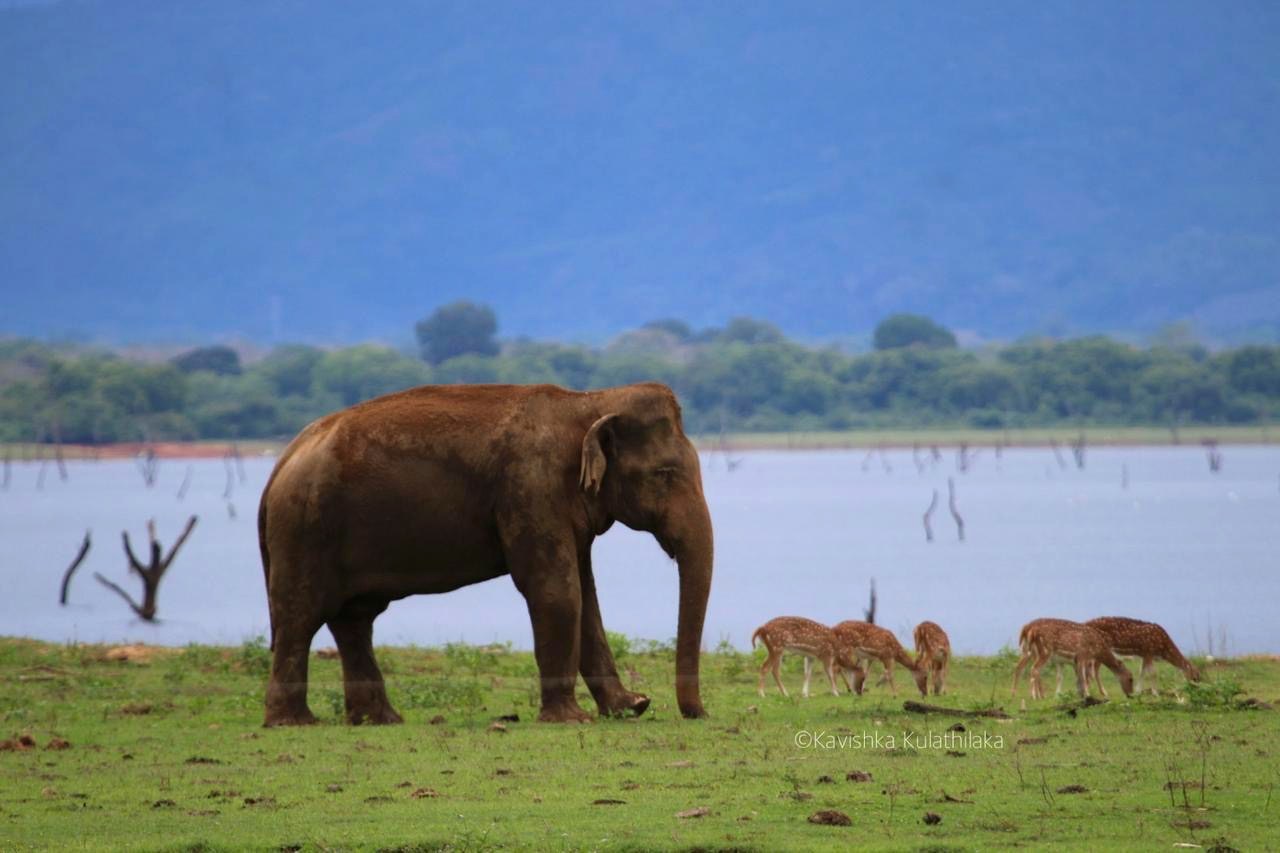
Visit Udawalawe National Park, one of the best places to see wild elephants in Sri Lanka: half or full-day safaris, the best season, tips and private tours.
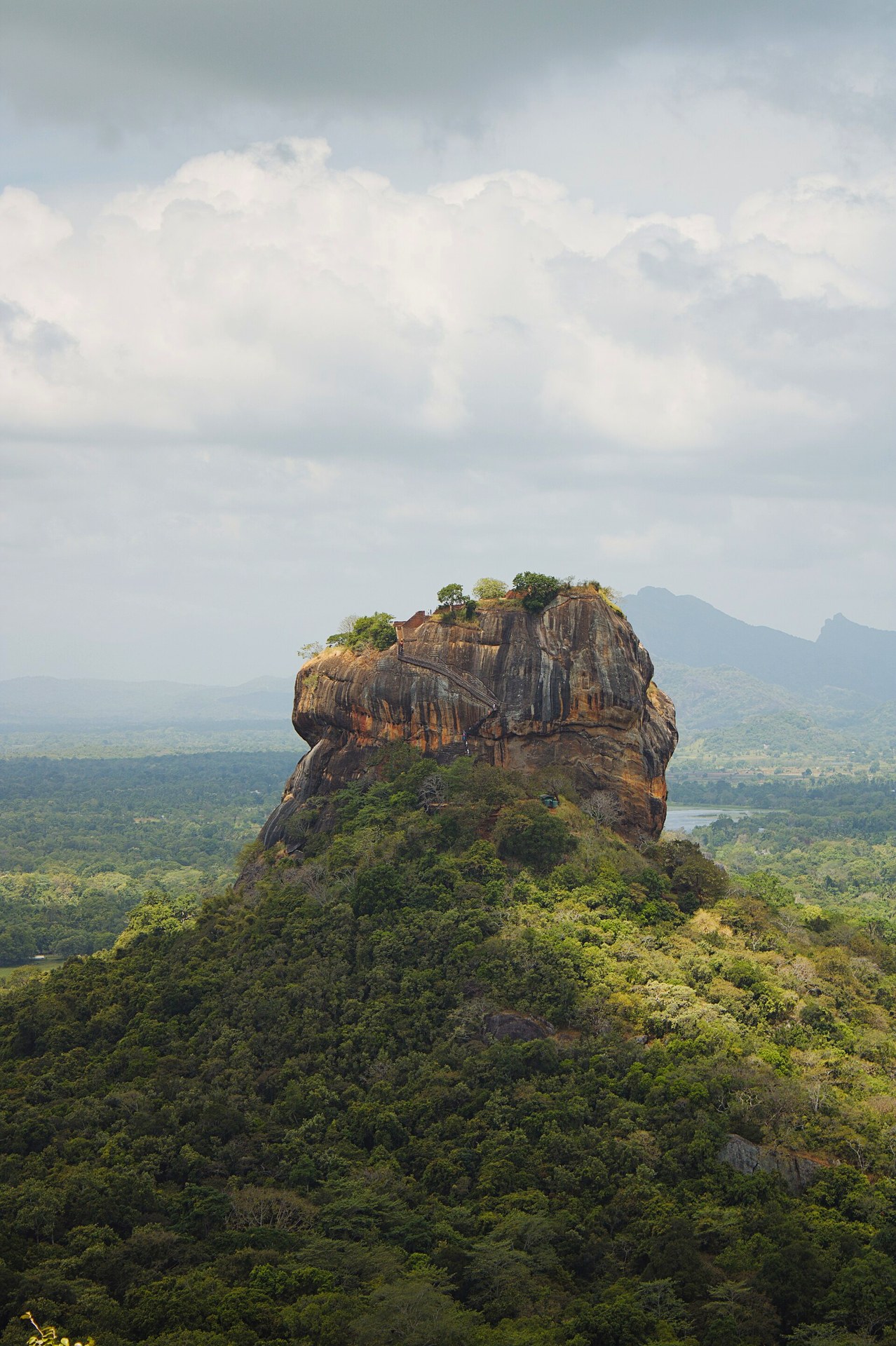
Visit Sigiriya Rock Fortress in Sri Lanka: the history, the climb, the best time of day, what you see at the top, and private Sigiriya day tours.
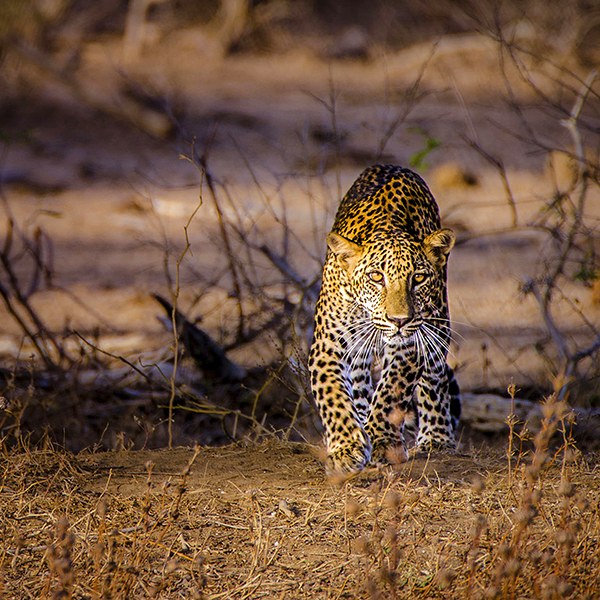
Where to go on safari in Sri Lanka: Yala, Udawalawe, Wilpattu and Minneriya compared, with seasonal advice and responsible wildlife-viewing tips.
A sample Sri Lanka wildlife tour: elephant and leopard safaris, rainforest birding and seasonal whale-watching, with responsible viewing throughout.
Herd numbers depend on rainfall, reservoir water levels, grass growth and where elephants find the best food. A wetter or drier year can shift the timing by weeks. Because of this, treat the season as a tendency, plan more than one visit if possible, and ask local drivers about recent movements.
One afternoon can be rewarding, but two give a safer margin, since herds may move between reservoirs. If time is limited, choose a flexible driver who decides the location on the day. Treat any large sighting as a bonus, and enjoy the wider landscape and smaller herds.
A private jeep gives more control over timing, seats and photography, and suits families or enthusiasts. Shared arrangements can lower cost but may be crowded and less flexible. Ask how many people the vehicle carries, and consider a second jeep for larger groups so everyone has a clear view.
It varies. Herds often feed some distance away, and sometimes cross tracks close to vehicles. Drivers should keep a safe distance and let elephants choose how near to come. Never ask your driver to approach, and remain seated and quiet. Close encounters are more rewarding when they happen naturally.
A male in musth may show fluid streaming from the sides of his head and behave more aggressively. He can be unpredictable and dangerous. Your driver should recognise the signs and keep well away. Follow instructions immediately, stay inside the vehicle and avoid any noise or movement that might provoke him.
Often yes, if the child can sit through a few hours in heat and dust and stay quiet near animals. Bring snacks, water, hats and something to occupy them. Consider choosing a shorter outing, and be prepared to leave early if they become tired or restless.
Light showers may add atmosphere, but heavy rain can make tracks muddy and animals less visible. Drivers will decide whether to continue. Carry a light rain cover for equipment, and wear quick-drying clothing. If the safari is cancelled or shortened, ask whether another visit can be arranged.
Yes, but keep the rest of the day light. Many travellers pair it with a morning of heritage sightseeing. Avoid a strenuous climb earlier, because heat and fatigue reduce your attention during the safari. Allow time for lunch and rest, and keep your schedule flexible in case the safari runs long.
Look for drivers who keep a respectful distance, avoid chasing elephants, limit vehicle crowding and follow park rules. Ask about their approach before booking, and check recent traveller feedback. Avoid operators who promise guaranteed sightings or encourage close approaches. Responsible operators prioritise animal welfare over photographs or tips.
The Gathering involves free-living wild elephants in their natural habitat, with minimal interference. Orphanages and riding venues involve managed or captive animals, and welfare standards vary widely. If you want an ethical experience, choose wild viewing from a distance, and avoid riding, chaining or performance-based activities.
From inspiration to your itinerary
Explore our matching private journeys. Tell us your dates and group size for a personalised route, availability and written quote.