Sigiriya
Visit Sigiriya Rock Fortress in Sri Lanka: the history, the climb, the best time of day, what you see at the top, and private Sigiriya day tours.

Nature
The most beautiful places in Sri Lanka are Sigiriya rock fortress, the hill country around Ella with Nine Arch Bridge and Little Adam's Peak, Lipton's Seat above the Haputale tea estates, World's End at Horton Plains and the Kandy to Ella train ride. On the coast, Galle Fort and Mirissa's palm-lined bay are the classic views. Most of these are best at sunrise, before clouds and crowds arrive.
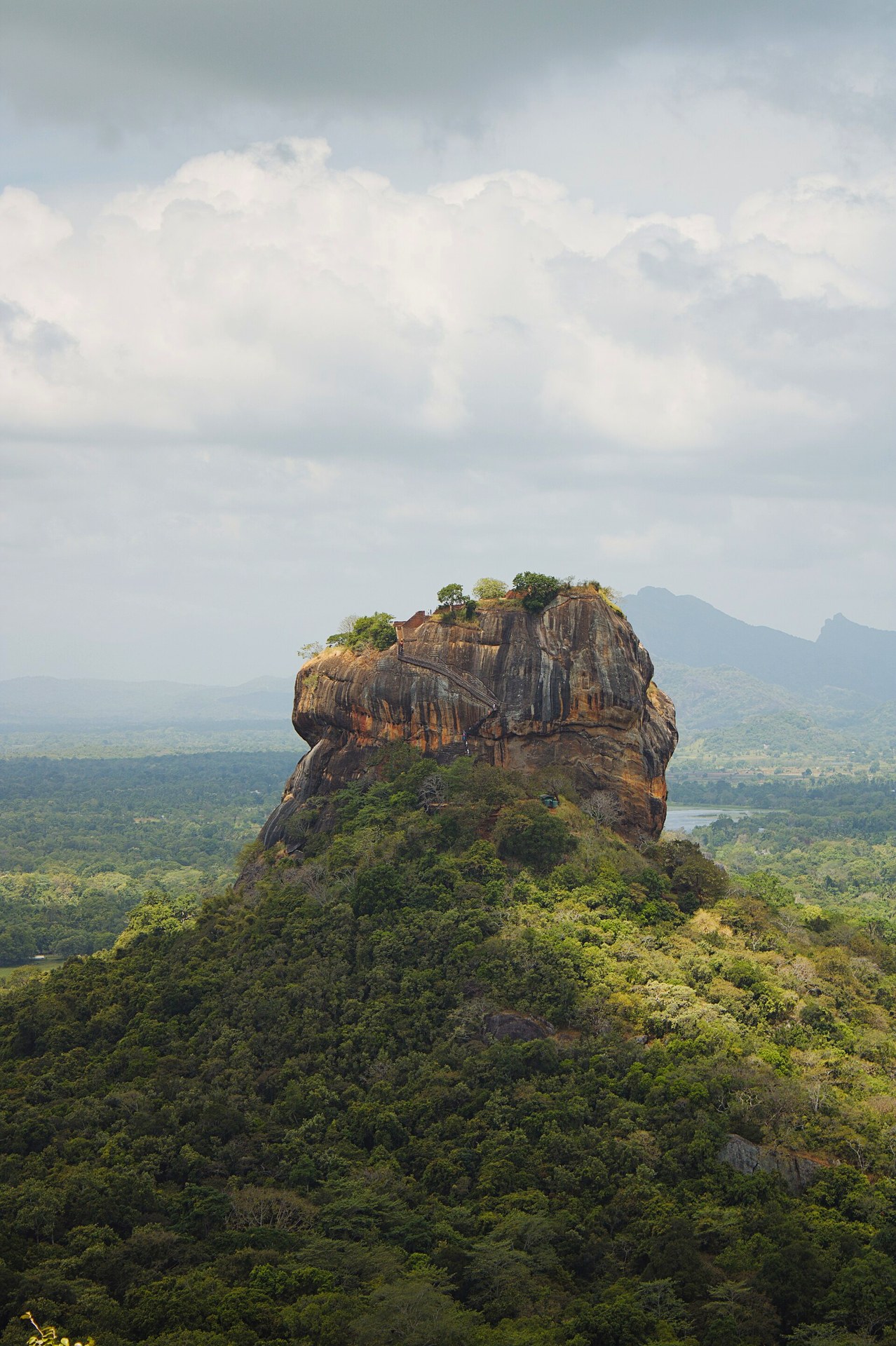
Sigiriya and Pidurangala Sigiriya, a fortress on a rock about 180 metres high rising from the plains, is Sri Lanka's most famous sight. Climbing it takes you past frescoes, giant lion's paws and palace ruins on the summit. For the best view of Sigiriya itself, climb neighbouring Pidurangala rock at sunrise. See Sigiriya and Pidurangala.
Ella and Nine Arch Bridge Ella is a small hill-country town surrounded by tea estates, waterfalls and mountain views. Nine Arch Bridge, a stone railway viaduct built in the colonial era and set in thick jungle, is one of the most photographed spots in the country. Watching a blue train cross it is a highlight. Train times vary, so check them locally before you go. See Ella and Nine Arch Bridge.
Lipton's Seat, Haputale This viewpoint above the Dambatenne tea estate is where Sir Thomas Lipton is said to have surveyed his tea empire. On a clear morning you can see across several provinces. Go at sunrise, when tea pickers are starting work and the valleys are still filled with mist. See Lipton's Seat.
World's End, Horton Plains At World's End, the high plateau of Horton Plains drops sharply away to the lowlands far below. The walk there crosses grassland and cloud forest. Arrive early, as mist usually rolls in by mid-morning. See Horton Plains.
Ambuluwawa Tower This spiral tower on a hilltop near Gampola offers 360-degree views of mountains, forests and villages. The last section is very narrow and exposed, so it isn't for anyone afraid of heights. See Ambuluwawa Tower.
Sembuwatta Lake A calm, emerald lake surrounded by pine trees and tea estates near Elkaduwa, Sembuwatta is a peaceful, lesser-known escape from Kandy. See Sembuwatta Lake.
Nuwara Eliya Sri Lanka's highest town has rolling tea estates, waterfalls, a lake and cool weather. Gregory Lake and the surrounding tea factories are the main sights. See Nuwara Eliya.
Diyaluma Falls Sri Lanka's second-highest waterfall pours over a cliff near Koslanda. You can view it from below or walk to natural pools at the top. See Diyaluma Falls.
Galle Fort The 17th-century Dutch fort at Galle, a UNESCO World Heritage Site, is best seen from its ramparts at sunset, with the lighthouse, ocean and old town around you. See Galle Fort.
Mirissa Mirissa's curved beach, palm trees and Coconut Tree Hill viewpoint are among the most photographed coastal scenes in Sri Lanka. See Mirissa.
For a complete list of places to see, browse all our destinations.
The hill country line between Kandy and Ella is often called one of the most beautiful train journeys in the world. The train climbs slowly through tea estates, cloud forest, waterfalls and tunnels, passing Nanu Oya (for Nuwara Eliya) and Haputale before reaching Ella. The full journey takes most of a day. Book reserved seats early in high season. Read our Kandy to Ella train guide or join a Sri Lanka train tour.
The hill country is usually clearest from about January to April. On any day, mornings are clearer than afternoons, when clouds often build over the mountains. The south coast is best from about November to April, and the east coast from about May to September.
A classic scenic route runs from Sigiriya to Kandy, then by train to Ella, ending on the south coast. Our Sri Lanka train tour follows the best of it. Plan this with a local expert. For more nature experiences, go back to Nature in Sri Lanka.
Scenic in Sri Lanka covers a surprising range. There are rock fortresses rising from flat plains, tea hills carpeted in uniform green, cliffs that fall away into clouds, palm-fringed bays and ancient ruins half-hidden by forest. Each offers a different type of beauty, and understanding the differences helps you plan rather than simply collecting famous names.
Some views depend on elevation, rewarding you with sweeping horizons that change by the hour. Others rely on detail, such as carved stone, weathered walls or the pattern of tea rows on a slope. Some are best experienced slowly, sitting still, while others reveal themselves only as you move along a path or a rail line.
Consider also what kind of scenery moves you. Dramatic heights suit people who love horizons, while quiet water scenes appeal to those who prefer calm. Heritage landscapes reward travellers who enjoy history. Being clear about your preferences allows you to spend your time and energy on views that matter to you, instead of ticking off every famous spot and feeling underwhelmed by places that were never right for you.
Light is the key to scenery here. Early morning often brings clear air, soft colour and fewer people, while mist may cover valleys and make views dramatic or disappointing depending on timing. Late afternoon can bring warm light but also cloud build-up in the hills. Midday is usually the harshest, with flat light and haze.
Because of this, scenic travel favours early starts. Be prepared to leave before breakfast for viewpoints and rock climbs, and plan a rest later. If you are not a morning person, choose coastal or lowland views that are attractive in late afternoon.
Weather adds unpredictability. A famous viewpoint may be hidden in cloud on your visit, and a normally unremarkable place may look magical under dramatic skies. Stay flexible, and where possible, visit more than once or choose accommodation with a view, so you can enjoy changing light without a special trip. Photographers should check the direction of the sun relative to the view, as east-facing and west-facing locations suit different times of day, and think about which direction your chosen viewpoint faces before you set an alarm.
The hill country is the heartland of scenic travel, with layered ridges, tea slopes and deep valleys. Views tend to open suddenly, as a road bends or a path rises, and they can change completely within minutes as clouds move. This makes the area exciting but unpredictable.
Choose viewpoints by effort. Some are short walks suitable for most people, while others require a steep climb or early start. Tea-estate paths often combine scenery with insight into local life, and many travellers enjoy pausing at a small roadside stall for tea. The cool air is a welcome change from lowland heat, though mornings can be cold.
Stay somewhere with a view if you can. A verandah overlooking a valley gives you sunrise, mist and sunset without leaving your seat. If you are travelling by train through the hills, choose a seat that suits your preference for open doors or window views, and be prepared for crowding. Keep valuables secure, and do not lean out of doors. The journey itself is part of the scenery, and arriving without hurry lets you enjoy it fully.
Some of Sri Lanka's most striking scenes combine nature and human history. Rock fortresses rise abruptly from the plains, ancient reservoirs reflect old stone and the remains of royal cities lie among trees. These landscapes work best when you understand a little of their context, so a guide or reading beforehand adds depth.
Climbing rocks for views requires effort, and steps can be steep and exposed. Heat can build quickly, and queues form at popular times. An alternative nearby rock with fewer visitors may give a similar vista with less crowding, and it often looks across to the famous one, creating a classic composition. Choose according to your fitness and tolerance of crowds.
Heritage sites also demand respect. Dress modestly at religious places, remove shoes where required and avoid touching ancient surfaces. Stay on marked paths, and keep noise low. If you plan several sites in one day, pace yourself, because heat and walking add up. Mid-day is a good time to rest, then return when light softens. A balanced approach lets you appreciate architecture and landscape without becoming exhausted or rushed.
The coast offers a different kind of beauty, based on water, light and atmosphere. Walled forts rise above the sea, palm-lined bays curve around sand, and headlands give views over open ocean. Sunsets are a highlight on the west and south coasts, while sunrise suits the east.
Choose coastal views by mood. A historic fort gives a mix of architecture and sea, with narrow lanes and ramparts to walk. A quiet bay suits relaxation and gentle swims, while a headland may provide dramatic waves and wind. Crowds vary by season and time of day, with sunset being the busiest.
Remember safety and comfort. Sun and heat can be strong, so carry water and a hat. Sea conditions change with the monsoon, and some beaches have dangerous currents, so swim only where it is safe and heed local advice. Take care on wet rocks and ramparts. Respect residents in fort and village areas, and avoid intrusive photography. A slow walk with time for a cold drink often feels better than rushing between viewpoints, and the experience is richer when you allow the atmosphere to settle.
Some of the best scenery is seen in motion. The hill-country railway is famous for winding through tea and forest, crossing bridges and passing small stations. It is as much about atmosphere as views, with open doors, vendors and local passengers sharing the ride.
Plan carefully. Tickets for popular classes can sell out, and delays are common. Seats vary in comfort and views, and crowded carriages can be hot and noisy. If you want photographs, be ready for glare and movement, and keep your camera strap secure. Dress for changing temperatures and carry snacks and water.
Roads can also be scenic, especially in the hills and along the coast. A private driver allows you to stop for views, tea breaks and photographs, and avoids the stress of timetables. Drive times can be long on winding roads, so avoid overpacking your day. If you tend to feel travel sickness, sit near the front and take breaks. Slow travel pays off here, because many of the best views appear unexpectedly, and the most memorable moments are often those you did not plan.
Famous viewpoints are popular for good reason, but they can be crowded and sometimes disappointing if weather turns. Quiet alternatives often provide similar views with more space, and they give a sense of discovery. The trade-off is that they may require more effort, local knowledge or a longer drive.
Consider doing both. Visit one famous location early to avoid the crowds, then spend the rest of the day exploring lesser-known places. Ask local hosts for suggestions, and be open to detours. Smaller villages often have a hill, temple or lake with an attractive outlook.
Be realistic about crowds. Even the best view can be spoiled by noise, queues and selfie sticks. Arriving early, waiting patiently and choosing weekdays can help. If a site is too busy, find a nearby spot and enjoy the surroundings instead of forcing a perfect shot. Remember that the memory of a place depends on how you felt there, not only on what you saw, and quiet moments often become the ones you remember most clearly when the trip is over.
Scenic places invite photography, but a few habits improve both pictures and manners. Arrive early for the best light, and be patient for clouds to shift. Use foreground elements such as trees, walls or people to add scale, and avoid standing in a place that blocks others. Keep your gear secure on trains, cliffs and boats.
Drones are often restricted or require permission, especially near heritage sites, wildlife areas and sensitive locations. Check current rules before flying, and never assume it is allowed. Noise and disturbance can upset wildlife and other visitors, and rules exist for good reasons.
Be respectful when photographing people, especially in religious or village settings. Ask before taking portraits, and accept refusal gracefully. Do not climb on ancient structures for photographs, and follow site rules about posing. Leave no rubbish, and avoid creating erosion by stepping off paths. A thoughtful approach ensures that scenic places remain beautiful and welcoming. It also tends to improve your experience, because people respond warmly to courtesy, and local hosts often share tips or stories that make a view feel more meaningful than any image can capture.
A classic scenic route begins on the plains with a rock fortress and ancient city, climbs into the hill country for tea slopes and viewpoints, then descends to the south or west coast for a fort and bay. This sequence offers variety and a natural progression from heritage to highlands to sea, and it suits travellers with ten days or more.
A shorter route might focus on the hill country alone, combining a train journey, a sunrise walk, a tea estate and a high plateau. This suits those who prefer cooler weather and fewer transfers. A coastal route, on the other hand, links a fort, a lagoon, a quiet beach and a headland, and works well in the drier months on the relevant coast.
Pace matters. Avoid scheduling viewpoints on every day, and leave unscheduled time for rest, weather and chance discoveries. Alternate early-start days with slower ones, and use a flexible driver or guide to adapt to cloud and conditions. Keep a few spare hours in case a view is hidden and you want to wait. The goal is not to see everything, but to enjoy the places you choose, and to leave with images and memories that feel unhurried, personal and genuinely your own.
Visit Sigiriya Rock Fortress in Sri Lanka: the history, the climb, the best time of day, what you see at the top, and private Sigiriya day tours.
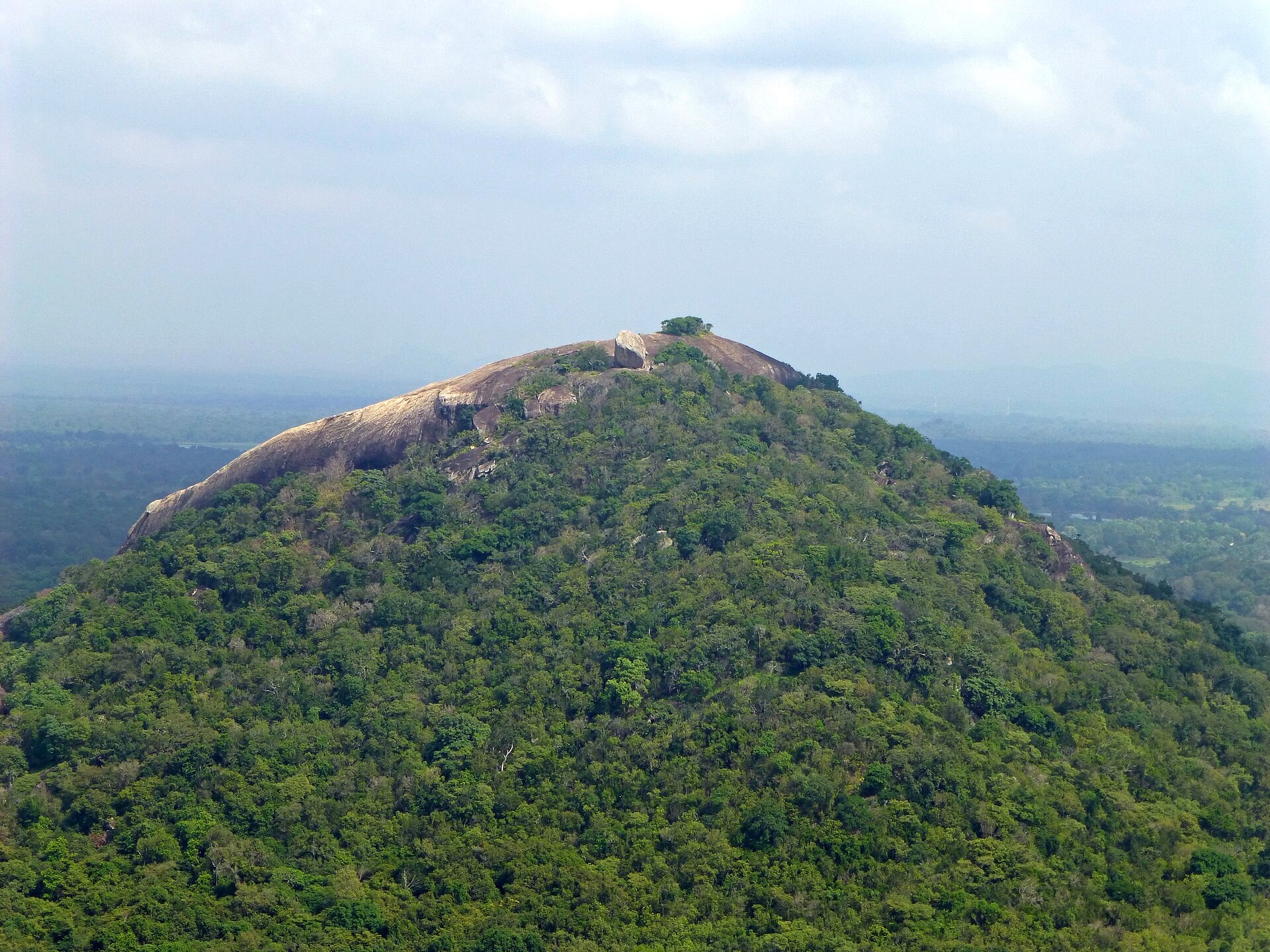
Climb Pidurangala Rock for the best sunrise view of Sigiriya: the trail, how long it takes, the final scramble, what to bring and private tours.
Visit the Nine Arch Bridge near Ella: how to walk there, the best viewpoints, catching a train crossing, the best time of day and private Ella tours.
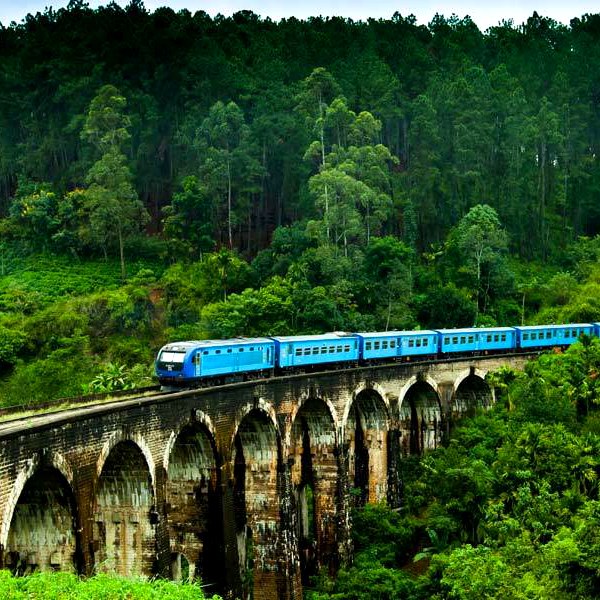
Plan your visit to Ella, Sri Lanka: Little Adam's Peak, Ella Rock, Nine Arch Bridge, the scenic train, where to stay and private Ella tours.
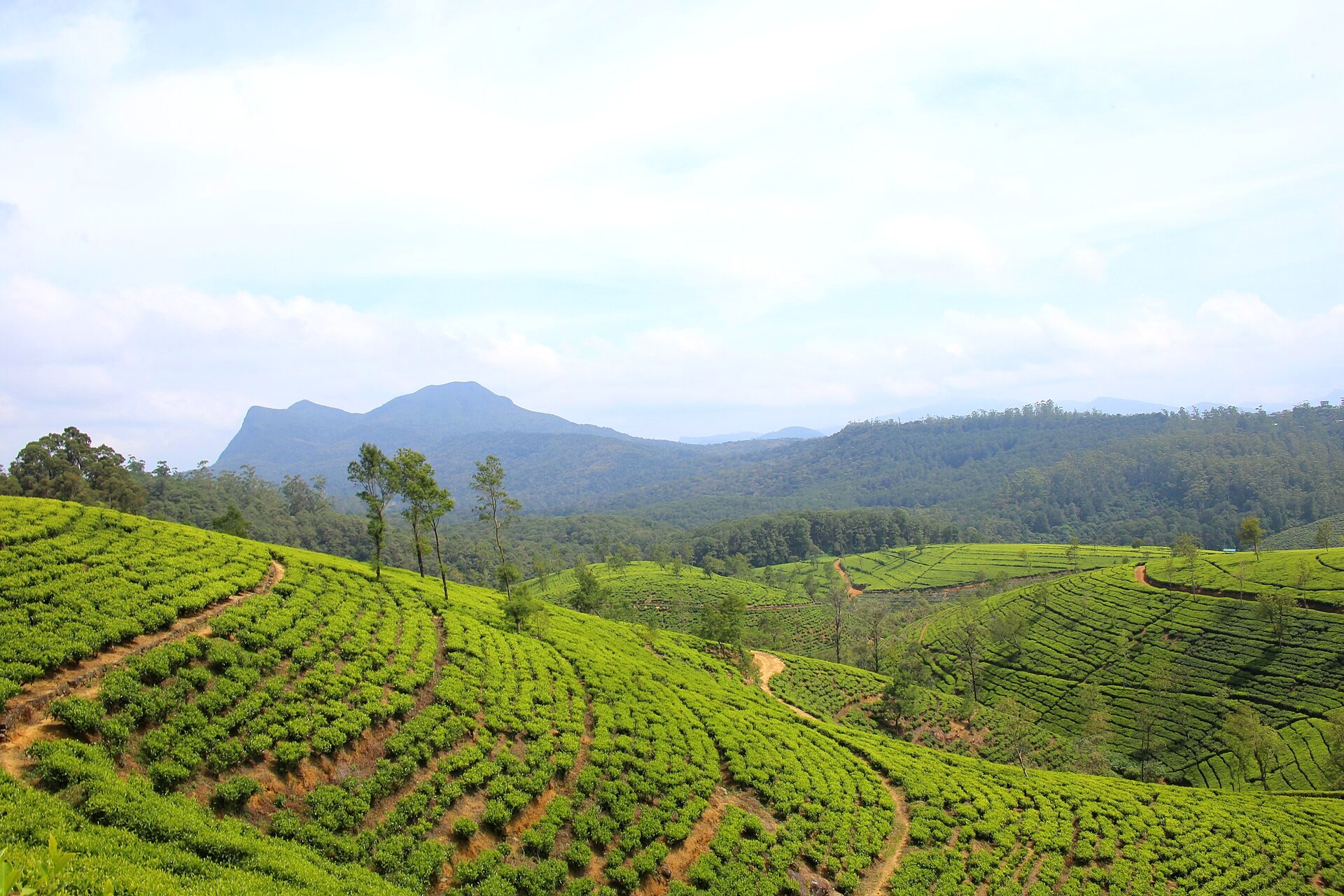
Visit Lipton's Seat near Haputale: the famous tea-estate viewpoint, the best time before the clouds roll in, walking up through Dambatenne and tips.
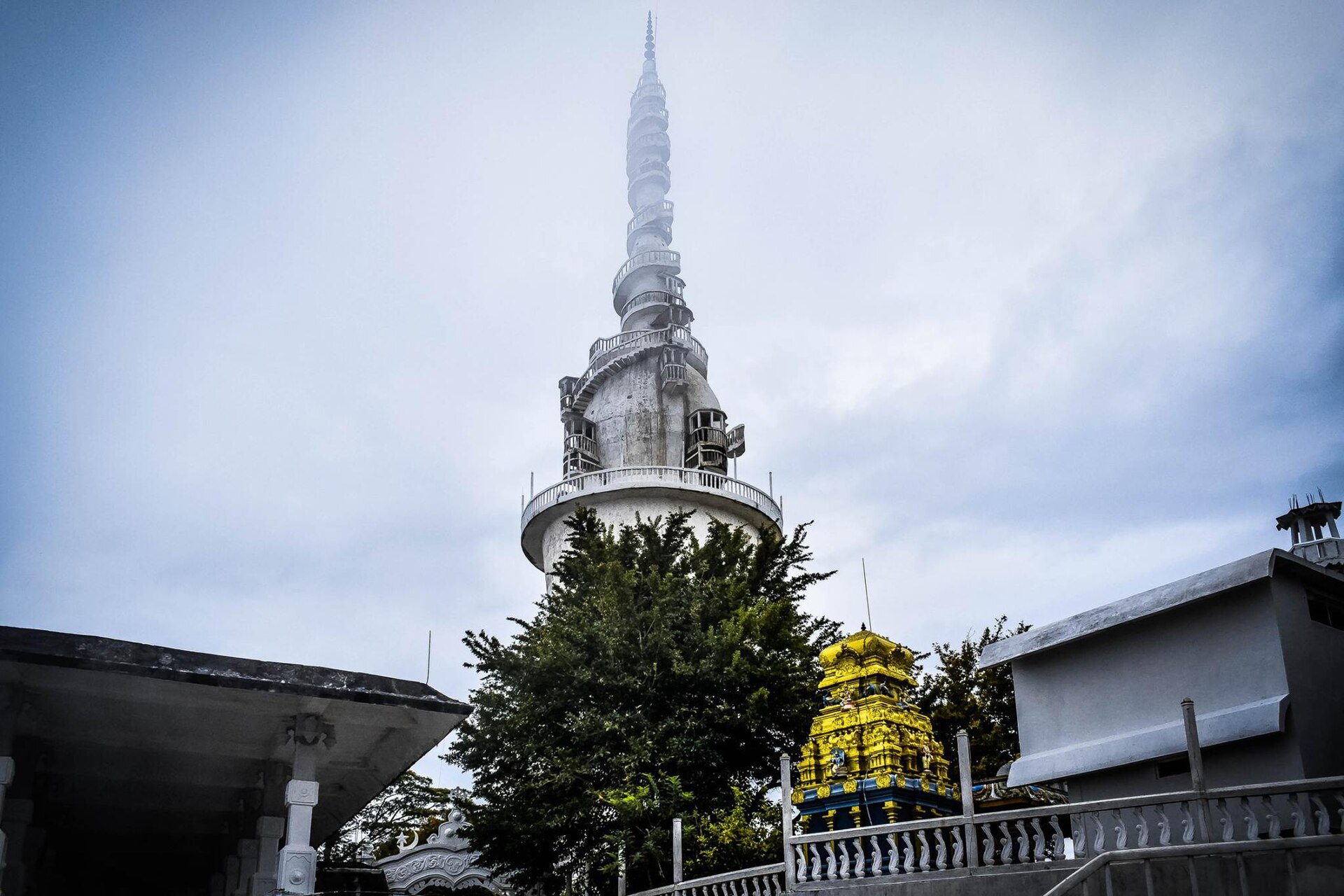
Visit Ambuluwawa Tower near Gampola and Kandy: the spiral tower with 360-degree views, the multi-religious complex, safety tips and the best time to go.
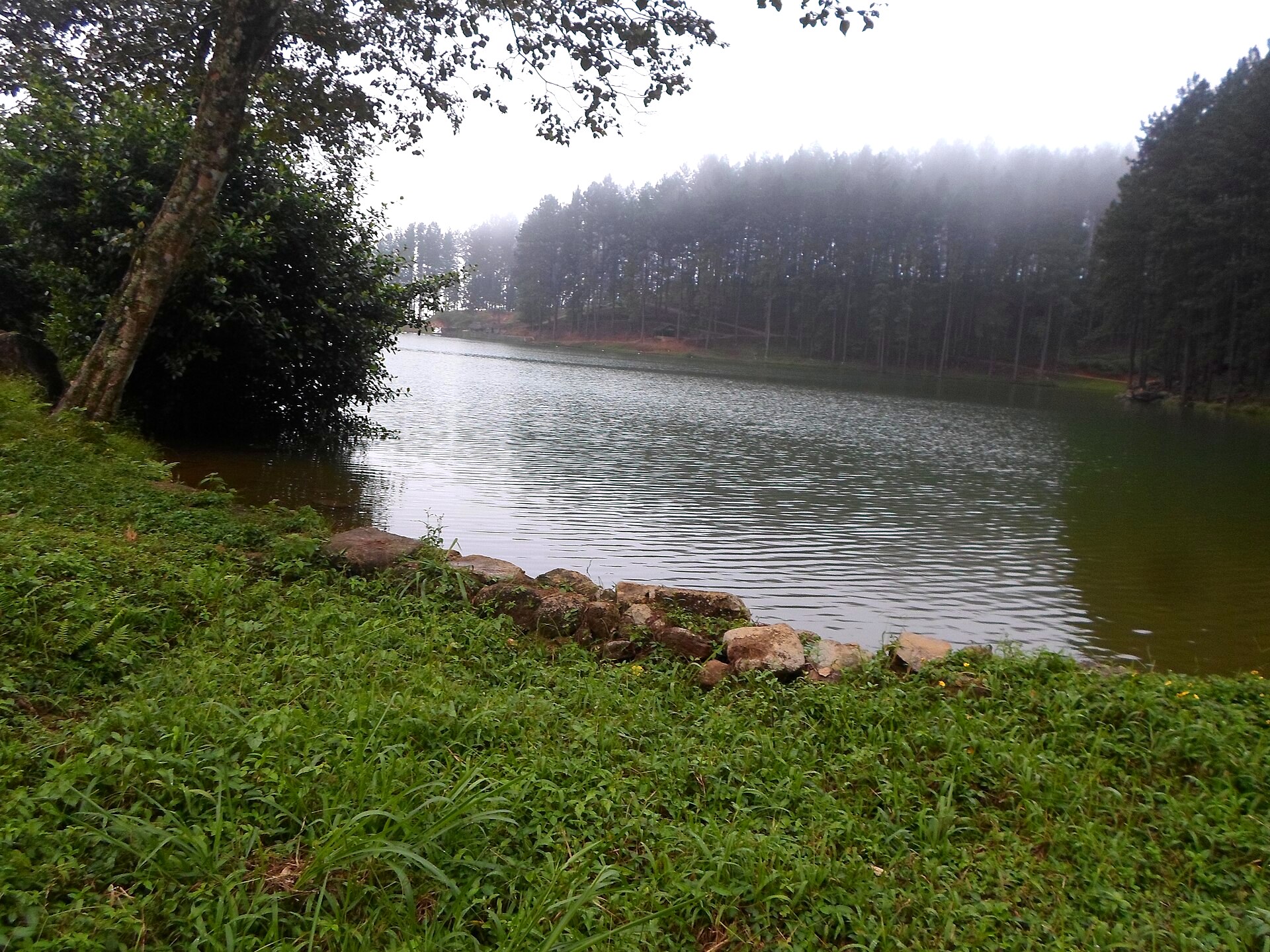
Visit Sembuwatta Lake near Elkaduwa: the turquoise lake and pool, tea-estate views, how to get there from Kandy, the best time to go and day tours.
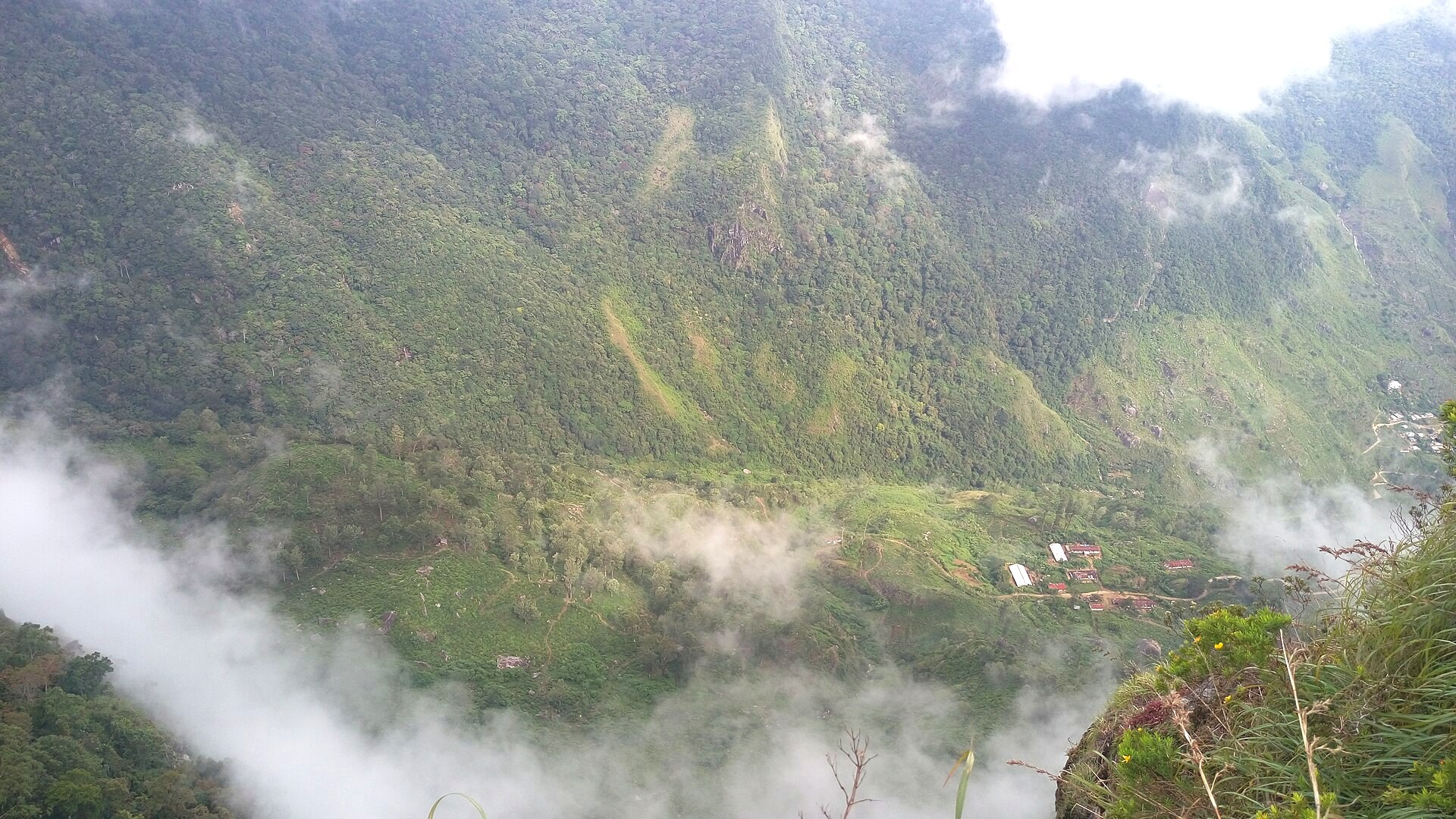
Hike Horton Plains National Park to World's End and Baker's Falls: the loop trail, the best time for clear views, what to bring and private tours.
A sample Sri Lanka train tour combining the scenic hill-country railway with private road transfers: Kandy, tea country and Ella. Tailored to your dates.
Mornings usually offer clearer air, softer light and fewer people, and mist or cloud often builds later in hill areas. An early start improves your chances of an open view and a calmer atmosphere. Plan a rest later in the day to balance the early wake-up.
Wait for a short time, since clouds can shift quickly, and enjoy the atmosphere meanwhile. If it remains covered, switch to a nearby alternative or a tea-estate stroll, and return later if possible. Staying flexible and building spare time into your schedule reduces disappointment when weather changes.
Many travellers find it memorable for the scenery and local atmosphere, though carriages can be crowded and delays occur. Choose your seat class thoughtfully, travel with patience and keep valuables secure. If crowds worry you, consider a shorter section, or enjoy the same landscapes by road with a private driver.
Consider your tolerance for crowds, your fitness and how much effort you want to spend. Famous places offer iconic views but may be busy, while quieter spots give space and discovery but may need more travel. Many travellers do one of each, visiting the famous place early and exploring quieter areas later.
Some are, but others involve steep steps or scrambling. Ask about surface, number of steps and time needed, and choose shorter options if unsure. Go early to avoid heat, rest often and carry water. There are usually gentler alternatives nearby that offer comparable views with less effort.
Late afternoon and sunset often suit west and south coasts, while sunrise suits east-facing shores. Light changes quickly, so arrive early to find a good position. Sea conditions vary by season, so check local advice. Avoid midday glare, and protect equipment from salt spray and sand.
Rules are often strict, particularly near heritage sites, wildlife areas and sensitive installations, and permission may be required. Check current regulations before travelling and never assume it is allowed. Noise can disturb wildlife and visitors, so consider enjoying the view without a drone if in doubt.
Arrive early, visit on weekdays where possible and avoid peak holiday periods. Consider quieter alternatives nearby that offer similar views. Be patient and wait for crowds to thin, or choose accommodation near the viewpoint so you can visit outside busy hours. Flexible plans and a local driver help.
Pack layers, since mornings can be cold and midday warm, along with a rain jacket and a hat. Comfortable shoes with grip suit paths and steps. Bring water, snacks, sunscreen and a camera protected from damp. A small day bag keeps everything handy, and a power bank helps on long days.
One or two main stops are usually enough, leaving time for travel, rest and weather changes. Winding roads, heat and early starts make days longer than they look. Choose a priority view and add smaller stops only if energy allows. Unhurried days leave better memories than packed schedules.
From inspiration to your itinerary
Explore our matching private journeys. Tell us your dates and group size for a personalised route, availability and written quote.