

Quick answer
The Sinhala and Tamil New Year, called Aluth Avurudda in Sinhala and Puthandu in Tamil, is celebrated on 13 and 14 April in most years. It marks the end of the harvest and the sun moving from Pisces into Aries. Families follow auspicious times to light the hearth, boil milk rice, share sweets and play traditional games. For travellers, it is a wonderful time to see Sri Lankan family life, but many shops and restaurants close for several days, and buses and trains are packed as people travel home. Book transport and hotels early.
For most Sri Lankans, this is the most important family holiday of the year. Cities empty as people return to their home villages, and every household follows the same carefully timed rituals. This guide explains what happens, how it affects your trip and how you can be part of the celebrations.
What is the Sinhala and Tamil New Year?
The New Year is shared by Sri Lanka's Sinhalese and Tamil communities. It is based on the solar calendar rather than the moon, which is why it falls on almost the same date every year. Astrologers calculate the exact moment the sun moves into Aries, and that moment marks the start of the New Year.
The festival also celebrates the end of the main harvest season. After months of work in the rice fields, families gather to give thanks, share food and look forward to a good year ahead.
In Sinhala, the New Year is called Aluth Avurudda. In Tamil, it is called Puthandu. Many customs are shared by both communities, though some details differ.
When is it?
The New Year is usually celebrated on 13 and 14 April. The exact time the old year ends and the new year begins changes slightly each year and is set by astrologers. Both days are public holidays, and many businesses close for longer, often for most of the week around them.
The auspicious times (nekath)
One of the most special parts of the New Year is that the rituals follow auspicious times, known as nekath, which are published in advance and announced on radio and television. Across the country, families do the same things at the same moment. The main nekath usually include:
- The end of the old year: an old-year bath with herbal water, and a final visit to the temple.
- The neutral period (nona gathe): a time between the old and new years, when people stop work and spend time on religious activities, visiting the temple and relaxing.
- The dawn of the new year: the moment the new year begins, often marked by firecrackers and the sound of the raban drum.
- Lighting the hearth: a new fire is lit, and milk is boiled in a new clay pot until it overflows, a sign of plenty for the year ahead.
- Eating the first meal: families eat milk rice (kiribath) together, facing an auspicious direction.
- Starting work and the first transaction: a symbolic start to work, and an exchange of money wrapped in betel leaves.
- Anointing with oil: a few days later, elders anoint family members' heads with herbal oil for good health.
New Year food
The New Year table is full of sweets and snacks made at home in the days before the holiday:
- Kiribath: milk rice cooked with coconut milk, cut into diamond shapes and eaten with lunu miris, a spicy onion relish, or jaggery.
- Kavum: small, deep-fried sweet cakes made with rice flour and treacle.
- Kokis: crisp, lacy biscuits shaped with a special iron mould.
- Aasmi: delicate fried sweets drizzled with coloured sugar syrup.
- Mung kavum: diamond-shaped sweets made with mung bean flour.
- Bananas and fresh fruit, alongside plenty of tea.
If a Sri Lankan family invites you in, you will almost certainly be offered a plate. See our guide to Sri Lankan food to try, and our food and cooking page for cooking classes.
Games and festivities
After the rituals, villages and towns hold New Year festivals, called Avurudu Uthsawa, with traditional games and competitions. You might see:
- Kotta pora: a pillow fight on a horizontal pole, where two players try to knock each other off.
- Lissana gaha: climbing a greased pole to reach a prize at the top.
- Kanamutti bindeema: breaking a clay pot while blindfolded.
- Tug of war, sack races and bun-eating competitions.
- Avurudu Kumari: a contest to choose the "New Year princess", judged on traditional dress and knowledge.
- Raban playing: groups of women drumming on the large, flat raban drum.
Visitors are usually welcome to watch, and sometimes to take part. Ask your driver or hotel if there is a local festival nearby.
Tamil New Year customs
Tamil families celebrate Puthandu with a visit to the Hindu temple, a special meal and the exchange of gifts. Some households prepare maruthu neer, a herbal water for the New Year bath, and decorate the entrance to the home with a kolam, a pattern drawn in rice flour. A traditional Tamil New Year meal may include a dish that combines sweet, sour, bitter and spicy flavours, a reminder that life brings all kinds of experiences.
How the New Year affects your trip
The New Year is a lovely time to be in Sri Lanka, but it does affect travel:
- Public transport is extremely busy. In the days before and after the New Year, trains and buses are packed with people travelling home. Seats sell out, and many travellers stand for hours.
- Many shops and restaurants close for several days, especially small family-run places. Hotel restaurants stay open.
- Some services are limited, including banks and offices.
- Roads are quieter on the holiday itself, as people stay at home with their families.
- The hills are busy. April is the high season in Nuwara Eliya, with horse races and flower shows. Hotels fill up quickly and prices rise.
- Beaches and parks are popular with Sri Lankan families in the week after the New Year.
A private driver is the easiest way to travel at this time, because you avoid the crowded trains and buses entirely. Our guide to Sri Lanka in April explains the weather and what else is happening.
Where to experience the New Year
In a village
The best way to experience the New Year is in a village, where traditions are strongest. A village tour or a stay in a rural guesthouse gives you a chance to see the rituals and games. Around Sigiriya, our Sigiriya village tour and Habarana village tour show you rural life at any time of year.
In Kandy and the hill country
Kandy and the hill country have strong traditions, with temple visits and local festivals. In Nuwara Eliya, April is the busiest month, with a lively holiday atmosphere.
In Jaffna and the north
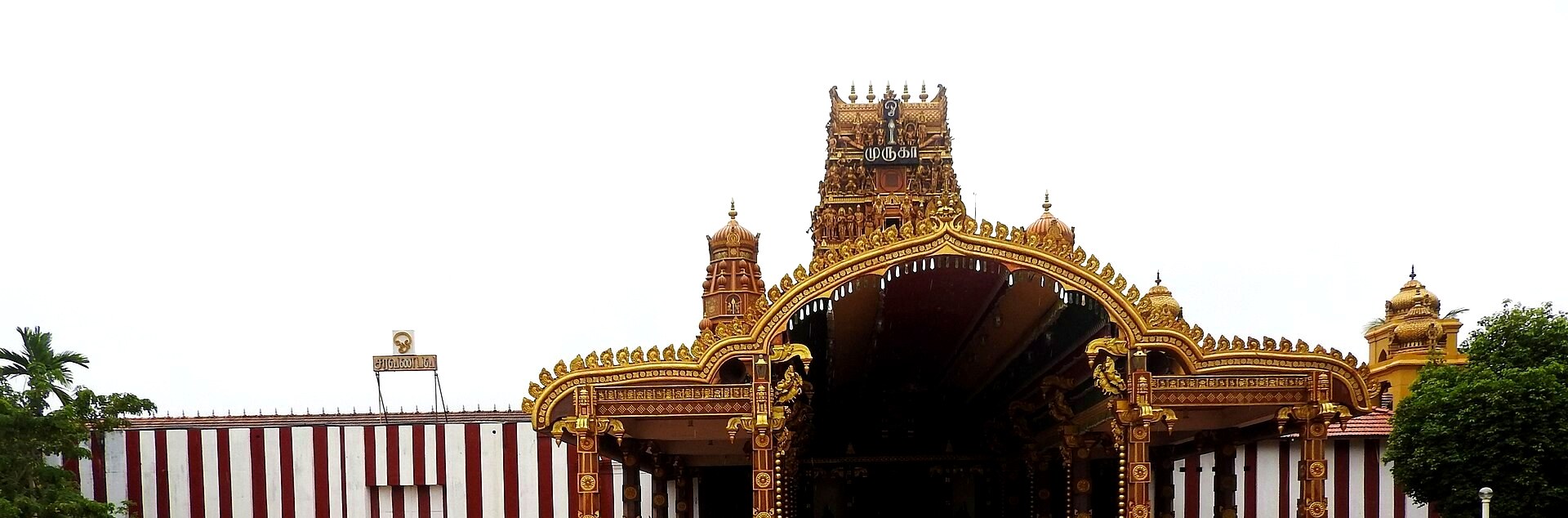
In Jaffna, you can see how the Tamil community celebrates Puthandu, with temple visits and family gatherings. See our list of the best things to do in Jaffna.
Weather in April
April is one of the hottest months in Sri Lanka, and it is a transition month between the monsoons. Afternoon thunderstorms are common in many areas. The west and south coasts are usually still good for beaches early in the month, and the east coast season is beginning. The hill country is pleasant and fresh. See our guide to the best time to visit Sri Lanka.
Etiquette and tips
- Accept sweets politely if they are offered. Sharing food is a central part of the New Year.
- Dress modestly if you visit a temple. See what to wear at Sri Lankan temples.
- Say "Suba Aluth Avuruddak Wewa" (Happy New Year in Sinhala) or "Puthandu Vazhthukkal" (in Tamil). People will be delighted.
- Carry some cash, as ATMs may run low and many small shops will be closed. See money in Sri Lanka.
- Expect firecrackers at the dawn of the new year. They can be loud.
- Book early if you are travelling in April, especially for the hill country and any train journeys.
A sample New Year itinerary
- 11–12 April: arrive and spend a couple of days in the Cultural Triangle, before the holiday rush.
- 13 April: join a village tour around Sigiriya or Habarana, and see families preparing sweets and the house for the New Year.
- 14 April: watch the New Year rituals and enjoy a local festival with traditional games.
- 15–16 April: drive through Kandy to the hill country, where April is in full swing.
- 17 April onwards: continue to Ella and the beaches, where Sri Lankan families are on holiday.
Your driver can tell you about the nekath times and suggest where to see the festivities. Our cultural tour can be adapted around the New Year.
Other festivals in April and May
The New Year is followed closely by Vesak, the most important Buddhist festival, on the full moon in May. If you are travelling in April and May, you may be able to see both. See our guide to Vesak in Sri Lanka and our full Sri Lanka festivals calendar.
Common mistakes to avoid
- Planning to travel by train around 13–14 April. Trains are packed. Travel by car, or move a day or two earlier.
- Expecting small restaurants to be open. Many close for several days. Plan to eat at your hotel or larger restaurants.
- Booking Nuwara Eliya late. April is its busiest month. Book early.
Frequently asked questions
When is the Sinhala and Tamil New Year?
Usually on 13 and 14 April. The exact time the new year begins is set by astrologers each year.
What is the Sinhala New Year called?
Aluth Avurudda in Sinhala and Puthandu in Tamil.
Is everything closed during the New Year?
Many small shops and restaurants close for several days, but hotels, hotel restaurants and major sights usually stay open.
Is April a good time to visit Sri Lanka?
Yes, if you plan ahead. It is a great time to see local culture, but public transport is crowded and hotels in the hills fill up.
What food is eaten at New Year?
Kiribath (milk rice), kavum, kokis, aasmi and other sweets, usually made at home.
Can tourists join in New Year celebrations?
Yes. Visitors are usually welcome to watch local festivals and games, and sometimes to take part.
Photo sources
- Jaffna Nallur temple — Yercaud-elango · CC BY-SA 4.0 · https://commons.wikimedia.org/wiki/File:Kandaswamy_koil-8-nallur-jaffna-Sri_Lanka.jpg
- Sigiriya rock Sri Lanka — Zarniwoop und Zarquon · CC BY-SA 4.0 · https://commons.wikimedia.org/wiki/File:Sigiriya_from_Pidurangala_2023.jpg