Quick answer
Sri Lanka has festivals all year round. The biggest are the Sinhala and Tamil New Year in mid-April, Vesak in May, Poson in June, the Kandy Esala Perahera in July or August, and the Nallur festival in Jaffna in July and August. Every full moon day, called a Poya, is also a public and religious holiday. Most festival dates follow the lunar calendar, so they change each year. Check the exact dates before you plan your trip around a festival.
Sri Lanka is home to Buddhists, Hindus, Muslims and Christians, and each community has its own celebrations. That means there is almost always something happening somewhere on the island: a temple procession, a lantern festival, a pilgrimage or a family feast. Seeing a festival can be the highlight of a trip, but festivals also affect transport, hotels and opening hours. This month-by-month guide explains the main festivals, where to see them and how they might affect your plans.
Why festival dates change
Most Buddhist festivals fall on a Poya, the full moon day of the month. Hindu festivals follow the Hindu lunar calendar, and Muslim festivals follow the Islamic calendar, which moves about 11 days earlier each year. Only a few holidays, such as Independence Day and Christmas, are on fixed dates. The Sinhala and Tamil New Year is almost always on 13 or 14 April. For everything else, check the official holiday list for the year you are travelling.
What is a Poya day?
Every full moon is a Poya, a public holiday and a special day for Buddhists. Many Sri Lankans visit temples, dress in white, and spend the day in quiet reflection. On Poya days:
- The sale of alcohol is normally not allowed, and liquor shops and bars close. Some hotels may not serve alcohol in public areas.
- Many shops and offices are closed, and some sites may be busier with local visitors.
- Temples are full of worshippers, often dressed in white, with flowers and oil lamps.
If you would like a drink with dinner, buy it the day before. Treat the day as a chance to see Sri Lankan Buddhist life at its most peaceful.
January
Duruthu Perahera (Duruthu Poya)
On the January full moon, the Kelaniya Raja Maha Vihara near Colombo holds a perahera, a colourful night-time procession with dancers, drummers and decorated elephants. Duruthu Poya commemorates the Buddha's first visit to Sri Lanka, according to tradition.
Thai Pongal
Usually in mid-January, Tamil Hindus celebrate Thai Pongal, a harvest festival that thanks the sun god for a good harvest. Families boil fresh rice with milk and jaggery until it overflows, a sign of plenty. You will see it most in Jaffna, the east and the tea country.
February
Navam Perahera
Around the February full moon, the Gangaramaya Temple in Colombo holds the Navam Perahera, one of the most popular processions in the city, with elephants, dancers and fire performers around Beira Lake.
Independence Day
On 4 February, Sri Lanka celebrates its independence from British rule in 1948, with an official parade in Colombo. Some roads in central Colombo may close.
Maha Shivaratri
In February or March, Hindus mark Maha Shivaratri, the great night of Lord Shiva, with prayers and all-night vigils at Shiva temples.
March and April
Easter
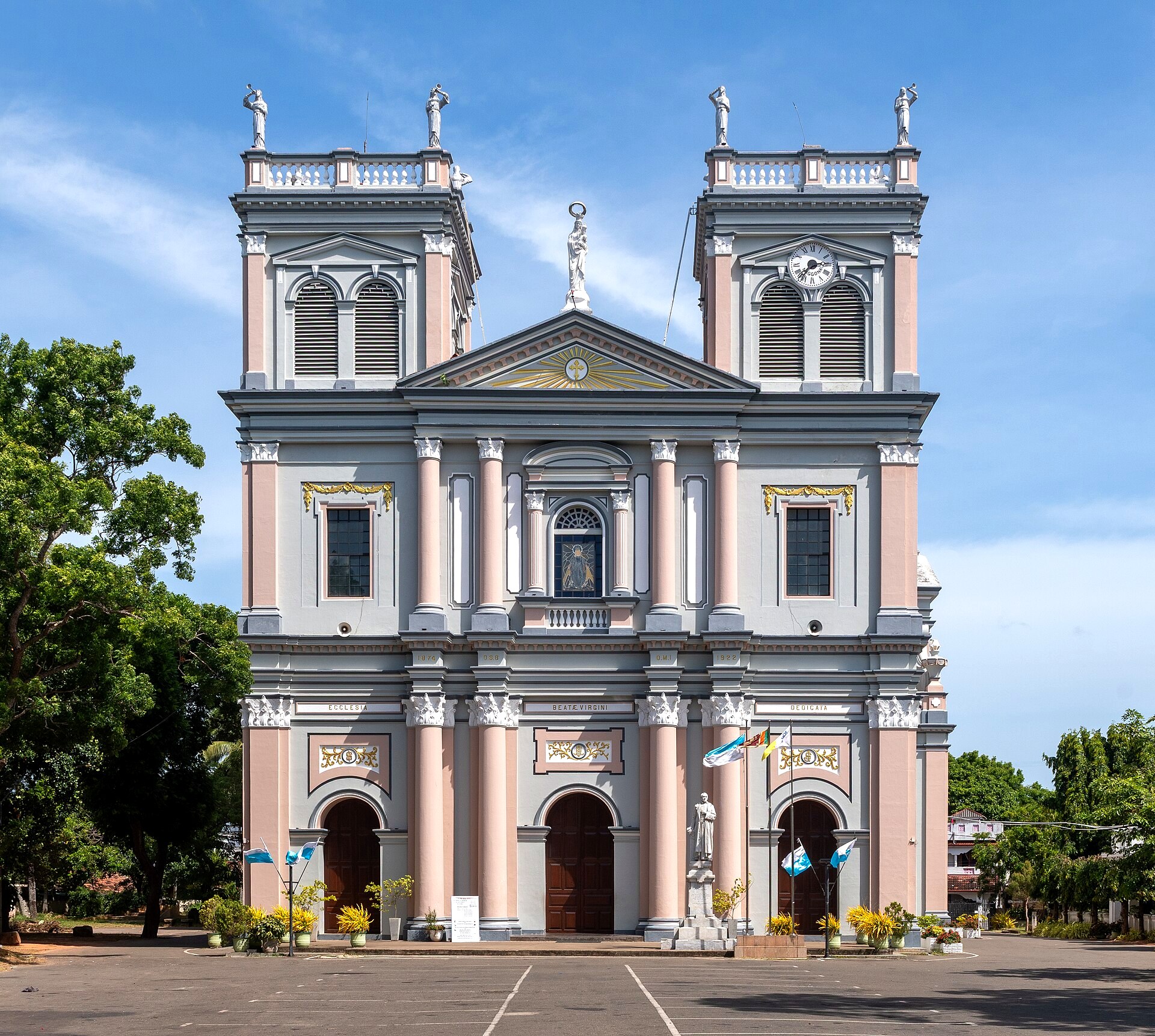
Easter is celebrated by Sri Lanka's Christian community in March or April, with services in churches across the island and especially along the west coast around Negombo. Good Friday is a public holiday.
Sinhala and Tamil New Year
On 13 or 14 April, both Sinhalese and Tamil communities celebrate the New Year, marking the end of the harvest and the sun moving into a new zodiac sign. It is the biggest family holiday of the year. Many shops, restaurants and businesses close for several days, and many people travel home to their villages, so buses and trains are very full. Read our full guide to the Sinhala and Tamil New Year, and our guide to Sri Lanka in April.
The April season in Nuwara Eliya
In April, thousands of Sri Lankans head to the cool hills of Nuwara Eliya for horse races, motor racing and flower shows. Hotels fill up quickly, so book early.
May
Vesak
Vesak, on the full moon in May, is the most important Buddhist festival of the year. It marks the birth, enlightenment and passing of the Buddha. Towns and villages are decorated with glowing lanterns and huge illuminated panels called pandals, and people set up dansal, free food stalls for everyone who passes. In some years with an extra lunar month, Vesak falls in June. Read our full guide to Vesak in Sri Lanka.
End of the Adam's Peak season
The pilgrimage season for climbing Adam's Peak (Sri Pada) usually runs from the December full moon to Vesak in May. After Vesak, the facilities on the mountain close and the weather becomes wetter.
June
Poson
Poson, on the June full moon, celebrates the arrival of Buddhism in Sri Lanka, brought by Mahinda in the 3rd century BCE. The biggest celebrations are at Mihintale and in Anuradhapura, where thousands of pilgrims dressed in white climb the steps to the hilltop shrines. There are also lanterns and dansal, though fewer than at Vesak.
July and August
This is the busiest festival season of the year, with several large processions.
Kandy Esala Perahera
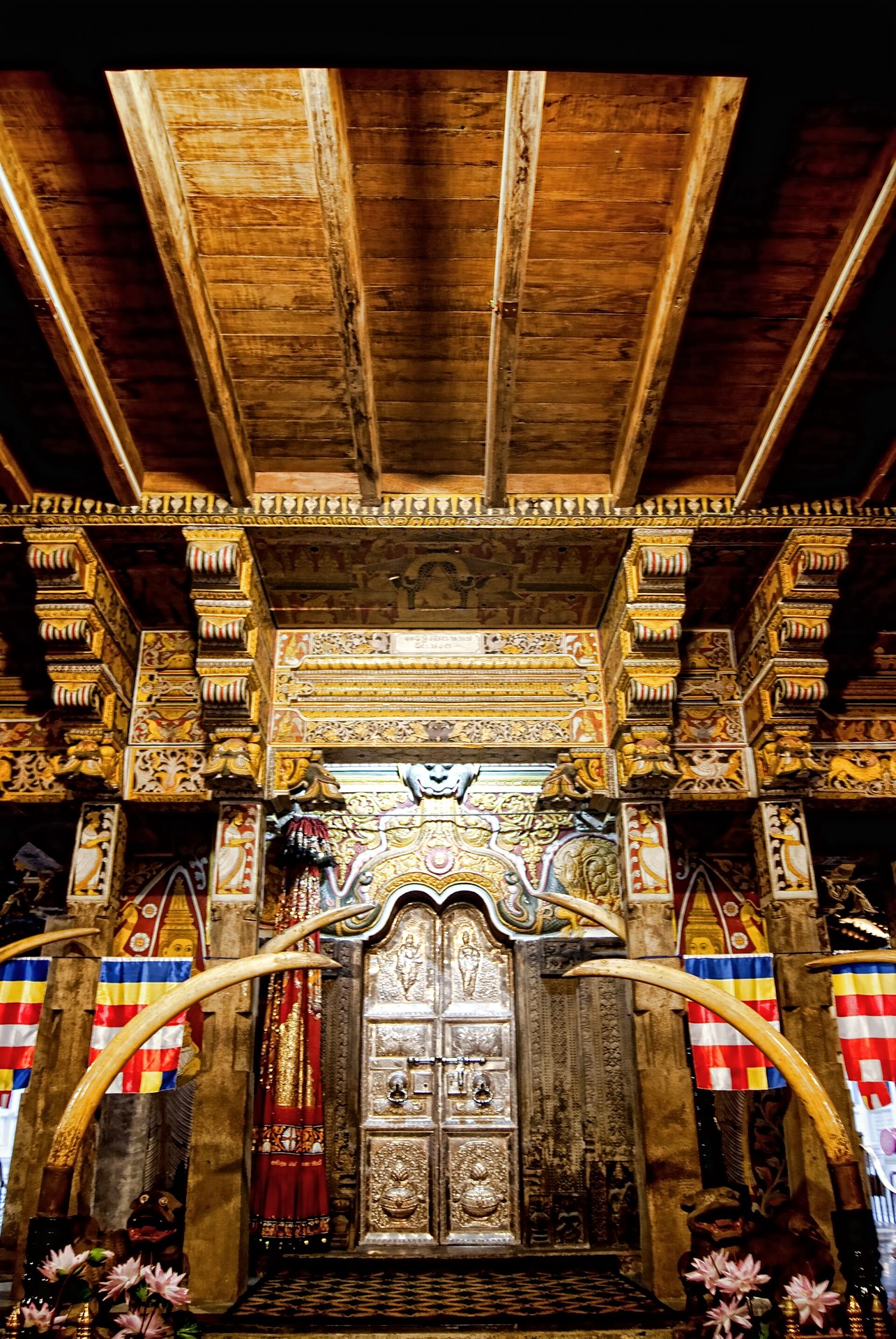
The Esala Perahera in Kandy is Sri Lanka's most famous festival. For about ten nights, usually in July or August and ending on the Esala full moon, processions of decorated elephants, drummers, dancers and torch-bearers parade through the streets in honour of the Sacred Tooth Relic. Hotels in Kandy fill up months in advance. Read our Kandy Esala Perahera guide.
Kataragama festival
Around the same time, the sacred town of Kataragama holds its own festival, with processions and devotees of many faiths. Some pilgrims walk for weeks along the east coast to reach it. See our guide to places to visit in Kataragama.
Nallur festival, Jaffna
In Jaffna, the Nallur Kandaswamy Kovil holds a festival of about 25 days, usually in July and August, with daily ceremonies and a dramatic chariot procession. See our list of the best things to do in Jaffna.
Vel festival, Colombo
During the same season, Colombo's Hindu community celebrates the Vel festival, when a silver chariot carries Lord Murugan's lance through the streets between temples.
Read more about religious processions in Sri Lanka and our guide to Sri Lanka in July and August.
September
September is quieter for big festivals, though every Poya is still celebrated at temples. It is a good time to see everyday temple life without large crowds. See our guides to Sri Lanka in September and Sri Lanka in October and November.
October and November
Deepavali
Deepavali, the Hindu festival of lights, usually falls in October or November. Homes and temples are lit with oil lamps, families share sweets, and Hindu areas such as Jaffna, the tea country and parts of Colombo are especially lively.
December
Unduvap Poya and the start of the Adam's Peak season
The December full moon marks the arrival in Sri Lanka of Sanghamitta, who is said to have brought a cutting of the sacred Bodhi tree. It also usually marks the start of the Adam's Peak pilgrimage season, when the path up the mountain is lit at night.
Christmas
Christmas is a public holiday, and churches, hotels and shopping streets are decorated, especially in Colombo and along the west coast. It is a busy time for travel, so book early. See our guide to Sri Lanka in December and January.
Muslim festivals
Sri Lanka's Muslim community celebrates Eid al-Fitr at the end of Ramadan, Eid al-Adha and the Prophet's birthday, all of which are public holidays. Because they follow the Islamic calendar, their dates move about 11 days earlier each year. If you are planning a halal-friendly Sri Lanka tour, we can help you plan around Ramadan and Eid.
How festivals affect your trip
- Hotels fill up. Book early for Kandy during the Esala Perahera, Nuwara Eliya in April, and beach areas over Christmas and New Year.
- Transport is busy. Trains and buses are very crowded around the New Year in April and on long weekends.
- Some places close. Many shops and restaurants close for a few days around the New Year, and alcohol is not usually sold on Poya days.
- Roads may close for processions in Colombo and Kandy, so allow extra time.
A private driver makes festival travel much easier, because you avoid the crowded buses and trains and your driver knows which roads will close.
Festival etiquette
- Dress modestly at temples, covering your shoulders and knees, and remove your shoes and hat. See what to wear at Sri Lankan temples.
- Never turn your back to a Buddha statue for a photo, and don't pose on statues.
- Ask before photographing people, especially during prayers.
- Accept food at a dansal politely. It is offered freely as an act of generosity.
- Follow local advice about where to stand during processions, and stay clear of the elephants.
Read our responsible travel guide for more advice.
Planning a trip around a festival
If you would like to see a particular festival, tell us when you send your enquiry. We can check this year's dates, help you find a hotel in the right place and build the rest of your route around it. Our cultural tour can easily be adapted to include a festival, and our private tour guides can explain what you are seeing. For a wider view of the island's culture, see our cultural experiences page.
Frequently asked questions
What is the biggest festival in Sri Lanka?
The Kandy Esala Perahera, usually in July or August, is the most famous. Vesak in May and the Sinhala and Tamil New Year in April are the most widely celebrated across the country.
Are festival dates the same every year?
No. Most festivals follow the lunar calendar, so the dates change each year. Only a few holidays, such as Independence Day and Christmas, are fixed.
What happens on a Poya day?
Every full moon is a public and Buddhist holiday. Temples are busy, many shops close and the sale of alcohol is normally not allowed.
When is the best time to see a festival in Sri Lanka?
July and August have the most large processions, including the Kandy Esala Perahera, the Kataragama festival and the Nallur festival in Jaffna.
Do festivals affect travel in Sri Lanka?
Yes. Hotels fill up, public transport is crowded and some shops close, especially around the New Year in April. Book early and allow extra time.
Can tourists join in the festivals?
Yes. Visitors are welcome to watch processions and visit decorated temples. Dress modestly and follow local customs.
Photo sources
- Negombo, St. Mary's Church, 2025-07 CN-02 — Steffen Schmitz · CC BY-SA 4.0 · https://commons.wikimedia.org/wiki/File:Negombo,_St._Mary%27s_Church,_2025-07_CN-02.jpg
- Kandy Temple of the Tooth — Philip Nalangan · CC BY 4.0 · https://commons.wikimedia.org/wiki/File:Sacred_Tooth_Relic_Temple_2.jpg