Kandy
Plan your visit to Kandy, Sri Lanka: the Temple of the Tooth, Kandy Lake, botanical gardens, cultural shows, where to stay and private Kandy tours.

Culture
A perahera is a Sri Lankan religious procession of decorated elephants, drummers, dancers, whip-crackers and fire performers. The biggest is the Kandy Esala Perahera, usually held over ten nights in July or August. Other major processions include the Kataragama festival (usually July or August), the Navam Perahera in Colombo (usually February) and the Duruthu Perahera at Kelaniya (usually January). Dates follow the lunar calendar and change every year, so check before you book.
The word perahera means "procession" in Sinhala. These parades have been part of Sri Lankan religious life for many centuries. Most are Buddhist, often linked to a temple and its relics, but they also include Hindu deities and local traditions, reflecting how the island's faiths have mixed over time.
A perahera is a spectacular sight. It's usually held at night, lit by flaming torches and coconut-husk fires. Long lines of elephants dressed in embroidered, lit-up costumes walk slowly through the streets. Between them come Kandyan dancers in silver headdresses, drummers, flag-bearers, acrobats, whip-crackers who clear the way, and fire dancers spinning burning batons. The highlight is usually a large elephant carrying a casket that holds, or represents, a sacred relic.
Kandy Esala Perahera – the biggest and most famous Held in honour of the Sacred Tooth Relic, the Kandy Esala Perahera is one of Asia's great festivals. It runs for about ten nights, usually in July or August, growing larger each night and ending with the grand Randoli processions. Up to around a hundred elephants and thousands of performers can take part. It ends with a water-cutting ceremony at the Mahaweli River. See our detailed Kandy Esala Perahera guide, plus Kandy and the Temple of the Tooth.
Kataragama festival – a multi-faith festival The Kataragama festival in the south-east is sacred to Buddhists, Hindus, Muslims and the indigenous Vedda. It usually takes place around July or August, with nightly processions, devotional acts and fire-walking. Many pilgrims walk long distances to attend. See places to visit in Kataragama.
Navam Perahera, Colombo Held by Gangaramaya Temple, the Navam Perahera is Colombo's biggest procession, usually on the Navam full moon in February. It follows a route around Beira Lake with elephants, dancers and drummers. See Colombo.
Duruthu Perahera, Kelaniya Held at Kelaniya Raja Maha Vihara, just outside Colombo, usually in January, the Duruthu Perahera celebrates the Buddha's first visit to Sri Lanka according to tradition.
Other festivals with processions
Most Buddhist festivals follow the lunar calendar and are timed around full moon (poya) days. This means the dates move each year. As a rough guide:
Always check this year's dates before you book.
Crowds are huge, and the best spots fill hours before the start. Options include:
Book accommodation in Kandy months ahead for perahera season, as hotels fill up and prices rise. Our Kandy city tour can be combined with perahera seats.
We can help you time your trip around a festival and arrange seats and hotels. Plan this with a local expert. For more cultural experiences, go back to Culture in Sri Lanka.
A perahera is a spectacular event, but it is first of all an act of devotion. The elephants, drummers, dancers and fire performers are part of an offering to a relic, a deity or a temple, and many people in the crowd have come to worship, not to be entertained. Keeping this in mind shapes your behaviour: dress modestly, stay calm, and avoid treating the procession as a backdrop to your own plans.
The experience is also physical. Crowds are dense, noise is loud and the evening can be long. Many people arrive early to hold a place and stay until the end. If you are not used to this, plan carefully. Decide in advance how long you are comfortable standing or sitting, how you will get back to your lodging, and what you will do if you need to leave early. A well-prepared visitor enjoys the event more than one who is exhausted halfway through.
Remember, finally, that processions differ. A grand national festival in Kandy has a different atmosphere from a local temple procession in a smaller town. The larger events offer scale and spectacle but also crowd pressure. Smaller ones may feel more intimate but have fewer facilities and less visitor infrastructure. Neither is better, and your choice depends on what you want from the experience and what your group can handle.
Kandy's Esala Perahera is the largest and most famous, with the greatest scale and the highest demand for rooms and seats. It suits visitors who want the full spectacle and are willing to plan early. Expect crowds, higher prices, and a busy city. Booking ahead is essential, and flexibility on dates and seating helps.
Colombo's Navam Perahera and the Kelaniya Duruthu Perahera are easier to reach from the capital, and they suit travellers with limited time or who are already in the west. They are shorter trips and less affected by hill-country travel conditions. They can still be crowded, so apply the same principles. Kataragama is different in character, as a multi-faith pilgrimage with intense devotional practices, and it asks for particular sensitivity about what you photograph and how you behave.
Other events, including Vesak, Poson and local temple festivals, offer different forms of participation. Vesak is known for lanterns, decorated displays and free food stalls offered as acts of generosity. Poson centres on pilgrimage and the arrival of Buddhism. Hindu temple festivals such as Nallur involve chariots and rituals with their own protocol. If you are interested in understanding rather than only spectacle, consider a smaller event with a knowledgeable guide, where you can ask questions and observe with less pressure.
Festival dates follow the lunar calendar and change each year. Announcements are usually made by the temples and authorities, and plans may change. Do not rely on last year's dates, and do not book non-refundable arrangements before dates are confirmed. If you are fixed on a particular festival, be prepared to buy flexible bookings or to adjust your route.
Accommodation is the main pressure point. Rooms in festival cities fill early and prices rise. If you cannot find a room in Kandy, consider staying outside the centre and travelling in, but account for traffic and road closures, which can be significant on festival nights. Build in extra time for getting in and out, and arrange a pickup point that is realistic. Avoid relying on being able to find transport at the end of the night.
Be cautious about seat sales. Reserved seats are sold by many different parties, and quality and legitimacy vary. Ask what exactly you are paying for, where the seat is, whether it is covered, and what happens if the event is changed or cancelled. Beware of unofficial sellers and of promises that sound too good. Use a trusted planner or an established hotel, and keep confirmation in writing.
Each viewing option has benefits and drawbacks. Reserved seating offers a place to sit and often a clear view, but it can be expensive, may have limited legroom and can mean a long wait. Balcony or hotel views offer comfort and a different angle, but you may be farther from the action and sound. Standing on the street is free and close to the energy, but it requires arrival well ahead of time and tolerance for crowd movement.
Consider who you are travelling with. Families with small children, older travellers and people with mobility issues often do better with a reserved seat or balcony, since standing for hours is hard. Bring a small cushion, water and snacks if allowed. Check whether seats have back support, shade or rain protection. If you plan to leave early, choose a position that makes this possible without disturbing others.
Think also about the view. Elephants and performers pass at different times, and what you see depends on where you are along the route. A position near the start sees the procession in full formation, while one at the end sees a more stretched line. Ask your planner or hotel which location suits your priorities. Avoid blocking the view of other spectators, and stay behind barriers, particularly near animals and fire.
Elephants are central to many perahera, and visitors often find them awe-inspiring. They are also large, powerful animals in a noisy, crowded setting. Keep a safe distance, never reach out to touch them, and follow instructions from handlers and officials. Do not use flash photography near them. If you feel uncomfortable about animal welfare, consider asking about the arrangements and choose events accordingly. It is reasonable to hold your own views and to be thoughtful about what you support.
Fire dancers and whip crackers add to the spectacle and the risk. Sparks can drift, and performers move fast. Stay behind barriers and keep children close. Avoid wearing loose synthetic fabrics that could catch sparks. If you are near the front, be aware of the space performers need and do not step into it for a photograph.
Crowd safety deserves attention. Identify exits before the event begins, agree a meeting point if your group is separated, and carry a charged phone with the contact details of your lodging. Keep valuables secure, as crowds can attract pickpockets. If the crowd becomes crushing or you feel unsafe, move toward the edge calmly. Heat, dehydration and fatigue can become issues, so drink water and take breaks. Planning for safety allows you to enjoy the event with less anxiety.
Photographing a procession is natural, but remember that it is a religious occasion. Avoid pushing to the front or standing on walls and structures. Do not use flash near animals, and be considerate to those behind you. Be careful with raised phones and cameras, which can block views and distract performers.
Ask before photographing individuals, especially devotees, monks and children. In crowded religious settings people may not want to be photographed, and a polite gesture can avoid awkwardness. Do not photograph people making offerings or engaged in private devotion without permission. Avoid commenting on or mocking costumes, rituals or participants, even when you do not understand them.
Dress with respect. Wear modest clothing, cover shoulders and knees, and bring something light to cover up if the evening cools. Avoid clothing with sacred imagery or slogans. Where you are invited to join in, such as sharing food from a free stall during Vesak, accept graciously and follow local custom. Do not take more than you need, and do not treat generosity as a tourist service. Behaviour that is gentle and observant generally earns a warm response from the community.
Processions can be wonderful for families, but only with preparation. Children may become tired, frightened by loud drumming or overwhelmed by crowds. Choose a spot where you can retreat, bring ear protection for young children if it helps, and have an easy plan for leaving early. Keep small children close, and consider carrying them in crowded areas. Do not push a child to stay if they are distressed.
Older visitors or those with mobility issues should think about seating, toilets and transport. Many routes involve uneven pavements, steps and long distances from drop-off points. Ask about step-free access and the distance between your seat and the nearest vehicle drop. A hotel on or near the route can make a significant difference, since it allows you to return to rest during the evening.
Consider sensory needs too. The combination of loud drums, smoke, crowds and flashing lights can be overwhelming for some people, including those with sensory sensitivities. Choose a quieter spot, bring ear protection or sunglasses if helpful, and agree a signal for needing a break. Be realistic about what the group can enjoy. Often a shorter time at the event, or a smaller local procession, can be more rewarding than a long night under pressure.
Begin by confirming the date and your accommodation well in advance. In the days before the festival, visit the relevant temple or city quietly to get a feel for it, and learn about the story behind the procession. A short visit to a museum, shrine or the route during the daytime helps you understand what you will see at night.
On the day, plan a gentle morning and a rest in the afternoon. Eat before heading out, and carry water. Arrive at your viewing position with enough time to settle, but do not arrive so early that the wait becomes a burden. Agree a meeting point and a plan for getting back. Stay flexible about how long you remain, and be willing to leave if someone is tired or unwell.
Afterwards, allow time to recover. Plan a slower next morning, since late nights and crowds are tiring. If you can, reflect on what you saw and learned, and perhaps ask your guide about elements you did not understand. A perahera is more meaningful when you appreciate that it is not a performance for visitors but a religious tradition that you are privileged to observe. Leave with gratitude, and without assuming you have a right to it again.
Plan your visit to Kandy, Sri Lanka: the Temple of the Tooth, Kandy Lake, botanical gardens, cultural shows, where to stay and private Kandy tours.
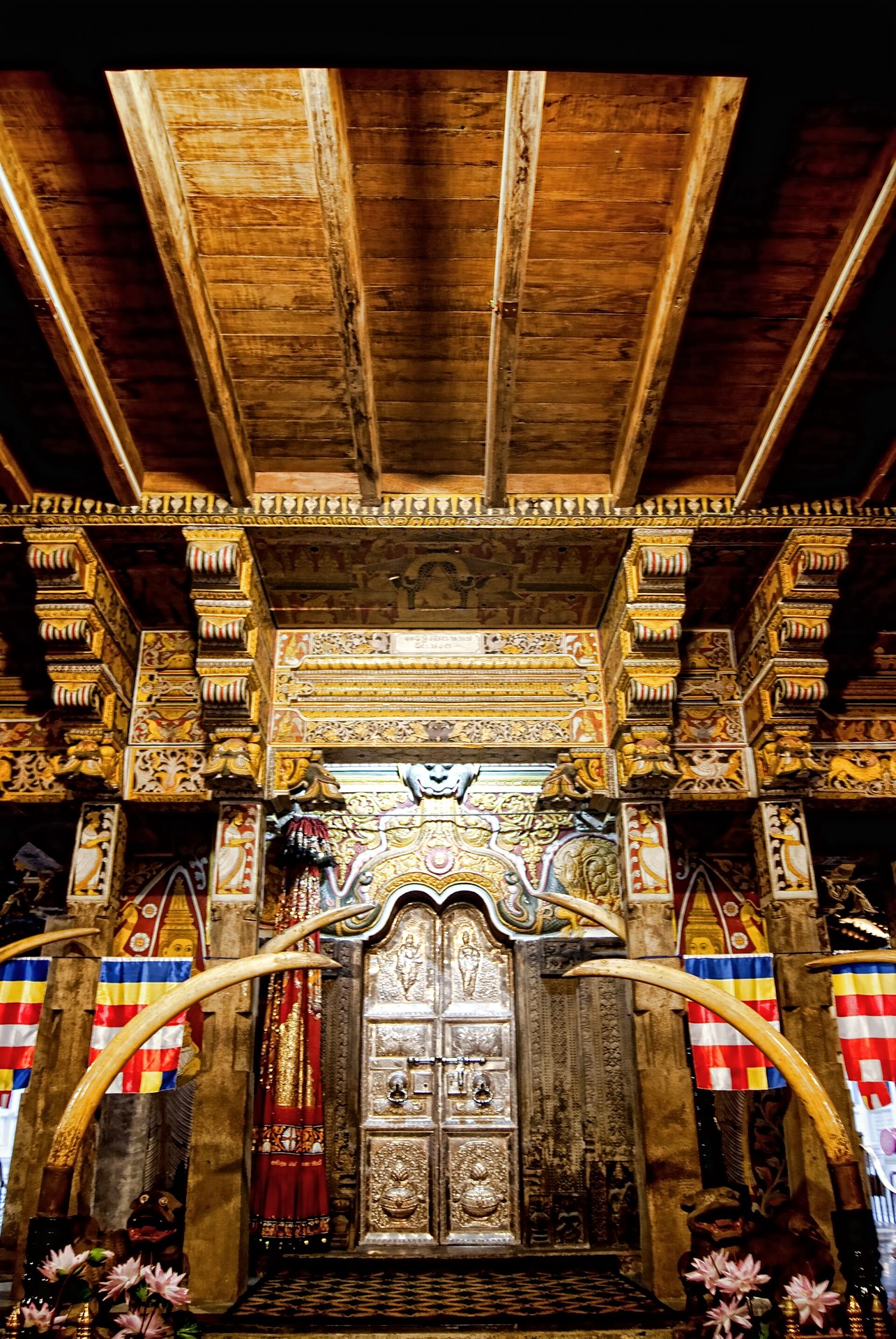
Visit the Temple of the Tooth (Sri Dalada Maligawa) in Kandy: the puja ceremonies, dress code, what to see inside, tips and private Kandy tours.
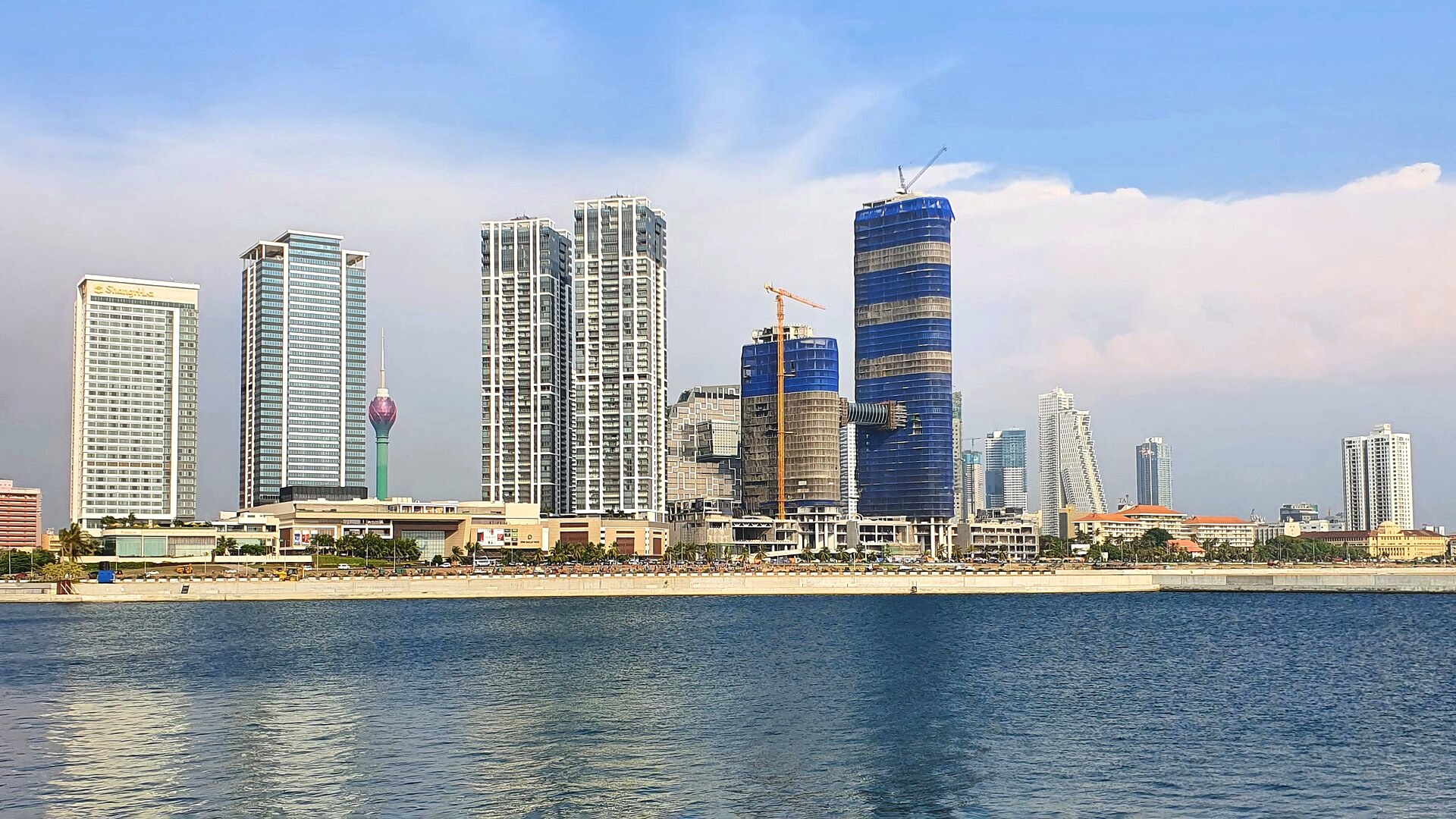
Plan your time in Colombo, Sri Lanka: Galle Face Green, Pettah market, Gangaramaya Temple, food, where to stay and private Colombo city tours.
A private Kandy city tour: the Temple of the Sacred Tooth Relic, Kandy Lake, Peradeniya botanical gardens and an evening cultural show. Hotel pick-up.
Kandy's Esala Perahera offers the greatest spectacle but also the biggest crowds and highest demand for rooms. Colombo's Navam Perahera or Kelaniya's Duruthu Perahera can be easier if you are already in the west. Choose according to your tolerance for crowds, your time and how far ahead you can plan.
As early as you can, once dates are confirmed. Rooms in festival cities fill early and prices rise. Choose flexible or refundable bookings where possible, since dates follow the lunar calendar. If you cannot find a room in the centre, consider staying outside but allow extra time for road closures.
They can be, especially for families, older travellers or anyone who cannot stand for hours. Ask exactly where the seat is, whether it is covered and what happens if the event changes. Buy from a trusted planner or established hotel, and keep written confirmation. Free standing spaces are possible but need very early arrival.
Many families do so successfully. Prepare for crowds, loud drums and late hours, keep children close and stay behind barriers near animals and fire. Choose a spot where you can leave easily. Consider a smaller local procession if your children are young or easily overwhelmed. Never force a child to stay.
Wear modest, comfortable clothing that covers shoulders and knees, and bring a light layer. Choose closed or secure footwear for crowded streets, and avoid loose synthetic fabrics near fire. Avoid clothing with sacred images. Plan for heat in the afternoon and cooler air later, depending on the location.
Photographing the procession is generally accepted, but avoid flash near elephants and do not push through crowds. Ask before photographing individuals, especially devotees, monks and children. Do not photograph people at private moments of prayer. Be considerate of those behind you and keep cameras and phones low.
It is reasonable to have views about this and to ask questions. Keep a safe distance and follow handlers' instructions. If you are uncomfortable, consider choosing smaller events, observing from a distance or learning more before deciding. Your choices about which events to support are your own, and honest enquiry is welcome.
A dansal is a free food or drink stall offered as an act of generosity, especially during Vesak. Visitors are often welcome to accept graciously. Take only what you need, follow the queue and thank the volunteers. Do not treat it as a tourist service, and if you wish to give, ask how to contribute appropriately.
Dates follow the lunar calendar and arrangements can change, so avoid non-refundable bookings until dates are confirmed. Choose flexible accommodation and keep alternative activities in mind. If an event changes, use the time for a related cultural visit nearby. Ask your planner what the cancellation terms are.
Plan before you go. Choose accommodation within walking distance if possible, or agree a pickup point with a driver. Road closures can make transport difficult, so do not assume you can find a vehicle afterwards. Carry your lodging details and a charged phone, and agree a meeting point if your group separates.
From inspiration to your itinerary
Explore our matching private journeys. Tell us your dates and group size for a personalised route, availability and written quote.