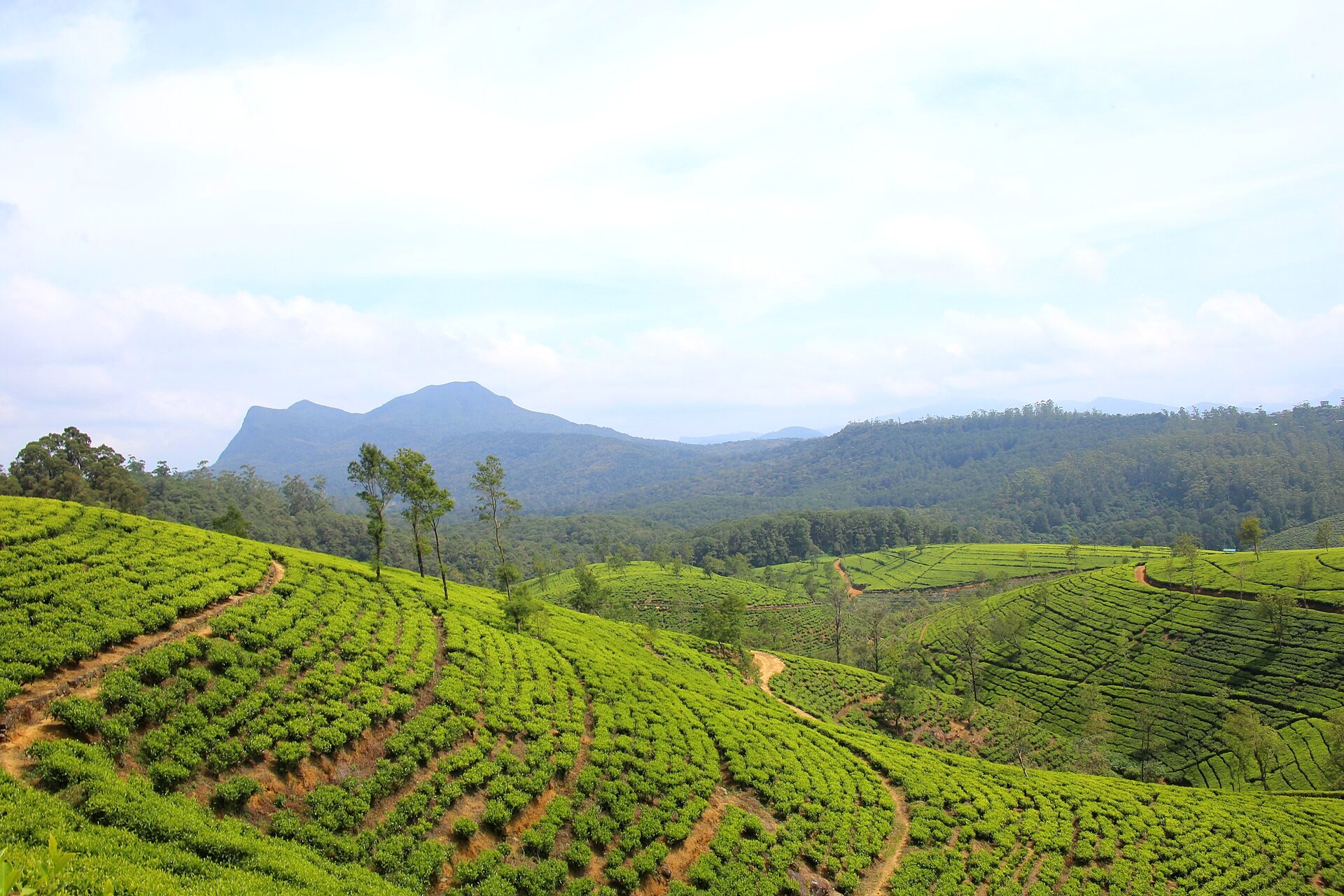
Kandy
Plan your visit to Kandy, Sri Lanka: the Temple of the Tooth, Kandy Lake, botanical gardens, cultural shows, where to stay and private Kandy tours.

Culture
The best place to visit a spice garden in Sri Lanka is Matale, on the road between Kandy and Dambulla, where many gardens offer free guided walks among cinnamon, pepper, cardamom, cloves, nutmeg and vanilla. On the south coast, you can see true Ceylon cinnamon being peeled on Koggala lake and around Bentota. Enjoy the tour, but compare prices before buying, as some garden shops charge far more than local markets.
For thousands of years, Sri Lanka's spices drew traders from across the world. Arab merchants, and later the Portuguese, Dutch and British, came for its cinnamon, pepper and cardamom. Cinnamon was so valuable that the Dutch controlled its trade tightly during their rule.
Spices are still at the heart of Sri Lankan life. They flavour every curry, sambol and tea, and they're used in ayurveda, the island's traditional system of medicine. Visiting a spice garden is an easy, interesting way to see where these spices come from.
True cinnamon, Cinnamomum verum, is native to Sri Lanka and is often called Ceylon cinnamon. It's different from the cassia sold as cinnamon in many countries. Ceylon cinnamon has a lighter colour, a sweeter, more delicate flavour and thin, papery layers rolled into soft quills. Sri Lanka still produces most of the world's true cinnamon.
Cinnamon comes from the inner bark of the cinnamon tree. Skilled peelers scrape and peel the bark by hand, then roll and dry it into quills, a technique passed down through families.
On a spice garden walk you'll usually see:
Matale – the spice garden road The A9 road between Kandy and Dambulla passes through Matale, where many spice gardens line the roadside. Most offer a short guided walk, explanations of how each spice is grown and used, and sometimes a short massage demonstration with herbal oils. It's an easy stop on the way between Kandy and the Cultural Triangle. See places to visit in Matale, Kandy and Dambulla.
Koggala lake – cinnamon island On a boat trip on Koggala lake near Galle, you can stop at a small island where a family peels and rolls cinnamon by hand. See Koggala.
Bentota and the west coast Cinnamon plantations around Bentota and on the Madu Ganga river show cinnamon peeling, and some spice gardens offer walks and cooking demonstrations. See Bentota.
Hill-country estates Some tea estates and homestays in the hills also grow cardamom, pepper and cloves and offer garden walks. See tea experiences.
A typical visit lasts 30 to 60 minutes. A guide walks you through the garden, explains each plant and how it's used in cooking and ayurveda, and lets you smell and taste. Many tours end with a herbal tea and a visit to the garden's shop. Some offer a short cooking demonstration or a curry lunch.
The walk itself is usually free and worthwhile, but be careful in the shops:
For good-value spices, buy from local markets such as Kandy's central market or from supermarkets in Colombo. Look for whole cinnamon quills, black pepper and cardamom pods. Ask your driver or guide for an honest recommendation.
The best way to understand Sri Lankan spices is to cook with them. A cooking class shows you how spices are roasted, ground and combined into curry powders. See food and cooking experiences and our list of Sri Lankan food to try.
Many spices and herbs are central to ayurvedic treatments. If you'd like to learn more, see our guide to ayurveda in Sri Lanka.
A spice garden fits easily into the drive from Kandy to Sigiriya or Dambulla. See Sigiriya. For a deeper food experience, see our Sri Lanka food tour. Plan this with a local expert. For more cultural experiences, go back to Culture in Sri Lanka.
A spice garden visit is usually a short guided walk through a planted area, with explanations of how plants grow and how they are used in the kitchen. It is part education and part retail, since most gardens also have a shop. Understanding this from the start helps you enjoy the walk without feeling pressured by the shop. You can learn a lot about plants, flavours and traditions in a short time.
It is also worth being clear about what a spice garden does not offer. It is not a medical clinic, and any discussion of traditional uses should be treated as cultural and culinary information, not as health advice. If a guide makes claims about curing or treating conditions, treat them with caution and do not rely on them for medical decisions. If you have a health condition, consult a qualified professional, not a garden shop.
The best gardens are those where the guide is knowledgeable, the plants are labelled or clearly explained, and you are free to look, smell and ask questions. The value lies in connecting plants you know only as jars of powder with the living things they come from. A nutmeg fruit split open, a vanilla vine or a pepper cluster tells you more than any shelf of packets ever could.
Matale is the best-known area, with numerous gardens along the main road. Its main advantage is convenience: it sits on the route between Kandy and the Cultural Triangle, so a visit fits easily between sightseeing. The disadvantage is that many gardens are similar, and some are quite commercial. Choosing a smaller or more informative one can make a difference.
On the south coast, the main attractions are cinnamon peeling demonstrations and river or lake settings. A boat trip on a lake or river with a stop at a cinnamon-producing family offers a different feel from a roadside garden. The experience is more about one crop and its processing than about a variety of spices. It suits travellers who are especially interested in cinnamon and who enjoy a boat outing.
Hill-country estates and homestays sometimes include spices as part of a wider farm or tea experience. These can be more relaxed and less retail-focused, though availability varies and should be confirmed in advance. If you want an alternative to the roadside garden, ask your planner whether a homestay or estate with a small garden can be arranged. Choose according to your route, your interests and how much you want to learn versus simply have a pleasant stop.
Cinnamon is the best-known Sri Lankan spice, and it is worth understanding the difference between Ceylon cinnamon and cassia, as the base page explains. If you are buying, look at the form, since quills of thin layered bark differ from thick single-layered sticks, and ask the seller to explain what they are offering. Be wary of vague labels and ask where the product comes from.
Pepper, cardamom, cloves, nutmeg and vanilla each have their own growth patterns and harvesting methods. Seeing them on the plant helps you understand why some are expensive. Vanilla, for example, requires careful hand pollination and curing, while cloves are picked as flower buds. Ask the guide to explain how each is harvested and processed, and how long it takes from plant to product.
Be careful about how spices are discussed in terms of wellbeing. Traditional uses are part of culture, and it is fine to hear about them, but they should not be presented as proven treatments. If a guide says that a spice or oil cures, treats or prevents a condition, you can politely say that you are interested in the culture and cooking rather than medical effects. Do not use garden products as a substitute for professional care, and consult a doctor if you have allergies or take medication.
Many spice gardens include a short demonstration of herbal oils or a head or shoulder massage. It can be pleasant, but think carefully before agreeing. Ask whether it is free, optional or part of a sales pitch. Ask what is in the oil, especially if you have allergies, sensitive skin or are pregnant. Do not accept anything that involves discomfort or that you do not fully understand.
Herbal oils, balms and creams are widely sold, often with persuasive explanations. Remember that these are consumer products, and claims about effects may not be backed by evidence. Read ingredient labels and ask for them in English if possible. Avoid products that make strong claims about curing or treating conditions. If you would like to try something, buy a small amount first.
Think about what you can take home. Liquid products may be restricted in hand luggage, and some countries have rules on importing plant products or herbal medicines. Check the rules of your destination, and pack carefully. If you are unsure about a product, it is better to leave it behind. Enjoying the demonstration as a cultural introduction and a moment of relaxation does not require buying anything.
The walk is typically free or inexpensive, and the shop is where the business happens. Prices in garden shops are often higher than in markets, and packaging and presentation add to the cost. If you like a product, ask for the price per unit and compare it with what you have seen elsewhere. A little research before your trip, such as visiting a local market, gives you a baseline.
Ask what you are buying. Whole spices usually keep their flavour longer than ground ones, so whole cinnamon quills, peppercorns and cardamom pods are often a better choice than pre-ground blends. Check dates and packaging, and ask whether the product is sealed and clearly labelled. Be cautious about large gift sets, since you may pay more for the box than the contents.
Do not feel pressure to buy because you received a free tea or a short massage. A polite refusal is perfectly acceptable. If you do want to buy, pay a fair price and keep a receipt. If you are travelling with a driver or guide, ask for honest advice, and be aware that they may receive a commission from the shop. Making a modest purchase from a place you liked is fine, as long as it is your own decision.
Spice gardens are a popular stop for families, since children can touch, smell and taste, and the plants are interesting. Encourage children to ask questions and to look for things such as pepper berries, cocoa pods and cinnamon leaves. Keep them close, since there can be insects, uneven paths and plants that should not be eaten. Teach them not to taste anything without permission.
Allergies need attention. Spices and oils can trigger reactions, particularly nuts, seeds and certain herbs. If anyone in your group has allergies, tell the guide before starting, and avoid tasting samples that may be risky. Be cautious with oils applied to the skin. Ask about ingredients, and if in doubt, decline. Carry any prescribed emergency medication as usual.
Accessibility varies. Many gardens are on slopes with uneven paths, and there may be steps, mud or insects. The heat and humidity can also be tiring. Ask in advance whether a shorter or flatter route is possible, and whether there are places to sit. Bring insect repellent and water, and wear closed shoes. A good guide will adapt the walk and stop for explanation in shaded areas, rather than keeping you moving.
Before the visit, ask whether the walk is free, how long it lasts, and what is included. Ask whether there is a massage or demonstration, and whether it is optional. Ask whether there is pressure to buy, and how the shop is run. These questions help you decide whether to go and manage your expectations.
During the walk, ask the guide how each plant is grown and harvested, what part is used and how it is prepared. Ask about the differences between wild and cultivated plants, and which spices are most important in everyday cooking. Ask how the garden is run, who owns it and whether it is a family business. These questions show interest and often lead to useful detail.
At the shop, ask for explanations of products and ingredients, and ask for prices per unit. If a claim sounds too good to be true, ask for evidence. Ask whether the spices are from the garden itself or sourced elsewhere, since many shops sell products from other places. Ask about shelf life and storage. A good seller will answer calmly and honestly. If not, you are free to walk away without buying.
A garden visit is most useful when it is linked to cooking. Begin with a garden walk to see and smell the plants, then continue to a market or cooking session where you see how spices are used. This gives you context and makes it easier to judge what to buy. If you can, visit a local market before the garden shop, so you know typical prices.
On the day, start with the walk and keep your questions focused on growing, harvesting and use in food. Taste a small amount of what is offered, avoiding anything you are unsure about. If there is a demonstration, decide in advance whether you want to take part. After the walk, look at the shop, compare items and decide calmly. It is perfectly fine to buy nothing.
Afterwards, think about what you learned and how you might use it. A small bag of whole spices that you will really cook with is more useful than a large gift set. Store spices in airtight containers away from heat and light. If you enjoyed the visit, tell others honestly, and if you felt pressured, share that with your planner. Good spice tourism rewards gardens that educate and respect visitors, and it is a pleasure in its own right when approached with curiosity and a calm attitude.
Plan your visit to Kandy, Sri Lanka: the Temple of the Tooth, Kandy Lake, botanical gardens, cultural shows, where to stay and private Kandy tours.
Visit the Dambulla Cave Temple in Sri Lanka: five painted caves, Buddha statues, what to wear, the best time to go and how to combine it with Sigiriya.
Discover traditional Sri Lankan food: 40 dishes from hoppers and kottu to lamprais and watalappan, where to try them, cooking classes and a private food tour.
A private Sri Lanka food tour: cooking classes, spice gardens, tea tasting, village cooking, street food and seafood markets, with your own driver.
Many walks are free or inexpensive, but the shop is how most gardens earn money. You are never obliged to buy, even if you receive a tea or a short demonstration. Ask beforehand what is included, and refuse politely if you do not wish to purchase.
Treat them as cultural and culinary information, not medical advice. Traditional uses are part of Sri Lankan culture, but claims about curing or treating conditions are not proven by a garden visit. Do not use garden products instead of professional care, and speak to a doctor if you have a health condition.
Ask whether it is free or optional, what the oil contains, and whether it suits allergies, sensitive skin or pregnancy. You can decline without explanation. Do not agree to anything uncomfortable or unclear, and treat the demonstration as a cultural introduction, not an obligation to buy products.
Visit a local market or supermarket first to see typical prices, then compare per-unit prices in garden shops. Whole spices such as cinnamon quills, peppercorns and cardamom pods often offer better value and freshness than gift sets or ground blends. Ask for prices clearly and take your time before buying.
Ceylon cinnamon is made of thin, layered bark rolled into soft quills with a delicate, sweet flavour, while cassia is usually thicker and darker. Ask the seller to show and explain what they offer, and where it came from. Vague labels are a reason to ask more questions or choose another shop.
Matale suits a stop between Kandy and the Cultural Triangle, with many gardens close together. The south coast suits travellers who want to see cinnamon peeled, often with a lake or river outing. Choose by route and interest. Smaller, more informative gardens are usually better than the busiest roadside stops.
Yes, children often enjoy smelling and touching plants. Keep them close, teach them not to taste anything without permission, and bring insect repellent and water. Paths can be uneven and humid. Let children ask questions and look for things such as pepper berries or cocoa pods.
Tell the guide before the walk begins and avoid tasting samples that may be risky. Spices, seeds and nuts can trigger reactions, and oils applied to skin can too. Ask about ingredients, decline anything uncertain and carry any prescribed emergency medication as usual.
Rules differ by country, and some restrict plant products, liquids or herbal medicines. Check your destination's regulations and airline limits before buying. Choose sealed, clearly labelled products and keep receipts. If you are unsure whether something is allowed, it is safer to leave it behind.
Ask how each spice is grown, harvested and prepared, and which are used daily in cooking. Pair the garden with a market visit or cooking class so you see spices in use. Buy small amounts of whole spices you will really cook with, and feel free to buy nothing.
From inspiration to your itinerary
Explore our matching private journeys. Tell us your dates and group size for a personalised route, availability and written quote.