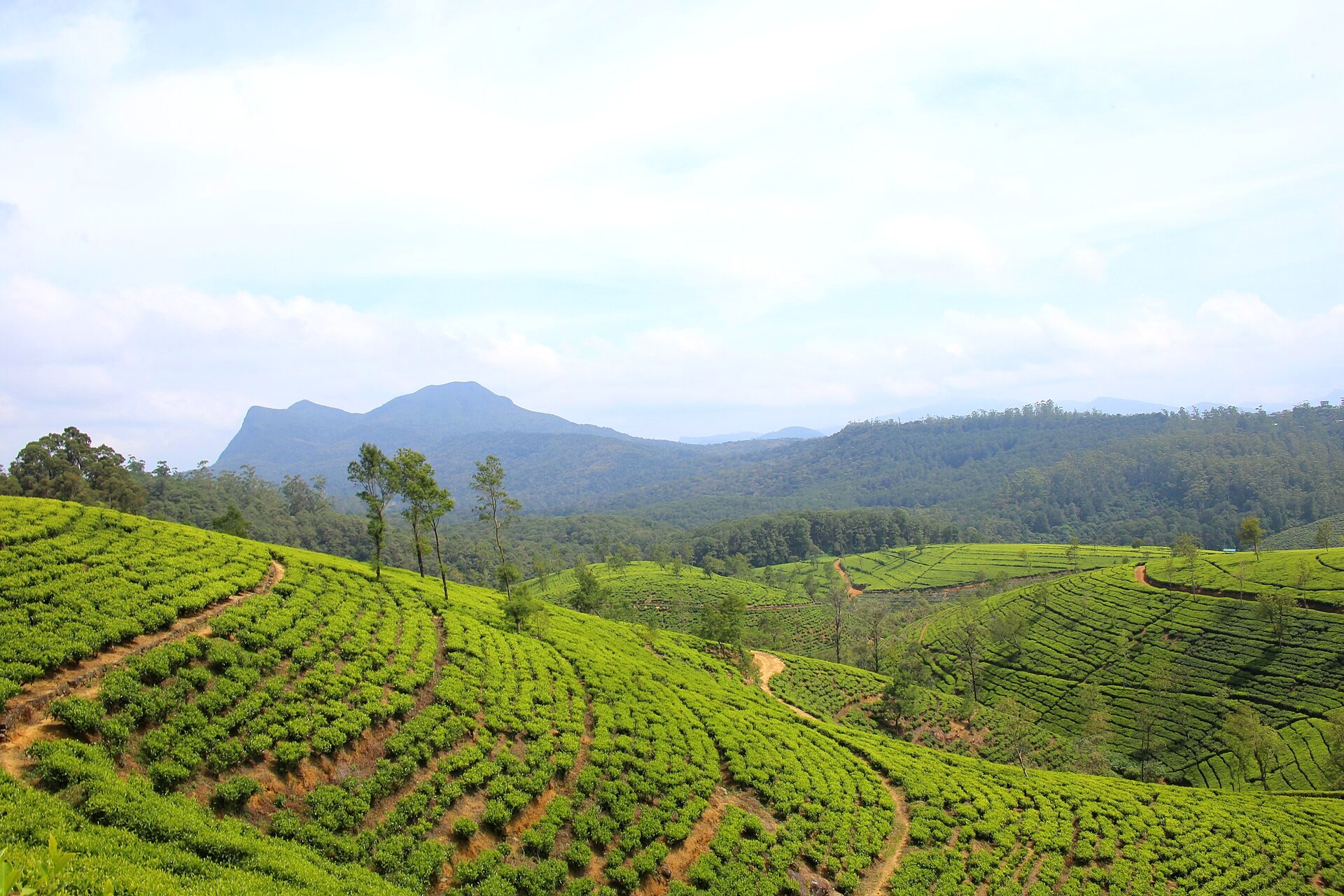
Hikkaduwa
Plan your trip to Hikkaduwa, Sri Lanka: coral reef snorkelling, sea turtles, surf, nightlife, the best season, where to stay and south coast tours.

Culture
Sri Lanka's best-known traditional craft villages are Ambalangoda on the south-west coast for carved masks, the villages around Kandy for brass, silver, wood carving and Dumbara mats, Molagoda on the Colombo–Kandy road for pottery, and the Galle and Weligama area for beeralu lace. Visiting these workshops lets you see crafts made by hand and buy directly from the artisans.
For centuries, many Sri Lankan crafts were made by particular families and villages, often for royal courts and temples. Skills were handed down from parent to child, and some villages still specialise in a single craft. Visiting them is a chance to see real working life, meet artisans and understand the skill behind the objects you see in shops.
Buying directly from these workshops also helps keep traditional crafts alive, as many young people now leave villages for city jobs.
Ambalangoda – masks and puppets Ambalangoda, on the coast road between Hikkaduwa and Bentota, is the heart of Sri Lanka's mask-making tradition. Masks carved from light kaduru wood represent demons, gods, animals and village characters used in healing rituals (thovil) and folk drama (kolam). Family workshops and a small mask museum show how masks are carved and painted. See Hikkaduwa and Bentota.
Around Kandy – the Kandyan crafts The hills around Kandy were home to the craft guilds of the Kandyan kingdom. Today you can find:
Some craft centres near Kandy gather several crafts in one place, making it easy to see a range in a short visit. See Kandy and places to visit in Matale.
Molagoda – pottery On the main road between Colombo and Kandy, near Kegalle, Molagoda is lined with pottery stalls. Potters make cooking pots, water jugs, lamps and decorative pieces from local clay. You can often watch them working at the wheel. See Colombo to Kandy for the route.
Galle and Weligama – beeralu lace Beeralu lace, a bobbin lace introduced in colonial times, is still made by women in villages along the south coast. Watching a lace-maker move dozens of bobbins at speed is remarkable. See Galle Fort and Weligama.
Handloom weaving Handloom textiles, from saris to cushion covers, are woven in several regions. Small weaving centres welcome visitors to watch the looms.
| Region | Main crafts | | --- | --- | | Ambalangoda (south-west coast) | Masks, puppets | | Kandy area | Brass, silver, wood carving, Dumbara mats, lacquer | | Molagoda (Kegalle) | Clay pottery | | Galle and Weligama | Beeralu lace | | Matale area | Lacquer work, batik |
Be wary of tours that stop at large showrooms where guides earn commission. Prices there are often much higher.
See our responsible travel guide for more.
Some workshops may offer hands-on activities, such as painting a mask or trying batik; confirm availability before visiting. See arts and crafts workshops.
Craft villages pair well with a rural village tour, where you can see farming, cooking and daily life.
We can add craft villages to your route, such as Molagoda on the way to Kandy or Ambalangoda on the way to Galle. Our Sri Lanka cultural tour can include craft stops. Plan this with a local expert. For more cultural experiences, go back to Culture in Sri Lanka.
A craft village is not an outdoor museum. It is a place where people live, earn a living and make things, and your visit is a small interruption in that. Some workshops are set up to receive visitors, with space to watch and a small shop. Others are family homes where work happens alongside daily life. Understanding the difference helps you behave appropriately and set realistic expectations.
The word village can also be misleading. In some areas, such as Ambalangoda or parts of the Kandy hills, several workshops cluster along a road. In others, craft work is spread across a district, and what you visit may be a single studio or a cooperative. Do not expect a tidy cluster of artisans waiting to greet visitors, and ask your planner what exactly you will see.
Be honest with yourself about your aims. If you want to learn how something is made, choose a workshop where the process is visible and the maker is willing to explain. If you want to buy gifts, plan time for choosing and a budget. If you simply want an atmosphere, accept that the experience will be shaped by the day, the weather and the people you meet. Flexibility often leads to the best encounters.
At most craft villages, the standard offering is a demonstration. You watch a potter shape clay, a carver work wood or a weaver at a loom, and you may ask questions. Participation, where you try the craft yourself, is possible in some places but should never be assumed. It requires a host who is willing, materials, time and often a set price.
If you want to try a craft, ask in advance and ask specific questions. What will I be able to do? Is it a short taste or a longer session? Is there an extra charge? Can children join in? Do not turn up at a pottery stall and expect to use the wheel, since it may disrupt work and risk damage to equipment. Treat participation as a privilege arranged with the maker.
Be careful with descriptions in brochures and online listings that blur the line. Phrases such as hands-on or meet the artisans may refer to a short, scripted demonstration. If participation matters to you, ask your planner to confirm with the workshop directly, and do not pay for a workshop that has not been confirmed. If participation is not available, it is still worth watching, and you can ask questions and buy directly to support the maker.
Ambalangoda on the south-west coast suits travellers interested in masks and the theatre and healing traditions behind them. It combines easily with a trip along the coast road. The visit can be short, but it offers rich material for those who like to ask about meaning and use. Expect to spend time with carvers and painters and perhaps visit a small museum.
The hills around Kandy offer variety: brass, silver, wood, lacquer and mats, often within a short distance of each other. This makes them a good choice for a half day of varied crafts. The trade-off is that some stops can be more commercial, with bigger showrooms. Ask your guide to choose smaller workshops where you can see work in progress and speak with the makers.
Molagoda and other roadside potteries suit a quick stop on the journey between Colombo and Kandy. You can see pots being made and buy simple, useful items. The south coast lace-making area suits a slower visit and a conversation with makers who often work at home. If you are planning a route, choose one or two regions and give them time, instead of sampling many crafts in a rush. Better to understand one tradition well than to see six in passing.
Buying directly from makers is the best way to ensure money reaches them, but even then prices can vary. Ask what the item is made of, how long it took and whether it is made on site. Compare a few items before choosing, and use common sense about whether a price reflects the work involved. A price that seems unusually low may mean mass production or poor materials, and one that seems very high may include commission.
Be careful with claims. Terms such as handmade, antique, ancient, royal or traditional are used loosely. Ask for specifics. If something is described as old, ask how it was dated, and remember that export rules apply to antiques. If a piece is described as made by a particular family or village, ask about the maker. Do not accept claims that cannot be explained.
Bargaining is common in some settings, but it should be gentle. If the price is reasonable, pay it. If you wish to negotiate, do so with good humour and stop when a fair price is reached. Do not bargain hard for pieces that represent days of skilled work. Ask for a receipt for larger purchases, and check what is included in the price. Avoid being drawn into buying more than you intended by pressure from guides or drivers.
One of the most common problems in craft tourism is the commission system, in which guides or drivers receive a share of what visitors spend at a particular shop. This can lead to inflated prices and stops that serve the middleman rather than the maker. It is not universal, but it is common enough to be aware of.
You can reduce the risk by speaking up early. Tell your driver or guide that you prefer small workshops and that you do not want to be taken to places that rely on commissions. Ask your planner to arrange stops in advance, so that choices are not made on the day. If you are taken to a large showroom, you can still look politely and leave without buying.
Ask directly about how stops are chosen. A good operator will be open about whether commissions are involved, and may include workshops that do not pay them. If the planner is evasive, consider booking your own visits through direct contact with a studio. Remember that a guide's income often depends on tips and commissions, so a fair tip for good service can help reduce the temptation to push sales. Treat your guide as a partner in finding good places.
Craft villages are tempting for photographers, but remember that you are in someone's workplace. Ask before taking photographs of people, and accept a refusal. Be especially careful with children and with people working in private homes. Do not climb into workspaces or touch tools and materials without permission.
Think about how long you stay in one place. A maker who is constantly watched may find it hard to work, particularly if the work is delicate or dangerous. Keep a respectful distance, and avoid blocking light or space. If you want to ask questions, wait for a natural pause. A short, courteous conversation is often appreciated, and many makers enjoy explaining their work.
If you plan to share photographs online, consider whether the maker would be comfortable with it. Name the craft and place accurately, and avoid stereotyping. Do not suggest that a maker is the last of a tradition unless they say so, since this can be inaccurate and unfair. Presenting craftspeople as skilled professionals, not as quaint attractions, reflects the reality of their work and treats them with respect.
Craft village visits can be good for children, who often enjoy watching clay take shape or seeing bright colours emerge. But they can also be dull if children are expected to stand and watch quietly. Choose stops where there is something visual and active, keep visits short, and let children ask questions. If participation is possible, children often enjoy a small task, such as painting a simple piece.
Safety needs thought. Workshops can include hot wax, sharp tools, kilns and heavy materials. Keep children close and teach them not to touch. Check whether the space is suitable for pushchairs or small children, and bring wipes and water. Some workshops are in homes with narrow steps and low doorways.
For people with limited mobility, ask about access before visiting. Workshops may have uneven ground, steps or limited seating. Heat can also be a factor, particularly in pottery and metalwork areas. Choose stops with shade and seating, and avoid scheduling too many visits in a row. A well-chosen small number of stops is better than a long list that leaves everyone tired and rushed.
Before the visit, ask your planner which workshops you will see, whether they are family-run or larger, and whether participation is confirmed or only demonstrated. Ask how long you will spend at each stop, and whether shopping is included. Ask whether there is a fee, and where it goes.
During the visit, ask the maker about their training, the history of their craft and what makes a good piece. Ask how they source materials, and whether any have become scarce or expensive. Ask about the challenges they face, such as competition from cheaper imports or difficulty finding apprentices. These questions show interest and often lead to rich conversations.
Ask also what the maker would like visitors to know. Some will talk about families and generations, others about changes in markets and tastes. Listen without assuming. If you decide to buy, ask how to care for the item and whether it can be repaired. At the end, thank the maker personally. Such small courtesies are a significant part of what makes a visit respectful and worthwhile for both sides.
Start by choosing a region that fits your route, and decide how much time you want to give it. Contact your planner early and ask them to confirm which workshops will be visited and what will be offered. Make it clear that you prefer small, maker-led places and that you want time to look without pressure.
On arrival, begin with watching and listening, and leave buying until the end. Take time to look at what is on offer, including simple everyday items as well as showpieces. If you want to participate, raise this at the beginning and follow the maker's guidance. Keep your phone and camera discreet, and ask questions only when appropriate.
After the visit, review what you have bought and what you learned. Wrap fragile items carefully and keep receipts. If the experience was good, recommend the maker honestly. If you had concerns, share them with your planner. This feedback helps improve future visits and encourages operators to choose workshops that benefit makers. A craft village visit is most rewarding when it is slow, curious and fair.
Plan your trip to Hikkaduwa, Sri Lanka: coral reef snorkelling, sea turtles, surf, nightlife, the best season, where to stay and south coast tours.
Plan your visit to Kandy, Sri Lanka: the Temple of the Tooth, Kandy Lake, botanical gardens, cultural shows, where to stay and private Kandy tours.
The best hands-on Ceylon artist experiences in Sri Lanka are batik painting workshops around Kandy and Matale, mask carving and painting in Ambalangoda on the south coast, Kandyan dance and drumming shows and lessons in Kandy, and pottery, lace-making and wood carving in traditional craft villages. Colombo's galleries and the open-air Kala Pola art fair showcase contemporary Sri Lankan artists.

Join a private village tour in Sri Lanka: bullock cart ride, lake boat trip, paddy fields, cooking with a village family and a traditional lunch on lotus leaf.
A sample Sri Lanka cultural tour through Anuradhapura, Polonnaruwa, Sigiriya, Dambulla and Kandy, with respectful temple visits and local traditions.
Sometimes, but do not assume so. Most visits are demonstrations. Participation needs a willing host, materials, time and often an agreed price. Ask in advance, and treat it as unconfirmed until the workshop confirms it for your date. Do not ask to use equipment at a roadside stall without permission.
Ask what you will actually do: watch only, try a small step, or make a finished piece. Ask how long it lasts and whether it costs extra. Brochure phrases such as hands-on can be vague, so ask your planner to confirm details directly with the workshop before you pay.
Tell your guide or driver early that you prefer small workshops where you meet the maker, and ask your planner to choose stops in advance. If you are taken to a large showroom, you can look and leave without buying. A fair tip for good service can reduce pressure for sales.
Gentle bargaining is common in some places, but craft work represents skill and time. If the price seems fair, pay it. If you negotiate, do so with good humour and stop once a fair price is reached. Avoid pushing hard on pieces that took days to make.
Ask who made it, what materials it uses, how long it took and whether it was made on site. Compare prices, and be cautious about claims of rarity. Avoid items described as antiques, since export rules may apply. Ask how to care for it and get a receipt for larger purchases.
Choose one that suits your route. Ambalangoda offers masks on the south-west coast, the Kandy hills offer varied crafts in a short distance, and Molagoda suits a quick pottery stop between Colombo and Kandy. Fewer stops with more time usually give a better understanding than many quick visits.
Yes, but choose active, visual stops and keep visits short. Workshops may include hot wax, sharp tools or kilns, so keep children close and teach them not to touch. Ask about age limits for participation, and bring wipes and water. Prepare children to ask questions politely.
Ask each maker first, particularly for portraits and anyone working in a private home. Keep a respectful distance and avoid blocking light or space. Accept a refusal without comment. Before sharing images online, consider whether the maker would be comfortable and describe their work accurately.
Ask your planner about steps, uneven ground, seating, shade and toilets at each workshop before booking. Home workshops often have narrow entrances. Choose fewer stops with good rest breaks and give accurate information about needs so hosts can prepare.
Listen, ask respectful questions, give honest recommendations and describe their work accurately online. Pay fair prices and choose direct purchases where possible. Share constructive feedback with your planner so future visits favour small workshops. Do not pose makers as the last of a tradition unless they say so.
From inspiration to your itinerary
Explore our matching private journeys. Tell us your dates and group size for a personalised route, availability and written quote.