Sigiriya
Visit Sigiriya Rock Fortress in Sri Lanka: the history, the climb, the best time of day, what you see at the top, and private Sigiriya day tours.

Culture
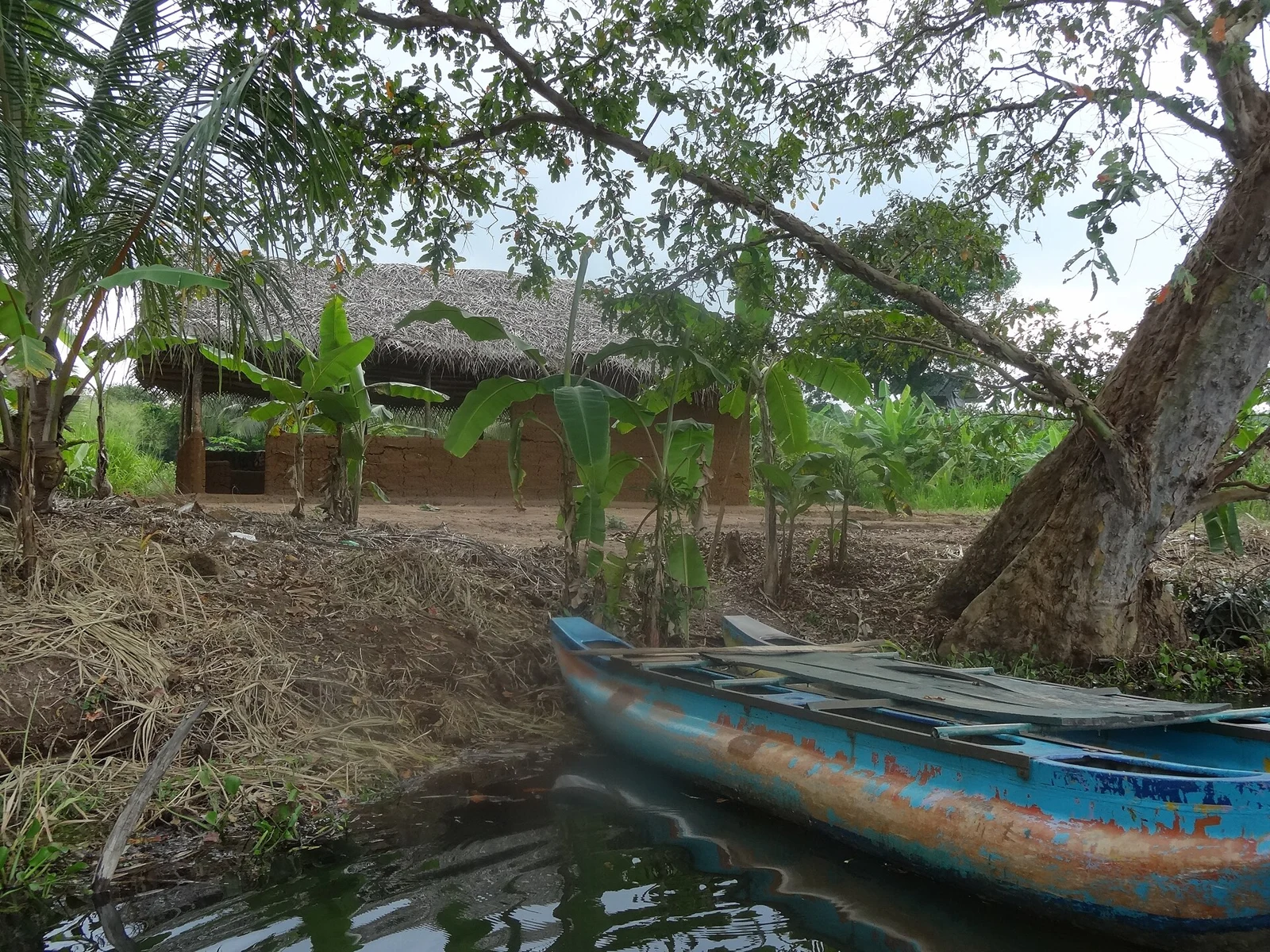
The best place for a traditional agriculture experience in Sri Lanka is the dry-zone countryside around Sigiriya, Habarana and Dambulla. Here, village families still grow rice in paddy fields watered by ancient irrigation tanks and farm small chena plots in the forest. A visit may include walking the paddy fields, a bullock-cart or catamaran ride, simple farm activities and a home-cooked village lunch; confirm the itinerary and seasonal availability with your hosts.
For more than two thousand years, farming in Sri Lanka's dry zone has depended on rain-fed reservoirs called tanks (wewa). Ancient kings and village communities built thousands of them, linked in chains so that water flowed from one tank to the next. Each tank fed a village and its paddy fields, and the whole system shaped village life.
This cascaded tank-village system is recognised by the UN Food and Agriculture Organization as a Globally Important Agricultural Heritage System. Many villages around the Cultural Triangle still farm this way. On a traditional agriculture experience, you spend time with a farming family and see how rice, vegetables and grains are grown, harvested and cooked.
A typical visit includes:
Chena (hena in Sinhala) is a traditional form of shifting cultivation. Farmers clear a small patch of forest or scrub, grow crops for a season or two using the rains, then leave the land to recover. Typical chena crops include finger millet (kurakkan), maize, sesame, pumpkins, chillies and vegetables. Because chena plots are close to the forest, farmers often build raised watch huts and stay overnight to protect crops from wild elephants.
Sri Lanka has two main rice seasons, named after the monsoons:
What you see depends on the month. You might see ploughing, planting, green fields or harvesting. Ask our team what will be happening during your dates.
Sri Lanka grows many heirloom rice varieties, such as red and dark rices with names like suwandel, pachchaperumal and kalu heenati. Some villages and farms are reviving these older varieties. Tasting them in a village meal is a good way to understand how important rice is in Sri Lankan food and culture.
For an overview of rural experiences, see our Sri Lanka village tour page.
Yes. Children usually love the bullock-cart and canoe rides, seeing buffalo and village animals, and trying simple farm tasks. The walking is easy and flat. Bring hats, sun cream and spare clothes, as the paddy fields can be muddy. See our tips for Sri Lanka with kids.
A farming morning fits easily with an afternoon safari at Minneriya or a visit to an ancient city. Food lovers can add a cooking class or a spice garden visit.
We can add a traditional agriculture experience to any trip through the Cultural Triangle. Plan this with a local expert. For more cultural experiences, go back to Culture in Sri Lanka.
An agriculture visit takes place within somebody's livelihood, and sometimes within their home. Paddy fields, irrigation structures, kitchens and chena plots are not automatically public attractions because a rural road passes nearby. Arrange a visit through a host or organiser who has permission for the specific places included. Ask who will receive you, what they have agreed to share and whether the visit is principally an explanation, a demonstration or a meal. A clear invitation allows the household to prepare without being expected to interrupt essential work or provide hospitality simply because travellers have arrived.
Distinguish an organised visitor experience from an observation of the day's actual farming. Both can be worthwhile when described honestly. A demonstration may make tools and food preparation easier to understand, while a working visit may involve waiting, changing plans or watching from a distance. Neither should promise that planting or harvesting will be happening on demand. Before booking, ask how the host is compensated, whether payment includes preparation and interpretation, and whether optional purchases or tips are expected. The strongest encounter leaves room for the farmer to decline a task, close part of the property or change the programme. Respecting those boundaries is part of understanding agriculture as work rather than treating a village as scenery.
The dry-zone countryside around Sigiriya, Habarana and Dambulla becomes more interesting when a host explains how its parts connect. A tank is not simply a picturesque lake: stored water, channels, field levels and decisions about distribution shape what can be cultivated. Ask where water enters, how it reaches the paddy and what changes when reserves are low. From an agreed viewpoint, look for the relationship between the tank, settlement and cultivated ground. The useful lesson is often not an ancient date or a spectacular view, but how present-day households coordinate work around a shared and variable resource.
Paddy bunds divide plots and help manage water, but they are also narrow working structures rather than purpose-built footpaths. Follow the host's chosen route and avoid stepping into fields to improve a photograph. Ask permission before approaching sluices, pumps or channels, and never adjust equipment. A dry-looking plot may be resting, recently prepared or awaiting water rather than abandoned. Fields that appear similar can differ in crop variety, planting date and access to irrigation. Encourage explanations of those differences instead of expecting a uniform green landscape. This approach makes a visit worthwhile outside the most photogenic stage of cultivation and avoids the misconception that agriculture stops whenever there are no rice plants ready to see.
Maha and Yala provide a broad framework for discussing rice cultivation, but a season name does not establish what will be happening in a particular field. Rainfall, stored water, local decisions and the crop itself influence preparation, sowing, transplanting and harvesting. Ask the organiser to check with the host shortly before the visit rather than relying on a standard description written months earlier. If seeing a specific process matters, explain that priority while accepting that it may not be available. A credible answer may offer a different explanation or demonstration instead of claiming that every agricultural task can be arranged.
Different stages reveal different kinds of knowledge. Field preparation can prompt discussion of soil, water and machinery. Young crops allow a conversation about weeds, spacing and protection. Harvest periods highlight labour, drying, storage and the movement of rice beyond the farm. A fallow field can still support a useful explanation of rotation, water constraints or household decisions. Do not ask hosts to stage strenuous work in unsuitable conditions simply to provide participation. Rain may make a field visit impractical, while dry periods may leave little active cultivation nearby. Agree on a fallback, such as examining tools under shelter, discussing stored crops or preparing a meal, provided the household has explicitly offered that alternative.
Hands-on activity should be small, supervised and genuinely suitable for visitors. A host might choose to demonstrate a tool, show how seedlings are handled or invite help with a simple food-preparation task. Ask what you may touch, where to stand and whether the activity is safe for your age, mobility and experience. Declining participation should be entirely acceptable. Watching carefully can be more informative than briefly attempting a job that requires practice. Avoid machinery, cutting tools, chemical handling, animal work or heavy lifting unless an appropriately managed visitor activity has been explicitly assessed as suitable; there is no need to turn agricultural curiosity into a test of endurance.
Children benefit from clear boundaries before entering the working area. Explain that crops are not toys, irrigation water is not a play pool and unfamiliar animals should not be approached or fed. Keep them within the agreed route rather than letting them explore sheds or equipment. Adults should avoid blocking workers, moving baskets or rearranging tools for photographs. Ask whether a demonstration uses current practice, an older technique or a method maintained mainly for visitors. That distinction enriches the experience rather than diminishing it. Traditional knowledge can coexist with pumps, machinery and purchased inputs. A farm does not become less authentic because a household chooses efficient equipment or because its members work in other occupations as well.
A route described as flat may still include narrow bunds, deep mud, loose stones, uneven tracks and awkward steps into a kitchen or boat. Ask for the actual walking surfaces and whether there is a wider alternative. Footwear should suit the conditions and remain secure on the foot; barefoot participation in a flooded field should never be assumed safe or compulsory. Discuss any cuts, balance difficulties or mobility limitations before deciding where to walk. Heat can also make an exposed field visit demanding without any uphill climbing. Arrange shade breaks and carry water, while avoiding placing bags or equipment where they obstruct cultivation.
Some village programmes include a tank crossing or a cart ride, but neither is necessary to understand farming. Ask whether these can be omitted without losing the host-led agricultural explanation. For any boat element, confirm permission, water conditions, safe boarding and appropriately sized lifejackets. Consider the welfare and handling of animals before accepting an animal-drawn ride; do not assume that a traditional label establishes good treatment. Travellers who prefer a land-only visit should say so at the outset. A shorter, accessible route with a thoughtful host can provide more substance than a programme built around multiple transport novelties. The practical goal is to reach agreed observation points comfortably, not to complete every activity commonly associated with a packaged village excursion.
A meal can turn an abstract discussion of rice cultivation into something tangible, especially when the host explains the variety being served and how it is prepared. Ask which ingredients came from the household, which were bought locally and which change with the season. There is no need to expect every item to have been grown on the property. Rice, vegetables, coconut, spices and fuel connect a household to wider markets as well as its own land. Questions about storage, milling and the choice between rice varieties often reveal more than asking whether a meal is completely traditional or entirely home-grown.
Discuss allergies, vegetarian preferences and other dietary requirements before the household buys ingredients or begins cooking. Explain severe allergies clearly rather than relying on a general request for mild food or no seafood. Ask what can reasonably be accommodated and accept that a small home kitchen may not be able to prevent every cross-contact risk. If food preparation is included, wait for instructions about handwashing, utensils and where visitors may stand. Smoke, floor-level seating or a hot cooking area may be uncomfortable for some travellers, so request alternatives in advance. Hospitality should not become a demand for unlimited dishes, repeated demonstrations or access to private rooms. Thank the people preparing and serving the meal, including those whose work happens outside the main conversation.
A Cultural Triangle base around Habarana or Sigiriya allows an agricultural visit to sit alongside major historical sites without becoming a long cross-country diversion. One approach is to devote a quieter part of the stay to a host-led field and kitchen visit, keeping a rock climb or ancient-city excursion on a separate outing if energy or heat would make the combination tiring. Another is to use agriculture as the principal activity of the day and leave an optional short sightseeing stop afterwards. Do not assume that adding a safari creates an effortless sequence: field conditions, lunch arrangements and the host's working commitments deserve their own space.
An Anuradhapura-based approach can emphasise tanks, irrigated landscapes and the relationship between farming and settlement, provided access to a willing host is arranged. A food-led route might focus more closely on rice varieties, milling and cooking rather than boat or cart elements. Whatever the route, confirm where the vehicle can wait without blocking a track and whether the final approach changes after rain. If the host needs to postpone, avoid asking the driver to find another household informally at the roadside. Replace the visit with a public cultural site or another confirmed activity. Flexibility is valuable only when it respects the difference between publicly accessible places and private working land.
Agriculture involves uncertainty, competing demands and hard choices, not just picturesque techniques. If the host is comfortable discussing them, questions about water availability, labour, crop prices and the next generation's interests can add depth. Chena cultivation should be explained in its local context rather than presented as a simple model of living in harmony with nature. Land use, wildlife interactions and household income can be complicated. Avoid expecting a farmer to defend an entire agricultural system or disclose private financial details. Let the conversation develop through practical questions about the field in front of you, and accept that some subjects may remain personal.
Where crops lie near wildlife habitat, follow the host's safety instructions and do not seek out watch huts, approach elephants or request an after-dark visit to observe crop protection. Wildlife conflict is a serious working concern, not entertainment. Ask before photographing people, homes, possessions or children, and check whether images may be shared publicly. Buy produce only if it is offered for sale and you can carry it appropriately; do not pick fruit or collect seeds as souvenirs. Before leaving, check that agreed payment has reached the intended organiser or host and that no misunderstanding remains about extra services. A good visit ends with a clearer understanding of the household's choices, not with the expectation that rural life must match a visitor's ideal.
Visit Sigiriya Rock Fortress in Sri Lanka: the history, the climb, the best time of day, what you see at the top, and private Sigiriya day tours.
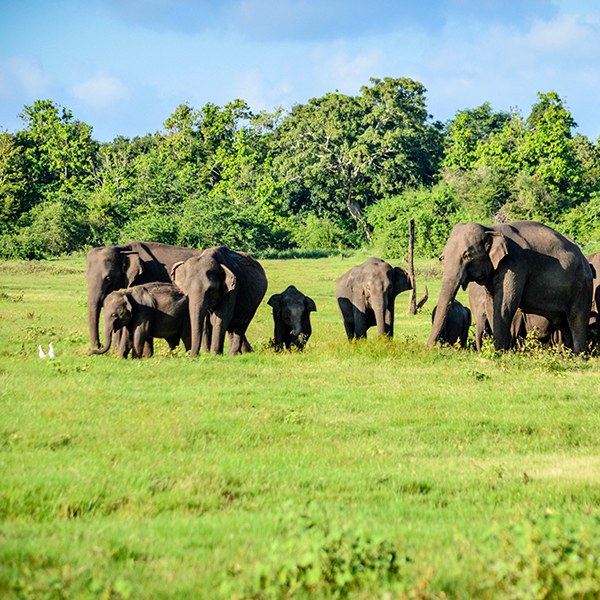
Visit Minneriya National Park near Sigiriya to see the elephant Gathering: the best months, afternoon safaris, Kaudulla as an alternative and private tours.
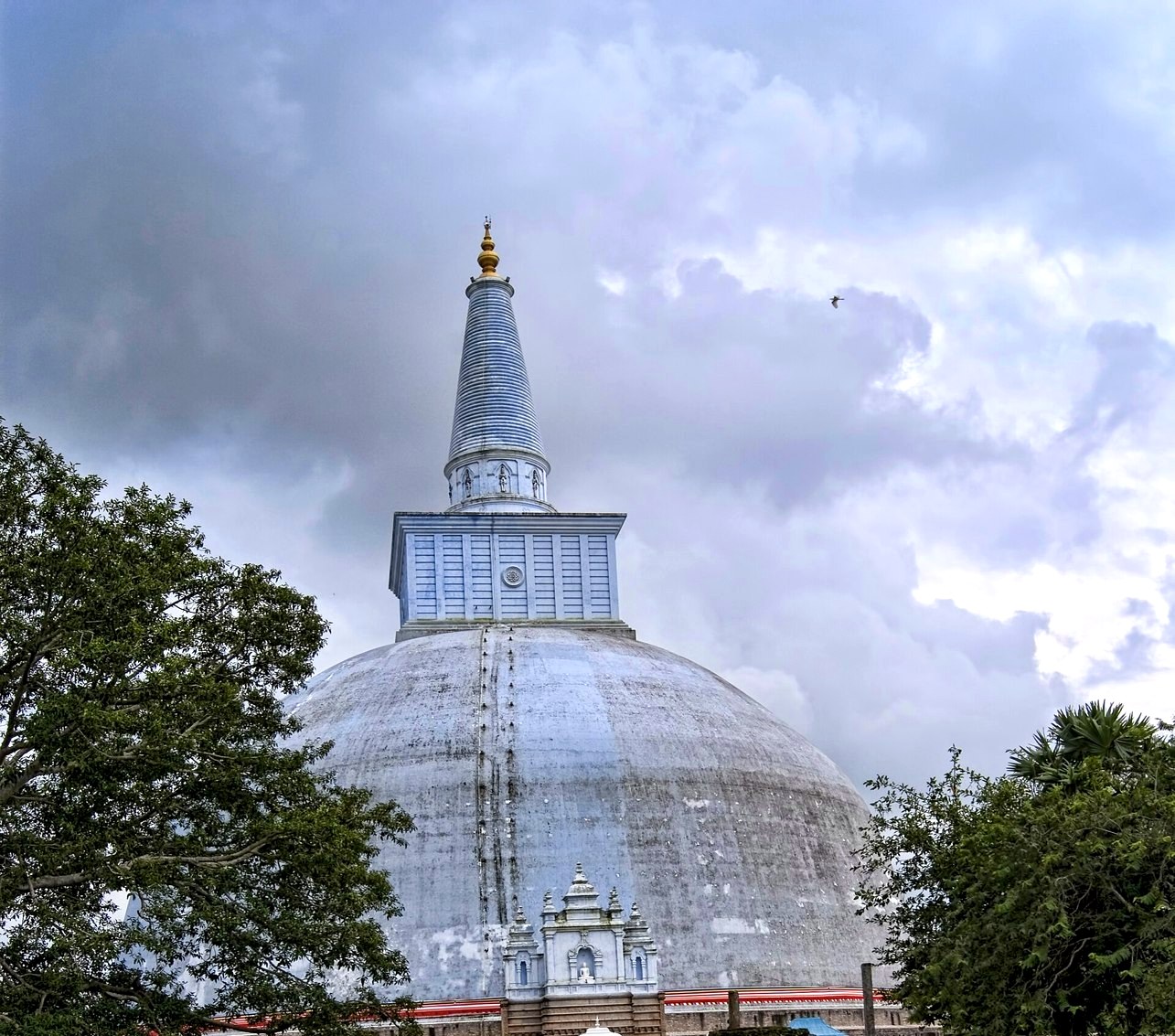
Explore Anuradhapura, Sri Lanka's first ancient capital: great stupas, the sacred Bo tree, Mihintale, how many days you need, and private day tours.
Join a private village tour in Sri Lanka: bullock cart ride, lake boat trip, paddy fields, cooking with a village family and a traditional lunch on lotus leaf.
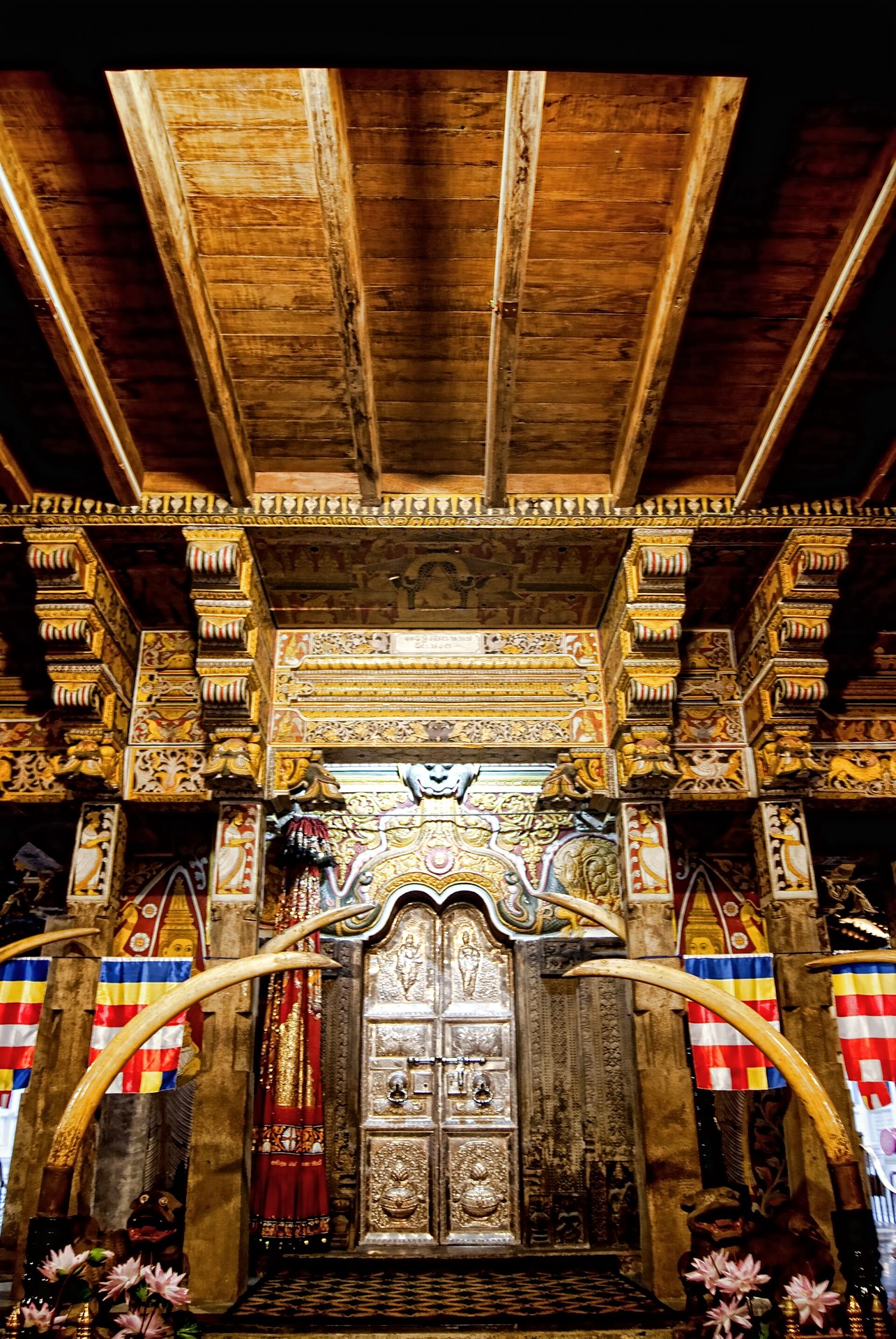
Discover traditional Sri Lankan food: 40 dishes from hoppers and kottu to lamprais and watalappan, where to try them, cooking classes and a private food tour.
The best place to visit a spice garden in Sri Lanka is Matale, on the road between Kandy and Dambulla, where many gardens offer free guided walks among cinnamon, pepper, cardamom, cloves, nutmeg and vanilla. On the south coast, you can see true Ceylon cinnamon being peeled on Koggala lake and around Bentota. Enjoy the tour, but compare prices before buying, as some garden shops charge far more than local markets.
A private Hiriwadunna village tour near Habarana: walk the lake bund, cross the water by boat, meet paddy farmers and share a rice and curry cooked over a wood fire.
Private Habarana village tour in Hiriwadunna: walk the village, cross Hiriwadunna Lake by boat, ride a bullock cart and enjoy a home-cooked village lunch.
Private Sigiriya village tour: bullock cart ride, lake boat trip, paddy fields and a home-cooked village lunch near Sigiriya and Dambulla, with your own driver.
No. Fields and adjoining homes are working or private spaces, not automatically visitor attractions. Arrange permission through a willing host or organiser and remain on the agreed route. Even an apparently empty plot may contain vulnerable crops or irrigation structures. A roadside view does not grant access to bunds, equipment, kitchens or household land.
No. Participation depends on the crop stage, water, weather, the host's workload and whether the task is suitable for visitors. Ask what is actually happening shortly before arrival. A demonstration or discussion may be offered instead. Do not request that planting, harvesting or another strenuous task be staged merely to match a tour description.
They provide a broad seasonal framework, but local rainfall and irrigation decisions determine what happens in an individual field. Different farms may be at different stages during the same month. Ask about the specific host's crops rather than expecting a calendar guarantee. Preparation, storage and cooking can remain informative when active fieldwork is limited.
Potentially, if the programme is adapted before booking. Ask about bund widths, mud, steps, seating and the distance from vehicle access. A shaded conversation, tool demonstration and accessible meal may be more suitable than crossing fields. Flat terrain alone does not establish accessibility, and boat or cart elements should be optional rather than assumed.
No. Those elements are not essential to understanding agriculture. Request a land-based visit if you prefer, and ask how the remaining programme will work. If considering a boat, check boarding and lifejackets. For an animal-drawn ride, assess handling and welfare rather than assuming a traditional activity is automatically appropriate or well managed.
Choose modest, lightweight clothing, sun protection and secure footwear suited to uneven or muddy ground. Ask the host about the specific route before deciding on shoes. Carry water and avoid assuming barefoot fieldwork is required. A change of clothes can be useful if participation is offered, but getting muddy should never be compulsory.
Ask before confirming the visit and describe the allergy precisely, including concerns about cross-contact. A home kitchen may have limited equipment or alternative ingredients, so accommodation cannot be assumed. If requirements cannot be met safely, arrange a visit without the meal or choose another confirmed option rather than placing last-minute pressure on the household.
Ask who receives payment and whether it covers hosting time, food, preparation and interpretation. Clarify optional extras before arrival. A responsible organiser should explain the arrangement without relying on vague claims about community benefit. Purchasing something is not obligatory, and visitor access should remain based on the household's consent rather than a general village-tour label.
Ask permission before photographing individuals, especially inside homes or while people are working. For children, seek a responsible adult's agreement and respect the child's own reluctance. Explain if photographs will be published or shared publicly. Permission to visit a farm is not blanket permission to document private rooms, possessions or every household member.
The organiser should discuss a permission-based alternative or rescheduling arrangement with the host. Possible substitutes include a sheltered explanation, tools or cooking, but only if already agreed. Do not expect access to unsafe fields or an unannounced replacement household. Confirm cancellation terms and a separate public sightseeing option before the visit.
From inspiration to your itinerary
Explore our matching private journeys. Tell us your dates and group size for a personalised route, availability and written quote.