
Quick answer
The best tea factories to visit in Sri Lanka are in the hill country. Around Nuwara Eliya, visit Pedro Tea Estate, the Labookellie tea centre on the Kandy road, and the factories near Ramboda and Glenloch. Near Ella and Haputale, see the Halpewatte factory and Dambatenne, the estate Thomas Lipton bought in 1890. In Kandy, the Ceylon Tea Museum tells the story of Ceylon tea. On the south coast, Handunugoda near Ahangama is known for white tea. Most tours are short (about 30–45 minutes), cheap or free, and end with a tasting. Go in the morning, when leaf is usually being processed.
On this page 28 sections
- Tea factories at a glance
- A short history of Ceylon tea
- How tea is made: what you'll see on a factory tour
- 1. Pedro Tea Estate, Nuwara Eliya
- 2. Labookellie, on the Kandy–Nuwara Eliya road
- 3. Factories around Ramboda and Glenloch
- 4. Halpewatte tea factory, near Ella
- 5. Dambatenne tea factory, Haputale
- 6. The Ceylon Tea Museum, Kandy
- 7. Factories around Kandy and Pilimathalawa
- 8. Handunugoda, near Ahangama on the south coast
- 9. Tea estates around Hatton and Dimbula
- 10. Tea in Ratnapura and Sabaragamuwa
- 11. A tea plucking experience
- 12. A tea tasting session
- Sri Lanka's tea regions
- Best time to visit
- How many tea factories should you visit?
- A sample tea country day
- Tea country by train
- Buying tea to take home
- Tea country for families
- Responsible tea tourism
- Getting there
- What to wear and bring
- Tea factories on a Sri Lanka itinerary
- Common mistakes to avoid
- Frequently asked questions
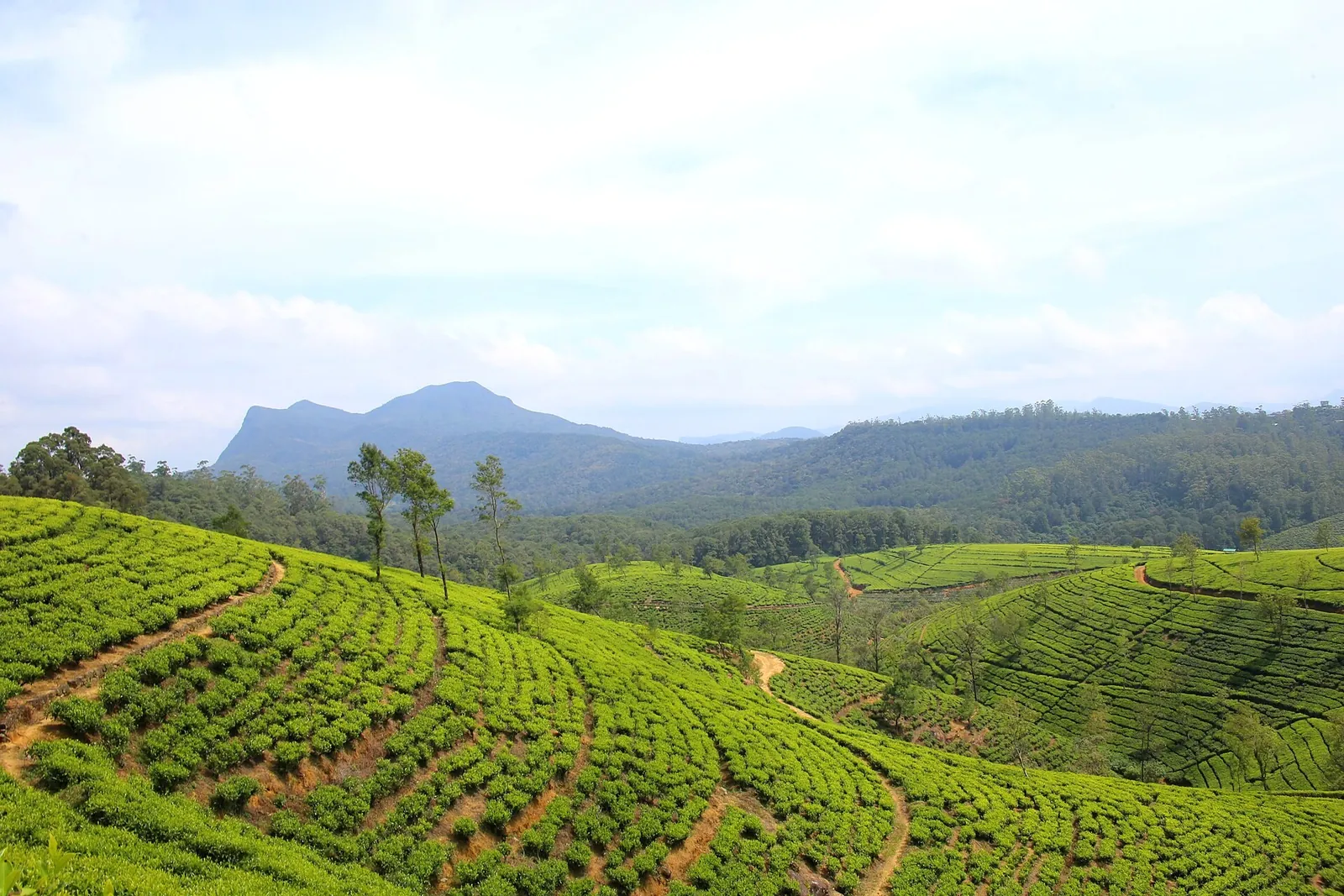
Tea is one of the reasons travellers fall in love with Sri Lanka. The hills are covered in bright green bushes, tea pluckers move along the slopes, and old factories sit on the ridges, often still working with machines from the colonial era. A tea factory visit takes less than an hour, but it shows you how a leaf picked in the morning becomes the Ceylon tea in your cup at home. This guide covers the best factories to visit, how tea is made, when to go, and how to fit tea country into your Sri Lanka trip.
Tea factories at a glance
| Main tea areas | Nuwara Eliya, Ella and Haputale (Uva), Kandy, Dimbula, Ratnapura and the south coast |
| Best area for factory visits | Nuwara Eliya and the Kandy–Nuwara Eliya road |
| Typical tour length | About 30–45 minutes |
| Cost | Free or a small fee; tastings usually included |
| Best time of day | Morning, when fresh leaf is processed |
| Best months | All year; the hill country is driest around January to April |
| Time needed | Half a day for two factories and a viewpoint |
| Best for | Everyone: culture lovers, families, photographers, tea fans |
A short history of Ceylon tea
Before tea, the hills of Ceylon were planted with coffee. In the 1860s and 1870s a disease called coffee rust destroyed the plantations, and planters looked for a new crop. In 1867, a Scottish planter named James Taylor planted tea commercially on the Loolecondera estate near Kandy. It grew so well that within a few decades tea covered much of the hill country.
Thomas Lipton bought estates near Haputale in 1890 and sold Ceylon tea cheaply in his shops in Britain, which made it famous worldwide. Today Sri Lanka is still one of the world's biggest tea exporters, and the name "Ceylon tea" is used as a mark of origin. See our Sri Lanka tea country guide.
How tea is made: what you'll see on a factory tour
Most factory tours follow the leaf through these steps:
- Plucking: pluckers pick "two leaves and a bud" by hand, usually in the morning.
- Withering: the leaf is spread in long troughs and air is blown through it for many hours to remove moisture.
- Rolling: machines twist and break the leaf, releasing the juices that give tea its flavour.
- Oxidation (often called fermentation): the rolled leaf rests and turns from green to coppery brown.
- Drying: hot air stops oxidation and dries the tea.
- Sorting and grading: sieves separate the tea by size into grades such as BOP (broken orange pekoe), OP (orange pekoe), FBOP and dust.
- Tasting and packing: tea tasters check the quality before the tea is packed and sent to the Colombo tea auction.
Factory machines are loud and the air smells of fresh tea. Photography rules differ from factory to factory, so ask before you take pictures inside.
1. Pedro Tea Estate, Nuwara Eliya
Pedro is the easiest factory to visit from Nuwara Eliya, just a few minutes outside town. It's one of the best-known estates in the area, with a guided walk through the factory and a tea centre with views over the plantation. See our full guide to Pedro Tea Estate.
2. Labookellie, on the Kandy–Nuwara Eliya road
On the main road between Ramboda and Nuwara Eliya, the Labookellie tea centre is a favourite stop on the drive up from Kandy. It's known for free tastings and short factory visits, and the tea gardens around it make for beautiful photos. See Kandy to Nuwara Eliya.
3. Factories around Ramboda and Glenloch
The road from Kandy climbs through Pussellawa and Ramboda, passing several working factories that welcome visitors, including Glenloch near Katukithula. Combine a factory stop with the Ramboda Falls viewpoint and a cup of tea overlooking the valley. Your driver can suggest which factory is processing on the day.
4. Halpewatte tea factory, near Ella
Above Ella, the Halpewatte factory (often known as Uva Halpewatte) runs regular tours, and the views across the Uva hills are superb. It's a short tuk-tuk ride from Ella town and fits well before or after Little Adam's Peak. See Ella and things to do in Ella.
5. Dambatenne tea factory, Haputale
Dambatenne was built by Thomas Lipton's company in 1890 and is still working. It's on the road up to Lipton's Seat, the viewpoint where Lipton is said to have looked out over his estates. Go up to the viewpoint early for clear views, then visit the factory on the way back. See Lipton's Seat and Haputale.
6. The Ceylon Tea Museum, Kandy
In the hills of Hantane, just outside Kandy, the Ceylon Tea Museum is housed in an old tea factory. It displays historic machinery, early tea history and the story of James Taylor and Thomas Lipton, with a tea room at the top. It's the best stop if you want history rather than a working factory. See things to do in Kandy.
7. Factories around Kandy and Pilimathalawa
West of Kandy, around Pilimathalawa, mid-grown tea estates offer short factory tours. They're handy if you're driving between Colombo and Kandy and don't have time to go up into the high hills. See Colombo to Kandy.
8. Handunugoda, near Ahangama on the south coast
You don't need to go to the hills to see tea. Near Ahangama, between Galle and Mirissa, the Handunugoda estate grows low-country tea and is known for its white tea. Tours include tastings of many different teas. It's an easy half-day trip from Unawatuna, Weligama or Mirissa. See the south coast.
9. Tea estates around Hatton and Dimbula
The Dimbula and Hatton area, on the way to Adam's Peak, is classic tea country, with lakes, waterfalls and old planters' bungalows. Several factories here process high-quality tea. Combine a visit with Adam's Peak or a drive past the St Clair's and Devon waterfalls.
10. Tea in Ratnapura and Sabaragamuwa
The Sabaragamuwa region around Ratnapura grows low-country tea with a rich, strong flavour. If you're visiting the gem town or travelling to Udawalawe, ask your driver to stop at a working estate. See places to visit in Ratnapura.
11. A tea plucking experience
Some estates let visitors try plucking with the pluckers, wearing a basket on the head. It's a fun photo but also a reminder of how skilled and hard the work is. Please be respectful, and ask before photographing pluckers. Do not assume portraits or access are included; ask permission and respect a refusal. See our tea experiences.
12. A tea tasting session
Most factory tours end with a free cup of tea, but some estates offer longer tasting sessions comparing grades, regions and white, green and black teas. If you're a tea lover, ask us to arrange a tasting.
Sri Lanka's tea regions
| Region | Altitude | Flavour |
|---|---|---|
| Nuwara Eliya | High-grown | Light, delicate and fragrant |
| Uva (Ella, Haputale, Badulla) | High-grown | Distinctive, brisk; best in the dry season |
| Dimbula (Hatton, Talawakele) | High-grown | Bright and refreshing |
| Uda Pussellawa | High-grown | Pleasant, medium strength |
| Kandy | Mid-grown | Full-bodied and strong |
| Sabaragamuwa | Low-grown | Rich and dark |
| Ruhuna (south) | Low-grown | Strong and full-flavoured |
Best time to visit
Factories work all year. The best time to visit tea country is generally January to April, when the hill country is drier and clearer. The Uva side (Ella and Haputale) is often driest around June to September, while the western slopes get more rain then. Mornings are the best time for factory tours, as fresh leaf is usually processed early in the day. See the best time to visit Sri Lanka.
Please note: some factories don't process on certain days, and opening times can change. We check before we take you.
How many tea factories should you visit?
One or two is enough for most travellers. A good combination is: - one working factory tour, such as Pedro, Halpewatte or Dambatenne; - one viewpoint or museum, such as Lipton's Seat or the Ceylon Tea Museum.
A sample tea country day
From Kandy to Nuwara Eliya - Morning: leave Kandy and drive up through Pussellawa. - Mid-morning: stop at a factory near Ramboda or Labookellie for a tour and tasting. - Lunch: Ramboda viewpoint. - Afternoon: arrive in Nuwara Eliya and visit Pedro Tea Estate or Gregory Lake.
Around Haputale and Ella - Early morning: Lipton's Seat for sunrise views. - Breakfast: tea and roti at the viewpoint stalls. - Mid-morning: Dambatenne factory tour. - Afternoon: drive to Ella and visit Halpewatte or Little Adam's Peak.
Tea country by train
The train between Nanu Oya (for Nuwara Eliya) and Ella passes through some of the most beautiful tea estates in the world. At the time of writing (November 2026), trains run on the Nanu Oya to Ella section, while services towards Kandy are suspended. Check the latest status before you plan. See Kandy to Ella by train and our train tour.
Buying tea to take home
- Buy at the factory: you'll find fresh tea at fair prices, often from that estate.
- Choose sealed packs: they travel well in your luggage.
- Try different grades: BOP is strong for milk tea; OP is lighter and good without milk.
- Look for the lion logo: it marks tea packed in Sri Lanka as pure Ceylon tea.
- Think about gifts: tea in small wooden boxes or tins makes a light, easy present. See souvenirs from Sri Lanka.
Tea country for families
Children usually enjoy the noisy machines, the smell of tea and the chance to try plucking. Keep tours short, bring snacks, and combine a factory with a boat ride on Gregory Lake or a waterfall stop. See Sri Lanka with kids.
Responsible tea tourism
Tea pluckers, mostly women from the Hill Country Tamil community, do hard work for modest wages. Be respectful: - Ask before taking photos of pluckers or their homes. - Don't walk through tea rows without permission; you can damage the bushes. - Buy tea directly from estates and local shops.
See our responsible travel guide.
Getting there
| From | To the tea country | Approximate drive |
|---|---|---|
| Kandy | Nuwara Eliya factories | About 2.5–3 hours |
| Colombo | Nuwara Eliya | About 5–6 hours |
| Ella | Halpewatte | About 15–20 minutes |
| Ella | Dambatenne and Lipton's Seat | About 1–1.5 hours |
| Unawatuna or Mirissa | Handunugoda | About 20–40 minutes |
With a private driver, you can stop at the factory that's working that day and change your plans if it's misty.
What to wear and bring
- A light jacket or fleece: the high hills can be cool, especially in the morning.
- Comfortable shoes: factory floors and estate paths can be slippery.
- Cash: for tea purchases, tips and small entry fees.
- A rain jacket: showers are common in the afternoon.
See our Sri Lanka packing list.
Tea factories on a Sri Lanka itinerary
Tea country fits naturally between Kandy and Ella, or between Ella and the south coast. A classic route is Sigiriya, Kandy, Nuwara Eliya, Ella and then a safari or the beach. Allow at least two nights in the hills. See our Sri Lanka itinerary, things to do in Nuwara Eliya and our Nuwara Eliya day tour.
Common mistakes to avoid
- Arriving in the afternoon, when the factory may have finished processing.
- Visiting too many factories: they can feel similar after the second one.
- Forgetting a jacket for the cool hill mornings.
- Photographing pluckers without asking.
- Rushing tea country in one day; it deserves at least two nights.
Frequently asked questions
Which is the best tea factory to visit in Sri Lanka?
Pedro Tea Estate in Nuwara Eliya is the easiest and best known. For history, visit the Ceylon Tea Museum in Kandy; for views, Dambatenne near Lipton's Seat.
Is it free to visit tea factories in Sri Lanka?
Many are free or charge a small fee, and a cup of tea is usually included. Fees can change, so check on the day.
How long does a tea factory tour take?
Usually about 30 to 45 minutes.
What is the best time of day to visit a tea factory?
The morning, when fresh leaf is usually being processed.
Can I visit a tea factory near Kandy?
Yes. The Ceylon Tea Museum is in Hantane, and there are working estates around Pilimathalawa and on the road to Nuwara Eliya.
Is there a tea factory near Ella?
Yes, the Halpewatte factory is just above Ella town.
Who started tea in Sri Lanka?
James Taylor planted tea commercially at the Loolecondera estate near Kandy in 1867.
Can I see tea on the south coast?
Yes. The Handunugoda estate near Ahangama, between Galle and Mirissa, offers tours and tastings.
Can I take photos inside a tea factory?
Rules vary. Some factories allow photos, others don't, so always ask first.
How do I plan a tea country trip?
Tell us your dates, and we'll include the best factories on your route with a private driver. Contact us on our contact page or WhatsApp.