
Quick answer
The best Sri Lankan street food to try is kottu roti (chopped flatbread stir-fried on a hot griddle), hoppers and egg hoppers, string hoppers, isso wade (crispy lentil fritters topped with prawns), roti filled with egg, vegetables or coconut, short eats such as fish buns, patties, cutlets and samosas, spicy chickpeas (kadala), and fresh king coconut to drink. In Colombo, Galle Face Green and the Pettah are famous for street food in the evening. Choose busy stalls where food is cooked fresh in front of you, and ask for "less spicy" if you prefer.
On this page 40 sections
- Sri Lankan street food at a glance
- 1. Kottu roti
- 2. Hoppers and egg hoppers
- 3. String hoppers
- 4. Isso wade
- 5. Roti
- 6. Short eats
- 7. Kadala and chickpea snacks
- 8. Achcharu
- 9. Fresh fruit with chilli and salt
- 10. Corn and peanuts
- 11. Sweets
- 12. Drinks
- Where to eat street food
- Colombo
- Kandy
- Galle
- Jaffna
- Along the road
- Is street food safe?
- Spice levels
- Vegetarian and vegan street food
- Eating etiquette
- Street food prices
- A street food evening in Colombo
- Learn to cook street food
- Food tours
- Street food for families
- Street food during festivals
- Street food and the rest of Sri Lankan cuisine
- Street food on your tour
- Street food by time of day
- Street food words to know
- Regional street food
- Street food and hygiene: what to look for
- Street food for first-timers
- Street food with a guide
- Bringing the flavours home
- Common mistakes to avoid
- Frequently asked questions
Sri Lankan street food is fast, cheap, spicy and delicious. As evening falls, the rhythmic clatter of kottu makers chopping roti on a hot griddle fills the streets, and vendors fry crispy wade by the sea. Eating street food is one of the best ways to understand Sri Lanka. This guide covers what to eat, where to find it, how to eat safely and how to join a food tour.
Sri Lankan street food at a glance
| Dish | What it is | When to eat |
|---|---|---|
| Kottu roti | Chopped roti stir-fried with vegetables, egg or meat | Evening |
| Hoppers (appa) | Bowl-shaped rice pancakes, crispy at the edges | Breakfast or evening |
| Egg hopper | A hopper with an egg cooked in the middle | Breakfast or evening |
| String hoppers | Steamed nests of rice noodles | Breakfast or evening |
| Isso wade | Lentil fritters topped with prawns | Afternoon snack |
| Roti | Flatbread, plain or filled | Any time |
| Short eats | Patties, cutlets, rolls, fish buns, samosas | Any time |
| Kadala | Spiced chickpeas | Snack |
| Achcharu | Spicy pickled fruit | Snack |
| King coconut | Fresh coconut water | Any time |
1. Kottu roti
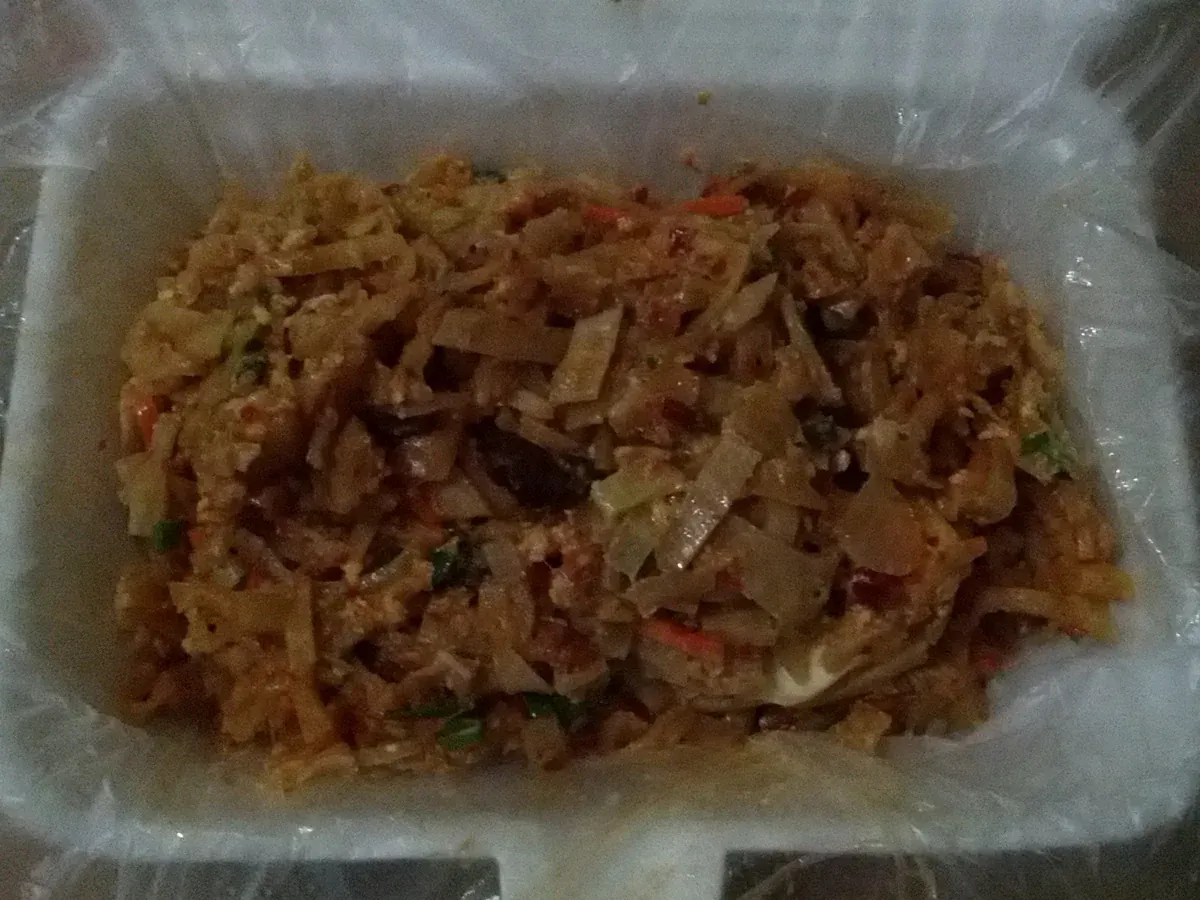
Kottu is Sri Lanka's favourite late-night food. The cook chops godamba roti (a thin flatbread) with vegetables, egg, cheese or meat on a hot griddle using two metal blades, making a loud, rhythmic beat you'll hear from down the street. It's served with curry gravy. Try vegetable, egg, chicken or cheese kottu.
2. Hoppers and egg hoppers
Hoppers (appa) are made from fermented rice flour and coconut milk, cooked in small round pans to form a bowl that's soft in the middle and crispy at the edges. An egg hopper has an egg cooked in the centre. Eat them with lunu miris (a spicy onion and chilli relish) or curry.
3. String hoppers
String hoppers (idiyappa) are delicate nests of rice flour noodles, steamed and served with dhal, coconut sambol and curry. They're a common breakfast and dinner.
4. Isso wade
On Galle Face Green and along the coast, vendors sell isso wade: crispy, spicy lentil fritters topped with whole prawns, served with onion and chilli. Ulundu wade (a doughnut-shaped fritter) and parippu wade (lentil fritters) are vegetarian options.
5. Roti
Roti is everywhere: plain, egg, vegetable or pol roti (with coconut and chilli). Sweet versions are filled with banana, chocolate or treacle. Pol roti with lunu miris is a simple, delicious breakfast.
6. Short eats
"Short eats" are snacks displayed in glass cases in bakeries and cafés. Typical ones include: - Fish buns: soft bread filled with spiced fish and potato. - Patties: half-moon pastries with fish, chicken or vegetables. - Cutlets: crumbed balls of spiced fish or vegetables. - Chinese rolls: crumbed pancakes rolled around a spicy filling. - Samosas: crispy triangles with spiced fillings. In some cafés, a plate of short eats is put on your table and you pay for what you eat.
7. Kadala and chickpea snacks
Kadala is boiled chickpeas tempered with onion, chilli, mustard seeds and curry leaves, often sold in paper cones by the beach.
8. Achcharu
Achcharu is spicy pickled fruit, like mango, pineapple or ambarella, mixed with chilli, salt and sugar. Sweet, sour and spicy all at once.
9. Fresh fruit with chilli and salt
Street vendors sell green mango, pineapple and guava with salt and chilli. See Sri Lankan fruits.
10. Corn and peanuts
Grilled corn on the cob and roasted peanuts in paper cones are popular evening snacks by the sea.
11. Sweets
Try kavum (oil cakes), kokis (crispy flower-shaped biscuits), aluwa and watalappan (a jaggery and coconut custard), especially around Sinhala and Tamil New Year in April.
12. Drinks
- King coconut (thambili): the best street drink.
- Faluda: a sweet, rose-flavoured milk drink with jelly and basil seeds.
- Wood apple juice: sour-sweet and refreshing.
- Plain tea (kahata) and milk tea: sold everywhere, very sweet.
- Ginger beer: a local favourite.
Where to eat street food
Colombo
- Galle Face Green: as the sun sets, food stalls serve isso wade, kottu and grilled corn by the ocean. It's a lively, family-friendly scene.
- Pettah: the busy market district has stalls and small eateries serving short eats, roti and sweets.
- Neighbourhood kottu shops: found all over the city, busy late at night.
See Colombo, one day in Colombo and our Colombo city tour.
Kandy
Small cafés and bakeries around the town centre and market serve short eats, hoppers and curd with treacle. See things to do in Kandy.
Galle
Inside and around Galle Fort, you'll find small cafés serving roti, hoppers and short eats. See things to do in Galle.
Jaffna
Jaffna has its own Tamil street food: dosai, vadai, crab curry and Jaffna's famous ice cream. See things to do in Jaffna.
Along the road
Roadside stalls sell king coconut, fruit, corn and roti. Your driver will know the best ones. Look out for curd and treacle stalls on the road between the hill country and the south.
Is street food safe?
Yes, if you follow a few simple rules: - Choose busy stalls with a high turnover. - Eat food cooked fresh and hot in front of you. - Avoid food that's been sitting out in the sun. - Drink bottled water or king coconut. - Carry hand sanitiser and wet wipes. - Start slowly with spicy food.
Spice levels
Sri Lankan food can be very spicy. Ask for "less spicy" ("sera aduwen" in Sinhala) or "no chilli". Kottu and short eats can usually be made milder.
Vegetarian and vegan street food
There's plenty of vegetarian street food: vegetable kottu, parippu wade, ulundu wade, pol roti, kadala and fruit. Note that some dishes contain Maldive fish (dried fish flakes), so ask if you're strictly vegetarian. See vegetarian food in Sri Lanka.
Eating etiquette
- Many Sri Lankans eat with their right hand. Try it; it's part of the experience.
- Use your right hand to eat and pass food.
- Wash your hands before and after eating.
- It's fine to ask for a spoon if you prefer.
Street food prices
Street food is very cheap compared with restaurant food. Carry small notes and coins. See money in Sri Lanka and the Sri Lanka trip cost guide.
A street food evening in Colombo
- 5:00 pm: walk to Galle Face Green.
- 5:30 pm: isso wade and king coconut by the ocean at sunset.
- 7:00 pm: kottu at a busy local shop.
- 8:00 pm: faluda or ice cream for dessert.
Learn to cook street food
Join a cooking class to learn hoppers, roti, sambol and curries. See food and cooking.
Food tours
On a food tour, a local guide takes you to the best stalls, explains each dish and helps you order. It's the easiest and safest way to try street food. See our Sri Lanka food tour.
Street food for families
Children often love plain roti, sweet roti, corn, short eats and king coconut. Ask for mild versions. See Sri Lanka with kids.
Street food during festivals
During Vesak, many communities set up free food stalls called dansal, offering rice and curry, drinks and snacks to everyone as an act of generosity. During the Sinhala and Tamil New Year, homes are full of sweets. See Vesak in Sri Lanka and Sinhala and Tamil New Year.
Street food and the rest of Sri Lankan cuisine
Street food is just the start. Don't miss a full rice and curry, crab curry, lamprais (a Dutch Burgher dish baked in a banana leaf) and fresh seafood on the coast. See Sri Lankan food to try.
Street food on your tour
With a private driver, you can stop at roadside stalls, bakeries and kottu shops along the way. Just tell your driver you'd like to try local food. See our private driver page and our Sri Lanka itinerary.
Street food by time of day
| Time | What to eat |
|---|---|
| Breakfast | Hoppers, string hoppers, pol roti, milk tea |
| Mid-morning | Short eats from a bakery, king coconut |
| Afternoon | Isso wade, kadala, fruit with chilli |
| Evening | Kottu, egg hoppers, grilled corn |
| Late night | Kottu, roti, faluda |
Street food words to know
- Kottu: chopped roti dish.
- Appa: hoppers.
- Idiyappa: string hoppers.
- Wade: fritters.
- Sambol: a spicy relish, such as pol sambol (coconut).
- Thambili: king coconut.
- Sera aduwen: less spicy.
Regional street food
| Region | Speciality |
|---|---|
| Colombo | Isso wade, kottu, faluda |
| South coast | Fresh fish buns and seafood snacks |
| Kandy | Curd and treacle, short eats |
| Hill country | Roti and tea at roadside stalls |
| Jaffna | Dosai, vadai, Jaffna ice cream |
| East coast | Spicy seafood and Tamil snacks |
Street food and hygiene: what to look for
Look for stalls with clean surfaces, fresh oil, food cooked to order and plenty of local customers. Avoid salads and raw garnishes at small stalls if you have a sensitive stomach, and stick to cooked, hot dishes.
Street food for first-timers
If you're new to Sri Lankan food, start with plain roti, egg hoppers, vegetable kottu, short eats and king coconut. Once you're comfortable, try isso wade, kadala and achcharu. Eat a little at a time, and drink plenty of water.
Street food with a guide
A local guide can take you to the best stalls, explain what you're eating and help you order in Sinhala or Tamil. It's a great first evening activity in Colombo. See one day in Colombo.
Bringing the flavours home
Buy curry powder, roasted spice mixes and a small hopper pan to cook Sri Lankan food at home. A cooking class during your trip is the best way to learn the recipes before you go. See souvenirs from Sri Lanka.
Common mistakes to avoid
- Eating at quiet stalls where food has been sitting out.
- Ordering the spiciest option on your first day.
- Drinking tap water.
- Missing kottu at night, when it's freshest and the shops are busiest.
- Only eating in hotels; street food is the real taste of Sri Lanka.
Frequently asked questions
What is the most popular street food in Sri Lanka?
Kottu roti, followed by hoppers, isso wade and short eats.
What is kottu?
Chopped flatbread stir-fried on a hot griddle with vegetables, egg or meat, served with curry gravy.
Is Sri Lankan street food safe for tourists?
Yes, at busy stalls where food is cooked fresh in front of you.
Where can I find street food in Colombo?
At Galle Face Green in the evening and in the Pettah market district.
What are hoppers?
Bowl-shaped pancakes made from rice flour and coconut milk. An egg hopper has an egg in the centre.
What are short eats?
Snacks like fish buns, patties, cutlets, rolls and samosas, sold in bakeries and cafés.
Is Sri Lankan street food spicy?
Often, yes. Ask for "less spicy".
Is there vegetarian street food?
Yes: vegetable kottu, wade, roti and kadala. Ask about Maldive fish in some dishes.
How much does street food cost?
Street food is very cheap compared with restaurants. Carry small notes.
Can you arrange a street food tour?
Yes. Ask for our food tour, or we'll add street food stops to your route. Contact us on our contact page or WhatsApp.