
Quick answer
Sri Lanka is one of the easiest countries in Asia for vegetarians. A standard rice and curry comes with four to six vegetable and lentil dishes, and many favourites are naturally meat-free, including dhal, jackfruit curry, hoppers, string hoppers, pol roti and gotu kola salad. Tamil food in Jaffna and parts of Colombo adds dosa, idli, vadai and vegetarian thalis. The main thing to watch for is Maldive fish (umbalakada), dried tuna flakes often added to sambols and some curries, which locals don't always think of as fish. Vegans should also ask about ghee, milk, curd and egg. A few simple phrases in Sinhala or Tamil make it easy.
On this page 21 sections
- Vegetarian food in Sri Lanka at a glance
- Why Sri Lanka is great for vegetarians
- Vegetarian dishes to try
- Tamil vegetarian food
- The hidden ingredient: Maldive fish
- Tips for vegans
- Useful phrases
- Where to eat
- Vegetarian travel with a private driver
- Travelling with dietary needs: tips
- Cooking classes
- A typical vegetarian day in Sri Lanka
- Vegetables you'll meet in Sri Lankan curries
- Fruit and sweets
- Eating in Kandy and the hill country
- Eating on the south coast
- Food safety tips
- Eating with your hand
- Vegetarian cooking with locals
- Common mistakes to avoid
- Frequently asked questions
Whether you're vegetarian, vegan or just like to eat lots of vegetables, Sri Lanka is a joy. This guide covers the best vegetarian dishes, hidden ingredients to ask about, useful phrases, tips for vegans and how to eat well everywhere from beach cafés to tea country guesthouses.
Vegetarian food in Sri Lanka at a glance
| How vegetarian-friendly? | Very; rice and curry is mostly vegetables and lentils |
| Must-try dishes | Dhal, jackfruit curry, hoppers, string hoppers, kottu, gotu kola |
| Tamil vegetarian food | Dosa, idli, vadai, sambar, thali |
| Hidden ingredient to ask about | Maldive fish (umbalakada) |
| Vegan watch-outs | Ghee, milk, curd, egg, shared griddles |
| Best tip | Ask clearly, and say "no Maldive fish" |
Why Sri Lanka is great for vegetarians
Sri Lankan cooking is built around rice, coconut, lentils, vegetables and spices. A typical lunch of rice and curry might include dhal, a pumpkin or beetroot curry, green beans, potato, a leafy green salad and coconut sambol, with poppadoms on the side. Many Sri Lankans eat vegetarian on certain days for religious reasons, and Buddhist, Hindu and Ayurvedic traditions all have a long history of meat-free cooking.
Vegetarian dishes to try
Rice and curry
The everyday meal of Sri Lanka: a plate of rice with several small curries. Ask for a vegetarian version, and you'll often get the widest choice of dishes.
Dhal curry (parippu)
Red lentils cooked with coconut milk, turmeric and spices. It's served with almost everything.
Jackfruit curry (polos or kos)
Young jackfruit cooked slowly with spices until tender and rich. Polos is made from young green jackfruit and is often called a vegetarian alternative to meat curry.
Hoppers (appa)
Bowl-shaped pancakes made from fermented rice flour and coconut milk, crispy at the edges and soft in the middle. Plain hoppers are vegetarian; egg hoppers have an egg cracked into the middle.
String hoppers (indiappa)
Steamed nests of rice noodles, served with dhal, curry and coconut sambol, usually for breakfast or dinner.
Pol roti
A flatbread made with coconut, often eaten with lunu miris (chilli relish).
Kottu
Chopped roti stir-fried with vegetables and spices on a hot griddle. Ask for vegetable kottu, with no egg if you're vegan.
Gotu kola sambol
A fresh salad of finely chopped gotu kola leaves, coconut, onion and lime. Ask for it without Maldive fish.
Kola kanda
A green herbal porridge of rice, coconut milk and leafy greens, traditionally eaten for breakfast.
Pittu
Steamed cylinders of rice flour and coconut, served with curry and coconut milk.
See our guide to Sri Lankan food to try and food and cooking experiences.
Tamil vegetarian food
In Jaffna, the north and Tamil areas of Colombo and the hill country, you'll find South Indian-style vegetarian food:
- Dosa (thosai): thin, crispy rice and lentil pancakes, served with sambar and chutney.
- Idli: soft steamed rice cakes.
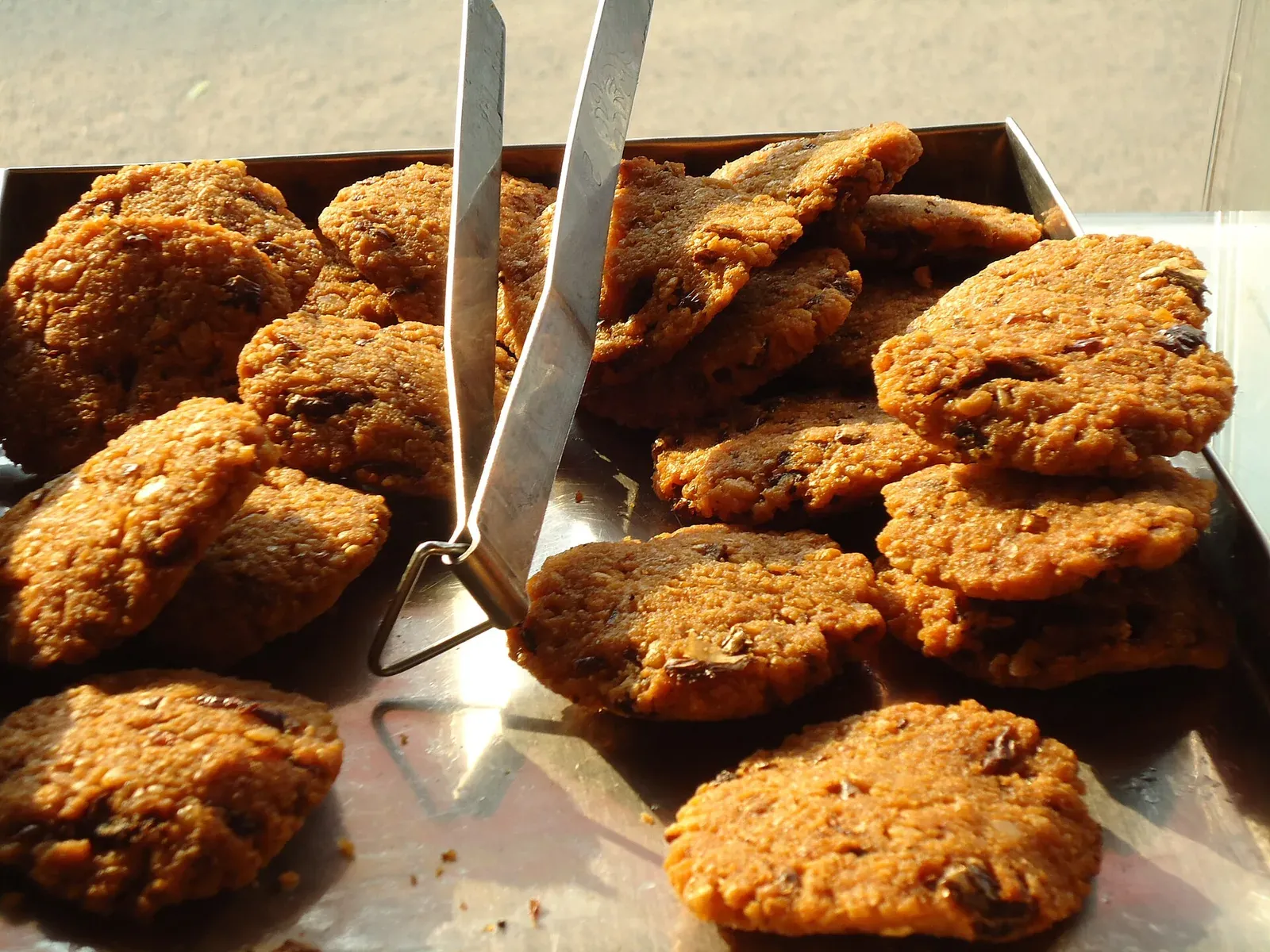
- Vadai: crispy lentil fritters.
- Sambar: a tangy lentil and vegetable stew.
- Vegetarian thali: a platter of rice with many small vegetable dishes.
Many Hindu restaurants are fully vegetarian. See the best things to do in Jaffna and our Jaffna tour.
The hidden ingredient: Maldive fish
Maldive fish (umbalakada) is dried, cured tuna, flaked and used as a seasoning in many Sri Lankan dishes. It's often added to:
- Pol sambol (coconut sambol)
- Katta sambol and lunu miris (chilli relishes)
- Seeni sambol (sweet onion relish)
- Some vegetable curries, and occasionally dhal
Because it's used as a seasoning, some cooks don't think of it as fish. Always ask specifically, and say "no Maldive fish".
Tips for vegans
Sri Lanka is also good for vegans, but watch out for:
- Ghee: clarified butter, used in some Tamil and Ayurvedic cooking.
- Milk: in milk rice (kiribath), milk tea and some desserts.
- Curd: buffalo curd (meekiri) is served with treacle as a dessert.
- Egg: in egg hoppers, many kottus and some rotis.
- Shared griddles: kottu may be cooked on the same griddle as meat.
Coconut milk is used far more than dairy in curries, which makes many dishes naturally vegan. Fresh fruit, king coconuts and fruit juices are everywhere.
Useful phrases
These phrases come from travel guides. A Sri Lankan friend, guide or hotel staff can help you say them correctly.
Sinhala
- *Mama mas kanne naha*: I don't eat meat.
- *Malu kanne naha*: I don't eat fish.
- *Mas epa, malu epa*: no meat, no fish.
- *Bittara epa*: no egg.
- *Kiri epa*: no milk.
- *Umbalakada epa*: no Maldive fish.
Tamil
- *Nān saivam*: I am vegetarian.
- *Nān māmisam sāppiduvathu illai*: I don't eat meat.
- *Nān meen sāppiduvathu illai*: I don't eat fish.
- *Nān muttai sāppiduvathu illai*: I don't eat eggs.
In tourist areas, many restaurant staff speak English, and "vegetarian, no fish, no Maldive fish" is usually understood.
Where to eat
- Local rice and curry restaurants: often the best value and widest choice of vegetable dishes, especially at lunchtime.
- Hindu and Tamil vegetarian restaurants: in Jaffna, Colombo's Tamil areas and hill country towns.
- Beach and hill town cafés: in places such as Ella, Mirissa, Weligama, Hiriketiya and Arugam Bay, cafés often have clearly marked vegetarian and vegan dishes.
- Guesthouses: home cooks are usually happy to prepare vegetarian or vegan meals if you ask in advance.
- Ayurvedic retreats: often serve vegetarian menus. See Ayurveda in Sri Lanka and our wellness tour.
Vegetarian travel with a private driver
If you travel with one of our drivers, they can help you order, explain dishes, check for Maldive fish and take you to trusted local restaurants for vegetarian rice and curry. Our food tour can also be planned as fully vegetarian. Tell us your dietary needs when you book, and we'll pass them on to your hotels. See how to book.
Travelling with dietary needs: tips
- Tell your hotels in advance, especially guesthouses and homestays.
- Learn two or three phrases, or show a note written in Sinhala and Tamil.
- Ask about Maldive fish every time you order sambol.
- Choose lunch for rice and curry, when the choice is widest.
- Carry snacks for long travel days, such as nuts, fruit and biscuits.
- Use halal or vegetarian options where clearly marked.
Travelling with a halal diet too? See our halal tour.
Cooking classes
A cooking class is a great way to learn how to make vegetarian Sri Lankan curries at home. Many classes in Ella, Kandy, Galle and the south coast can be fully vegetarian or vegan. See food and cooking.
A typical vegetarian day in Sri Lanka
- Breakfast: string hoppers or pittu with dhal and coconut sambol (no Maldive fish), or a plate of fresh tropical fruit.
- Mid-morning: a king coconut from a roadside stall.
- Lunch: vegetarian rice and curry with dhal, a vegetable curry, a green salad and poppadoms.
- Afternoon: a cup of Ceylon tea with vegetable roti or a vadai.
- Dinner: hoppers or vegetable kottu, or a dosa in a Tamil restaurant.
Vegetables you'll meet in Sri Lankan curries
| Vegetable | How it's often cooked |
|---|---|
| Pumpkin | A sweet, mild curry with coconut milk |
| Beetroot | A bright red curry, often with a little sugar |
| Okra (bandakka) | Fried or curried |
| Aubergine (wambatu) | Fried and cooked as a sweet-sour moju |
| Green beans | A dry curry with coconut |
| Cashew nuts | A rich white curry, often for celebrations |
| Banana flower | Fried or curried |
| Bitter gourd (karavila) | A salad or a curry |
Each region and family has its own way of cooking these vegetables, so you'll taste many versions as you travel.
Fruit and sweets
Sri Lanka's fruit is a highlight for every traveller: mango, pineapple, papaya, banana, rambutan, mangosteen, passion fruit, wood apple and more, depending on the season. Fresh fruit juices are easy to find in towns.
Sweets include:
- Wattalapam: a coconut custard with jaggery and spices. It usually contains egg.
- Kavum and kokis: fried treats eaten especially at the Sinhala and Tamil New Year.
- Curd and treacle: buffalo curd with kitul palm syrup. Not suitable for vegans.
Eating in Kandy and the hill country
The hill country has plenty of vegetarian food, especially rice and curry. Hill country vegetables, such as carrots, leeks and cabbage, are fresh and often grown nearby. In Nuwara Eliya and Ella, cafés often have clearly marked vegetarian and vegan options. See things to do in Kandy and things to do in Ella.
Eating on the south coast
Seafood dominates many menus on the coast, but local restaurants still serve vegetarian rice and curry, and beach cafés often have vegan bowls, salads and smoothies. Ask about fish sauce and Maldive fish. See things to do in Galle.
Food safety tips
- Eat where it's busy, where food is freshly cooked.
- Choose hot, freshly cooked dishes over food that has been sitting out.
- Drink bottled or filtered water, and avoid ice where you're unsure of its source.
- Peel fruit or wash it in clean water.
- Carry hand sanitiser, as many Sri Lankans eat with their right hand.
Eating with your hand
Many Sri Lankans eat rice and curry with their right hand, mixing a little rice with each curry. It's fine to ask for a spoon and fork, which are always available. If you'd like to try eating with your hand, use only your right hand, and wash before and after the meal.
Vegetarian cooking with locals
One of the best ways to eat well as a vegetarian is to eat with a family. Village tours and homestays often include a home-cooked lunch of rice and curry, made with vegetables picked from the garden that morning. Tell your hosts in advance that you're vegetarian or vegan, and they'll be happy to cook for you. See our Habarana village tour and Sigiriya village tour.
Common mistakes to avoid
- Assuming sambol is vegetarian. It often contains Maldive fish.
- Forgetting to mention egg if you're vegan. Kottu and hoppers often include it.
- Only eating at hotels. Local rice and curry restaurants often have more vegetarian choice.
- Not telling your guesthouse in advance. Home cooks are happy to adapt if they know.
Related guides
Frequently asked questions
Is Sri Lanka good for vegetarians?
Yes. Rice and curry is mostly vegetables and lentils, and many dishes are naturally vegetarian.
Is Sri Lanka good for vegans?
Yes, with care. Many curries use coconut milk instead of dairy, but ask about ghee, milk, curd, egg and Maldive fish.
What is Maldive fish?
Dried, cured tuna flakes used as a seasoning in sambols and some curries. Always ask for dishes without it.
What vegetarian dishes should I try in Sri Lanka?
Dhal, jackfruit curry, hoppers, string hoppers, vegetable kottu, gotu kola sambol and pol roti.
Is pol sambol vegetarian?
Not always. It's often made with Maldive fish, so ask for it without.
How do I say "I am vegetarian" in Sinhala?
A common phrase is "mama mas kanne naha" (I don't eat meat). Add "malu kanne naha" for no fish.
How do I say "I am vegetarian" in Tamil?
"Nān saivam."
Where can I find vegetarian food in Sri Lanka?
Local rice and curry restaurants, Hindu and Tamil vegetarian restaurants, cafés in tourist towns, and guesthouses.
Is kottu vegetarian?
Vegetable kottu is, but it may include egg and be cooked on a shared griddle. Ask.
Can my hotel make vegetarian food?
Usually yes. Tell them in advance, especially in guesthouses and smaller hotels.
Photo sources
- Parippu vadai, Sri Lankan lentil fritters — RanjithSiji · CC BY 3.0 · https://commons.wikimedia.org/wiki/File:Parippuvada.JPG