
Quick answer
Pigeon Island National Park is a small marine national park about a kilometre off Nilaveli Beach, north of Trincomalee, on Sri Lanka's east coast. It is one of the best places in the country for snorkelling, with coral reefs, colourful fish, sea turtles and blacktip reef sharks in shallow water. You reach it by a short boat ride from Nilaveli. The best time to visit is from about April to September, when the sea is calm. Go early in the morning to beat the crowds, and never touch or stand on the coral.
Pigeon Island is one of the highlights of Sri Lanka's east coast. Within minutes of leaving the beach, you can be floating over coral gardens and swimming beside turtles and small reef sharks. This guide covers how to get there, the best time to visit, what you will see and how to protect this fragile reef.
Pigeon Island at a glance
| Location | About 1 km off Nilaveli Beach, north of Trincomalee |
| Type | Marine national park |
| Best for | Snorkelling, swimming, beach time |
| Best time | About April to September |
| Getting there | Short boat ride from Nilaveli Beach |
| Time needed | Half a day |
About Pigeon Island
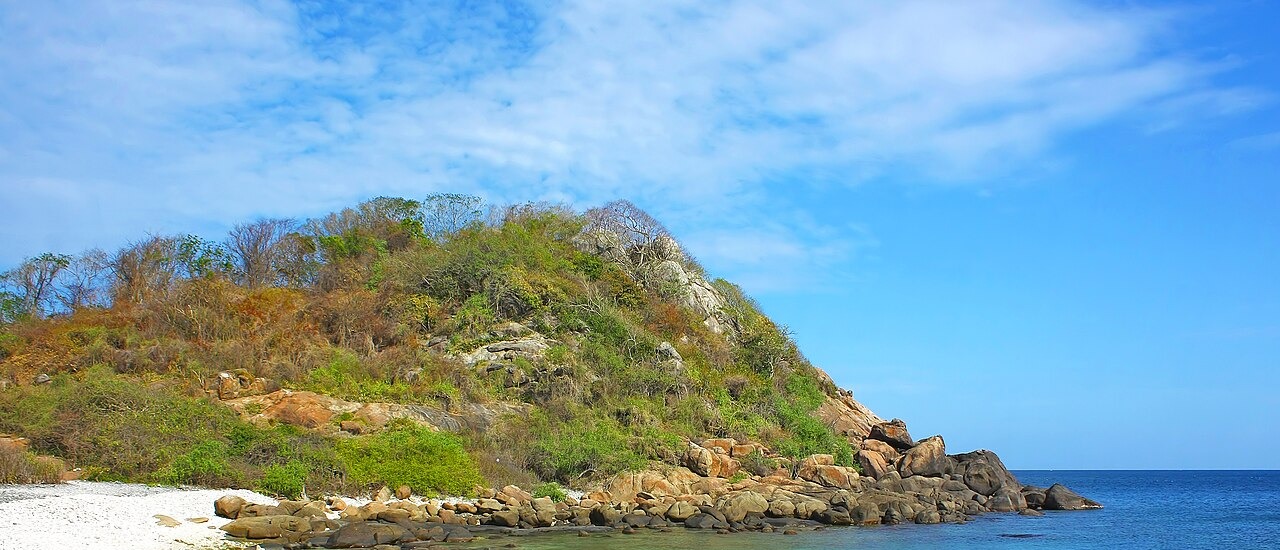
Pigeon Island National Park is made up of two small islands, known as the large and small Pigeon Island, and the coral reef around them. The park takes its name from the rock pigeons that nest on the islands. It was declared a national park in 2003 and protects the islands and surrounding reef habitat.
The larger island has a small rocky beach where boats land, a coral reef just offshore, and a short path to a viewpoint over the sea and coast. The reef around the islands is one of the best-preserved coral areas in Sri Lanka, though, like reefs worldwide, it has been affected by coral bleaching and needs careful protection.
What you can see
Coral gardens
In the shallow water around the island, you will see hard and soft corals in many shapes, from branching staghorn corals to brain corals and table corals.
Reef fish
The reef is home to hundreds of species of colourful fish, including parrotfish, butterflyfish, angelfish, surgeonfish, clownfish and shoals of small silver fish.
Blacktip reef sharks
Small blacktip reef sharks are often seen in shallow water near the beach. They are wild animals: keep your distance, do not feed or approach them and follow ranger and guide instructions. Seeing one is often the highlight of a visit.
Sea turtles
Green and hawksbill turtles are sometimes seen feeding on the reef. Keep your distance and never touch or chase them.
Birds
The rock pigeons that give the island its name nest on the rocks, and you may see seabirds flying overhead.
How to get to Pigeon Island
Step 1: get to Nilaveli
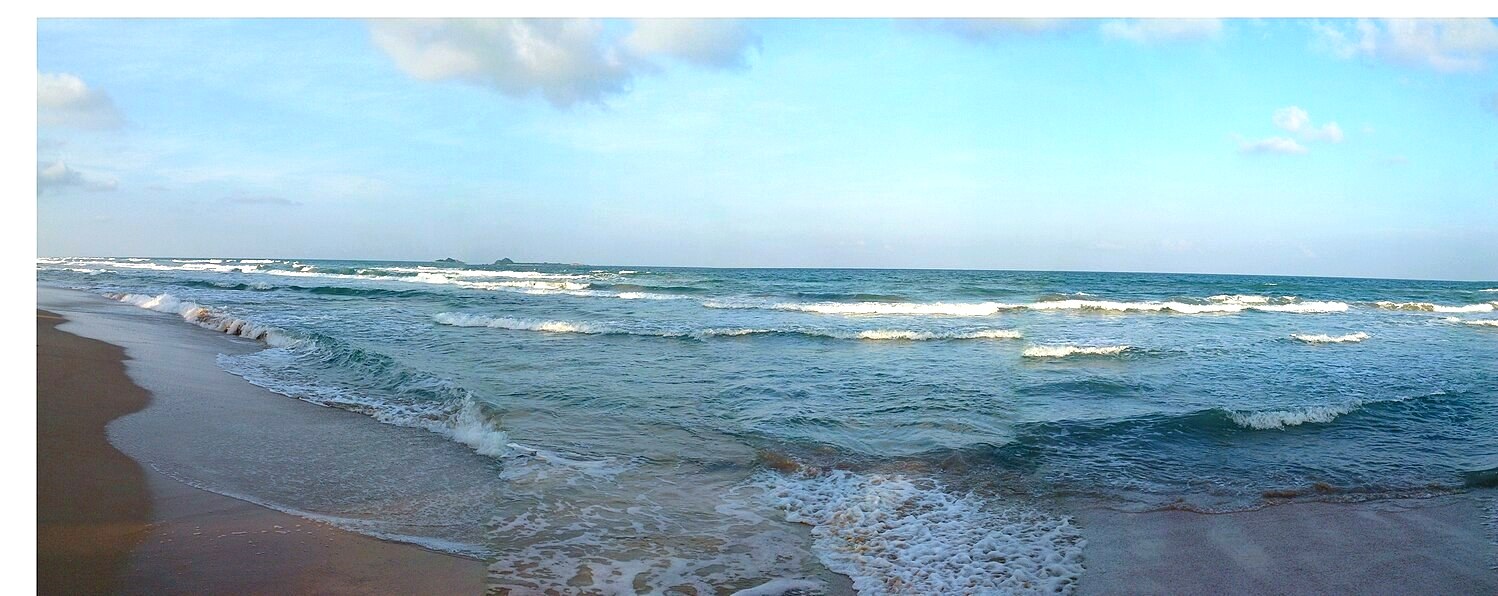
Pigeon Island is reached from Nilaveli Beach, about 20 to 30 minutes' drive north of Trincomalee town. Most visitors stay in Nilaveli or Uppuveli. See our guides to getting from Colombo to Trincomalee and from Sigiriya to Trincomalee.
Step 2: buy your park ticket and arrange a boat
You need a national park ticket and a boat. Boats leave from Nilaveli Beach, where local boatmen and hotels arrange trips. Your hotel, driver or guide can help you organise both. Ticket prices for foreign visitors are set by the Department of Wildlife Conservation and can change, so check the current fee. See our guide to entry fees in Sri Lanka.
Step 3: take the boat
The boat ride across to the island takes only around 10 to 15 minutes. Your boatman will wait and bring you back at an agreed time.
When to visit Pigeon Island
The best time to visit is from about April to September, during the east coast dry season, when the sea is usually calm and clear. Visibility is often best from about May to August.
From about November to March, the north-east monsoon brings rough seas and rain to the east coast. Boats may not run, and the park may close for part of this time. Read our guide to the best time to visit Sri Lanka.
Best time of day
Go as early as possible. In the morning, the sea is usually calmer, the light is better for seeing the reef, and you arrive before the day-trip crowds. By late morning, especially on weekends and public holidays, the small beach can be busy.
Snorkelling at Pigeon Island
The snorkelling area is just off the main beach, so you can swim straight out from the shore. The coral starts in shallow water, so take care not to stand on it.
Snorkelling tips
- Bring or hire good snorkelling gear. Masks and fins can be hired near Nilaveli, but bringing your own mask ensures a good fit.
- Wear a life jacket if you are not a strong swimmer. Many boatmen provide them.
- Float, don't stand. Standing on coral kills it, and the rough coral can cut your feet.
- Stay within the marked area, if there is one, and follow the rangers' instructions.
- Watch the currents. Stay close to the beach and your group.
Read more about snorkelling in Sri Lanka and coral reefs in Sri Lanka.
Diving near Pigeon Island
Dive centres in Nilaveli and Uppuveli offer scuba diving trips around Pigeon Island and other sites near Trincomalee, in season. Diving lets you explore deeper parts of the reef. If you are new to diving, some centres offer introductory dives and courses. See scuba diving in Sri Lanka.
Protecting the reef
Pigeon Island is a protected national park, and its reef is fragile. Please help to keep it healthy:
- Never touch, stand on or take coral, shells or animals.
- Don't feed the fish.
- Use reef-safe sunscreen, or wear a rash vest to reduce how much sunscreen you need.
- Keep your distance from sharks and turtles, and never chase or touch them.
- Take all your rubbish home. There are no bins on the island, and plastic harms marine life.
- Don't bring alcohol or food that could create litter.
Read our responsible travel guide.
What to bring
- Swimwear and a towel
- A mask, snorkel and fins, if you have them
- A rash vest or T-shirt for sun protection while snorkelling
- Reef-safe sunscreen, a hat and sunglasses
- Plenty of drinking water
- Water shoes for the rocky beach
- A waterproof bag for your phone and money
- Cash for tickets and the boat. See money in Sri Lanka
There are few, if any, facilities on the island, so bring what you need.
Is Pigeon Island good for families?
Yes, for families who can swim. The shallow reef is close to the beach, and children usually love seeing fish and sharks. Young or weak swimmers should wear a life jacket and stay with an adult. The beach is rocky and coral can be sharp, so water shoes help. See our guide to Sri Lanka with kids.
Other things to do near Pigeon Island
- Relax on Nilaveli and Uppuveli beaches, with long stretches of soft sand.
- Visit Koneswaram Temple on Swami Rock in Trincomalee, high above the sea.
- Explore Fort Frederick, where spotted deer wander among the buildings.
- Go whale and dolphin watching from Trincomalee in season. See whale watching in Sri Lanka and dolphin watching.
Our list of the best things to do in Trincomalee covers more ideas.
Combining Pigeon Island with your trip
Trincomalee is easy to add to a tour of the Cultural Triangle, as it is only around two and a half to three hours from Sigiriya by car. From Trincomalee, you can continue south along the east coast to Pasikuda and Arugam Bay, or north to Jaffna. Our east coast and north tour and beach holidays can include Pigeon Island. For more beach ideas, see the best beaches in Sri Lanka and our beaches page.
A sample day
- 7:00 am: breakfast at your hotel in Nilaveli.
- 7:30 am: buy your park ticket and take the boat to Pigeon Island.
- 8:00–11:00 am: snorkel, swim and walk up to the viewpoint.
- 11:30 am: return to Nilaveli for lunch.
- Afternoon: rest during the heat, then visit Koneswaram Temple for sunset.
Common mistakes to avoid
- Arriving late. By late morning, the beach is busy and the sea can be choppier.
- Visiting in the monsoon. From about November to March, boats may not run.
- Standing on the coral. It damages the reef and can cut your feet.
- Forgetting water and sun protection. There is little shade on the island.
Frequently asked questions
Where is Pigeon Island?
About a kilometre off Nilaveli Beach, north of Trincomalee, on Sri Lanka's east coast.
How do you get to Pigeon Island?
By a short boat ride from Nilaveli Beach, after buying a national park ticket.
When is the best time to visit Pigeon Island?
From about April to September, when the sea is calm. Go early in the morning.
Can you see sharks at Pigeon Island?
Blacktip reef sharks may be seen, but sightings are not guaranteed. Keep your distance, never feed or chase them and follow the ranger's instructions.
Is Pigeon Island good for snorkelling?
Yes. It is one of the best places for snorkelling in Sri Lanka.
Can you stay overnight on Pigeon Island?
No. It is a protected national park, and visits are during the day only.
Photo sources
- Panoramic view of waves washing onto Nilaveli Beach beneath a blue, cloud-dotted sky. — Fazulrahman2020 / Wikimedia Commons · CC BY-SA 4.0 · https://commons.wikimedia.org/wiki/File:NILAWELI_BEACH.jpg
- Pigeon Island National Park rocky shoreline and island vegetation near Nilaveli, Sri Lanka — AntanO · cropped to island scenery · CC BY-SA 4.0 · https://commons.wikimedia.org/wiki/File:Pigeon_Island_National_Park,_Trincomalee.jpg