
Quick answer
The best things to do in Trincomalee are snorkelling at Pigeon Island, relaxing on Nilaveli and Uppuveli beaches, watching the sunset from Koneswaram Temple on Swami Rock, exploring Fort Frederick, and going whale and dolphin watching in season. Add the Kanniya hot wells, the Commonwealth War Cemetery and the ancient temple at Velgam Vehera for a mix of nature, history and culture. The best time to visit is from about May to September.
Trincomalee, often called Trinco, sits on Sri Lanka's north-east coast beside one of the world's finest natural harbours. For an overview of the town, including how to get there and when to go, see our Trincomalee travel guide. This list focuses on the best experiences.
Temples, history and the town
1. Koneswaram Temple and Swami Rock
Koneswaram is one of the most important Hindu temples in Sri Lanka, dedicated to Lord Shiva. It stands high on Swami Rock, a cliff that drops straight into the sea. The original ancient temple was destroyed in the colonial period, and the temple you see today was rebuilt in the twentieth century. Visit in the late afternoon, when the light is soft and you may see families making offerings. The cliff edge is a popular sunset spot. Dress modestly and remove your shoes before entering. See what to wear at Sri Lankan temples.
2. Fort Frederick
The road to Koneswaram passes through Fort Frederick, built by the Portuguese and later taken over by the Dutch and the British. Parts of the fort are still used by the military, so some areas are closed, but you can walk along the road inside the walls. Look out for spotted deer, which wander freely among the trees.
3. Sri Pathirakali Amman Kovil
This colourful Hindu temple near the fort is decorated with bright, detailed carvings. It is a lively place of worship and gives a good sense of Trincomalee's strong Tamil culture.
4. Trincomalee War Cemetery
The Commonwealth War Cemetery, north of town on the road to Uppuveli, holds the graves of soldiers, sailors and airmen who died in and around Trincomalee during the Second World War. It is beautifully kept and very peaceful. Many visitors find it a moving stop.
5. Velgam Vehera
Velgam Vehera is an ancient Buddhist temple site among the trees, a short drive from town. It is known for inscriptions that reflect both Sinhalese and Tamil heritage. It is quiet and rarely busy.
6. Kanniya Hot Wells
A short drive from town, the Kanniya hot wells are a group of small wells, each with water at a slightly different temperature. Local people and pilgrims pour buckets of water over themselves here. It is an interesting, unusual stop for a short visit.
7. The market and harbour front
Walk through the town centre to see the fish market, small shops and the harbour. Trincomalee's natural harbour has been important for centuries, and boats come and go throughout the day.
Beaches and the sea
8. Nilaveli Beach
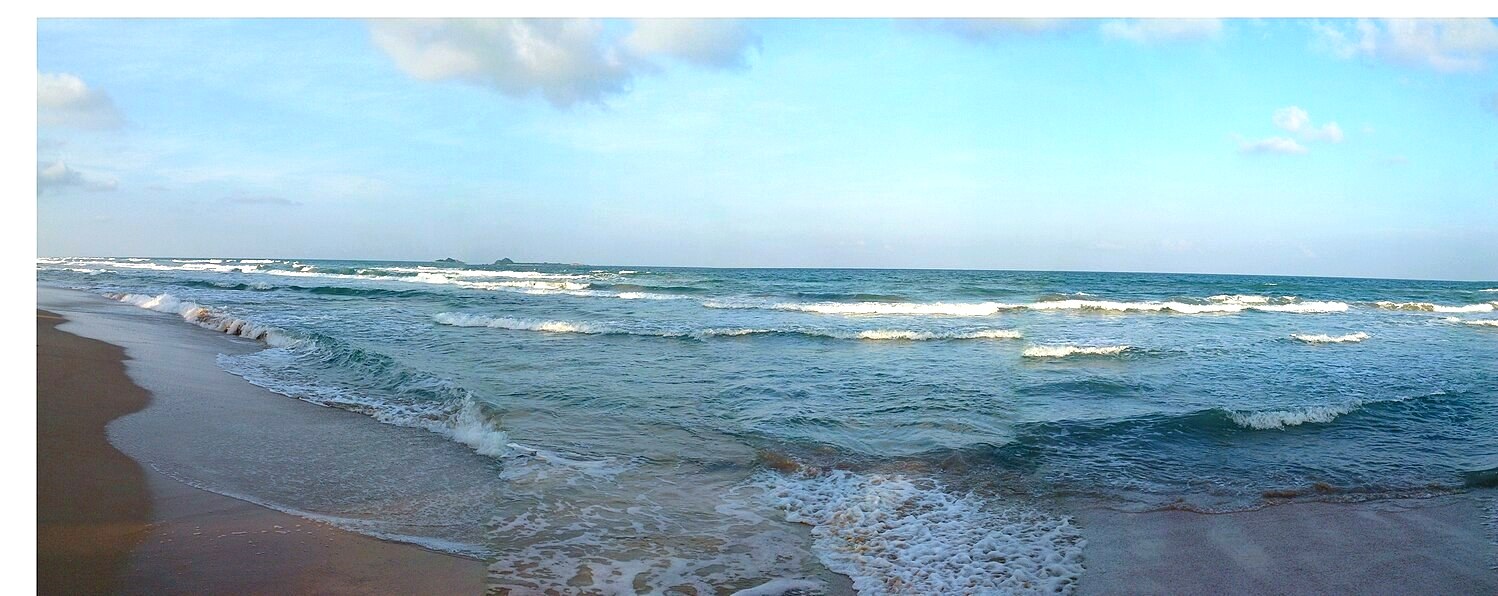
Nilaveli Beach has long stretches of soft sand and clear water, about half an hour north of town. It is quieter than Uppuveli and the jumping-off point for Pigeon Island.
9. Uppuveli Beach
Uppuveli, just north of town, is the most popular base for visitors, with guesthouses, beach restaurants and a relaxed atmosphere. It is a good choice if you want to be close to both the beach and the town.
10. Snorkelling at Pigeon Island
Pigeon Island National Park, a short boat ride from Nilaveli, is one of the best snorkelling spots in Sri Lanka. In calm conditions, you can see coral, reef fish, turtles and black-tip reef sharks. Go early to avoid the crowds, and never touch or stand on the coral. Read about snorkeling in Sri Lanka and coral reefs in Sri Lanka.
11. Marble Beach
Marble Beach is a beautiful, sheltered bay south of Trincomalee, managed by the Sri Lanka Air Force. The bay may look calm, but swimming depends on currents, weather and local restrictions. Check conditions and warning flags before entering. An entry ticket is usually required.
12. Whale and dolphin watching
Deep water comes close to the shore off Trincomalee, which makes it a good place for whale and dolphin watching in the east coast season. Choose an operator who keeps a respectful distance and does not chase the animals. Read about dolphin watching in Sri Lanka and whale watching in Sri Lanka.
13. Scuba diving
Trincomalee has reefs, rocky dive sites and wrecks, with dive centres operating in the east coast season. Beginners can take a try-dive or a full course. See scuba diving in Sri Lanka and shipwreck diving.
Further afield
14. Kuchchaveli and the quieter coast
North of Nilaveli, the coast around Kuchchaveli is even quieter, with long, empty beaches and a few small hotels. It is ideal if you want to get away from it all.
15. A day trip to the Cultural Triangle
Trincomalee is close enough to the Cultural Triangle for a long day trip. You can take an afternoon elephant safari in Minneriya or Kaudulla, or visit the ancient city of Polonnaruwa. Read about the Elephant Gathering.
How many days do you need in Trincomalee?
Two to four nights is ideal. That gives you time for Pigeon Island, a temple visit, a whale or dolphin trip in season and plenty of beach time. If you are diving, allow more.
Best time to visit Trincomalee
The best time is from about May to September, when the east coast has calm seas and sunny weather. This is the opposite of the south and west coasts, so Trincomalee is a great beach choice for a summer trip. From about November to January, the north-east monsoon brings rain and rougher seas. Read our guide to the best time to visit Sri Lanka.
Getting to Trincomalee
Most visitors arrive by road from Colombo or the Cultural Triangle. See our guide to getting from Colombo to Trincomalee, including trains and buses. A private driver makes it easy to combine Trincomalee with Sigiriya, Pasikuda or Jaffna.
Where to stay
Most travellers stay at Uppuveli or Nilaveli. Uppuveli is livelier and closer to town, while Nilaveli is quieter with a longer beach. See our guide to where to stay in Sri Lanka.
Combining Trincomalee with the rest of the east coast
Trincomalee pairs well with Pasikuda, known for its calm, shallow water, and Arugam Bay, Sri Lanka's best-known surf town. You can also head north to Jaffna. Our east coast and north tour brings these places together.
Tips for visiting Trincomalee
- Go to Pigeon Island early for calmer water and fewer people.
- Dress modestly in town and at temples, as Trincomalee is a traditional, multi-faith town.
- Use reef-safe sunscreen and never touch coral.
- Carry cash, as smaller places may not take cards. See money in Sri Lanka.
- Check sea conditions before boat trips.
A suggested three-day plan
Day 1: Arrival and the town
Arrive in the afternoon and check in at Uppuveli or Nilaveli. In the late afternoon, drive into town, pass through Fort Frederick and watch the sunset from Swami Rock at Koneswaram Temple.
Day 2: Pigeon Island and the beach
Take an early boat to Pigeon Island to snorkel before the crowds arrive. Spend the afternoon relaxing on Nilaveli Beach. In the evening, enjoy a seafood dinner by the sea.
Day 3: Whales, history and hot wells
In season, join a morning whale and dolphin watching trip. In the afternoon, visit the Commonwealth War Cemetery and the Kanniya hot wells, or relax at Marble Beach. If you have more time, add a dive day, a visit to Velgam Vehera or a day trip to the Cultural Triangle.
Common mistakes to avoid
- Visiting in the north-east monsoon. From about November to January, boat trips are limited and the sea can be rough.
- Arriving at Pigeon Island late. By late morning, it can be crowded and the water less clear.
- Touching the coral. Coral is alive and easily damaged. Float, look and never stand on it.
- Forgetting modest clothing for temples and the town.
Conditions and safe access
Check sea conditions, currents, warning flags, site access and boat operators before activities. Shallow or calm-looking water does not establish safe swimming. Keep away from wildlife and lagoon edges; sightings are never guaranteed. Ask an instructor which surf break suits your ability, and return from remote viewpoints well before dark.
Plan sea activities with a flexible spare day
Choose a base according to your priorities: Uppuveli for easier access to town facilities, Nilaveli for a quieter beach stay and trips towards Pigeon Island. Your actual hotel location matters more than the place name alone. Reserve a land-based option such as heritage sightseeing for a day when boat trips are unsuitable rather than promising snorkeling on a fixed date.
Before an island or wildlife boat trip, confirm the authorised operator, park access where relevant, fitted lifejackets, weather decision and how cancellations are handled. Tell the operator about swimming ability, children and health needs. Stay off coral and never pursue marine wildlife. Seasonal descriptions do not guarantee calm water, visibility or sightings; follow current local advice and warning flags.
Turn your activity choices into a workable holiday
Choose two or three priorities from the guide before deciding how many nights to stay. Add arrival and departure travel separately and leave time for meals, rest and weather changes. A private driver helps with road connections; guided visits, boat trips, lessons and activity tickets need their own confirmation. If you already have hotels, share their exact addresses so suggested days do not depend on unrealistic pickup distances.
Ask for either a local excursion, transport for selected days or a complete private holiday. Make that distinction clear in your WhatsApp request and include dates, travellers, children’s ages and your preferred pace. The written quote should identify the actual services and exclusions. Avoid booking a fixed-time activity immediately after a long transfer, and do not treat wildlife encounters, clear views or sea conditions as guaranteed.
Frequently asked questions
What is Trincomalee famous for?
Its natural harbour, beaches at Nilaveli and Uppuveli, Pigeon Island and Koneswaram Temple on Swami Rock.
What is the best thing to do in Trincomalee?
Choose Pigeon Island snorkeling if conditions and swimming ability allow, or combine beaches with Koneswaram Temple and town heritage. There is no single best activity for everyone.
When is the best time to visit Trincomalee?
May to September often brings more favourable east-coast beach weather. Sea conditions, visibility and boat access still need checking locally.
How many days should I spend in Trincomalee?
Two to four nights is ideal.
Can you see whales in Trincomalee?
Yes, in the east coast season, on boat trips with responsible operators. Sightings are never guaranteed.
Is Uppuveli or Nilaveli better?
Uppuveli is livelier and closer to town; Nilaveli is quieter with a longer beach and easy access to Pigeon Island.
Is Trincomalee good for families?
It can suit families, with beaches and heritage visits chosen for the group. Check swimming conditions, fitted lifejackets and activity suitability rather than assuming calm or safe water.
Is snorkeling suitable for every child or non-swimmer?
Not automatically. Discuss swimming ability, age, fitted safety equipment and conditions with the operator; use a land-based alternative when the trip is unsuitable.
Do I need to book every activity in advance?
Prioritise activities that need reserved places, permits, equipment or a guide. Check current availability and keep weather-dependent activities flexible.
Does a private driver include activity tickets and guides?
Not automatically. Ask for entrance tickets, site guides, lessons and boat or safari services to be listed separately in the quote.
How do I request help planning these activities?
Send dates, hotel addresses, travellers, preferred activities and whether you want local transport, guided excursions or a complete private tour.
Photo sources
- Panoramic view of waves washing onto Nilaveli Beach beneath a blue, cloud-dotted sky. — Fazulrahman2020 / Wikimedia Commons · CC BY-SA 4.0 · https://commons.wikimedia.org/wiki/File:NILAWELI_BEACH.jpg
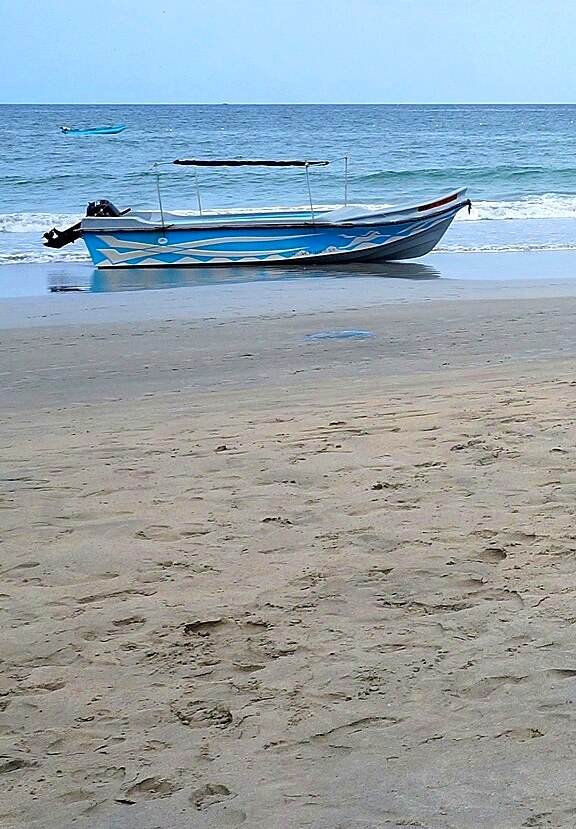
- Fishing boat on an empty stretch of Trincomalee beach — PIERRE ANDRE LECLERCQ · CC BY-SA 4.0 · https://commons.wikimedia.org/wiki/File:Les_pecheurs_de_la_plage_de_Trincomalee_(2).jpg