
Quick answer
The best places for kayaking in Sri Lanka are the calm rivers and lagoons of the south-west coast, such as the Bentota River and the Madu Ganga near Balapitiya; the lagoons around Negombo and Kalpitiya on the west coast; Koggala Lake near Galle; and the Kelani River at Kitulgala. Most trips are gentle paddles through mangroves, past small islands and villages, with plenty of birds and monitor lizards. Early morning and late afternoon are the best times. Some guided flat-water trips accept beginners; confirm route difficulty, equipment, swimming requirements and availability locally.
Kayaking is one of the most peaceful ways to explore Sri Lanka. Gliding through quiet mangrove channels, you hear birdsong instead of traffic, and you see a side of the country that most visitors miss. This guide explains where to go, what to expect and how to plan a kayaking trip.
Why go kayaking in Sri Lanka?
- Calm water: many rivers and lagoons are sheltered and flat, perfect for beginners.
- Wildlife: kingfishers, herons, egrets, monitor lizards and sometimes crocodiles live along the banks.
- Mangroves: paddle through tunnels of mangrove roots, home to fish, crabs and birds.
- Village life: pass fishermen, small temples and riverside homes.
- Easy access: most kayaking areas are close to popular beach towns.
The best places for kayaking in Sri Lanka
Bentota River
The Bentota River flows into the sea at Bentota, on the south-west coast. Its wide, calm waters and mangrove-lined banks are ideal for kayaking. You can paddle upstream past small islands, quiet villages and cinnamon gardens. Bentota is one of Sri Lanka's best-known areas for water sports, so kayak hire and guided trips are easy to find.
Madu Ganga, Balapitiya
Just south of Bentota, the Madu Ganga is a large river and lagoon dotted with small islands. Its mangrove wetlands are an important protected area. Many visitors join a boat trip here, but kayaking lets you explore quietly at your own pace, slipping through narrow mangrove channels. Look out for the island temple and the cinnamon island, where you can see cinnamon being peeled by hand.
Negombo lagoon
The large lagoon at Negombo, close to the international airport, is a great first or last activity of your trip. You can paddle past fishing boats and mangroves, and see the lagoon's fishing life. The Hamilton Canal, built in the Dutch and British colonial periods, runs nearby. See our list of the best things to do in Negombo.
Kalpitiya lagoon
On the north-west coast, Kalpitiya has a large, shallow lagoon with mangroves, small islands and plenty of birdlife. It is best known for kitesurfing and dolphin watching, and kayaking is a quieter way to explore the lagoon. See kitesurfing in Sri Lanka and dolphin watching in Sri Lanka.
Koggala Lake
Near Galle, Koggala Lake is a large coastal lake with small islands, one with a Buddhist temple and another with a cinnamon garden. A paddle here combines easily with a visit to Galle Fort and the south coast beaches. See our list of things to do in Galle.
Kitulgala and the Kelani River
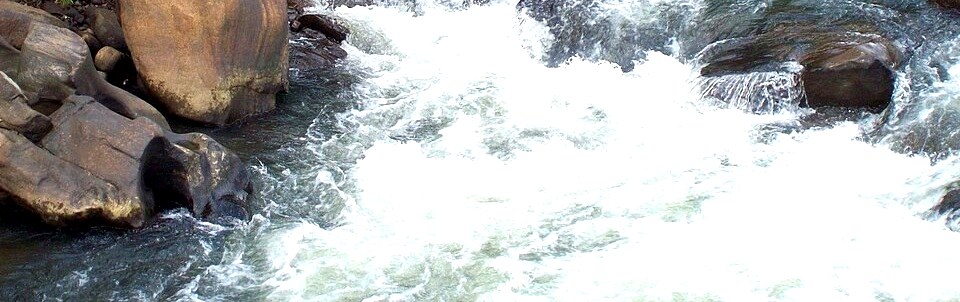
In Kitulgala, some adventure companies offer river kayaking on the Kelani River, from calm stretches for beginners to more lively water for experienced paddlers. It combines well with white-water rafting and canyoning.
Lagoons on the east coast
On the east coast, the lagoons near Arugam Bay and Trincomalee are lovely in the dry season, from about April to September. In Arugam Bay, trips on Pottuvil lagoon are usually by traditional canoe with a local guide. See our list of the best things to do in Arugam Bay.
Read more about the island's lagoons.
Types of kayaking trips
Guided lagoon and mangrove trips
The most popular choice. A local guide leads you through the channels, points out wildlife and explains local life. Trips usually take around two to three hours.
Self-guided kayak hire
In some places, such as Bentota, you can hire a kayak by the hour and explore on your own. Ask about the area you can paddle in, and stay away from the river mouth and the sea.
Sunrise and sunset paddles
Early morning and late afternoon are the best times to kayak. The light is soft, the water is calm, birds are active and it is cooler.
River kayaking
On the Kelani River at Kitulgala, kayaking is more adventurous, with moving water. Trips are guided, and beginners start on calm sections.
Do you need experience?
No. Most kayaking in Sri Lanka is on flat, sheltered water, and beginners are welcome. Guides will show you how to paddle and steer. Sit-on-top kayaks, which are stable and easy to get on and off, are often used. Double kayaks are popular with couples and parents with children.
Confirm swimming requirements and that the operator supplies a properly fitted life jacket; wear it throughout the trip. River kayaking on moving water is more demanding, so tell the operator about your experience.
When to go
You can kayak in Sri Lanka all year, but the best area depends on the monsoons:
- West and south coasts (Bentota, Madu Ganga, Negombo, Koggala): usually best from about November to April.
- East coast (Arugam Bay, Trincomalee): usually best from about April to September.
- Kalpitiya: often good from about December to April, outside the strongest winds of the kite season.
- Kitulgala: depends on water levels. Drier periods are best.
Read our guide to the best time to visit Sri Lanka.
What to wear and bring
- Light, quick-drying clothes or swimwear
- A sun hat, sunglasses and plenty of sunscreen. The sun reflects off the water
- Insect repellent for mangroves
- A water bottle
- A waterproof bag or phone case for your phone and camera
- Sandals or water shoes
Safety tips
- Always wear your life jacket.
- Stay away from river mouths and the open sea, where currents can be strong.
- Keep your distance from crocodiles and don't trail your hands in the water in areas where they live. Follow your guide's advice.
- Avoid the midday heat. Paddle early or late.
- Don't go out in storms. Afternoon thunderstorms are common in some months.
- Check your travel insurance covers water sports. Our tours do not include insurance.
Respecting the mangroves
Sri Lanka's mangroves protect the coast, filter water and provide nurseries for fish. When you paddle:
- Don't break branches or pull up plants.
- Keep noise down to avoid disturbing birds and animals.
- Take all your rubbish with you.
- Choose operators who respect the environment and employ local people.
Read our responsible travel guide.
Adding kayaking to your trip
Kayaking fits easily into a beach holiday. Here are some ideas:
- Arrival or departure day: a paddle on Negombo lagoon, close to the airport.
- On the south-west coast: a morning on the Bentota River or Madu Ganga, then an afternoon on the beach.
- Near Galle: a sunset paddle on Koggala Lake after exploring Galle Fort.
- In the hills: kayaking, rafting and canyoning in Kitulgala on the way to the tea country.
Our beach holidays, adventure tour and family tour can all include kayaking. A private driver can take you to the best spots and wait while you paddle.
Kayaking for families
Calm lagoon trips are a great family activity. Children can share a double kayak with a parent, and spotting monitor lizards and kingfishers keeps everyone interested. Check the operator's age limits and that they have child-sized life jackets. See our guide to Sri Lanka with kids.
Kayaking or a boat safari?
On many lagoons, you can choose between paddling yourself and joining a motorboat or traditional canoe trip with a boatman. A boat trip covers more distance with no effort, which suits older travellers and anyone short on time. Kayaking is quieter and slower, so you hear more birds and get closer to the mangroves, and it gives you some gentle exercise. If you can't decide, a guided kayak trip with a local who knows the channels gives you the best of both: the peace of paddling and a guide who knows where to look for wildlife.
Common mistakes to avoid
- Paddling at midday. It is hot and the wildlife is hiding. Go early or late.
- Forgetting sunscreen. The reflection from the water makes sunburn more likely.
- Paddling into the river mouth. Currents can be strong. Stay in the sheltered areas.
- Choosing the wrong coast for the season. Match the area to the monsoon.
Frequently asked questions
Where can you go kayaking in Sri Lanka?
Popular places include the Bentota River, the Madu Ganga, Negombo lagoon, Kalpitiya lagoon, Koggala Lake and the Kelani River at Kitulgala.
Is kayaking in Sri Lanka suitable for beginners?
Yes. Most kayaking is on calm, sheltered water, and guides are available.
What is the best time for kayaking in Sri Lanka?
On the west and south coasts, about November to April. On the east coast, about April to September.
Are there crocodiles in Sri Lankan lagoons?
In some areas, yes. Follow your guide's advice and keep your distance.
How long is a kayaking trip?
Guided lagoon trips usually take around two to three hours.
Can children go kayaking?
Yes, usually in a double kayak with an adult. Check the operator's age limits.
Photo sources
- Kelani River rapids and rocks at Kitulgala — Pol van den Scheetek… · CC BY 3.0 · https://commons.wikimedia.org/wiki/File:Kelani_Ganga_Rafting_-_panoramio.jpg