
Quick answer
The best things to do in Arugam Bay are surfing at Main Point and the nearby breaks, taking a canoe trip through the mangroves of Pottuvil lagoon, going on safari in Kumana National Park, watching elephants near Lahugala, and catching the sunset from Elephant Rock or Crocodile Rock. Add the ancient temples of Muhudu Maha Viharaya and Kudumbigala for history and peace. The best time to visit is from about April to October.
Arugam Bay is a small surf town on Sri Lanka's east coast, with a relaxed atmosphere and wild nature on its doorstep. For an overview, including how to get there and where to stay, see our Arugam Bay travel guide. This list focuses on the best experiences.
Surfing
1. Surf Main Point
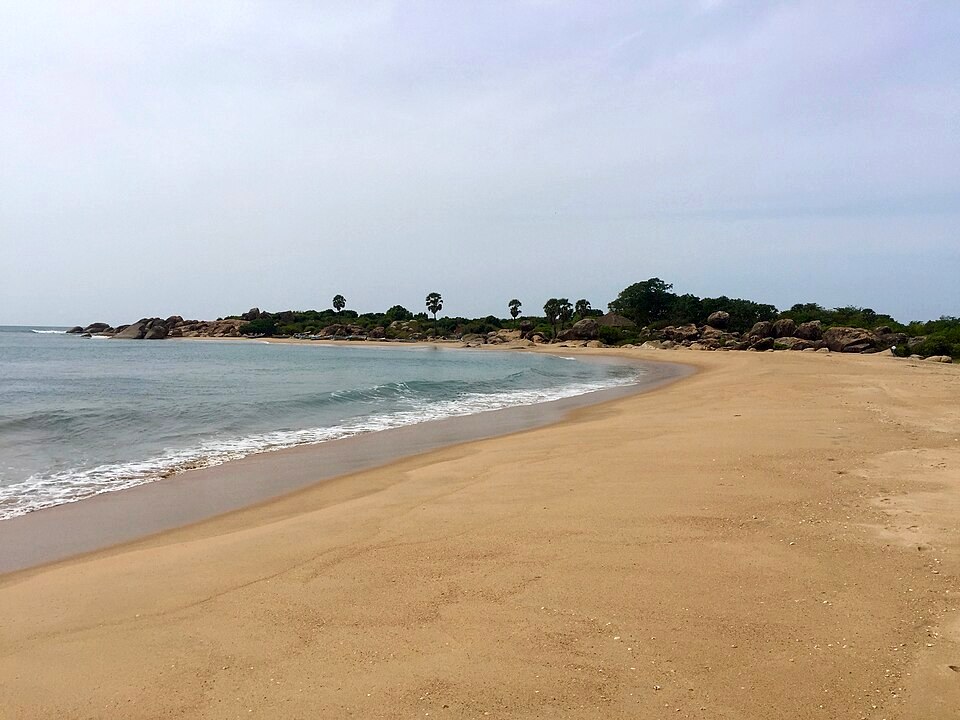
Main Point, at the southern end of the bay, is Arugam Bay's most famous wave. It is a long right-hand point break that works best for intermediate and experienced surfers. It can be busy in the peak months, so go early and respect local surfers and the line-up. Read about surfing in Sri Lanka.
2. Learn to surf at Whiskey Point or Baby Point
North of town, Whiskey Point is a friendly break popular with learners and improving surfers. Near the main beach, smaller, gentler waves are also used by surf schools. Many surf schools offer lessons and board hire.
3. Explore the southern breaks
South of Arugam Bay, breaks such as Peanut Farm, Elephant Rock and Okanda offer more options, especially when Main Point is crowded. Most surfers reach them by tuk-tuk.
Nature and wildlife
4. Take a lagoon safari in Pottuvil
Pottuvil lagoon, just north of Arugam Bay, is lined with mangroves. A slow trip by outrigger canoe or small boat is peaceful and full of life: look for kingfishers, herons, monkeys, monitor lizards and crocodiles. Go early in the morning or late in the afternoon. Read about lagoons in Sri Lanka.
5. Go on safari in Kumana National Park
Kumana National Park, south of Arugam Bay, is quieter than Yala and known for its waterbirds, especially in its mangrove swamp. You may also see elephants, crocodiles and, if you are lucky, leopards. Read about bird watching in Sri Lanka and safaris in Sri Lanka.
6. Watch elephants near Lahugala
Inland from Arugam Bay, the area around Lahugala is well known for wild elephants, which often feed in the grasslands and around the tanks in the late afternoon and evening. You can often see them from the road. Stay in your vehicle and keep a respectful distance.
7. Explore Gal Oya
Further north, Gal Oya National Park is one of the few places in Sri Lanka where you can go on a boat safari, and elephants are sometimes seen swimming between islands. It makes a good overnight trip. Read about lesser-known attractions in Sri Lanka.
Sunsets and viewpoints
8. Sunset at Elephant Rock
Elephant Rock, south of the bay, is a large rock you can climb for views along the coast. It is a popular sunset spot, and elephants are sometimes seen in the area, as the name suggests. Go with a local or in a group, and return before dark.
9. Sunset at Crocodile Rock
Crocodile Rock, near the lagoon south of town, is another beautiful sunset viewpoint, looking over the water and grasslands. Crocodiles and elephants are sometimes seen nearby, so keep your distance from the water's edge.
Temples and history
10. Muhudu Maha Viharaya
Near Pottuvil, Muhudu Maha Viharaya is an ancient Buddhist temple site right beside the beach, with old statues and ruins partly surrounded by sand dunes. It is peaceful and atmospheric.
11. Kudumbigala Monastery
Kudumbigala is an ancient forest hermitage among giant rocks, south of Arugam Bay near the road to Kumana. Monks still live and meditate here. Climb one of the rocks for wide views over the forest. Dress modestly and keep quiet.
12. Magul Maha Viharaya
Close to Lahugala, Magul Maha Viharaya is an ancient temple site linked by tradition with a royal wedding. It is set among the trees and is rarely busy. Read about ancient Buddhist sites in Sri Lanka.
Relaxing in town
13. Enjoy the beach cafés
Arugam Bay's main road is lined with relaxed cafés and restaurants serving fresh seafood, rice and curry, smoothie bowls and international food. In the evenings, some places have live music.
14. Join a yoga class
Several retreats and studios offer yoga classes, from gentle morning sessions to longer retreats. It is a good way to stretch tired muscles after surfing.
15. Day trip to Okanda
Okanda, on the edge of Kumana National Park, has a well-known Hindu shrine on the pilgrimage route to Kataragama, as well as a surf break and empty beaches. It makes a good half-day trip, often combined with a Kumana safari.
How many days do you need in Arugam Bay?
Three to five nights is ideal for most travellers. Surfers often stay a week or longer. That gives you time for surfing, a lagoon trip, a safari and a few lazy beach days.
Best time to visit Arugam Bay
The main season runs from about April to October, when the east coast has calm, dry weather and consistent waves at Main Point. The busiest months are usually July and August. From about November to March, the north-east monsoon brings rain, and many guesthouses close. Read our guide to the best time to visit Sri Lanka.
Getting to Arugam Bay
Most visitors arrive by road from Ella or Colombo. See our guides to getting from Ella to Arugam Bay and from Colombo to Arugam Bay. A private driver makes the journey much easier, especially with surfboards.
Where to stay
Arugam Bay has guesthouses, surf camps, boutique hotels and small resorts. Places near Main Point suit surfers, while places further south are quieter. See our guide to where to stay in Sri Lanka.
Combining Arugam Bay with the rest of Sri Lanka
Many travellers combine Arugam Bay with the hill country around Ella and the east coast beaches of Pasikuda and Trincomalee. Our east coast and north tour and adventure tour can include Arugam Bay.
Tips for visiting Arugam Bay
- Respect the line-up. Follow surf etiquette and give way to local surfers.
- Dress modestly away from the beach, as Arugam Bay is near traditional towns.
- Watch for elephants on roads after dark, and don't walk in quiet areas at night.
- Carry cash, as many small places only take cash. See money in Sri Lanka.
- Use reef-safe sunscreen and protect yourself from the strong sun.
A suggested four-day plan
Day 1: Arrive and settle in
Arrive in the afternoon, check in and walk along the main beach. Watch the sunset from Elephant Rock.
Day 2: Surf and relax
Surf in the morning, either at Main Point or with a lesson at a beginner break. Spend the afternoon in a café or the hammock, then join an evening yoga class.
Day 3: Lagoon and wildlife
Take an early canoe trip through Pottuvil lagoon. In the afternoon, drive towards Lahugala to watch elephants, and stop at Magul Maha Viharaya on the way.
Day 4: Kumana and the south
Join a morning safari in Kumana National Park, visit Kudumbigala on the way back, and finish with a sunset at Crocodile Rock.
The surf season by month
- April to May: the season begins, with smaller waves and fewer people. A good time for beginners.
- June to August: the busiest months, with the most consistent waves and a lively atmosphere.
- September to October: waves are still good and the crowds begin to thin.
- November to March: the monsoon season. Many places close, and the surf moves to the south and west coasts.
Common mistakes to avoid
- Paddling out at Main Point as a beginner. Start at a beginner break with a lesson.
- Walking to remote viewpoints after dark. Elephants live close to town. Return from sunset spots before it gets dark.
- Forgetting reef shoes. Some breaks have rocky entries.
Conditions and safe access
Check sea conditions, currents, warning flags, site access and boat operators before activities. Shallow or calm-looking water does not establish safe swimming. Keep away from wildlife and lagoon edges; sightings are never guaranteed. Ask an instructor which surf break suits your ability, and return from remote viewpoints well before dark.
Choose surf sessions by ability, not a beach name
Main Point and the surrounding breaks are not interchangeable. Ask a qualified instructor to assess your experience and current conditions before choosing a lesson or board. Wave size, crowds and entry points vary; a break described as popular with learners may still be unsuitable on your visit. Non-surfers should not use active surf zones as swimming areas.
Balance surf days with time for a permitted wildlife trip, a lagoon excursion or a cultural visit. Confirm access and any local guide arrangements, and avoid entering wildlife areas or walking to isolated viewpoints without current advice. Lagoon edges can have wildlife hazards; do not treat still water as evidence that swimming is safe. Roadside elephant encounters should never be a planned close-up activity.
Turn your activity choices into a workable holiday
Choose two or three priorities from the guide before deciding how many nights to stay. Add arrival and departure travel separately and leave time for meals, rest and weather changes. A private driver helps with road connections; guided visits, boat trips, lessons and activity tickets need their own confirmation. If you already have hotels, share their exact addresses so suggested days do not depend on unrealistic pickup distances.
Ask for either a local excursion, transport for selected days or a complete private holiday. Make that distinction clear in your WhatsApp request and include dates, travellers, children’s ages and your preferred pace. The written quote should identify the actual services and exclusions. Avoid booking a fixed-time activity immediately after a long transfer, and do not treat wildlife encounters, clear views or sea conditions as guaranteed.
Frequently asked questions
What is Arugam Bay famous for?
Surfing, especially at Main Point, plus its relaxed atmosphere and nearby wildlife.
When is the best time to visit Arugam Bay?
From about April to October, during the east coast season.
Is Arugam Bay good for beginner surfers?
There are surf schools, but suitable breaks depend on ability and current waves. Ask an instructor to select the location rather than assuming a named surf point is always beginner-friendly.
How many days should I spend in Arugam Bay?
Three to five nights is ideal, or longer for surfers.
Can you see elephants near Arugam Bay?
Sightings may occur around Lahugala or on permitted safaris in Kumana and Gal Oya, but are never guaranteed. Do not approach roadside elephants or stop where doing so obstructs their movement.
Is Arugam Bay open in winter?
Many places close or reduce services from about November to March, during the north-east monsoon.
Is Arugam Bay good for families?
Yes, especially in the quieter months at the start and end of the season. Lagoon trips, elephant spotting and gentle beach days suit children well, but strong waves at the surf points are not suitable for young swimmers.
Can beginners use every surf point near Arugam Bay?
No. Ask an instructor to select a suitable break for your ability and the day’s waves. Conditions change, and surf points are not necessarily safe swimming areas.
Do I need to book every activity in advance?
Prioritise activities that need reserved places, permits, equipment or a guide. Check current availability and keep weather-dependent activities flexible.
Does a private driver include activity tickets and guides?
Not automatically. Ask for entrance tickets, site guides, lessons and boat or safari services to be listed separately in the quote.
How do I request help planning these activities?
Send dates, hotel addresses, travellers, preferred activities and whether you want local transport, guided excursions or a complete private tour.
Photo sources
- Surf and golden sands at Whiskey Point, Arugam Bay — Kalana Jayatilake · CC BY-SA 4.0 · https://commons.wikimedia.org/wiki/File:Whiskey_Point_2.jpg