
Quick answer
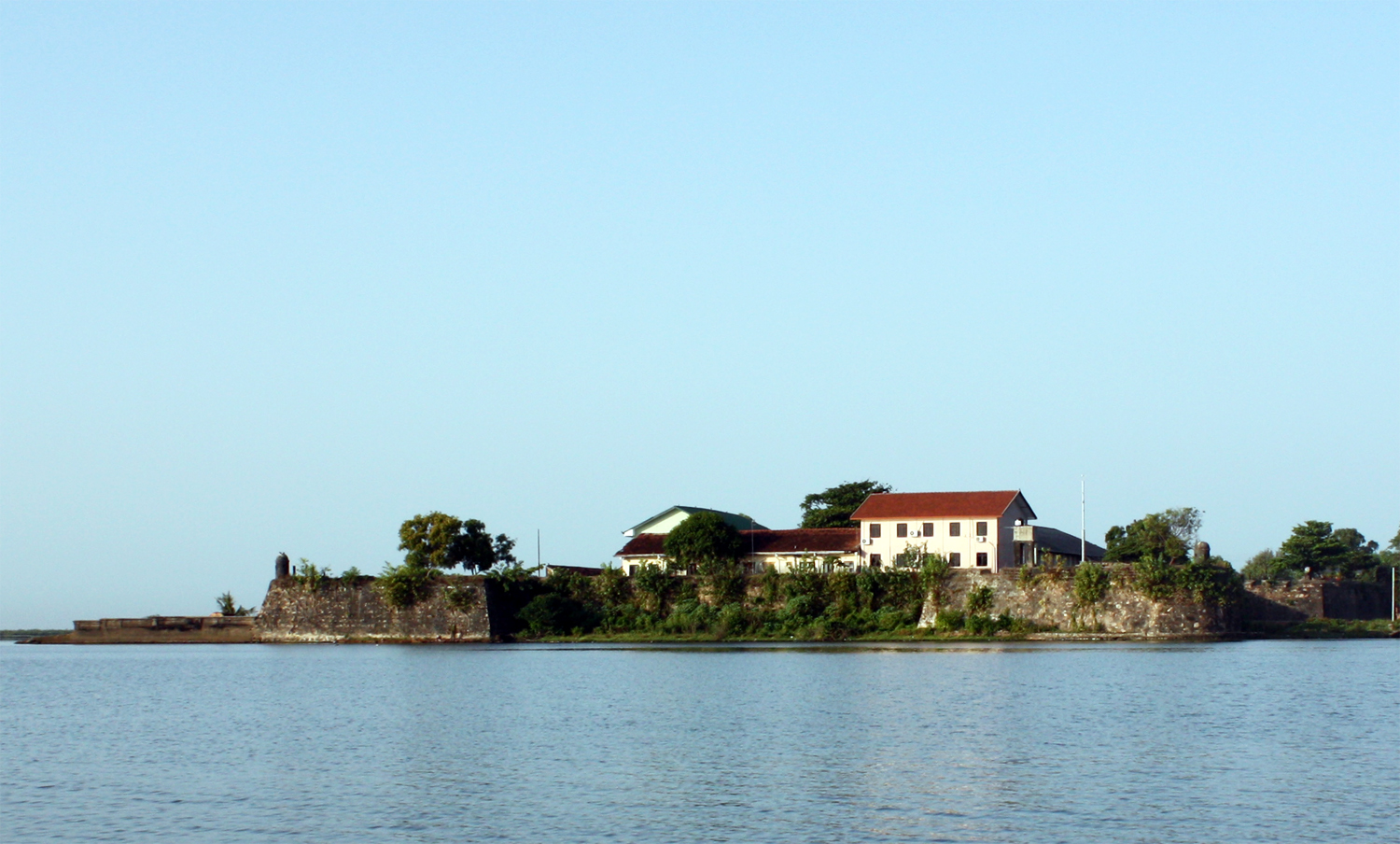
Batticaloa is a lagoon town on Sri Lanka's east coast, between Pasikuda and Arugam Bay. It is known for its large lagoon, a fort completed by the Portuguese in 1628 and captured by the Dutch in 1638, an old lighthouse at the lagoon mouth, and the legend of the "singing fish", which local people say can be heard from the lagoon on calm, moonlit nights. It is a working town with Tamil, Muslim and Christian communities, and few tourists. The best time to visit is from about April to September. One or two nights is enough, often combined with Pasikuda's beaches.
Batticaloa is one of the east coast's hidden gems. It doesn't have the resorts of Pasikuda or the surf of Arugam Bay, but it offers something different: a real Sri Lankan town on the water, with history, culture and a slower pace. This guide covers what to see, how to get there and how to fit Batticaloa into your trip.
Batticaloa at a glance
| Location | East coast, Eastern Province |
| Known for | The lagoon, the Dutch fort, the lighthouse, the singing fish |
| Best time | About April to September |
| To Pasikuda | About 45 minutes to 1 hour by car |
| To Arugam Bay | About 3 hours by car |
| Time needed | 1–2 nights |
Things to do in Batticaloa
Batticaloa Fort
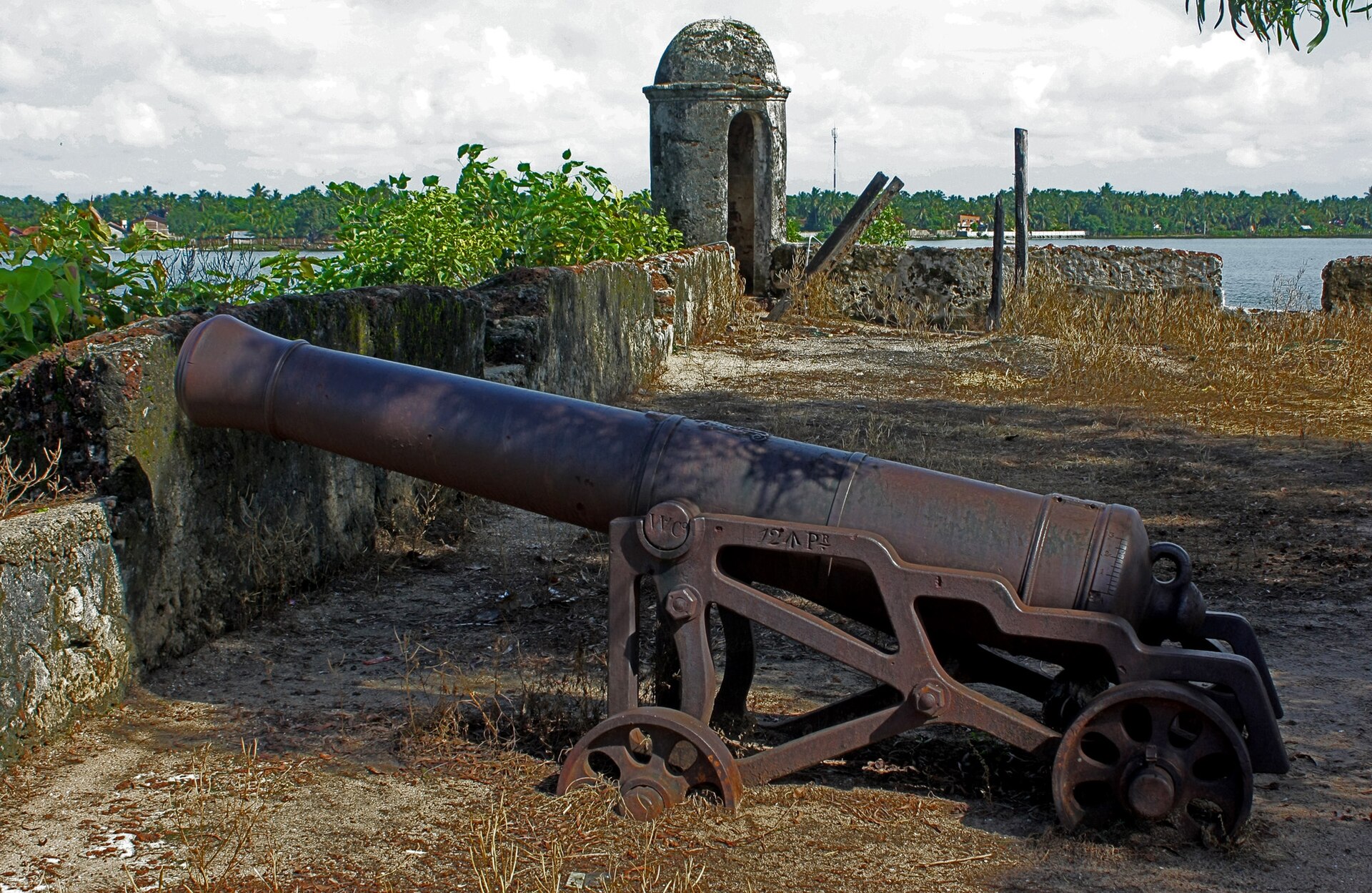
Batticaloa Fort was built by the Portuguese and completed in 1628, then captured by the Dutch in 1638. It stands on a small island in the lagoon, protected by water on two sides and a canal on the others. Its old walls and bastions are still standing, and government offices now occupy buildings inside, so access to some areas may be limited. Walking around the walls gives a good sense of the town's colonial past.
The lagoon
The Batticaloa lagoon is long and shallow, with mangroves, fishing villages and birdlife. A boat trip, or a walk or tuk-tuk ride along its shores in the late afternoon, shows you daily life on the water, with fishermen casting nets and birds feeding in the shallows. See lagoons in Sri Lanka.
The singing fish
Batticaloa is famous for its "singing fish". On calm, moonlit nights, especially around the full moon, some people say they can hear a faint musical sound rising from the lagoon, often near the Kallady bridge. Nobody is completely sure what causes it, though many suggest fish or shellfish. Hearing it depends on luck and calm conditions, but the legend is part of the town's identity.
The lighthouse
An old lighthouse stands near the mouth of the lagoon, where it meets the sea, a short drive from town. The area around it is a peaceful place for a walk in the late afternoon.
Kallady Beach
Kallady Beach, just across the lagoon from the town, is a long, open beach popular with local families in the evenings. The sea can be rough at times, so swim only when it is calm and safe.
Temples, churches and mosques
Batticaloa has Hindu kovils, mosques, Buddhist temples and historic churches. The town's mix of communities is one of the most interesting things about it. Dress modestly when visiting places of worship. See what to wear at Sri Lankan temples.
Local food
Batticaloa is a good place to try eastern Tamil and Muslim cooking, including seafood from the lagoon, dosa, vadai and spicy curries. See Sri Lankan food to try.
Day trips from Batticaloa
- Pasikuda: a long, shallow bay with calm, clear water, about 45 minutes to an hour north.
- Kalkudah: a quieter beach next to Pasikuda.
- Gal Oya National Park: known for boat safaris and elephants swimming between islands.
- Arugam Bay: the surf town further south.
How to get to Batticaloa
By private car
A private driver is the easiest way to reach Batticaloa and explore the east coast. Approximate times:
- Polonnaruwa to Batticaloa: about 2 hours
- Trincomalee to Batticaloa: about 3 hours
- Arugam Bay to Batticaloa: about 3 hours
- Colombo to Batticaloa: about 7 hours
By train
Batticaloa is the end of a railway line that runs from Colombo through Polonnaruwa. Day and overnight trains run, and the journey from Colombo is long. Check the current timetable before you travel.
By bus
Buses connect Batticaloa with Colombo, Kandy, Polonnaruwa, Trincomalee and the towns of the east coast.
When to visit Batticaloa
The best time to visit is from about April to September, during the east coast dry season, when the weather is sunny and the sea is calmer. From about October or November to February, the north-east monsoon brings heavy rain to the east coast, and the area can flood. See our guide to the best time to visit Sri Lanka.
Where to stay
Batticaloa has a range of small hotels and guesthouses, some by the lagoon. Many travellers prefer to stay in Pasikuda's beach resorts and visit Batticaloa as a day trip. See our guide to where to stay in Sri Lanka.
Batticaloa on an east coast route
Batticaloa sits neatly between the east coast's main beach areas, so it is easy to fit into a route:
- Trincomalee → Pasikuda → Batticaloa → Arugam Bay: a classic east coast journey.
- Polonnaruwa → Batticaloa: a direct route from the Cultural Triangle to the coast.
See our east coast guide, our east coast and north tour and our guide to getting from Sigiriya to Trincomalee.
A suggested one-day plan
- Morning: drive from Pasikuda to Batticaloa. Walk around the fort walls and the town centre.
- Midday: a seafood lunch at a local restaurant.
- Afternoon: rest during the heat, then visit the lighthouse and the lagoon.
- Evening: walk along Kallady Beach, then listen for the singing fish near the bridge if it is calm and the moon is up.
Culture and etiquette
Batticaloa is a traditional town with Tamil, Muslim, Christian and Sinhala communities.
- Dress modestly in town and at places of worship. Cover your shoulders and knees.
- Swim in modest clothing at local beaches.
- Ask before taking photos of people.
- Be respectful when talking about the past. The area was affected by the civil war and by the 2004 tsunami.
Read our responsible travel guide and our cultural experiences page.
What to bring
- Light, modest clothing
- Sun protection and plenty of water
- Insect repellent for evenings by the lagoon
- Cash for small shops and tuk-tuks. See money in Sri Lanka
A short history of Batticaloa
Batticaloa has been a trading and fishing town for centuries, thanks to its sheltered lagoon. The Portuguese built the fort in the early 17th century to control the area, but the Dutch captured it in 1638, and later the British took over the town. The area was badly affected by the civil war and by the 2004 tsunami, and it has been rebuilt over the years since. Today, it is a busy regional centre with schools, markets and colleges serving the whole of the Eastern Province.
Festivals in Batticaloa
Batticaloa's Hindu temples hold colourful festivals, usually around July and August, with processions, drumming and decorated chariots. Thai Pongal in January and Deepavali in October or November are celebrated widely, and Christmas and Eid are important for the town's Christian and Muslim communities. See our Sri Lanka festivals calendar and our page on religious processions.
Getting around town
Batticaloa is compact, and tuk-tuks are the easiest way to get around. Agree on the fare before you set off. Bridges link the town centre with Kallady and the areas across the lagoon. A private driver can take you to the lighthouse and on to Pasikuda.
Who Batticaloa suits
Batticaloa suits curious travellers who enjoy history, local life and places without crowds. It is a good stop for second-time visitors and anyone travelling the full east coast. Families staying in Pasikuda can visit for an easy half-day trip. See our pages on lesser-known attractions and our 21-day tour.
Common mistakes to avoid
- Expecting a beach resort. Batticaloa is a working town. Stay in Pasikuda if you want resort beaches.
- Visiting in the monsoon. From about November to February, heavy rain is common.
- Swimming at Kallady when it is rough. Swim only when the sea is calm.
- Expecting to hear the singing fish. It is not guaranteed. Enjoy the evening by the lagoon either way.
Frequently asked questions
What is Batticaloa famous for?
Its lagoon, its fort completed by the Portuguese in 1628 and captured by the Dutch in 1638, and the legend of the singing fish.
Is Batticaloa worth visiting?
Yes, if you enjoy history and local life. It combines well with the beaches of Pasikuda.
How far is Batticaloa from Pasikuda?
About 45 minutes to an hour by car.
What are the singing fish of Batticaloa?
A faint musical sound some people say they hear from the lagoon on calm, moonlit nights. Its cause is not fully known.
When is the best time to visit Batticaloa?
From about April to September, during the east coast dry season.
Can you take a train to Batticaloa?
Yes. Batticaloa is the end of a railway line from Colombo via Polonnaruwa.
Photo sources
- Cannon at Batticaloa Fort, Sri Lanka — Anton Croos · CC BY-SA 3.0 · https://commons.wikimedia.org/wiki/File:Cannon_in_Batticaloa_Portuguese_Fort.jpg
- Batticaloa Fort on the lagoon, Sri Lanka — Anton Croos · CC BY-SA 4.0 · https://commons.wikimedia.org/wiki/File:Batticaloa_Portuguese_(dutch)_fort.jpg