
Quick answer
Northern Sri Lanka covers the Jaffna Peninsula and its islands, Mannar, Kilinochchi, Mullaitivu and Vavuniya. It is the heartland of Sri Lankan Tamil culture, with colourful Hindu temples, Dutch and Portuguese forts, remote islands, baobab trees, flamingos and some of the best food on the island. The main places to visit are Jaffna, the islands of Nainativu and Delft, Point Pedro, and Mannar. The best time to visit is usually from about January to September, avoiding the heaviest rains from about October to December. Plan at least three to five days.
For many years, the north was hard to reach. Today it is open, welcoming and easy to visit by road, rail or air, yet it still sees far fewer tourists than the south. Travelling here feels like discovering a different side of Sri Lanka, with its own language, temples, food and landscapes. This guide brings together the main places, how to get there, when to go and how to plan your trip.
Northern Sri Lanka at a glance
| Main areas | Jaffna Peninsula, Jaffna islands, Mannar, Kilinochchi, Mullaitivu, Vavuniya |
| Known for | Tamil culture, Hindu temples, islands, forts, distinctive food |
| Best time | About January to September |
| From Colombo | About 7–8 hours to Jaffna by car |
| Time needed | 3–5 days or more |
Places to visit in northern Sri Lanka
Jaffna
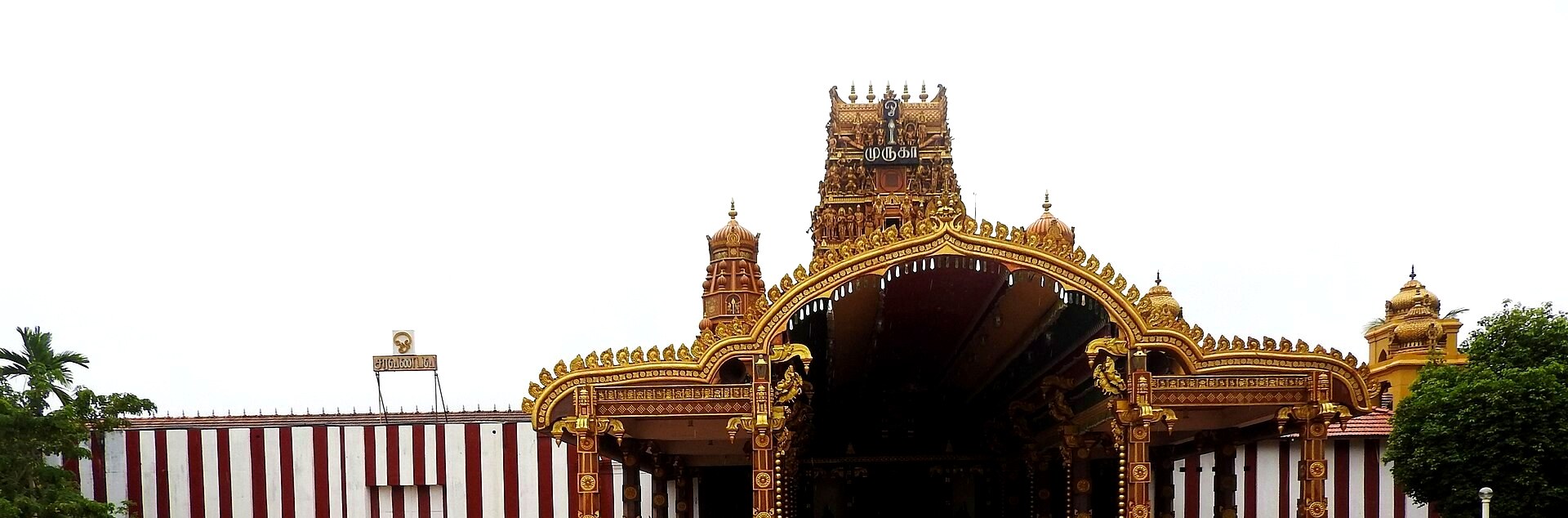
Jaffna is the cultural capital of the north. Highlights include the golden Nallur Kandaswamy Kovil, the star-shaped Dutch fort, the rebuilt Jaffna Public Library and a busy market. Jaffna is also famous for its food, especially crab curry. See the best things to do in Jaffna.
The Jaffna islands
Causeways and short ferry crossings link Jaffna to a scatter of islands:
- Nainativu: sacred to Hindus and Buddhists, with the Nagapooshani Amman Kovil and Nagadeepa Vihara.
- Delft: a remote, windswept island with wild ponies, coral-stone walls and colonial ruins. The ferry depends on the weather.
- Karainagar: reached by causeway, with Casuarina Beach, Jaffna's most popular beach.
Point Pedro and the northern coast
Point Pedro is the northernmost point of Sri Lanka. Nearby are the Manalkadu sand dunes, Keerimalai's freshwater springs beside the sea, and the ancient Naguleswaram temple.
Mannar
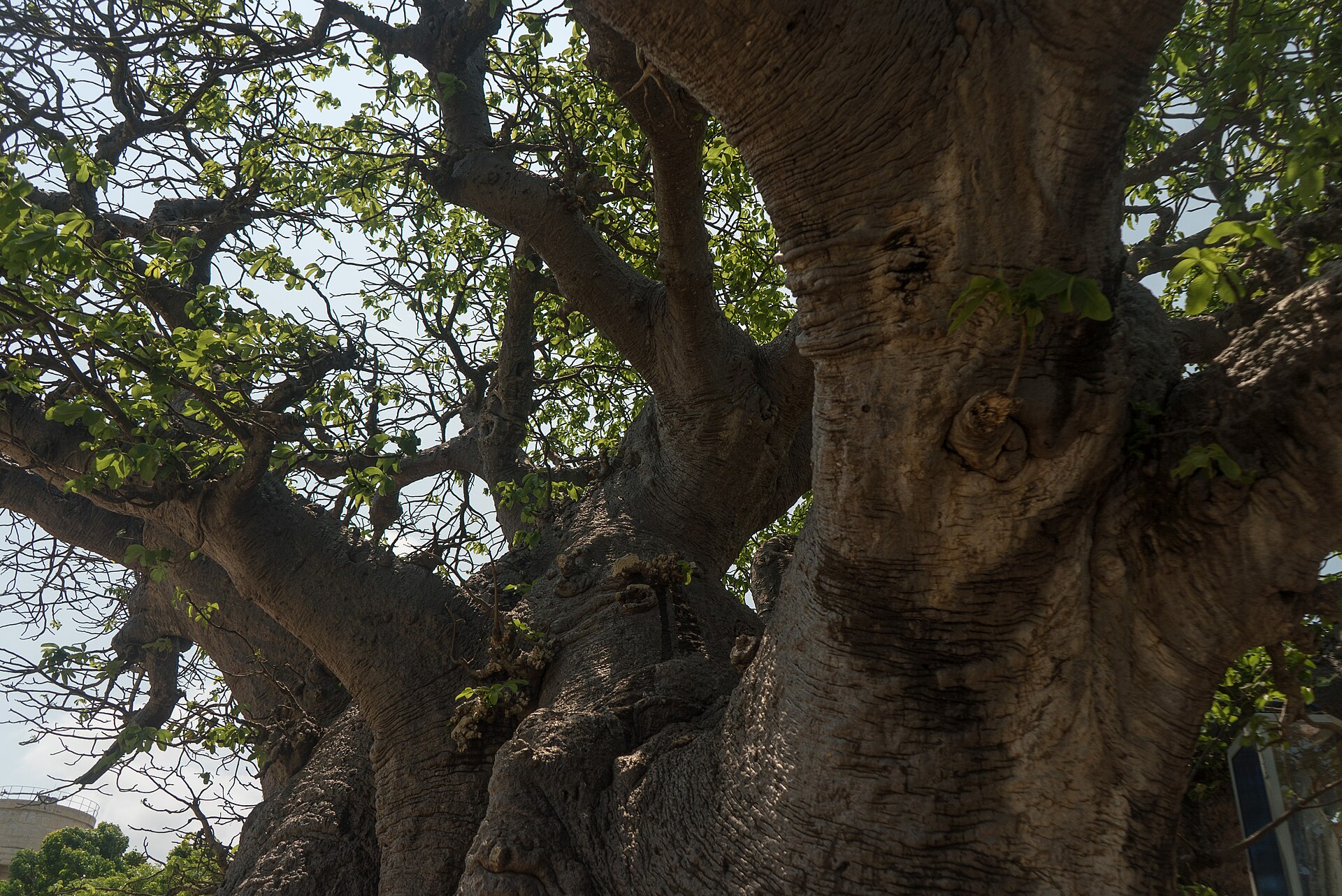
Mannar is a flat, sandy island in the north-west, linked to the mainland by a bridge. It is known for its ancient baobab tree, a Portuguese-built fort, the Thiruketheeswaram temple, Adam's Bridge, and thousands of migrant birds, including flamingos, from about November to March.
Madhu
Inland from Mannar, the Shrine of Our Lady of Madhu is Sri Lanka's most important Catholic pilgrimage site, with a major festival in August.
Kilinochchi and Mullaitivu
These quieter districts have long, empty beaches on the north-east coast, lagoons and rural landscapes. They see very few tourists and are best visited with a local driver.
Vavuniya
Vavuniya is the gateway town between the north and the rest of the island, on the main road and railway from Anuradhapura.
Gateway to the north: the ancient cities
Most journeys to the north pass through the ancient cities of Anuradhapura and Mihintale, which make an ideal stop on the way. Some travellers also detour to the quiet rock fortress of Yapahuwa or to Wilpattu National Park.
Things to do in northern Sri Lanka
- Visit Nallur Kovil during a puja, with drums, bells and incense.
- Take a ferry to Nainativu or Delft.
- Walk the walls of Jaffna Fort at sunset.
- Eat Jaffna crab curry, dosa, vadai and palmyra sweets. See Sri Lankan food to try.
- Stand at Point Pedro, the northern tip of the island.
- See flamingos at Vankalai in Mannar, in the migrant season. See bird watching.
- Visit the baobab tree in Mannar.
- Swim at Casuarina Beach.
When to visit northern Sri Lanka
The north is in the dry zone. It is usually driest from about January to September. The most comfortable months are often from about January to March, after the rains and before the hottest months. From about April to September, it is hot and dry, and combines well with the east coast beaches. Between about October and December, the north-east monsoon can bring heavy rain.
For birds in Mannar, visit from about November to March. For the Nallur festival in Jaffna, go in July or August. See our Sri Lanka festivals calendar and the best time to visit Sri Lanka.
How to get to northern Sri Lanka
By car
The A9 road runs north from the Cultural Triangle through Vavuniya and Kilinochchi to Jaffna. Approximate times:
- Colombo to Jaffna: about 7–8 hours. See Colombo to Jaffna
- Anuradhapura to Jaffna: about 3.5–4 hours
- Anuradhapura to Mannar: about 2–2.5 hours
- Trincomalee to Jaffna: about 4–5 hours
By train
Trains run from Colombo to Jaffna, including the Yal Devi and intercity services, and to Mannar. Check the current timetable before you travel.
Getting around
A private driver is the easiest way to explore the north, as many sights are spread out across the peninsula and islands, and public transport can be slow. Your driver can also help with ferry times to the islands.
How many days do you need?
- 3 days: Jaffna city, the islands and the peninsula.
- 5 days: add Mannar and a stop in Anuradhapura on the way.
- 7 days or more: add Delft, Mullaitivu and a slower pace.
A suggested 5-day northern itinerary
Day 1: drive from Anuradhapura to Mannar. Visit the baobab tree and Mannar Fort.
Day 2: see the birds at Vankalai in the morning, visit Thiruketheeswaram, then drive to Jaffna.
Day 3: Nallur Kovil, the library, the market and Jaffna Fort.
Day 4: Nainativu and Casuarina Beach.
Day 5: Keerimalai, Point Pedro and the Manalkadu dunes, then continue to Trincomalee or back south.
Our east coast and north tour combines the north with the east coast.
Where to stay
Jaffna has the widest choice of hotels and guesthouses, from family-run homestays to comfortable city hotels. Mannar has a smaller selection of simple hotels and guesthouses. See our guide to where to stay in Sri Lanka.
Culture and etiquette
The north is mainly Tamil and Hindu, with Christian and Muslim communities too. A few tips:
- Dress modestly, especially at temples. Men are often asked to remove their shirts at Hindu temples, and everyone removes their shoes.
- Learn a few Tamil words. "Vanakkam" (hello) and "nandri" (thank you) are always appreciated.
- Be respectful when talking about the war years, which affected many families.
- Carry cash, as card payments are less common. See money in Sri Lanka.
See what to wear at Sri Lankan temples and our responsible travel guide.
Is northern Sri Lanka safe?
The north is open to visitors and welcomes many travellers each year. As anywhere, follow local advice and check your government's travel guidance. Read our guide to whether Sri Lanka is safe.
Who the north suits
The north suits curious travellers, second-time visitors, food lovers and anyone interested in culture and history. It also suits travellers visiting from India and Tamil heritage travellers. See our guide to a Sri Lanka trip from India and our 21-day tour.
Food in the north
Northern food is one of the best reasons to visit. It is spicier and more distinctive than food in much of Sri Lanka, with its own spice blends and plenty of seafood. Look for:
- Jaffna crab curry: rich, dark and full of roasted spices.
- Odiyal kool: a thick seafood stew made with palmyra flour.
- Dosa, idli and vadai: for breakfast or a light meal.
- Palmyra products: jaggery sweets, toddy and snacks made from the palmyra palm.
- Ice cream parlours: Jaffna has a long tradition of old-fashioned ice cream shops.
Small family-run restaurants often serve the best local food. See our food and cooking page.
Festivals in the north
The north's biggest festival is the Nallur festival in Jaffna, which usually runs for about 25 days in July and August, with daily ceremonies and a dramatic chariot procession. Thai Pongal in January, Maha Shivaratri at Thiruketheeswaram in February or March, and Deepavali in October or November are also widely celebrated. See our religious processions page.
Other regions of Sri Lanka
See our guides to the east coast, south coast and west coast.
Frequently asked questions
Is northern Sri Lanka worth visiting?
Yes. It offers a very different side of Sri Lanka, with its own culture, temples, food and islands, and far fewer tourists.
What is the best time to visit Jaffna and the north?
From about January to September. The most comfortable months are often January to March.
How do you get to Jaffna from Colombo?
By car on the A9 (about 7–8 hours) or by train.
How many days do you need in northern Sri Lanka?
At least three days for Jaffna, or five days to add Mannar.
What is northern Sri Lanka famous for?
Tamil culture, Nallur Kovil, Jaffna Fort, the islands, Point Pedro, Mannar's baobab tree and Jaffna crab curry.
Can you combine the north with the east coast?
Yes. Jaffna to Trincomalee takes about four to five hours by car, and both are at their best in the middle of the year.
Photo sources
- The ancient baobab tree in Mannar, Sri Lanka — Alexey Komarov · CC BY-SA 4.0 · https://commons.wikimedia.org/wiki/File:Baobab_Tree_in_Mannar_2023-05-26-2.jpg
- Nallur Kandaswamy Kovil in Jaffna, Sri Lanka — Yercaud-elango · CC BY-SA 4.0 · https://commons.wikimedia.org/wiki/File:Kandaswamy_koil-8-nallur-jaffna-Sri_Lanka.jpg