
Quick answer
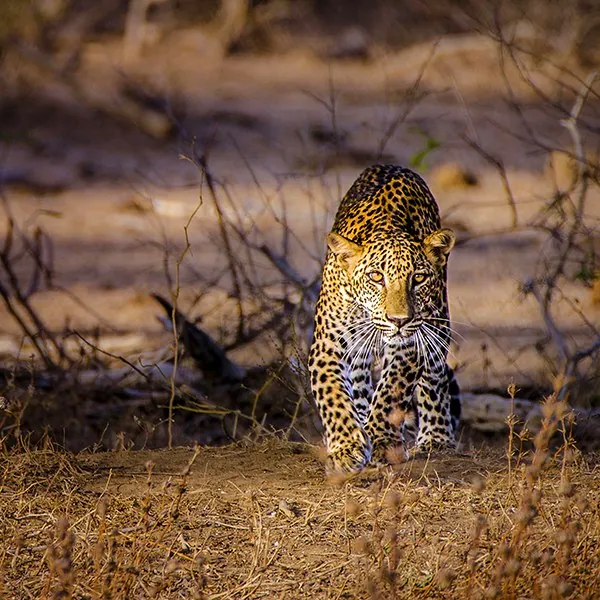
Sri Lanka has 26 national parks, covering about 5,734 km². The best-known for safaris are Yala (leopards), Udawalawe (elephants), Wilpattu (the largest, with leopards and sloth bears), Minneriya and Kaudulla (the elephant gathering), Bundala (birds), Kumana (birds and wilderness), Gal Oya (boat safaris) and Horton Plains (highland hiking to World's End). Most parks are visited by open jeep, in the morning or afternoon. The best park for you depends on the animals you want to see, the time of year and your route around the island.
On this page 31 sections
- National parks in Sri Lanka at a glance
- Comparing the main national parks
- Yala National Park
- Udawalawe National Park
- Wilpattu National Park
- Minneriya and Kaudulla
- Bundala National Park
- Kumana National Park
- Gal Oya National Park
- Wasgamuwa National Park
- Horton Plains National Park
- Marine parks
- Which park should I choose?
- When to visit
- How a safari works
- Responsible safari tips
- What to bring
- Planning safaris on your route
- Safaris with children
- Photography tips
- Conservation in Sri Lanka
- Lesser-known national parks
- Other protected areas
- Sri Lanka's big five
- A two-week wildlife route
- Choosing a jeep operator
- Park fees and booking
- National parks for first-time visitors
- Booking a safari with us
- Common mistakes to avoid
- Frequently asked questions
Sri Lanka is one of the best places in Asia for wildlife, with leopards, elephants, sloth bears, crocodiles and hundreds of bird species in a small island. This guide compares the main national parks, explains when to visit each one, and helps you choose the right safari for your trip.
National parks in Sri Lanka at a glance
| Number of national parks | 26 |
| Total area | About 5,734 km² |
| Largest | Wilpattu, about 1,317 km² |
| Oldest | Wilpattu and Yala, both 1938 |
| Best for leopards | Yala and Wilpattu |
| Best for elephants | Udawalawe, Minneriya, Kaudulla |
| Best for birds | Bundala and Kumana |
| Best for hiking | Horton Plains |
| Managed by | Department of Wildlife Conservation |
Comparing the main national parks
| Park | Region | Best known for | Best from |
|---|---|---|---|
| Yala | South-east | Leopards, elephants, sloth bears | Tissamaharama, south coast |
| Udawalawe | South | Elephants all year | Ella, south coast |
| Wilpattu | North-west | Leopards, sloth bears, lakes | Anuradhapura, Kalpitiya |
| Minneriya | Cultural Triangle | The elephant gathering | Sigiriya, Habarana |
| Kaudulla | Cultural Triangle | Elephants | Sigiriya, Habarana |
| Bundala | South | Birds, wetlands | Tissamaharama, Tangalle |
| Kumana | East | Birds, wilderness, leopards | Arugam Bay |
| Gal Oya | East | Boat safaris, elephants | Ampara, Arugam Bay |
| Wasgamuwa | Central | Elephants, few visitors | Sigiriya, Kandy |
| Horton Plains | Hill country | Hiking, World's End | Nuwara Eliya, Ella |
| Pigeon Island | East coast | Snorkelling, reef sharks | Trincomalee, Nilaveli |
Yala National Park
Yala is Sri Lanka's most famous national park, in the dry south-east. It's best known for leopards, and it also has elephants, sloth bears, crocodiles, water buffalo and many birds, set among scrub, lakes and rocky outcrops near the coast. It can be busy, especially in the morning. Parts of the park have closed for a period in some dry seasons, often around September to October, so check before you plan. See Yala National Park, the Yala safari guide, our Yala safari tour and the leopard safari guide.
Udawalawe National Park
Udawalawe is the most reliable park for elephants, which can be seen in large groups all year round in its open grassland around a reservoir. Next door, the Elephant Transit Home raises orphaned calves for release into the wild. See Udawalawe National Park and our Udawalawe safari tour.
Wilpattu National Park
Wilpattu, in the north-west, is Sri Lanka's largest national park and one of its oldest. It's known for its "villus", natural lakes surrounded by forest, and for leopards and sloth bears. It's quieter than Yala, with a wilder feel. See Wilpattu National Park.
Minneriya and Kaudulla
These neighbouring parks in the Cultural Triangle are famous for "The Gathering", when large numbers of elephants come to the shrinking reservoirs in the dry season, often around August and September. Your driver and jeep operator will choose the park with the best recent sightings. See Minneriya, Kaudulla, the elephant gathering and our Minneriya safari tour.
Bundala National Park
Bundala, near Hambantota, is a wetland of lagoons, salt pans and dunes, and one of Sri Lanka's best places for birdwatching, especially for migratory birds from about November to March. You may also see crocodiles and elephants. See Bundala National Park and bird watching.
Kumana National Park
Kumana, south of Arugam Bay, adjoins the eastern side of Yala. It's known for its bird lagoon and wilderness, with fewer visitors and a chance of leopards, elephants and bears. See Kumana National Park and things to do in Arugam Bay.
Gal Oya National Park
Gal Oya, in the east, surrounds a large reservoir, and it's known for boat safaris, where you may see elephants swimming between islands. It's one of the more unusual safari experiences in Sri Lanka. See Gal Oya National Park.
Wasgamuwa National Park
Wasgamuwa, between Kandy and Polonnaruwa, is a quieter park with elephants and birdlife, good for travellers who want to avoid crowds. See Wasgamuwa National Park.
Horton Plains National Park
Horton Plains is a highland plateau in the hill country, and the only national park where you explore on foot, on a circular trail to World's End and Baker's Falls. It's part of the Central Highlands of Sri Lanka World Heritage Site. See Horton Plains and World's End.
Marine parks
Sri Lanka also has marine national parks:
- Pigeon Island, off Nilaveli on the east coast, for snorkelling with reef fish and sometimes blacktip reef sharks.
- Hikkaduwa, on the south-west coast, protecting a coral reef close to the beach.
See snorkelling and coral reefs.
Which park should I choose?
| If you want to see... | Choose |
|---|---|
| Leopards | Yala or Wilpattu |
| Lots of elephants | Udawalawe, or Minneriya and Kaudulla in season |
| Sloth bears | Wilpattu or Yala |
| Birds | Bundala or Kumana |
| Fewer crowds | Wilpattu, Wasgamuwa or Kumana |
| A walking experience | Horton Plains |
| Something different | A boat safari at Gal Oya |
See Yala vs Udawalawe vs Wilpattu and where to see elephants in Sri Lanka.
When to visit
Sri Lanka's parks are in different climate zones, so there's always somewhere good:
| Season | Good parks |
|---|---|
| About February–September | Yala, Udawalawe, Bundala, Wilpattu (dry season in the south and north-west) |
| About July–October | Minneriya and Kaudulla for the elephant gathering |
| About April–September | Kumana and Gal Oya in the east |
| About November–March | Bundala for migratory birds |
| About January–April | Horton Plains, for the clearest views |
Heavy rain can close parks temporarily, so check before you travel. See the best time to visit Sri Lanka.
How a safari works
Most safaris are in open 4x4 jeeps with a driver who knows the park. A park tracker usually joins you inside the park.
| Morning safari | Afternoon safari | |
|---|---|---|
| Typical start | Around 6 am | Around 2:30 pm |
| Length | About 3–4 hours | About 3–4 hours |
| Why go | Cooler, active animals | Animals at water, sunset light |
Full-day safaris are also possible in some parks. Park tickets and jeep hire are usually paid separately from your tour. See Sri Lanka safari, safaris and Sri Lanka entry fees.
Responsible safari tips
- Choose a jeep driver who respects the animals and keeps a safe distance.
- Don't let drivers race to sightings or crowd animals.
- Stay in the jeep and keep quiet.
- Never feed wildlife.
- Take all your rubbish with you.
See our responsible travel guide.
What to bring
- Neutral-coloured clothes
- A hat, sunglasses and sunscreen
- Binoculars and a camera with a zoom lens
- A light jacket for early mornings
- Water and snacks
- A scarf or buff for dust
Planning safaris on your route
| Your route | Easy safari |
|---|---|
| Cultural Triangle | Minneriya, Kaudulla or Wasgamuwa |
| Hill country to the south coast | Udawalawe |
| South coast | Yala or Bundala |
| East coast | Kumana, Gal Oya or Pigeon Island |
| North-west | Wilpattu |
Your driver can arrange the jeep and park timing. See our wildlife tour, Ella to Yala and how to get to Yala.
Safaris with children
Children usually love safaris, especially elephants. Choose shorter half-day safaris, bring snacks and water, and pick parks with easy sightings, such as Udawalawe. See Sri Lanka with kids.
Photography tips
- Use a zoom lens of at least 200 mm if you can.
- Shoot early or late for the best light.
- Keep your camera ready; leopards can appear suddenly.
- Protect your gear from dust.
Conservation in Sri Lanka
Sri Lanka's protected areas face pressures from habitat loss, human-elephant conflict and crowding at popular parks. Choosing responsible operators, visiting quieter parks and following park rules all help. Entry fees support the Department of Wildlife Conservation.
Lesser-known national parks
Beyond the famous parks, Sri Lanka has several quieter protected areas:
- Lunugamvehera, next to Yala, linking it to Udawalawe for elephants.
- Maduru Oya, in the east, with elephants and forest, and some of the island's indigenous Vedda communities nearby. See the indigenous Vedda community.
- Lahugala Kitulana, a small park near Arugam Bay, known for elephants.
- Ussangoda, a small coastal park with unusual red soil and sea views.
- Flood Plains and Somawathiya, along the Mahaweli River.
These parks see far fewer visitors and suit travellers looking for something different.
Other protected areas
Not all of Sri Lanka's wildlife is in national parks. Other important protected areas include:
- Sinharaja Forest Reserve, a UNESCO World Heritage rainforest, famous for endemic birds.
- Knuckles Mountain Range, a wild, misty range for hiking.
- Hurulu Eco Park, near Habarana, often used for elephant safaris when Minneriya and Kaudulla are quiet.
See rainforests and nature trails.
Sri Lanka's big five
Wildlife guides sometimes talk about Sri Lanka's "big five": the leopard, Asian elephant, sloth bear, blue whale and sperm whale. You can see the first three on land in parks such as Yala and Wilpattu, and the whales at sea off Mirissa or Trincomalee. See whale watching.
A two-week wildlife route
- Wilpattu (1–2 nights): leopards and sloth bears.
- Minneriya or Kaudulla (2 nights): the elephant gathering in season.
- Horton Plains (1 night in Nuwara Eliya): highland hiking.
- Udawalawe (1 night): elephants and the Transit Home.
- Yala and Bundala (2 nights): leopards and birds.
- Mirissa (2 nights): whale watching in season.
See our wildlife tour and 14-day tour.
Choosing a jeep operator
A good jeep driver makes a big difference. Look for operators who:
- Know the park well and read animal behaviour.
- Keep a respectful distance and switch off the engine at sightings.
- Don't race to sightings or block other jeeps.
- Provide clean, safe vehicles.
We arrange experienced jeep operators for all our safaris.
Park fees and booking
Each national park charges an entry fee for foreign visitors, plus service charges and taxes, and jeep hire is paid separately. Fees change, so check before you go. Popular parks such as Yala can be busy in the morning, so ask your driver about the best time to enter.
National parks for first-time visitors
If it's your first trip, choose one park that fits your route. Udawalawe is the easiest for guaranteed elephants, Yala for a chance of leopards, and Minneriya or Kaudulla if you're in the Cultural Triangle during the gathering. One good safari is often better than several rushed ones.
Booking a safari with us
Tell us your dates and route, and we'll recommend the best park, arrange your jeep and time it around your journey.
Common mistakes to avoid
- Visiting only Yala. Other parks may suit your route and interests better.
- Ignoring the season, for example expecting the elephant gathering in December.
- Choosing jeep drivers who chase animals.
- Forgetting binoculars and a zoom lens.
Frequently asked questions
How many national parks are there in Sri Lanka?
26, covering about 5,734 km².
Which is the largest national park in Sri Lanka?
Wilpattu, at about 1,317 km².
Which national park is best for leopards?
Yala and Wilpattu.
Which national park is best for elephants?
Udawalawe all year, and Minneriya and Kaudulla during the gathering.
What is the best time for a safari in Sri Lanka?
It depends on the park. The south and north-west are best from about February to September; the Cultural Triangle for the gathering from about July to October.
How long is a safari?
Usually about three to four hours, in the morning or afternoon.
Can I walk in Sri Lankan national parks?
Only in some areas, such as Horton Plains. Most safaris are by jeep.
Are park tickets included in tours?
Usually not. Park tickets and jeep hire are often paid separately. Check your quote.
Which park is least crowded?
Wilpattu, Wasgamuwa and Kumana are usually quieter than Yala.
Can you plan a safari for my route?
Yes. Tell us your route through our contact page or WhatsApp, and we'll suggest the best park.